
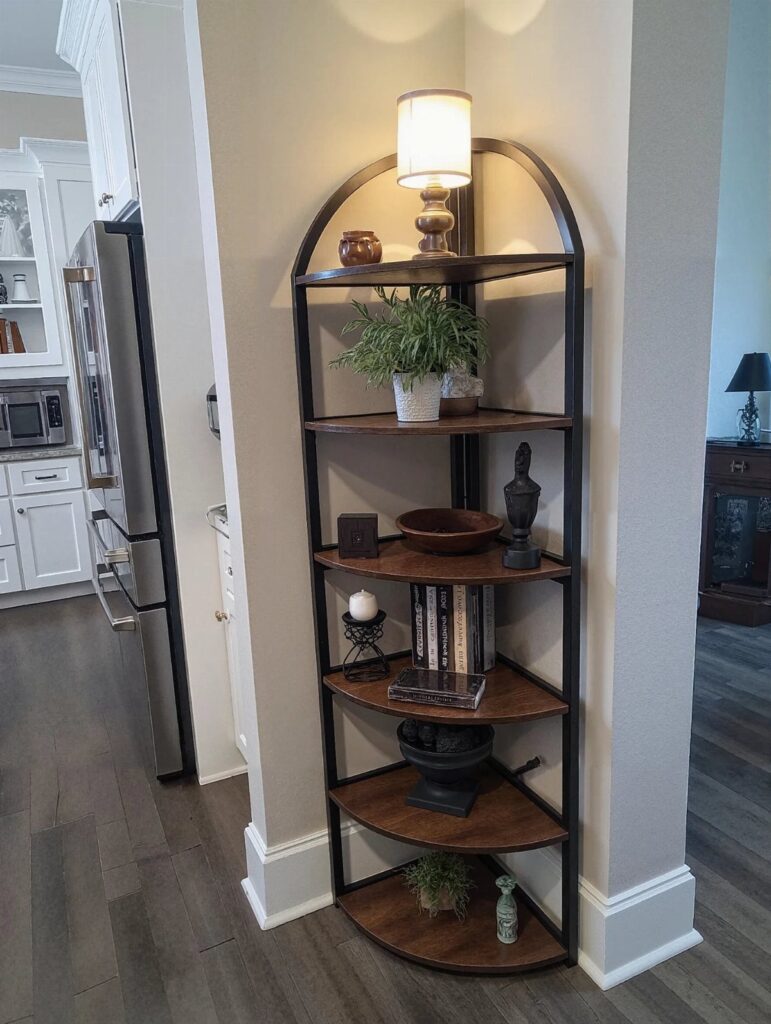
A corner can anchor a room just as well as any center piece if you give it something worth looking at.
A bookshelf built floor to ceiling stores without claiming floor space from the center of the room, while a reading nook with a beanbag and a clip lamp turns the angle into a dedicated spot that would otherwise sit empty.
1. Add a Bookshelf
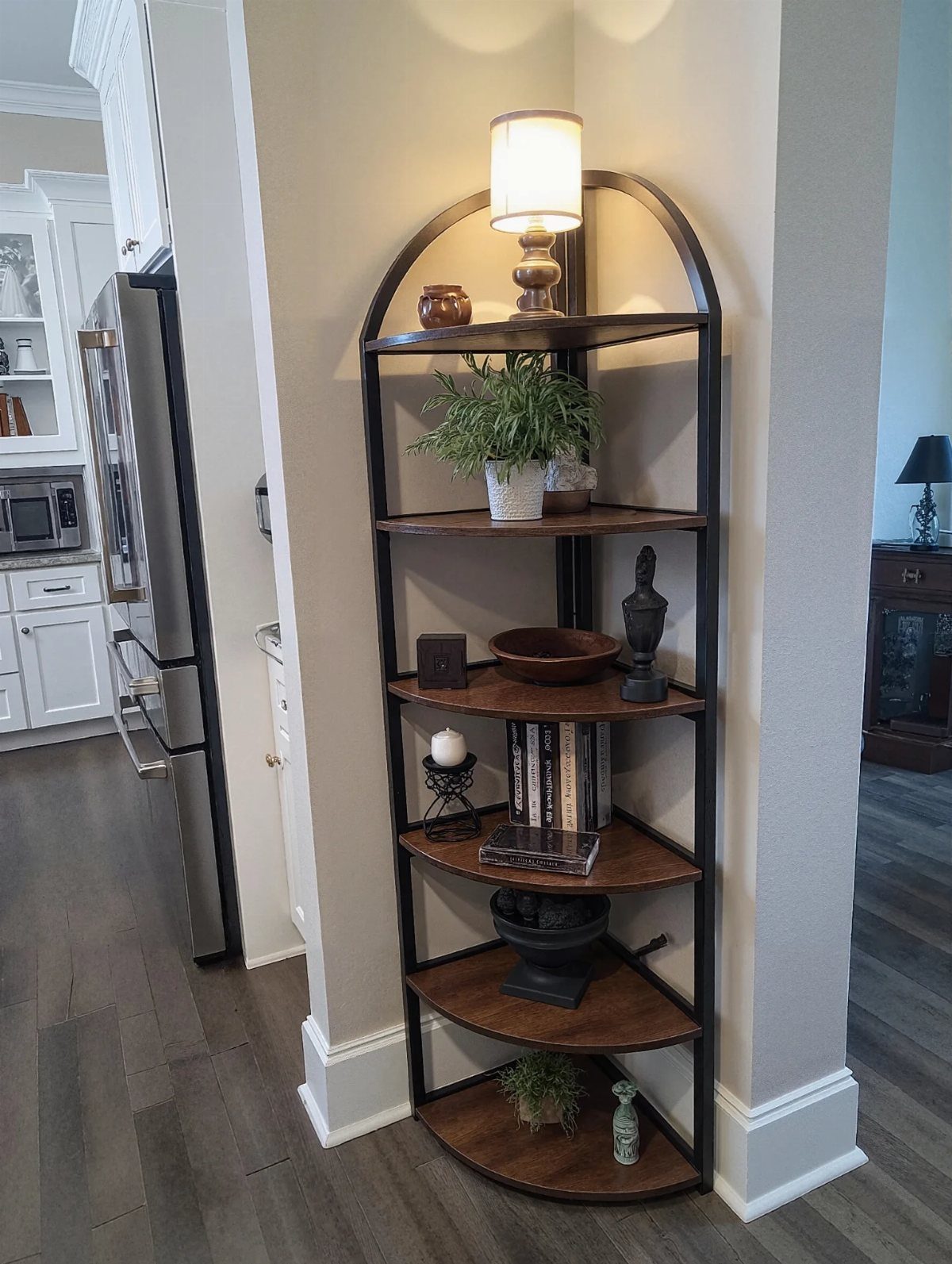
A corner bookshelf turns dead space into working storage without claiming floor area from the rest of the room.
Look for a unit that fits the corner’s footprint without blocking doorways or traffic paths. Most corner shelves taper as they rise, so the top tiers hold smaller items while the lower shelves take heavier books or baskets.
If the corner sits between 2 rooms, keep the back open so both sides stay visible. Solid-back units work better against a single wall.
2. Create a Reading Nook
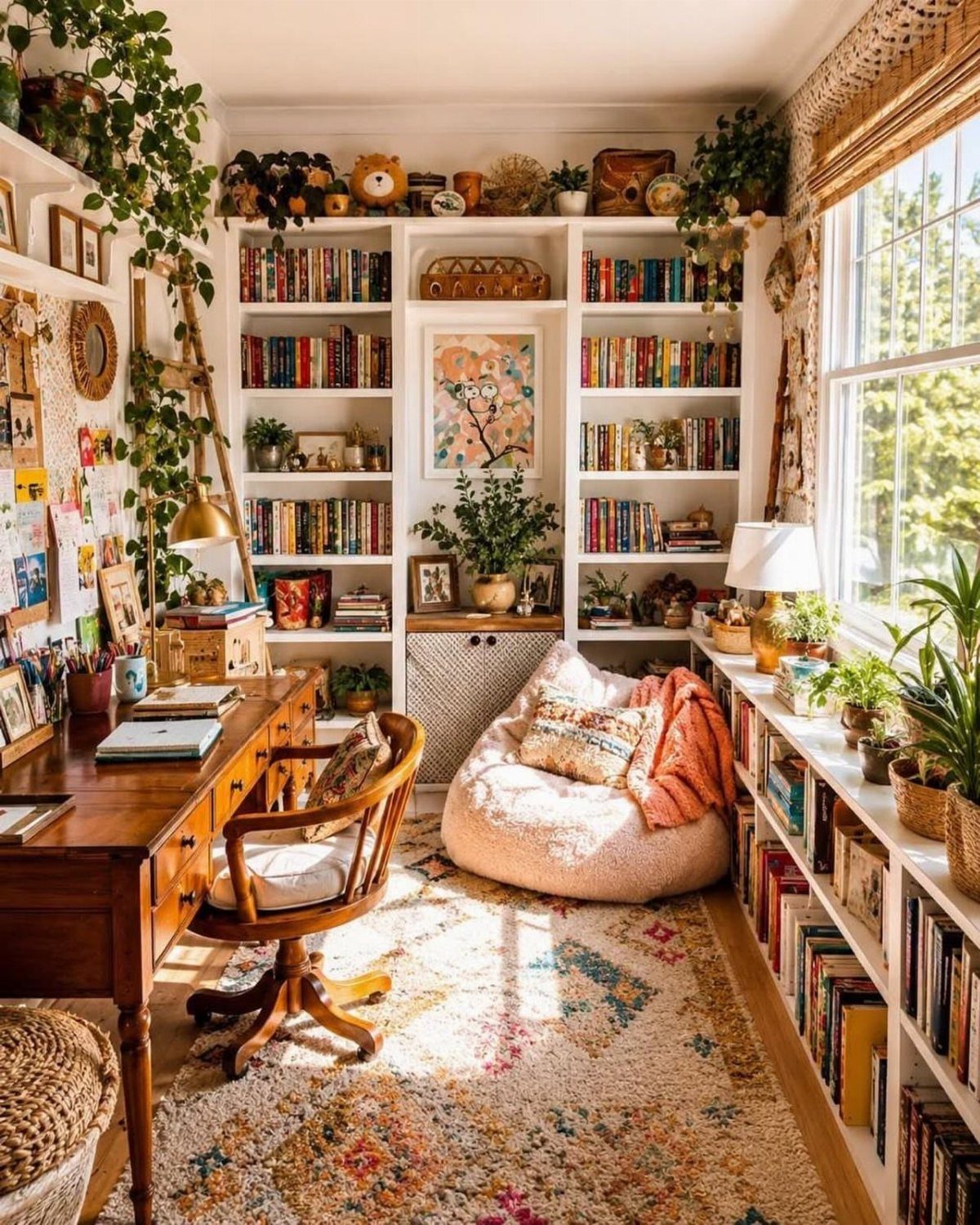
A reading nook claims a corner that would otherwise sit empty and gives you a dedicated spot to settle in with a book.
Start with seating low enough that you can lean back without needing a tall backrest. A beanbag or a floor cushion works, or use a small armchair if the corner has room for one.
Add a rug to define the zone, then bring in a shelf or a small side table to hold the current stack.
Good light matters.
If the corner has a window, position the seat to catch it. If the natural light runs out, add a floor lamp or clip one to the shelf.
3. Hang Floating Shelves
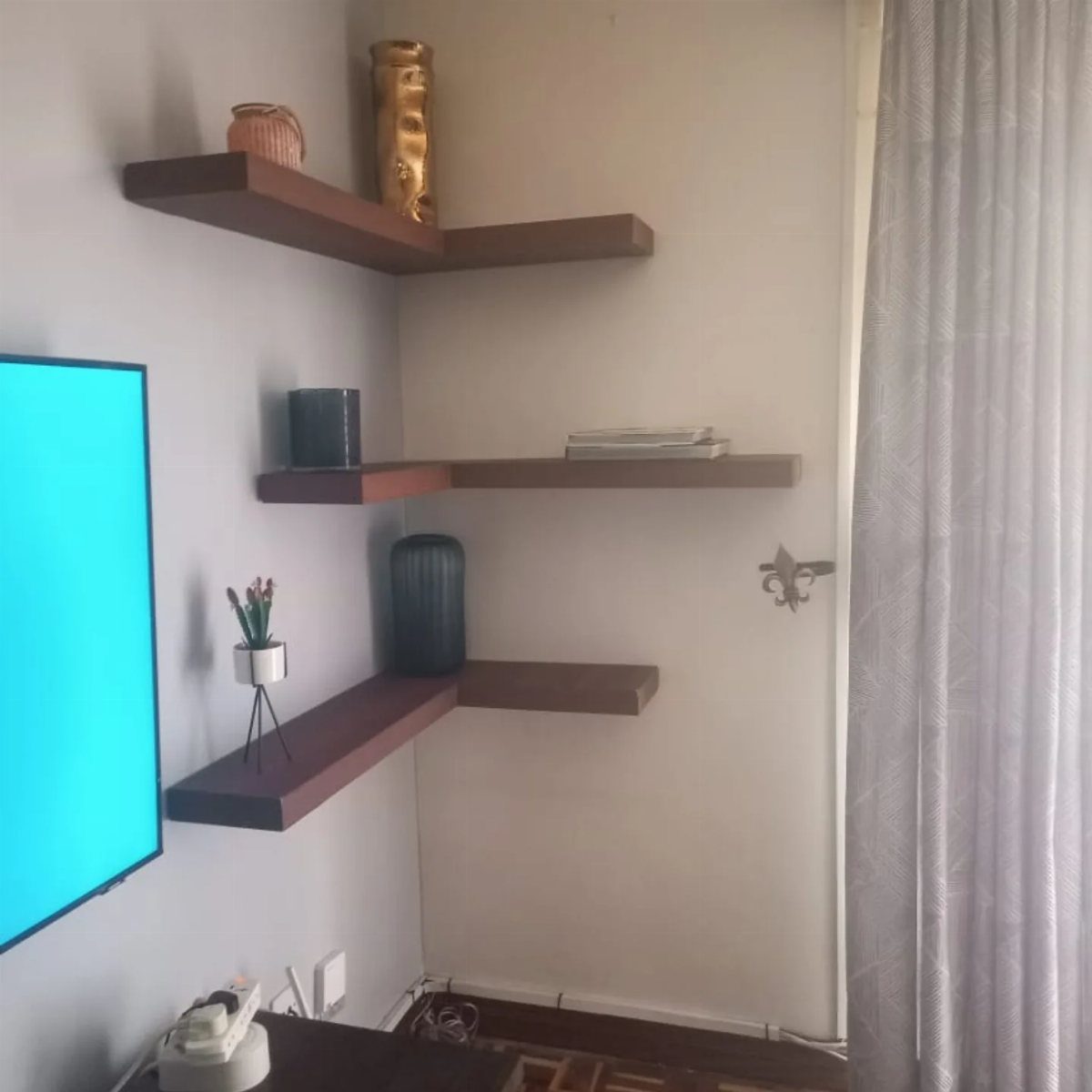
Floating shelves wrap the corner in 2 directions and give you display space without the bulk of a standing unit.
Install the first shelf at eye level, then space the rest so each tier has breathing room.
Corner shelves come in 2 styles: true corner units that mount to both walls, or individual shelves staggered across the angle. The first option holds more weight; the second lets you adjust the spacing as you go.
Keep the top tiers light. Lower shelves can take books or heavier decor.
4. Add a Desk
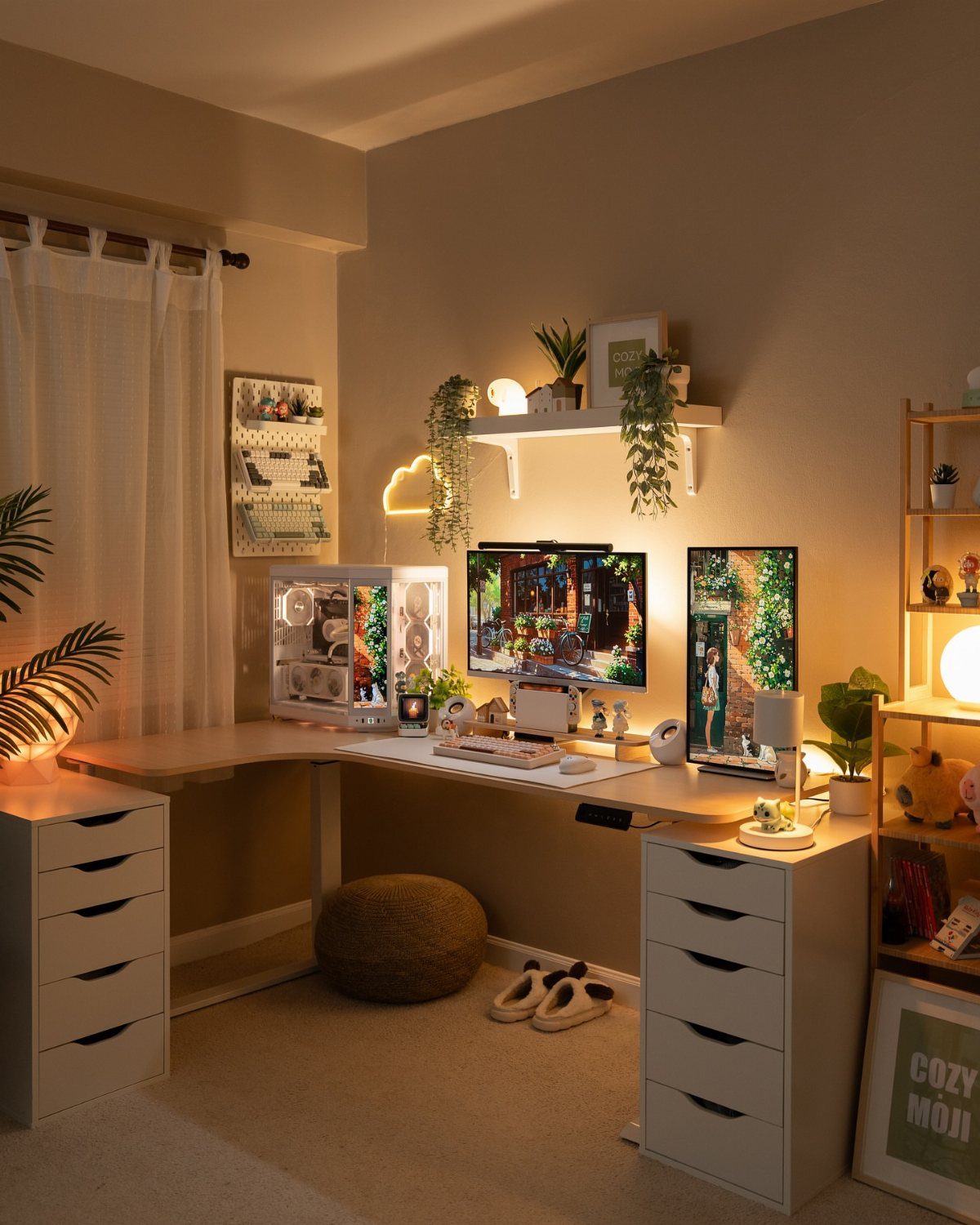
A corner desk carves out a workspace without cutting into the center of the room, and the L-shaped layout gives you surface area on 2 sides.
Measure the corner first.
You can size a custom top to fit tighter spaces. Mount the desktop to both walls if you want a clean look with no legs, or add a support leg at the outer corner if the span is wide.
A dual-monitor setup fits naturally here because the corner puts both screens at equal distance.
5. Gallery Wall
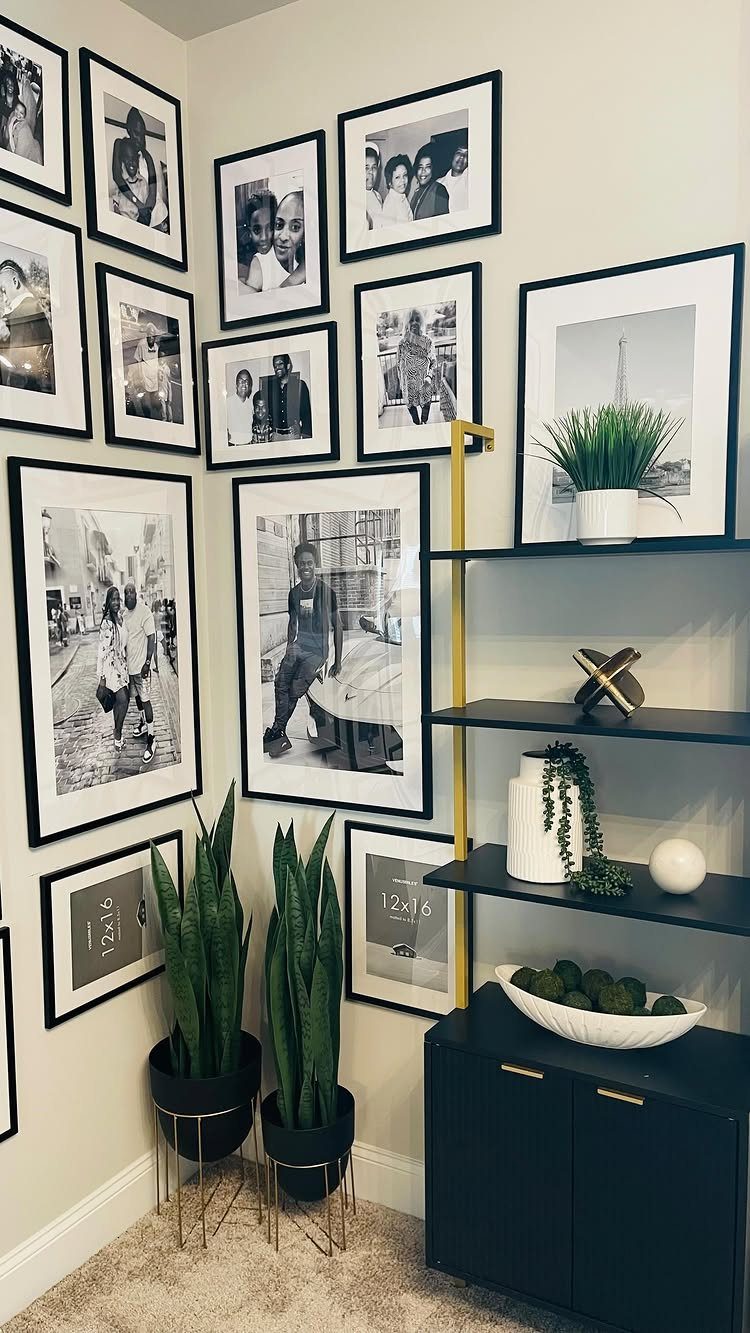
A gallery wall wraps the corner in 2 directions and fills vertical space that a single piece of art would leave bare. Black-and-white photos in matching frames hold a grid layout together even as it turns the angle.
Start by laying the frames on the floor and arranging them until the spacing looks even.
Then transfer that layout to the wall, working from the center out toward the edges. Corners benefit from symmetry, so mirror the frame count on each side if the walls are similar widths.
Stick to one frame style and one mat size. That consistency lets the images do the work without competing shapes.
6. Create a Bar or Coffee Cart
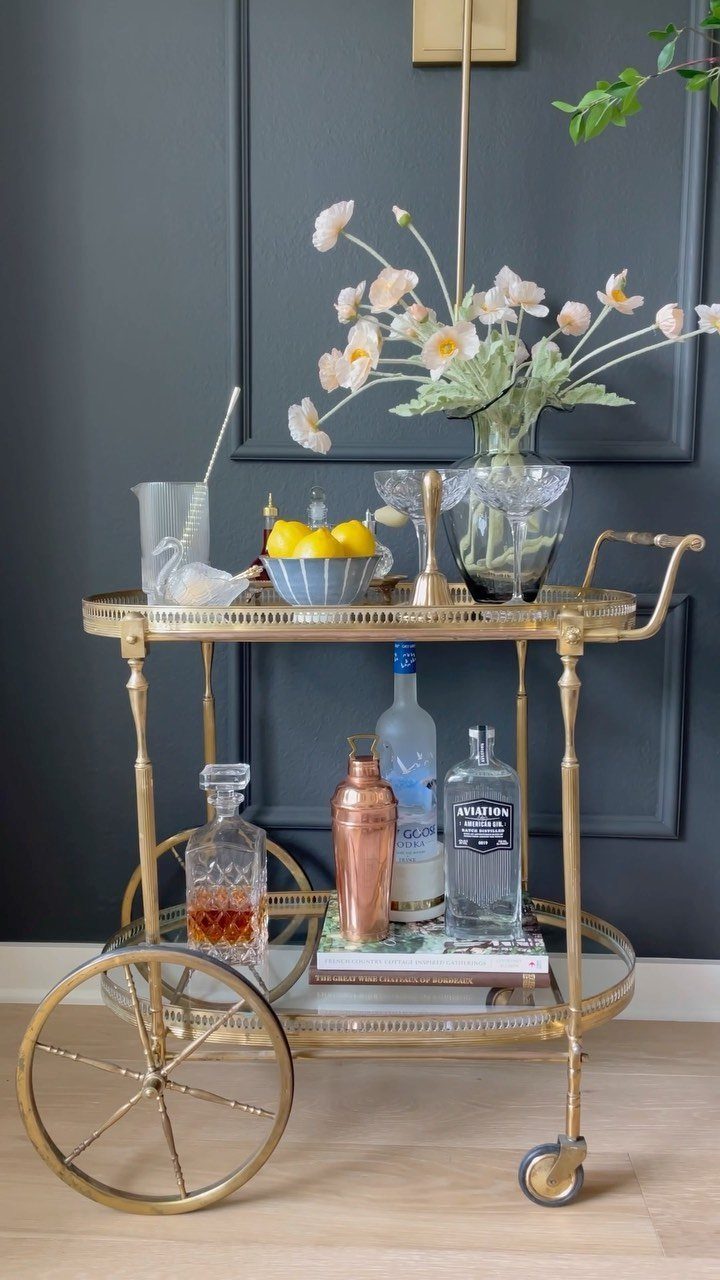
A bar cart stakes out a corner for drinks and glassware, and the 2-tier design keeps bottles on the lower level while the top holds a shaker, garnishes or a vase.
Look for a cart with the top tier near waist height.
Wheels let you roll it out when you need it and tuck it back when you don’t. Stock the bottom with bottles you reach for often, and use the top for prep space or a rotating display.
If you drink more coffee than cocktails, swap the bottles for mugs, a grinder and a kettle. The setup works the same way.
7. Use a Cabinet for Storage
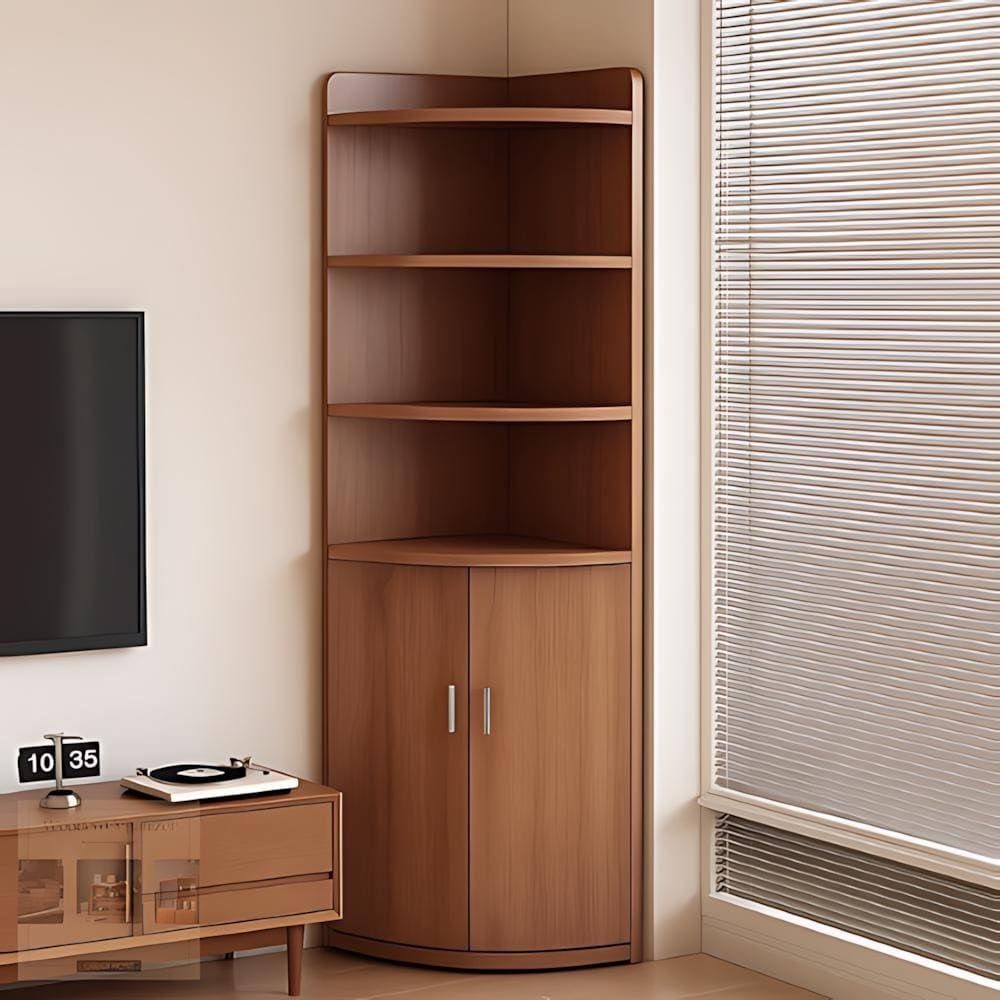
A corner cabinet with closed storage below and open shelves above gives you a place to tuck away clutter while keeping decor visible.
The closed section hides what you don’t want on display, and the open shelves hold books, plants or a rotating collection. Measure both walls before you buy so the cabinet clears the trim on each side.
Wood finishes warm up the corner. If the cabinet has adjustable shelves, set the spacing to match what you plan to put there.
8. Create a Cozy Seating Area
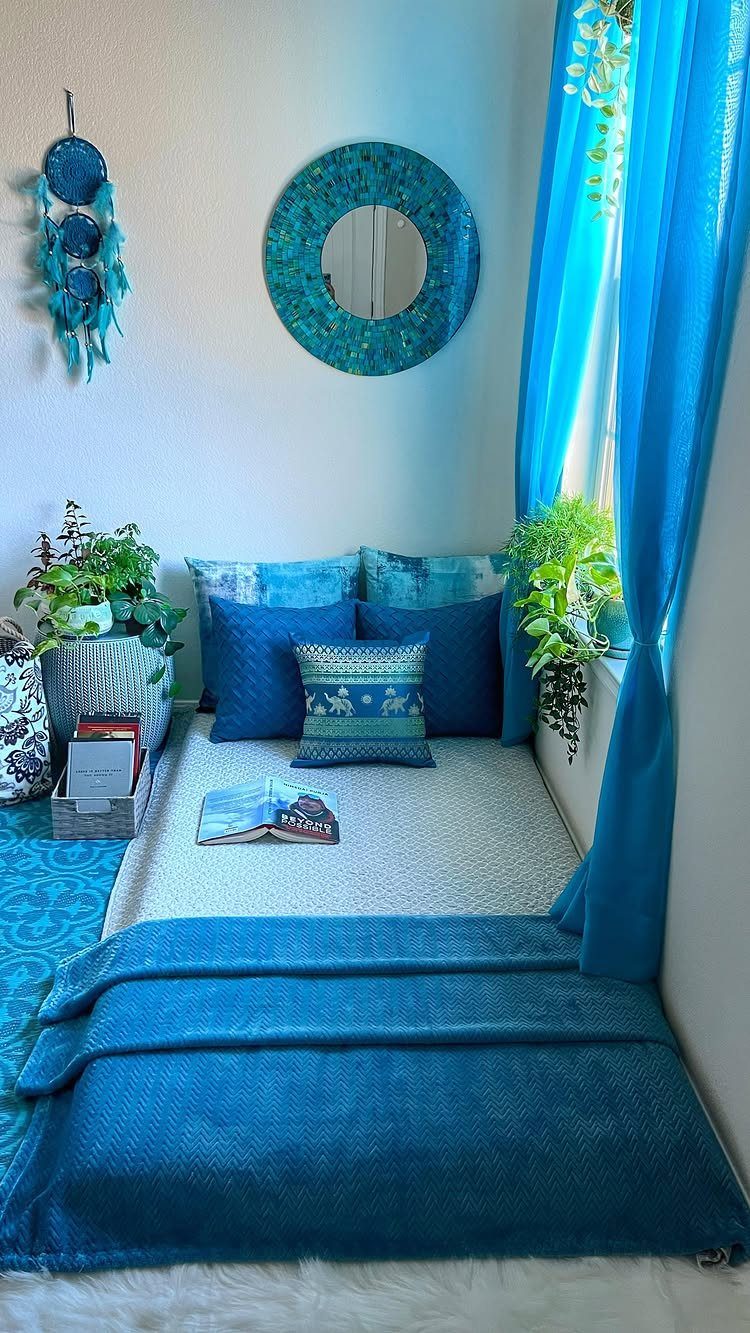
A corner seating area claims unused space and gives you a spot to sit that feels separate from the rest of the room.
Use a low mattress or a thick cushion as the base, then layer pillows and a blanket to make it comfortable.
A rug underneath defines the zone and keeps the cushion from sliding. Add a mirror or a shelf on the wall behind it to fill the vertical space.
9. Add a Round Accent Table
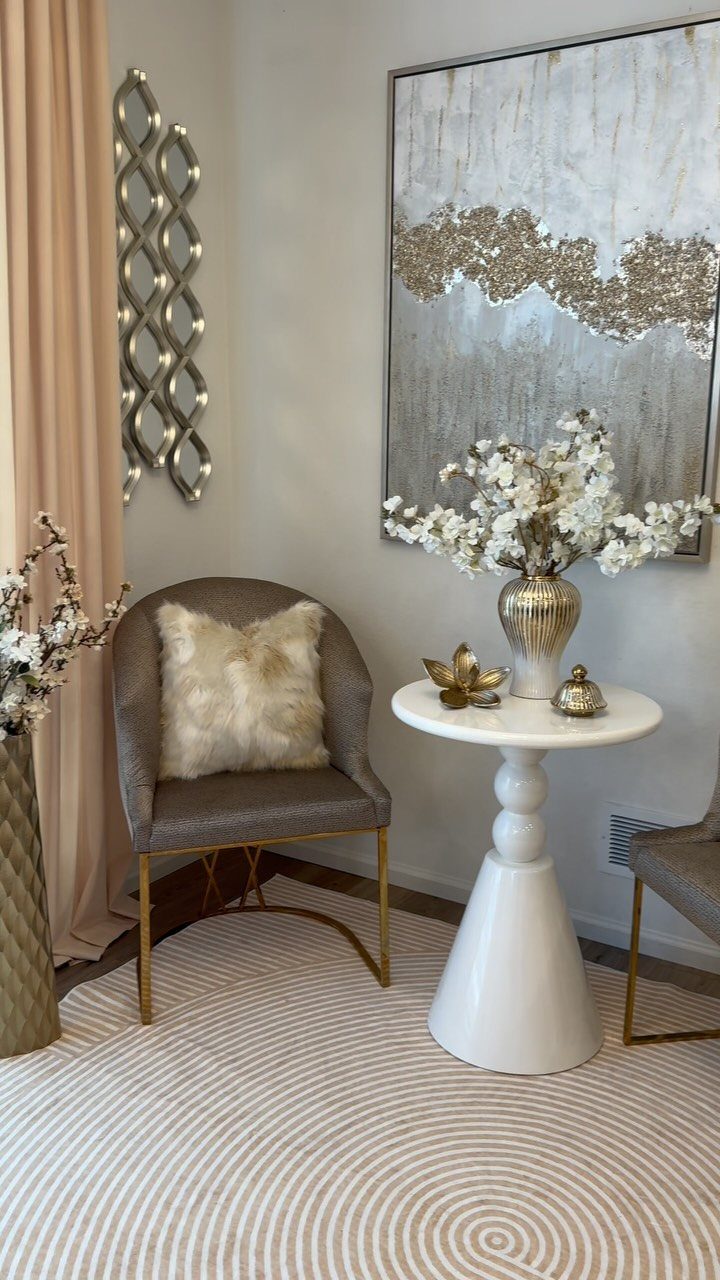
A round table softens the sharp lines where 2 walls meet and gives you a surface that works from any angle.
The circular top means no corners to navigate, so it fits tighter spaces without feeling blocky. Keep the diameter small enough that it doesn’t crowd the chairs or block the path into the corner.
White or light wood keeps the look airy. Use it for a lamp, a vase or a stack of books, and add a rug to anchor the table and the seating around it.
10. Add a Mirror
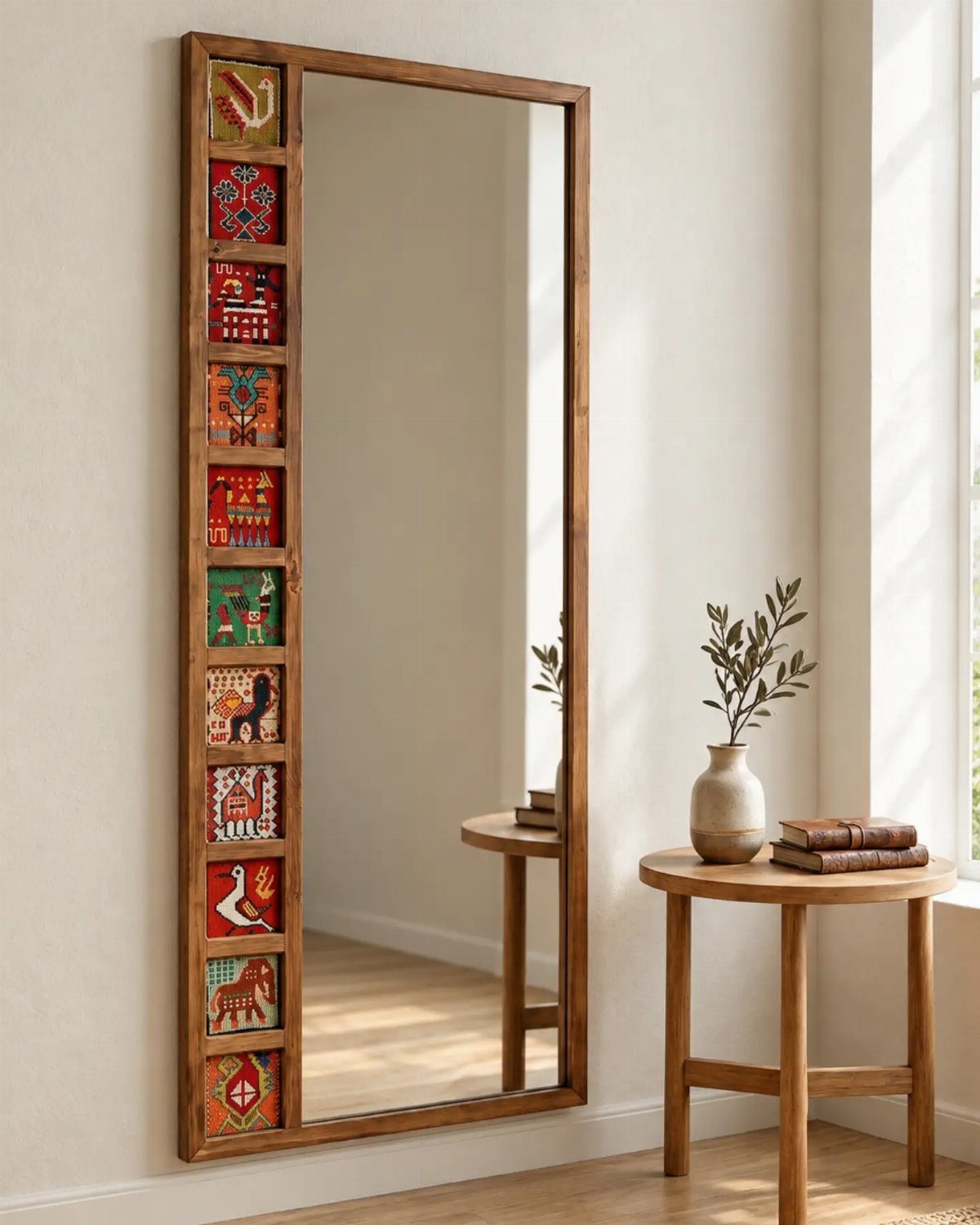
A floor mirror in the corner bounces light across the room and opens up the whole space.
Tall mirrors work better than wide ones in corners because they follow the vertical line without competing for width on both walls.
Lean it at a slight angle so it catches light from a window or a lamp across the room.
A statement mirror deserves a clean backdrop, so keep the rest of the corner simple and let the mirror do the work.
11. Incorporate a Console Table
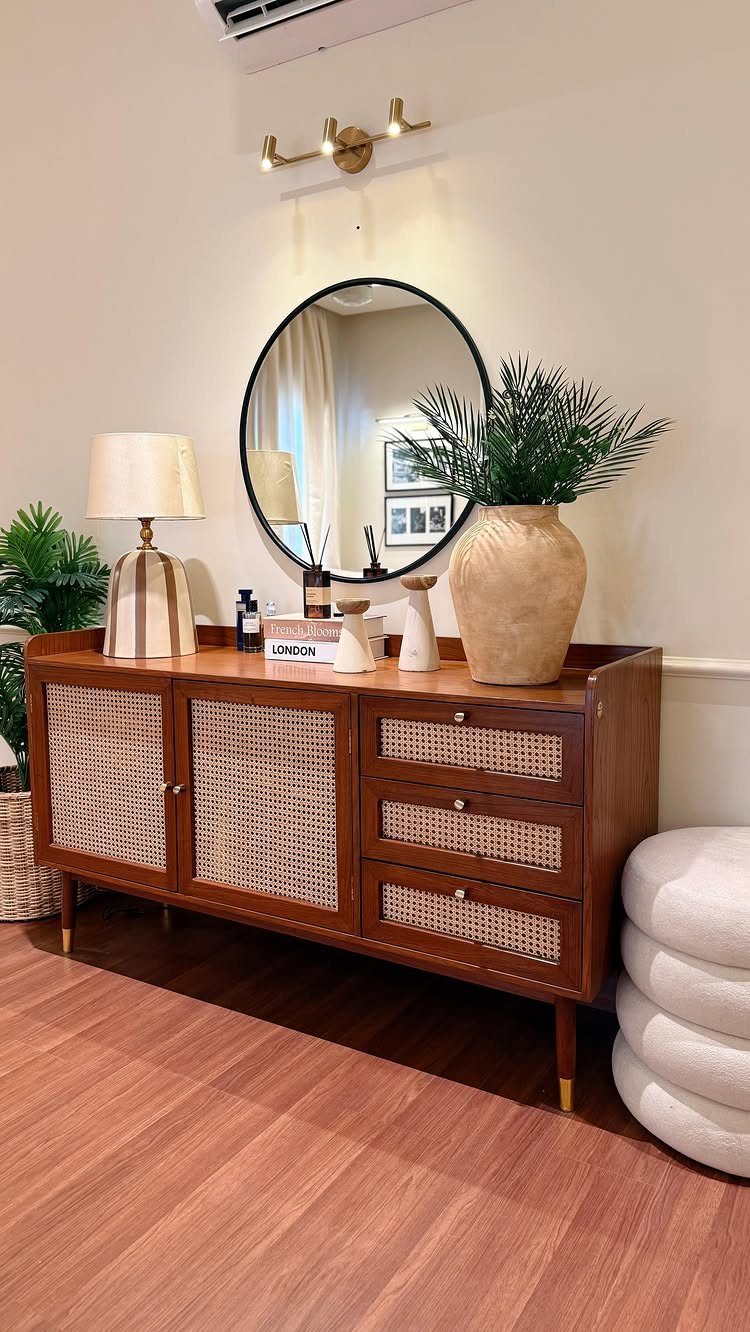
A console table fits into a corner without taking up much depth, and the surface gives you room for a lamp, a tray or a small stack.
Look for a table with legs that tuck close to the walls so it sits flush against both sides. The top should be wide enough to hold what you need but narrow enough that it doesn’t jut into the room.
Add a mirror above it to double the visual weight, or keep the wall bare if the table has enough going on.
12. Add a Plant
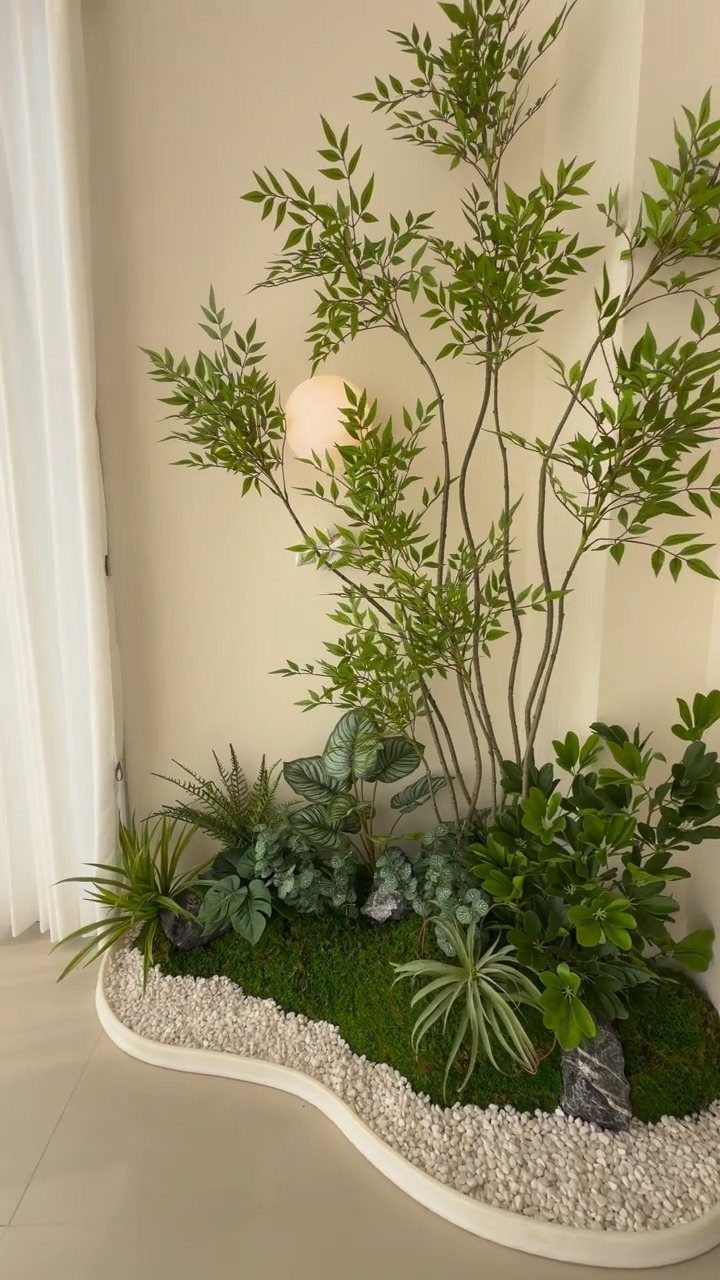
A corner garden clusters plants at different heights and turns the angle into a green focal point without needing furniture.
Start with a tall plant or a small tree in the back, then layer shorter plants in front.
Use white stones or moss to cover the soil and define the edge. A low border keeps the arrangement contained and separates it from the floor.
If the corner gets low light, pick plants that tolerate shade. Water less often in winter when growth slows.
13. Floor Lamps
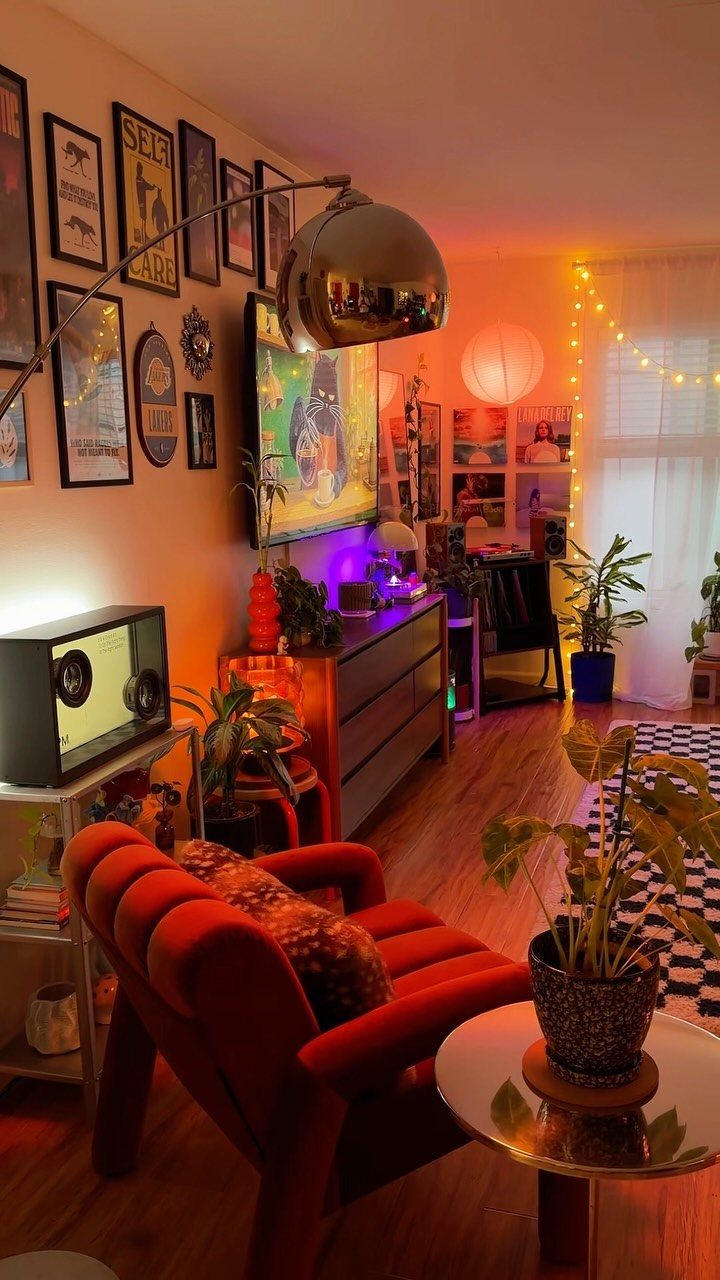
An arched floor lamp curves over the corner and directs light down onto a chair or a plant without needing a side table.
The arc puts the bulb where you need it while the base stays tucked against the wall.
Chrome or brass finishes catch light and add a reflective element to the corner.
14. Add a Blanket Ladder
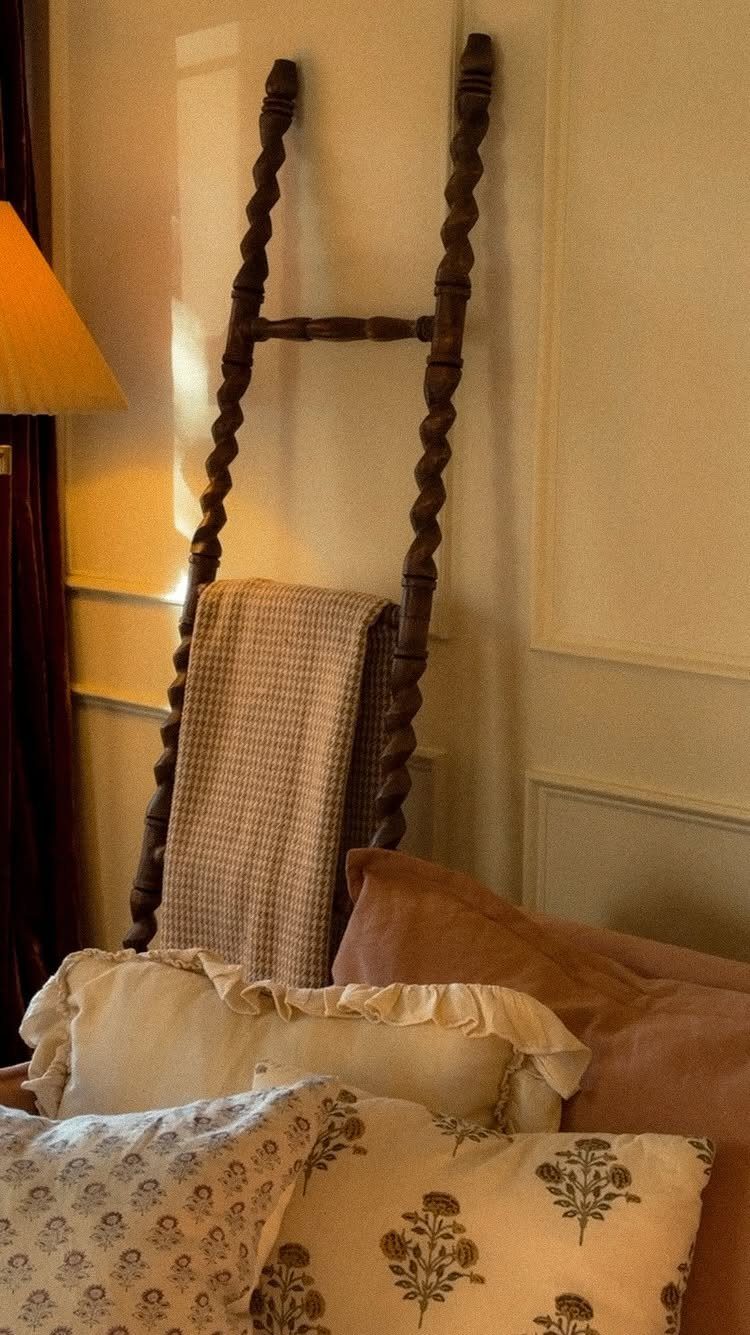
A blanket ladder leans into the corner and holds throws within reach without needing a basket or a chest.
The twisted or straight rungs let you drape several blankets so each one stays visible. Position it at an angle that clears the wall on both sides, and make sure the base sits flat so it doesn’t tip forward.
If you rotate throws seasonally, the ladder makes the swap quick.
15. Add a Cozy Throw Blanket
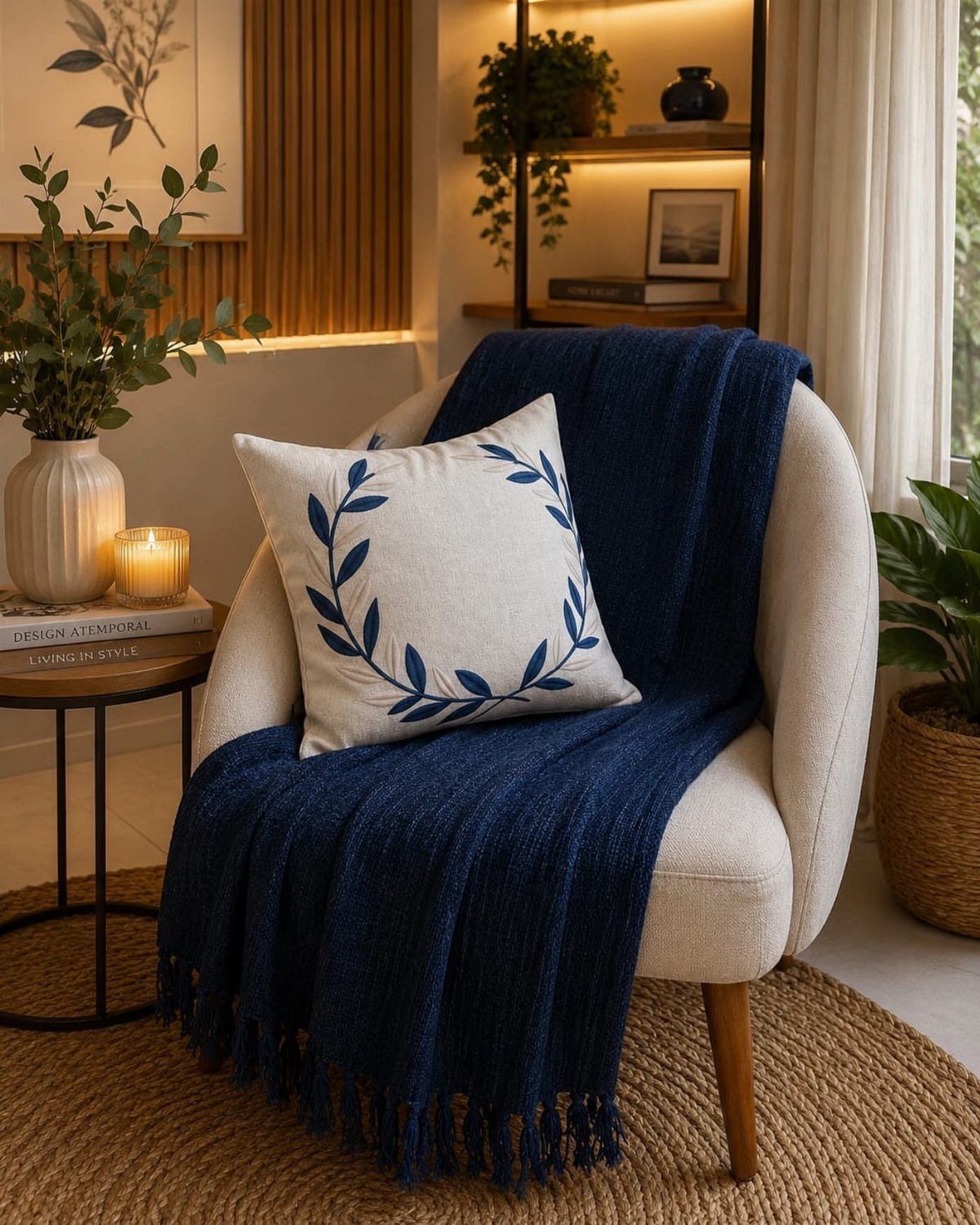
Draping a throw over the arm of a corner chair adds texture and gives you something to pull over when the temperature drops.
Pick a color that contrasts with the chair so the blanket reads as a separate layer.
Fold it loosely or let it fall naturally rather than tucking the edges in. Add a patterned pillow if the chair and the throw are both solid.
Knit or woven throws hold their shape better than fleece when draped.
16. Create a Pantry Corner
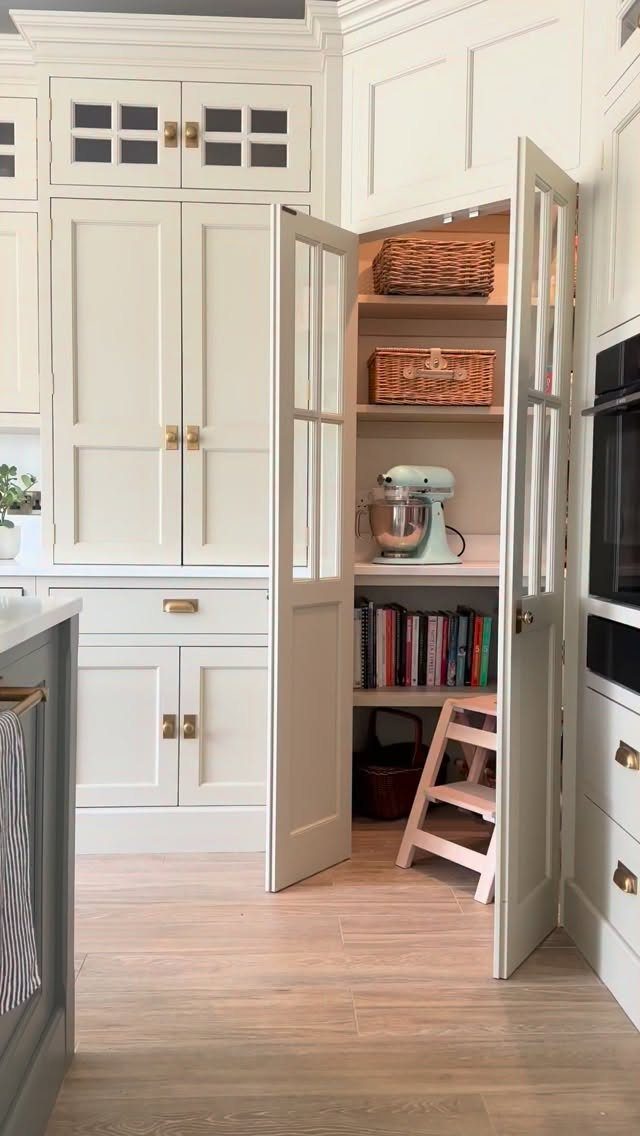
A corner pantry with open shelving turns unused kitchen space into storage for dry goods, small appliances and cookbooks.
Build the shelves floor to ceiling so every inch of vertical space counts. Use baskets on the upper shelves for items you don’t reach for daily, and keep frequently used ingredients at waist height.
A step stool gives you access to the top tier. Paint the interior white to reflect light and make labels easier to read.
Maximizing Small Spaces
Corners work harder when you build up instead of out. Shelving that reaches the ceiling holds more without claiming floor space, and tall plants fill the vertical line without furniture underneath.
Pick pieces that serve 2 purposes.
A console table with a lower shelf stores and displays at the same time. A narrow bookshelf tucked into the corner keeps books within reach while the top tier holds a lamp or a small plant.
Storage doesn’t need to hide. A small chest of drawers or a cabinet with a shelf beneath keeps the corner functional and lets you rotate what sits on top as the season changes.
Creating a Cozy Atmosphere
Soft textiles and warm light turn a corner into a space you actually want to use.
Lighting sets the tone. Add a small side table to hold a mug or a book, and the corner becomes a place to settle in.
Personal decor makes it yours. A vase of fresh flowers, a framed photo or a piece of artwork on the wall behind the seating pulls the corner together and gives you something to look at.
Choosing the Right Decor
Scale matters more in a corner than in open space.
A piece that’s too large crowds the walls and blocks the flow into the room. A piece that’s too small disappears against the angle.
Match the corner decor to what’s already in the room.
If the space leans modern, keep the corner clean with minimal shapes and light finishes. If the room has more texture, add warmth with wood tones or woven elements.
Height gives a corner presence.
A tall bookshelf, a floor lamp or a vertical plant arrangement follows the line where the walls meet and draws the eye up. Use stands or shelves to lift smaller items so they read from across the room.
Frequently Asked Questions
How do I turn a corner into a reading nook?
A beanbag, floor cushion or small armchair gives you the seat, and a rug marks the space as its own zone.
Bring in a shelf or side table for books and position a floor lamp or clip light where you need it. When there’s a window, position the seat where it gets that natural light.
What’s the easiest way to brighten a dark corner?
Add a tall floor lamp or a wall-mounted sconce. The base sits flat against the wall and the bulb arcs forward, so it can light a chair or plant without taking up floor space in the middle of the room.
What corner decor works best for bedrooms?
A floor mirror, a tall plant or a small corner desk all work without taking up much floor space. A mirror bounces light and opens the room, while a desk carved into the corner gives you workspace on 2 sides.






