
Which of these pieces belongs on your patio depends on whether you can fix anything to the space: renters are better off with what snaps together, stacks or folds away, like the floor decking tiles and the MARIUS stool, while owners can add a gazebo-like cover or a sturdy outdoor storage unit.
The list runs from a stool and a few outdoor cushions up to the SOLLERÖN modular sofa, which you can build in sections as the budget allows.
1. Outdoor Storage Solutions
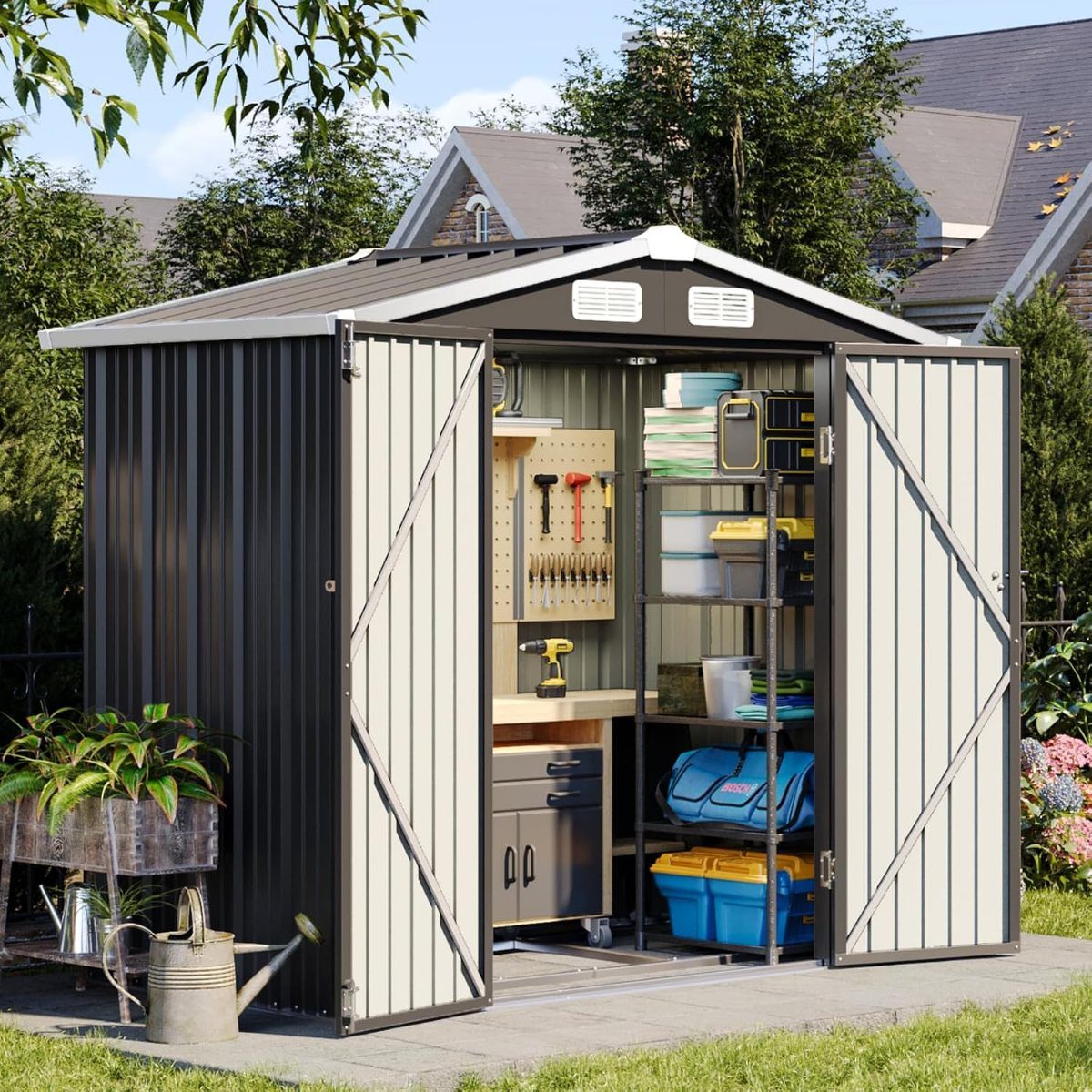
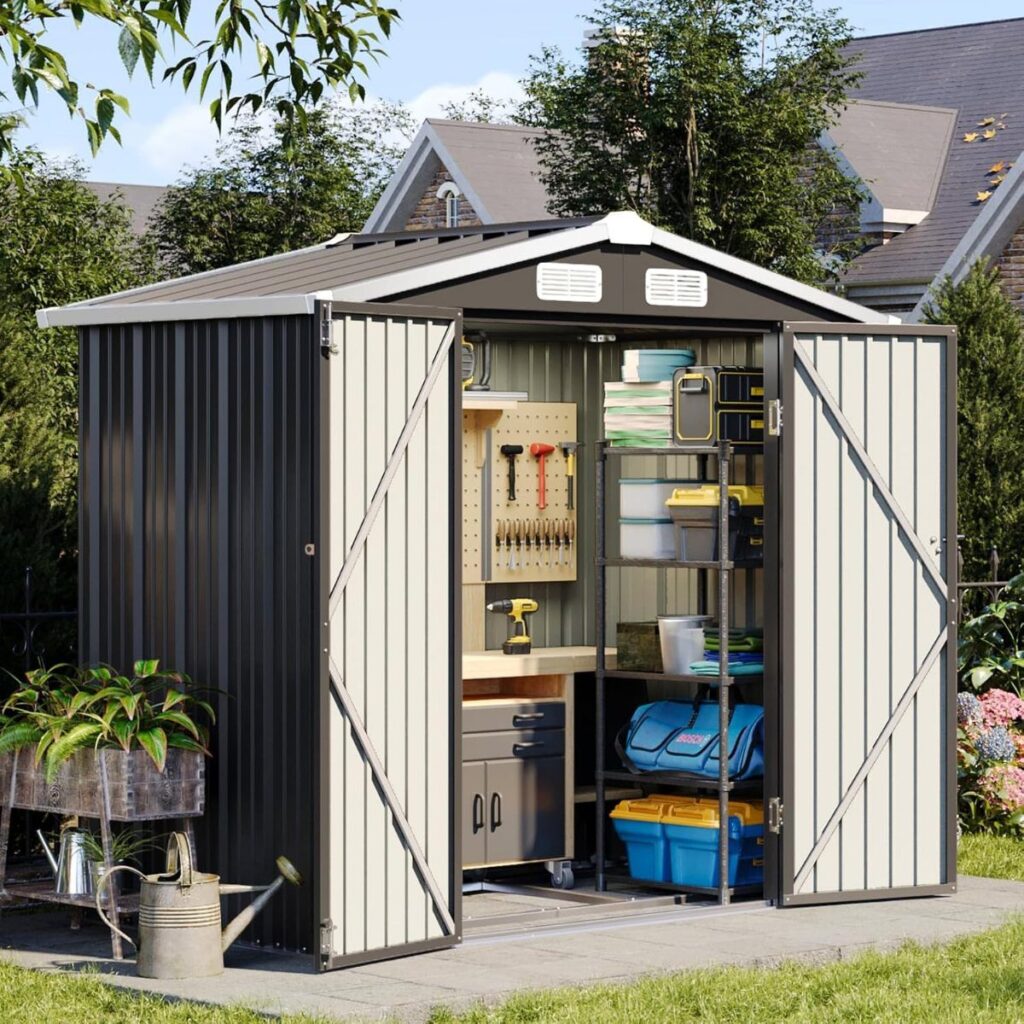
A freestanding metal shed with doors that open wide keeps the mess of outdoor living out of sight, and that’s worth more than it sounds.
Cushions, tools and the grill cover all need a dry home, or they end up piled on the patio.
Shelving along the back wall and a workbench make the space usable, not just a closet. Group like items on each shelf so you can find things without unloading everything.
Measure your patio before you commit, since a shed needs a flat, clear footprint.
2. SOLLERÖN Modular Sofa
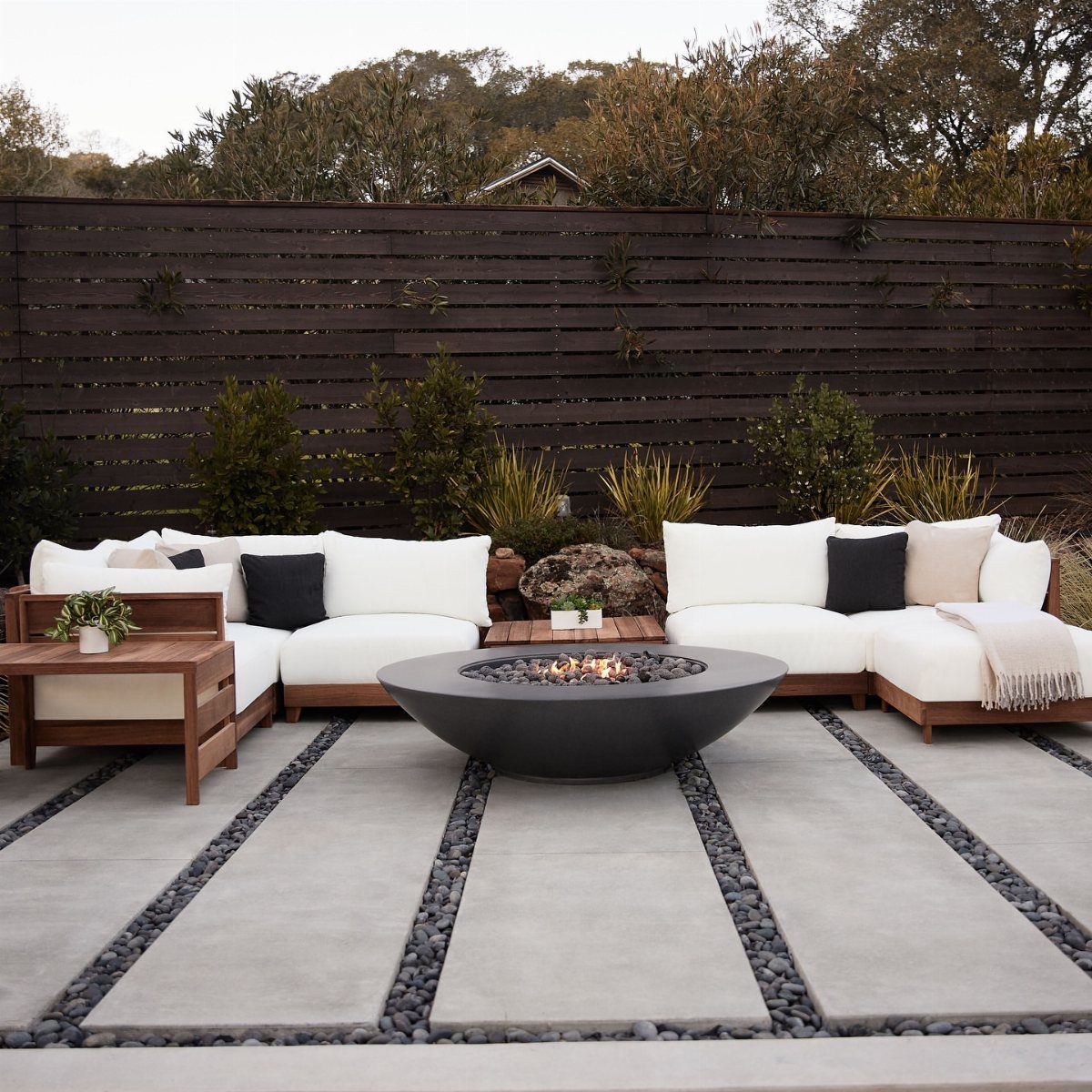
White modular sofas look expensive mostly because of the clean lines, and the SOLLERÖN is built around that look.
Its pieces can be rearranged, so you can start with a short run and add sections later when the budget allows.
Black pillows against white upholstery give the strongest contrast, and I would copy that. Put a small wooden side table within arm’s reach.
White shows dirt faster than darker shades, so expect to wipe it down regularly.
3. Hammocks
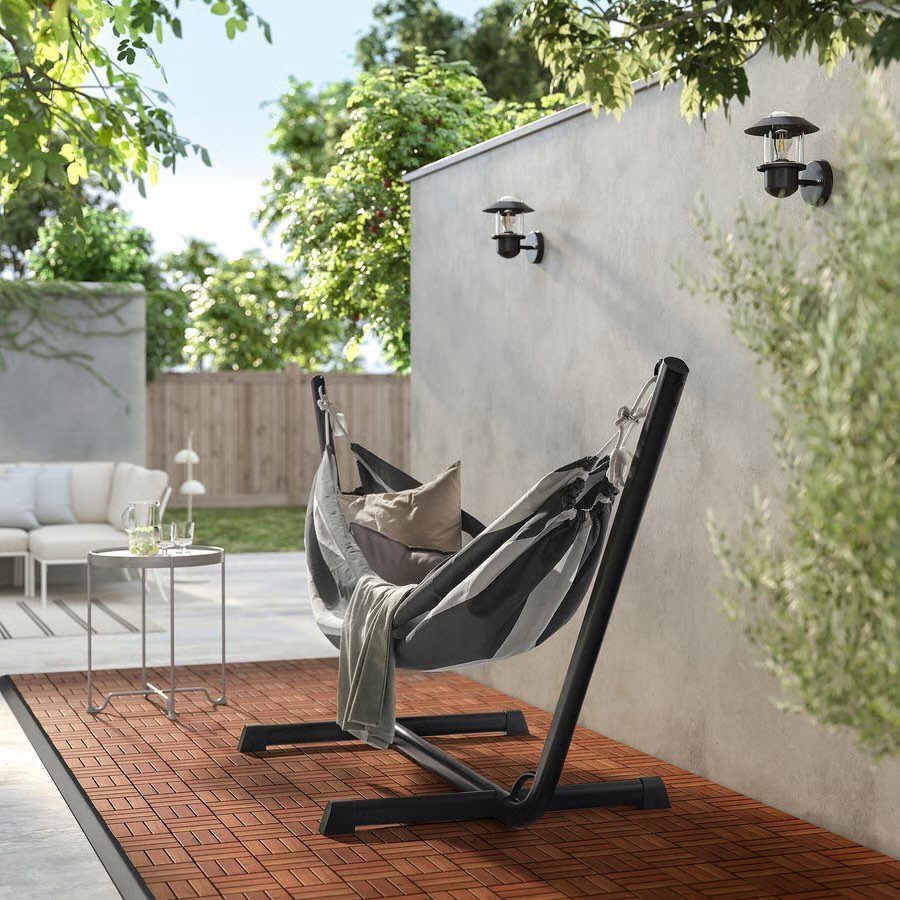
Hammocks give a small deck a real place to lie down without taking the floor space a daybed would.
A black metal stand takes the place of 2 trees or posts, so a hammock works on renter-friendly decking tiles or a bare patio.
A striped fabric in grey and white hides a bit of wear and pairs easily with most outdoor colors.
Leave several feet of open space around the stand so the hammock can swing freely. Pick a spot with some shade, because lying in direct sun gets hot fast.
4. Outdoor Cushions
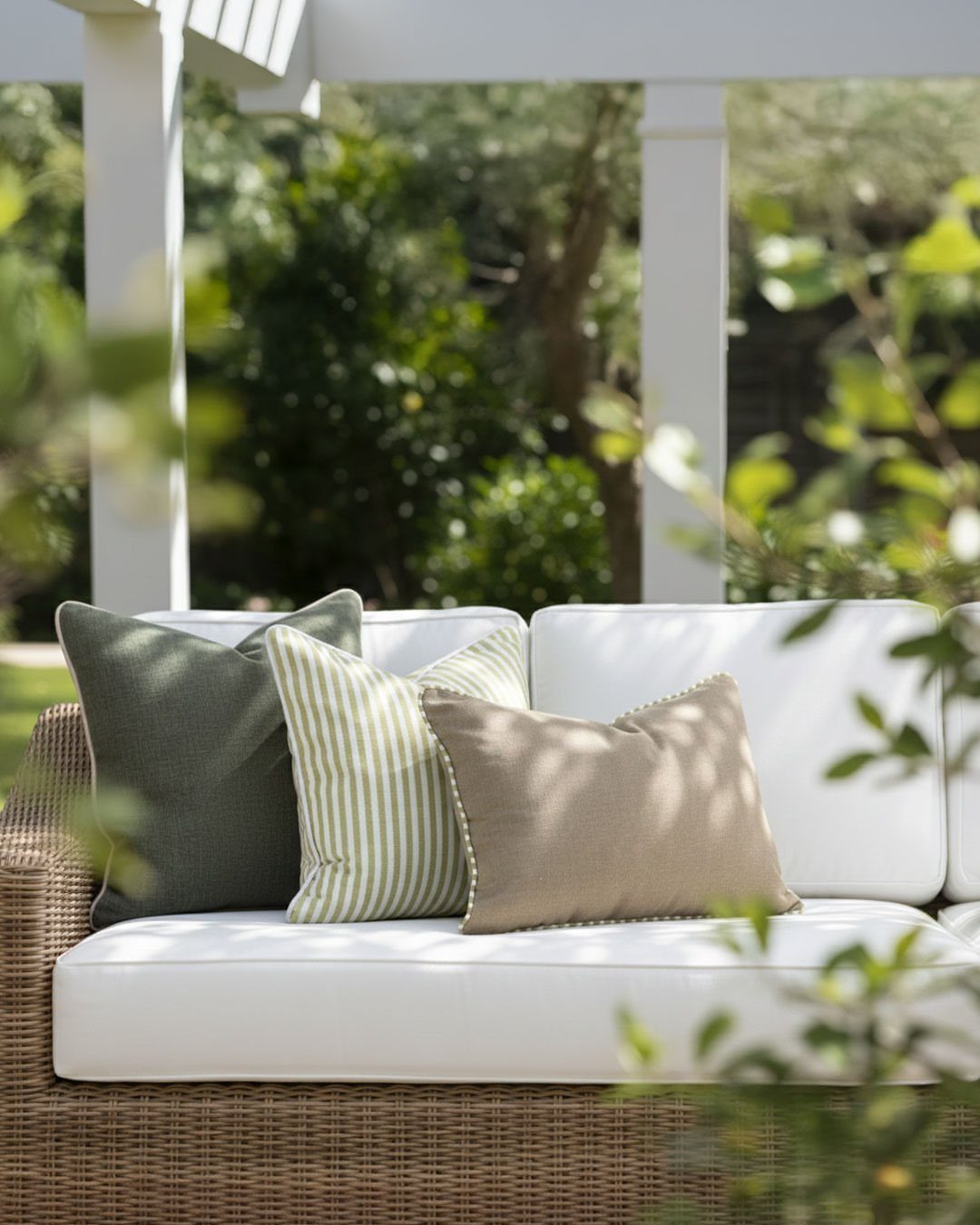
Cushions are the cheapest way to change how a porch sofa looks and feels. Layer 2 or 3 accent pillows in a green, a stripe and a tan over plain white seat cushions, and the whole wicker piece looks styled.
Choose covers you can pull off and wash, since outdoor fabric collects dust and pollen quickly.
I would keep the big seat cushions neutral and spend the fun on the small pillows, which cost less to swap when you tire of them.
5. Umbrellas and Gazebo-like Covers
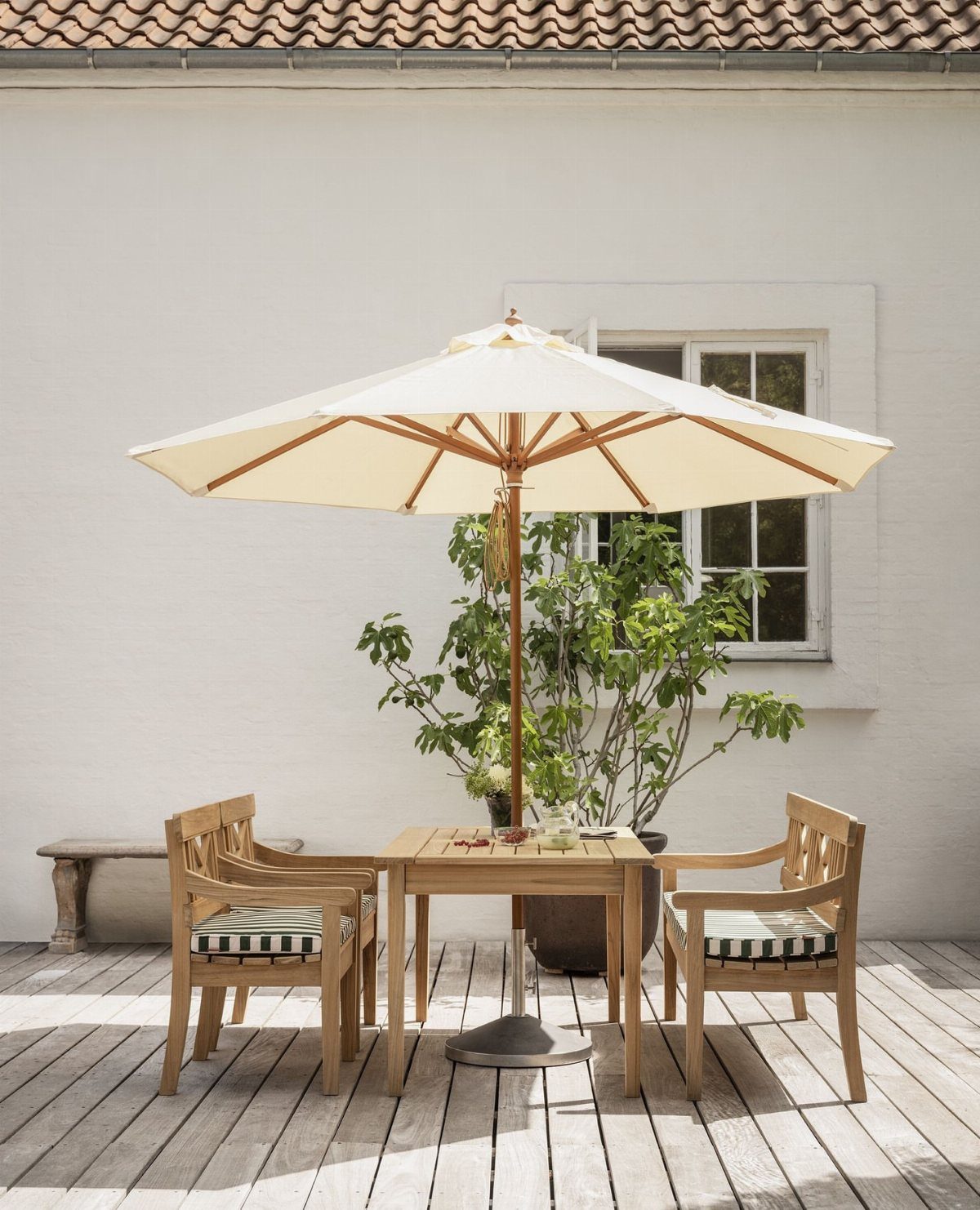
A cream umbrella over a dining table does 2 jobs: it cuts glare at the meal and softens a hard deck with a warm, light color.
Make sure the canopy is wide enough to cover the table and the chairs pulled out from it.
If your space allows, a gazebo-like cover gives more shade and a more permanent feel, but it costs more and takes more room. For most renters, the umbrella is the easier call.
6. APPLARO Dining Sets
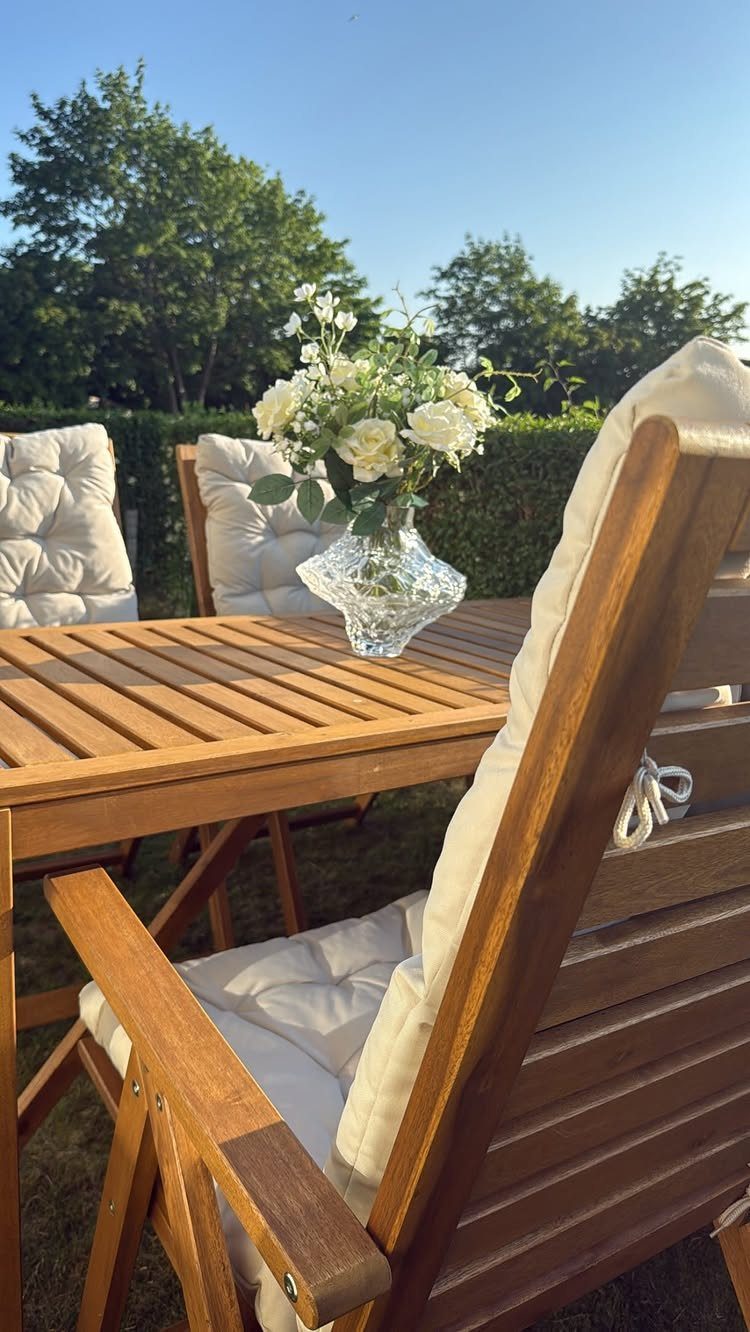
A matching table and chairs takes the guesswork out of outdoor dining, and APPLARO sets are priced for budgets that don’t have room for designer furniture. The wood tone looks warm on grass, and white cushions brighten it.
Tufted white cushions look good but show spills, so keep a damp cloth handy.
Check that the chairs tuck fully under the table if your space is tight.
7. MARIUS Stool
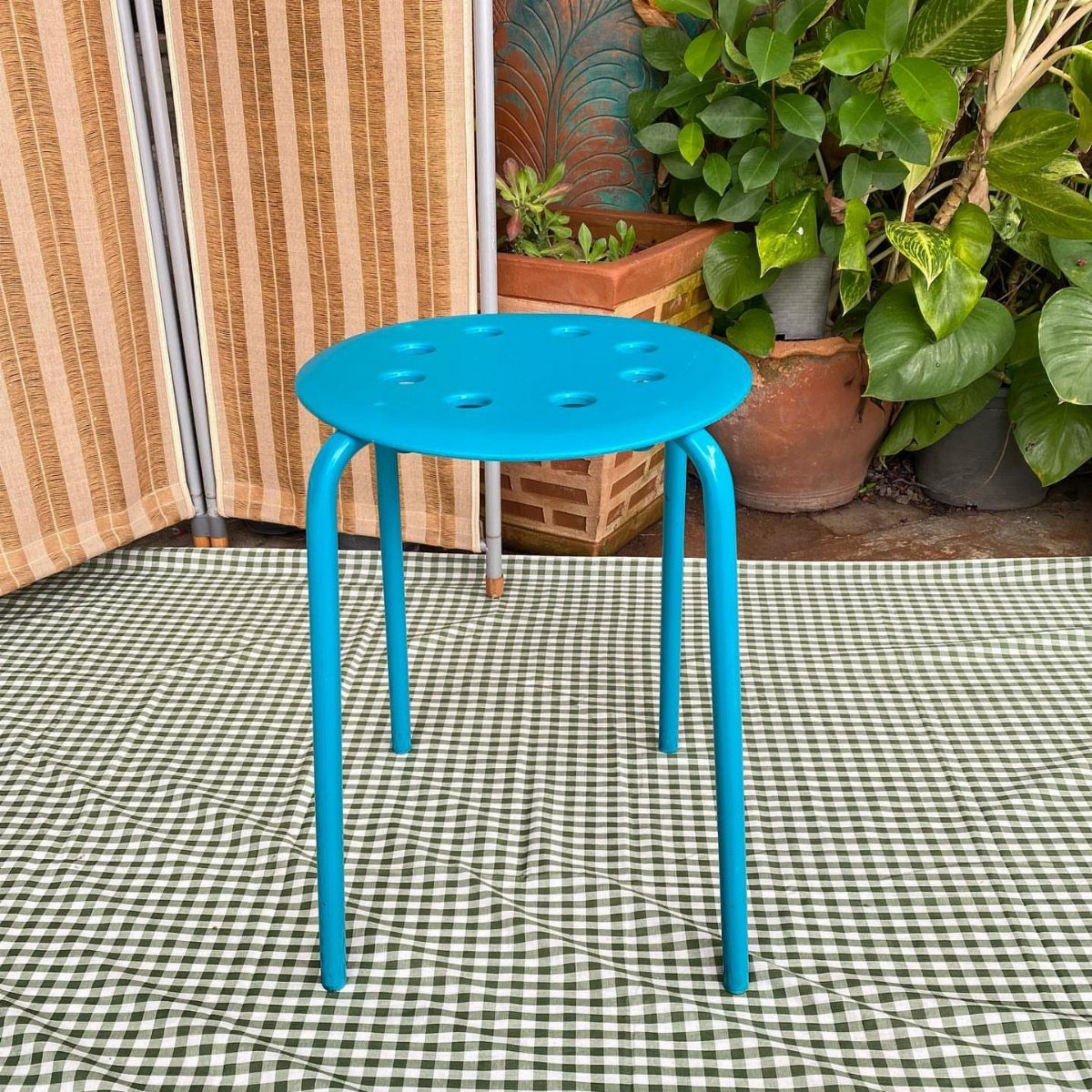
A stool this light can sit by the door until someone needs a seat, then move to the plant corner or tuck beside a table.
Stackable pieces store in a tight stack, so a few extra stools cost little floor space. I would set one on a rug as a side table too, so it earns its spot between guests.
8. RUNNEN Floor Decking Tiles
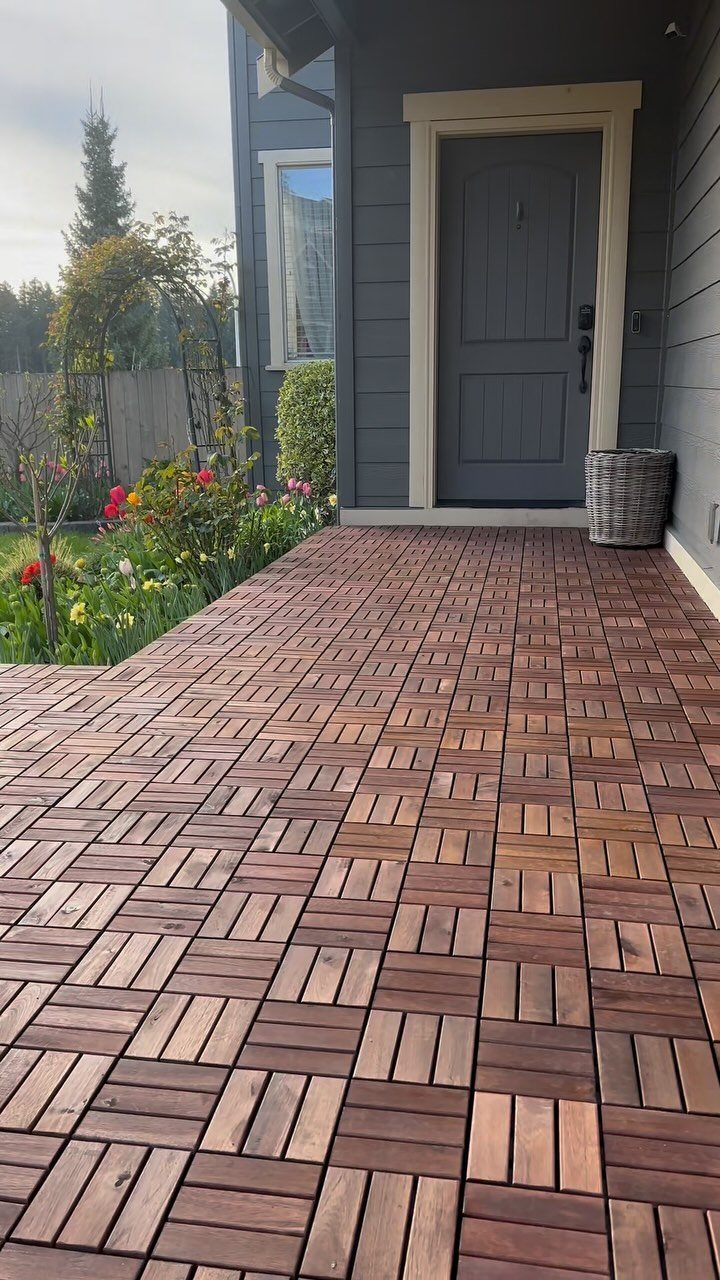
Teak-style interlocking tiles turn a bare porch floor into warm wood tones with no tools and no glue. They snap together, so a renter can cover the area and lift it again when the lease ends.
Brown suits a grey door well, and a wicker basket and a few flowers keep it from feeling heavy. Measure the porch first and buy a few extra tiles for cut edges and mistakes.
Sweep the surface clean before laying, since grit under the tiles keeps them from sitting flat.
Budget-friendly Options
IKEA’s outdoor line covers a wide range of budgets, so you can furnish a patio in stages instead of buying everything at once.
Start with the piece you will use most, like a seat or a dining table, and add the rest as money allows.
Set a total number before you shop, then split it across seating, a table and soft goods. Small items add up faster than people expect, and the cushions and covers are the easiest place to overspend.
Compare the price of a full set against buying pieces one by one. Sets often cost less, but separate pieces let you skip what your space can’t hold.
Care for Outdoor Furniture
Cover your furniture whenever bad weather is coming, and during long stretches when nobody is using it.
A fitted cover keeps rain, pollen and sun off the frame and fabric, which protects how the set looks and how long it lasts.
Pick a cover sized to the piece, since a loose one catches wind and a tight one tears at the seams. Let furniture dry before covering it, because trapped moisture can leave musty smells.
Bring cushions inside, or into a storage box, when a storm is forecast. Wipe frames down a few times a season to keep dirt from settling in.
Styling Outdoor Spaces
Simple, modern pieces are the easiest to style because they don’t compete with what you add. A dark gray or black set pairs with nearly any cushion color or throw blanket, so you can change the look with the seasons.
Add finishing touches in layers: soft goods first, then a few decorative items. Stop before the surface fills up, since clutter makes a small patio feel smaller.
Keep a place for the extras when you aren’t using them. A tidy patio looks styled even with very little on it.






