
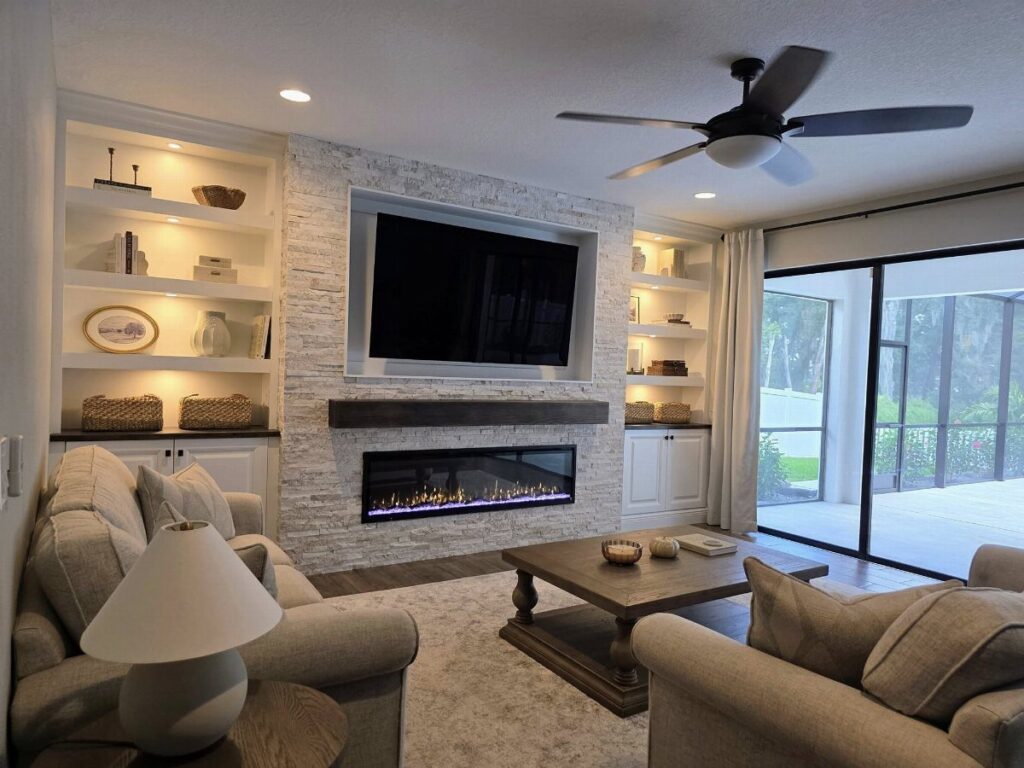
A fireplace surround runs from a few hundred dollars for painted brick to several thousand for carved stone or a dual-sided unit, and the material you choose changes how much heat the surface can take and how the texture reads in the room.
If you burn wood regularly, sealed tile or metal surrounds clean up easier than porous materials that hold onto soot.
1. Painted Brick
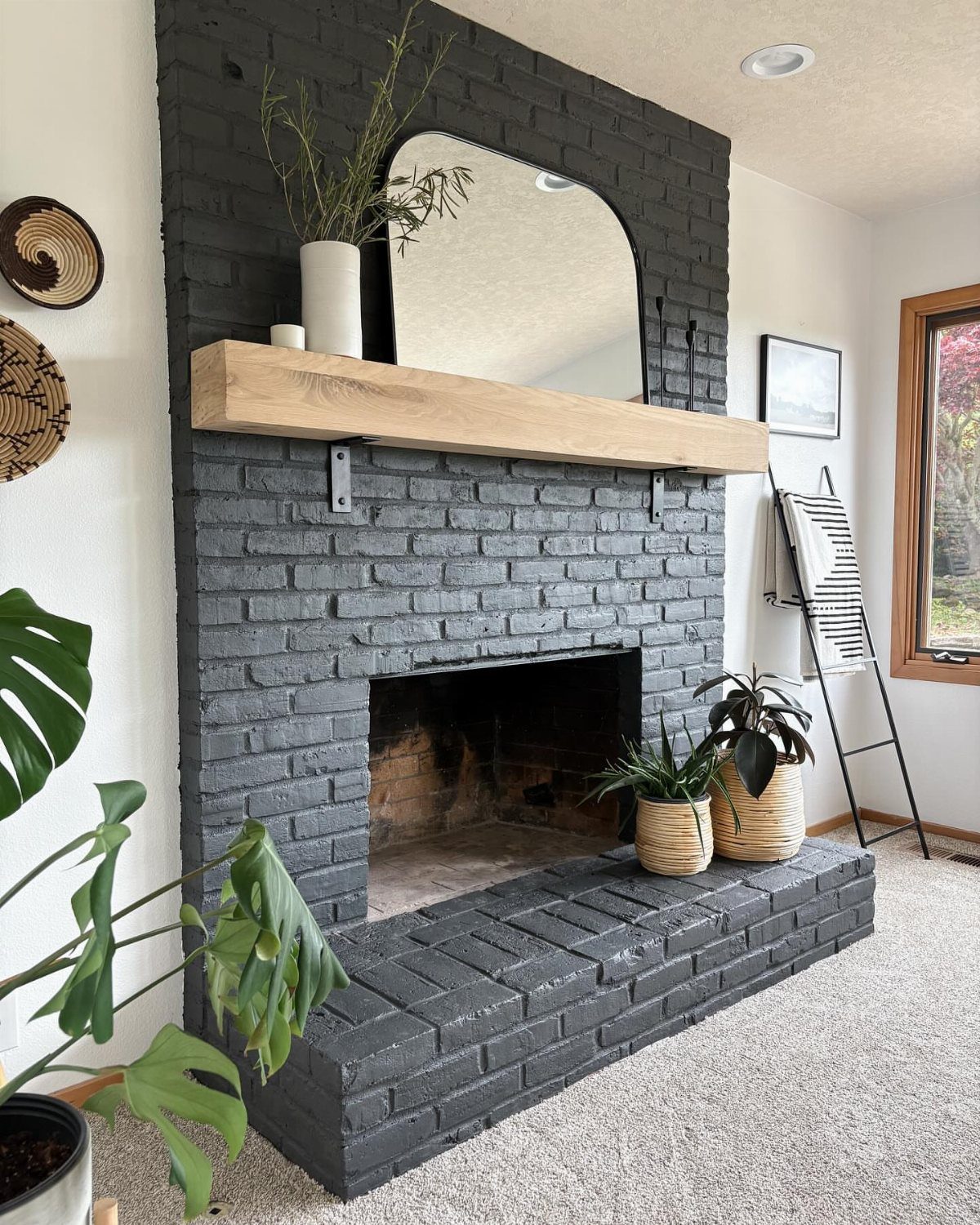
Painting brick refreshes a dated fireplace without the cost of replacement. The finish hides uneven mortar and staining that plain cleaning won’t fix, and the color choice sets the tone for the room.
Choose a flat or matte paint formulated for masonry.
Prep takes longer than the painting itself: scrub the brick with TSP, let it dry completely, then apply a primer made for porous surfaces. 2 coats of paint usually cover well.
Gray reads modern and pairs with most furniture. White stays classic but shows soot faster if you burn wood regularly.
2. Mosaic Tile Surround
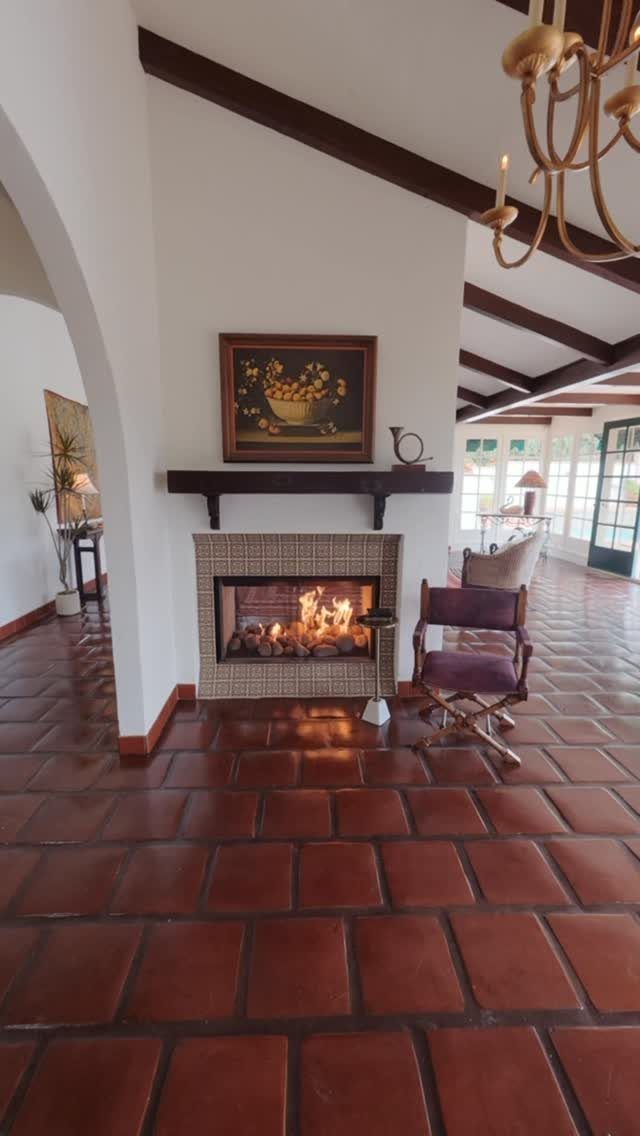
Small-scale mosaic tile wraps the fireplace opening and brings pattern without taking over. The individual tiles catch light differently than a solid slab, and the grout lines add texture up close.
Glass and ceramic mosaics handle the heat around the firebox.
Sheets come mounted on mesh backing, which speeds installation but still requires careful alignment at the corners. Seal the grout once it cures to keep it from darkening over time.
The color options run wide. Two or three tones hold the pattern back from competing with the rest of the room.
3. Monochrome Fireplaces
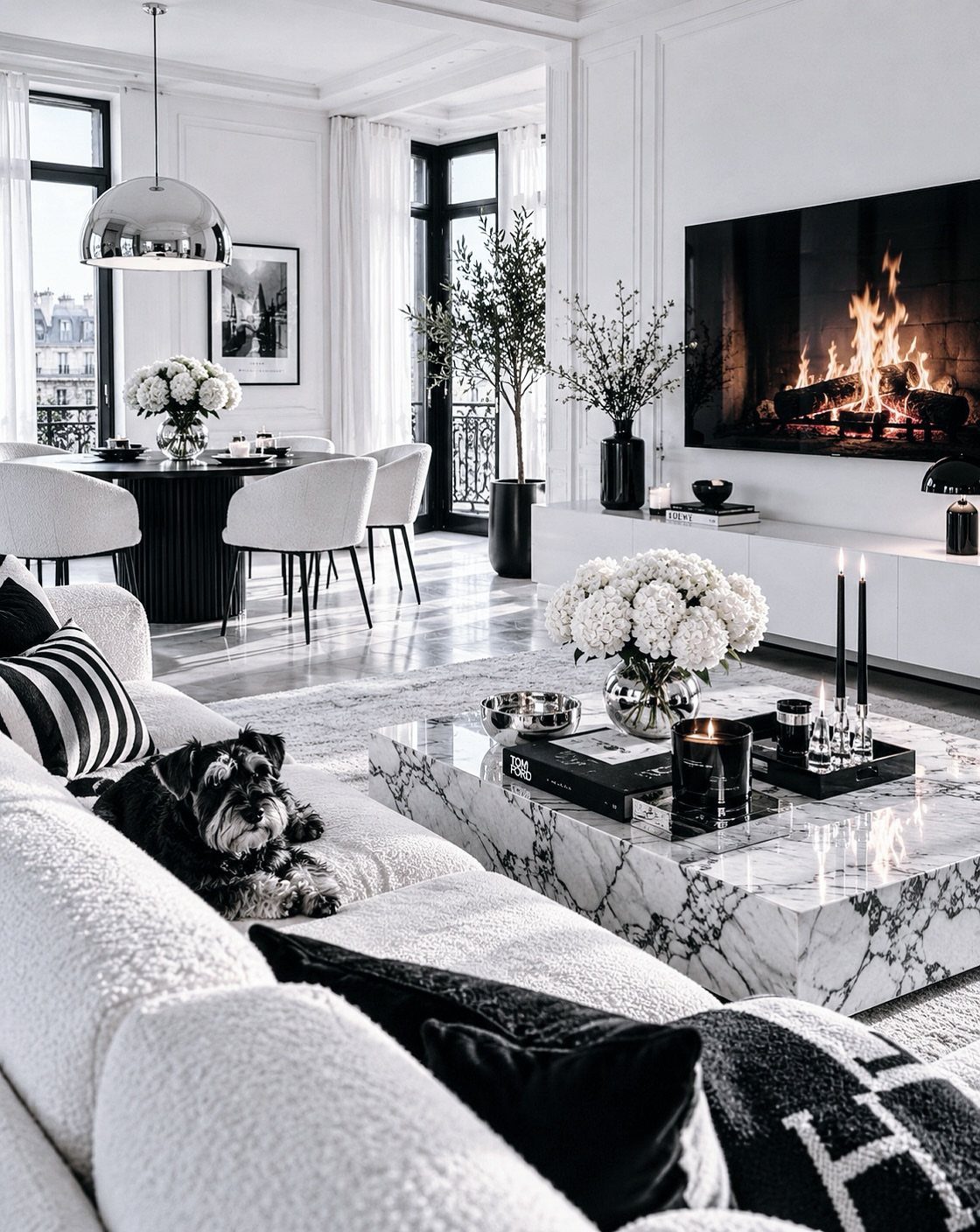
A single-color fireplace wall reads clean when everything from the surround to the mantel holds the same tone. Black linear units sit flush with white walls so the flame becomes the only focal point.
This approach works best in rooms that already lean minimal. The fireplace disappears into the architecture instead of anchoring a layered display, so the furniture and layout carry more weight in defining the space.
If you prefer symmetry, flank the unit with matching built-ins in the same finish. The look stays sharp as long as the edges stay crisp.
4. Concrete Finishes
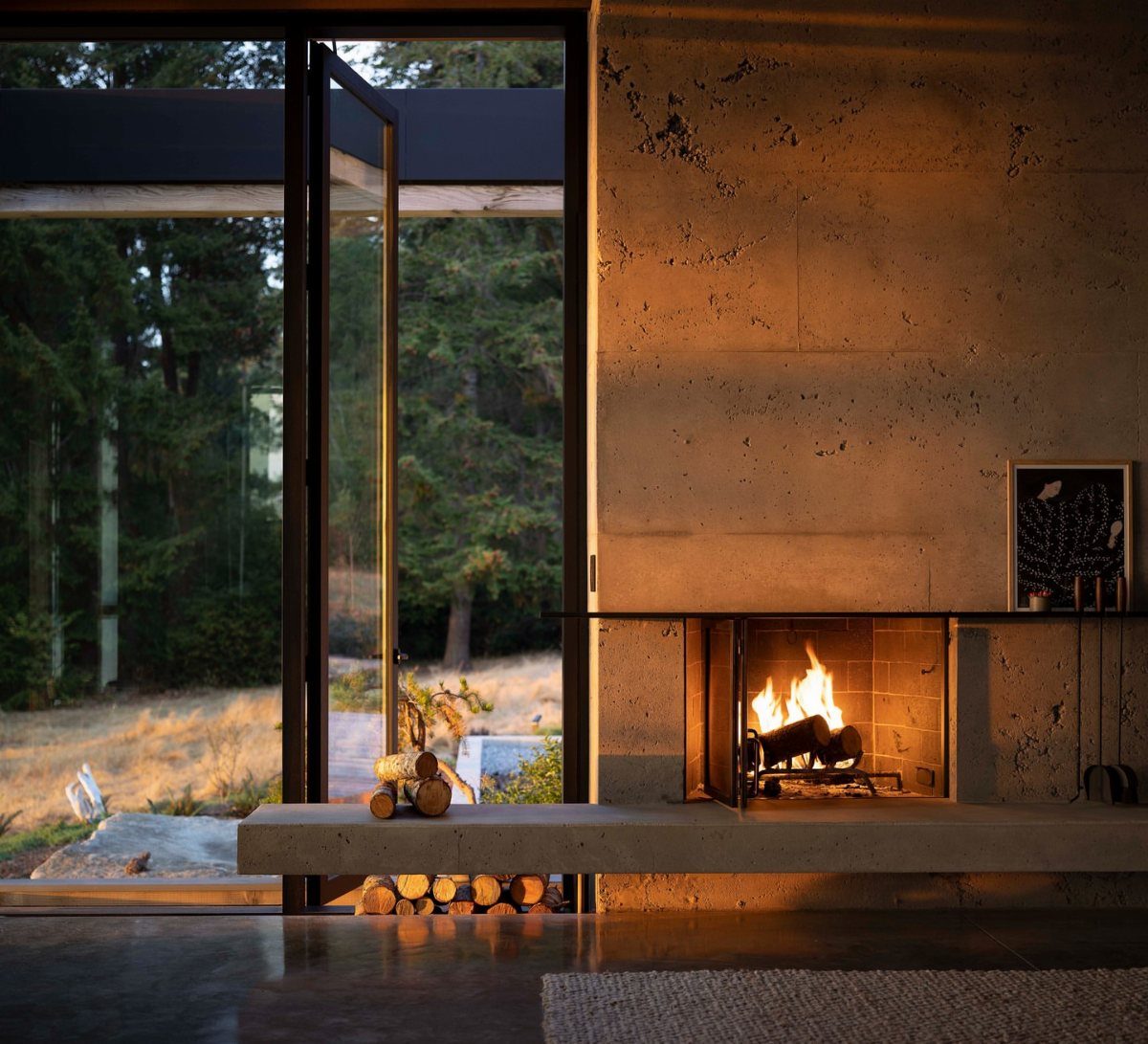
Concrete brings raw texture and a cooler palette than brick or stone. The surface can be left rough or polished smooth, and both versions hold up to direct heat when the concrete is properly cured.
For a retrofit, concrete panels install over existing drywall or masonry.
A poured-in-place surround takes more labor and needs formwork, but the continuous surface repays the effort if you’re renovating the whole wall. Sealing the finished surface prevents staining and makes ash easier to wipe away.
The look pairs well with steel and glass. It softens in rooms with wood floors or woven textiles.
5. Decorative Fireplaces
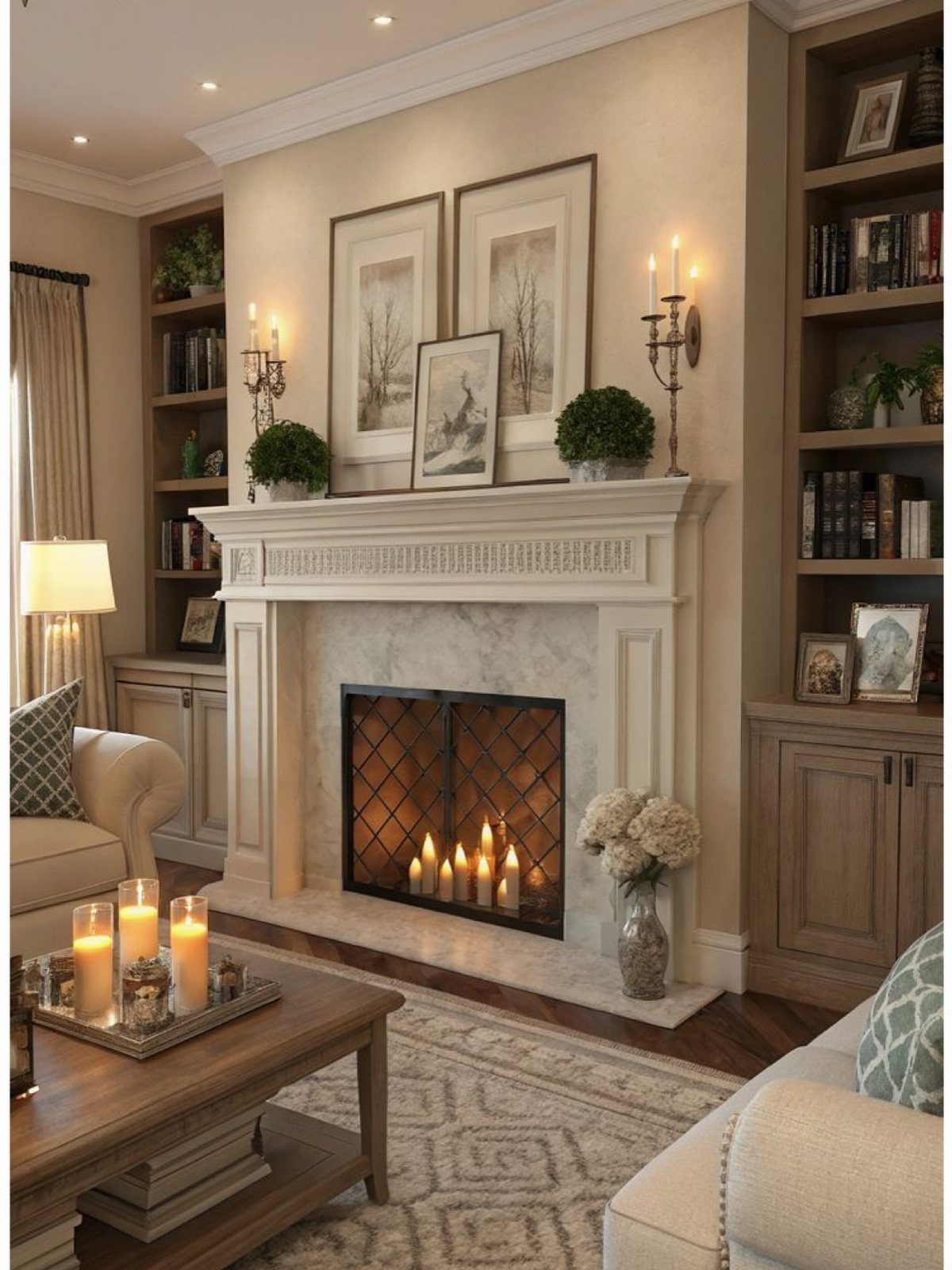
A fireplace that stays cold most of the year can still anchor the room when the mantel carries a rotating display. Art, plants, candles, and small objects layer personality onto a surface that would otherwise sit empty.
Vary the heights and group items in odd numbers.
Lean a large piece at the back, add a mid-height object on one side, and finish with something low or trailing on the other. Leave space between groupings so each piece registers on its own.
Change the arrangement with the season or when you find something new. The mantel holds more interest than a static shelf because you treat it that way.
6. Fireplaces with Built-in Cabinets
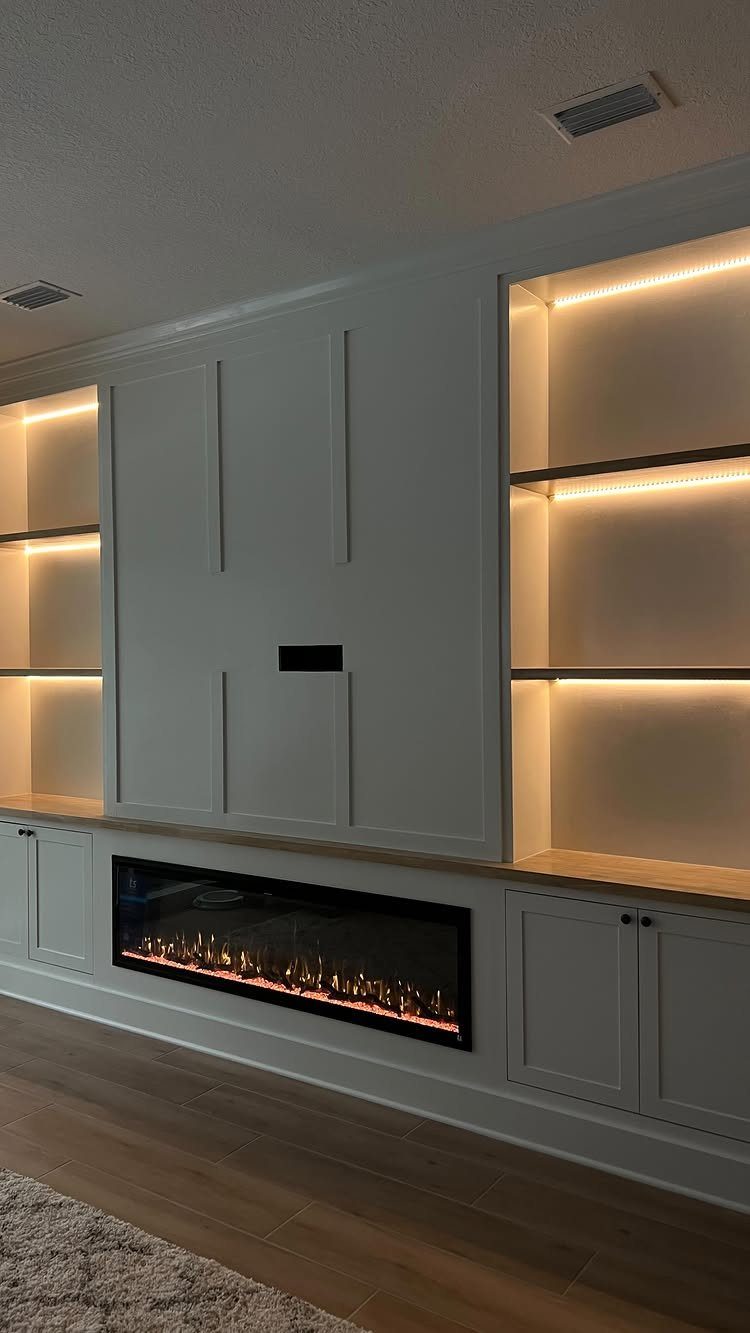
Built-in cabinets frame the fireplace and absorb storage without adding freestanding furniture. The result reads custom even when the units are assembled from modular pieces, and the fireplace stays centered in a wall of cabinetry instead of floating alone.
Lower cabinets hide media equipment, remotes, and anything else that clutters a coffee table.
Open shelves above break up the solid doors and give you space to display a few favorite pieces. Lighting inside the shelves adds depth and makes the whole wall feel intentional after dark.
Paint the built-ins the same color as the wall to keep the fireplace as the focal point.
7. Linear Gas Fireplaces
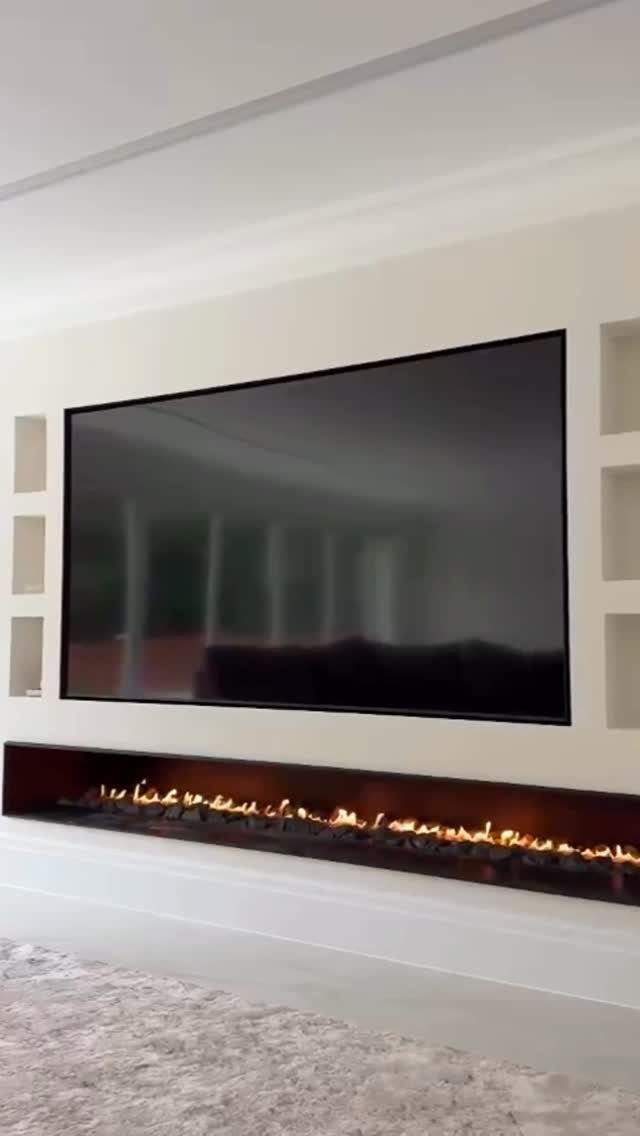
A horizontal fireplace runs several feet wide and sits only a few inches tall, giving you flame at eye level without the bulk of a traditional firebox.
The proportions suit a wall-mounted television and keep the sight line low in rooms with open floor plans.
Gas models need a dedicated line but start with a switch.
Most install flush with the wall so the surround disappears and the glass front stays uninterrupted. Clean the glass every few weeks to prevent haze from building up.
The narrow profile works in spaces where a tall fireplace would break up the wall or compete with windows.
8. Dual-Sided Fireplaces
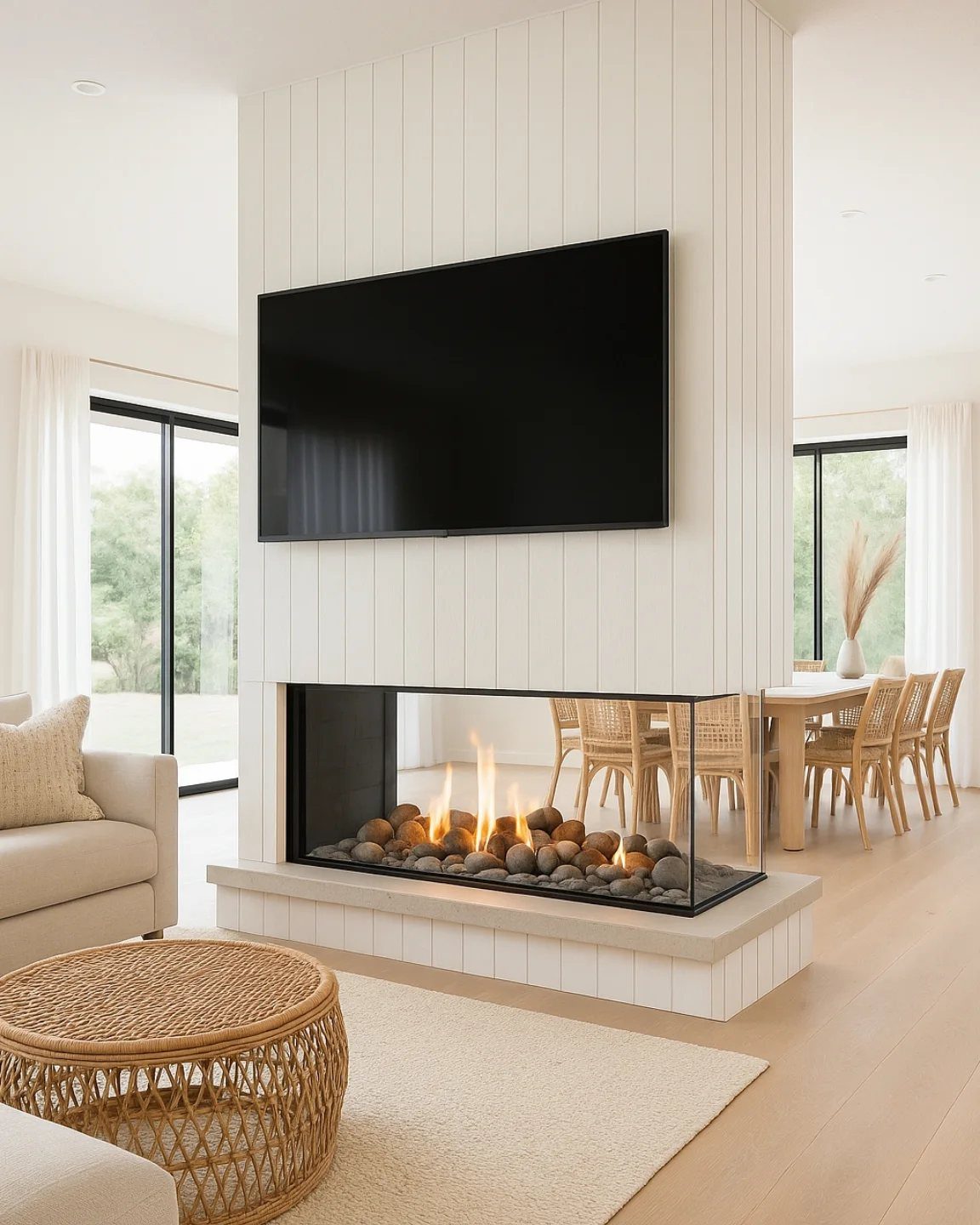
A dual-sided fireplace opens on both sides of a wall, so you see flame from 2 rooms without cutting sightlines completely. The transparency holds some separation between spaces while keeping warmth and light shared.
Glass on both sides means the firebox needs venting designed for the exposure. River rock, ceramic logs, or a bare flame bed all work as filler, and each one changes how much attention the fire draws.
This setup fits between a living room and a dining area, or at the edge of a bedroom where you want connection without giving up the defined zones.
9. Floating Mantels
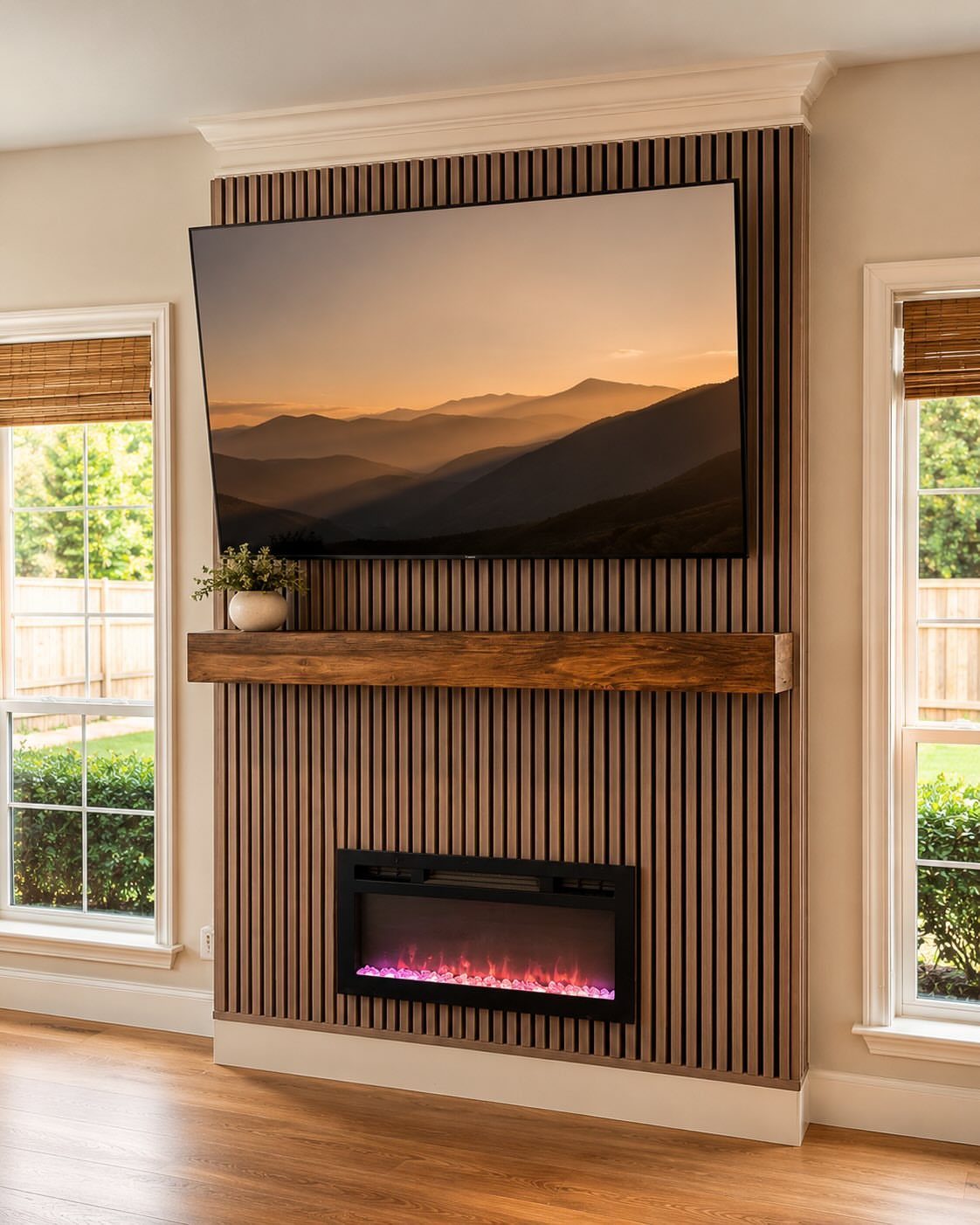
A mantel that floats without visible brackets keeps the wall looking uncluttered and draws attention to the wood grain or finish instead of the hardware.
The shelf sits high enough to clear the heat but stays functional for frames, plants, or a few candles.
Attach it with hidden steel rods that run into the wall studs. Solid wood holds up better than hollow-core under the weight of decor, and enough depth gives you room to layer objects without them tipping forward.
The look pairs well with slatted or paneled walls and linear fireplace units that run horizontal.
The mantel in this living room by Sugarhouse once lived in the Waldorf-Astoria hotel, but now it brings charm, history, and an inimitable patina to the space. Using salvaged items, small or large, in your home ensures a wholly unique interior.
10. Matching Candlesticks on the Mantel
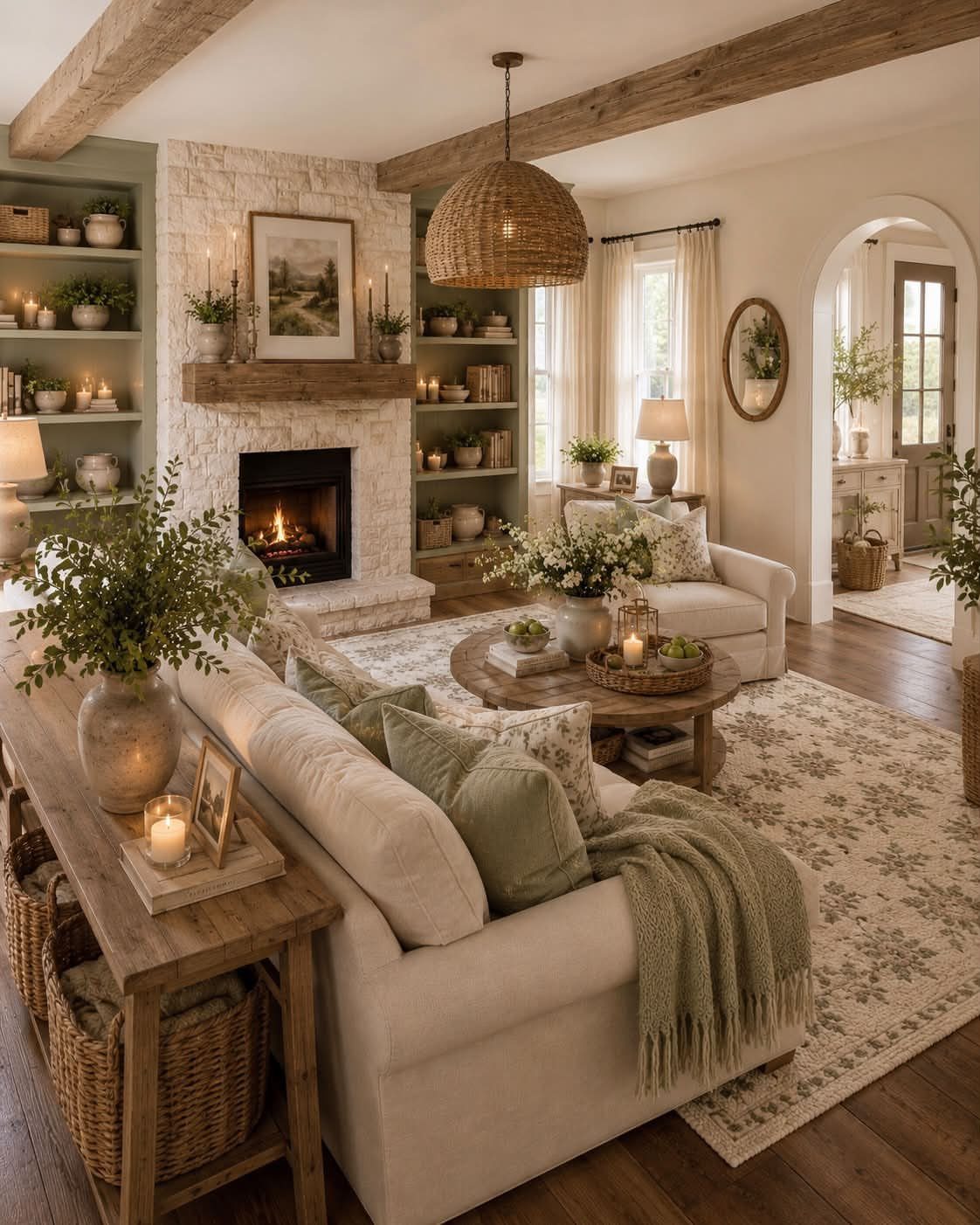
Candlesticks that match in height, finish, and style anchor the ends of a mantel and frame whatever sits between them.
The symmetry reads formal without requiring much else on the shelf, and the pair holds the composition even when the center stays simple.
Black iron or brass both work with stone and wood. Space them near the outer edges so they mark the boundaries of the display rather than crowding the middle.
Taper candles add height. If you burn them, trim the wicks so they don’t smoke against the wall.
11. Natural Stone
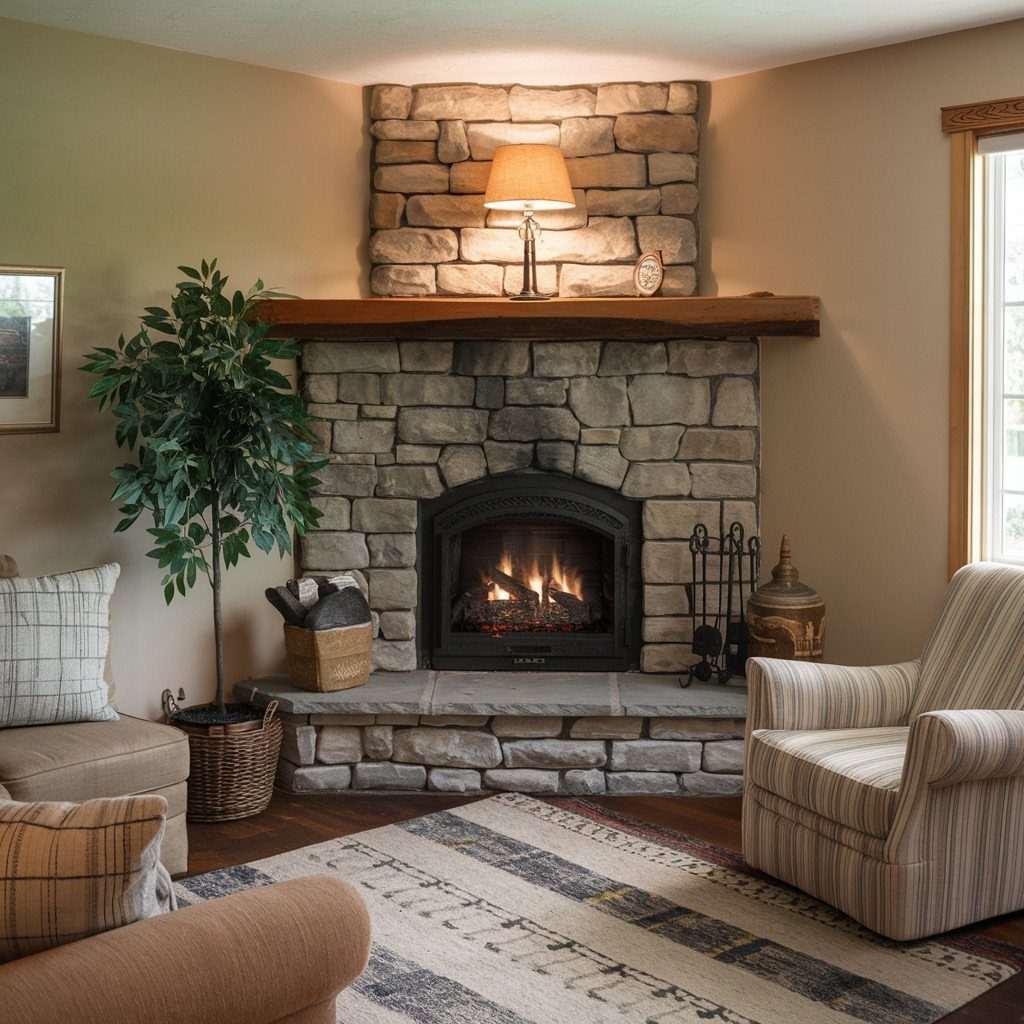
Stacked stone brings uneven texture and color variation that manufactured materials can’t replicate. Each piece sits slightly offset, so the surface catches light and shadow differently throughout the day.
Natural stone costs more than tile or brick and takes longer to install because every piece gets fitted individually.
Limestone and sandstone stay lighter in tone, while slate and granite lean darker and hold up better to direct heat if you burn wood.
A wooden mantel softens the look. The stone itself needs no sealing if it’s rated for interior fireplaces, but check with the supplier.
12. Bioethanol Fireplaces
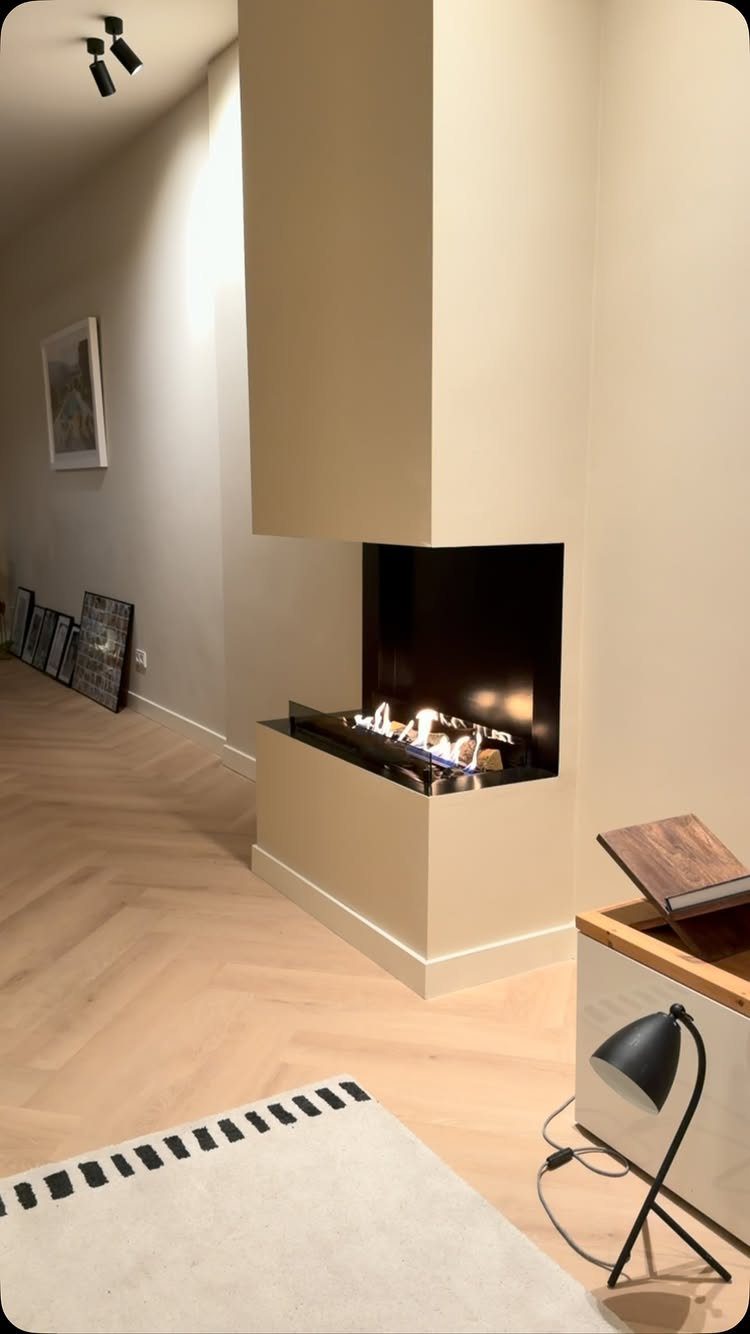
Bioethanol burns clean without venting, so the fireplace installs anywhere a gas line doesn’t reach. The fuel comes in bottles, and the flame adjusts with a slider or shuts off completely when you close the burner.
The heat output stays lower than gas or wood, so this works better as ambient warmth than as primary heating. Refill the burner only when it’s cool, and keep extra fuel stored away from the unit.
The built-in style sits flush with the wall and keeps the room looking streamlined. The flame shows through without glass, so nothing blocks the view.
13. Vintage Fireplace Screens
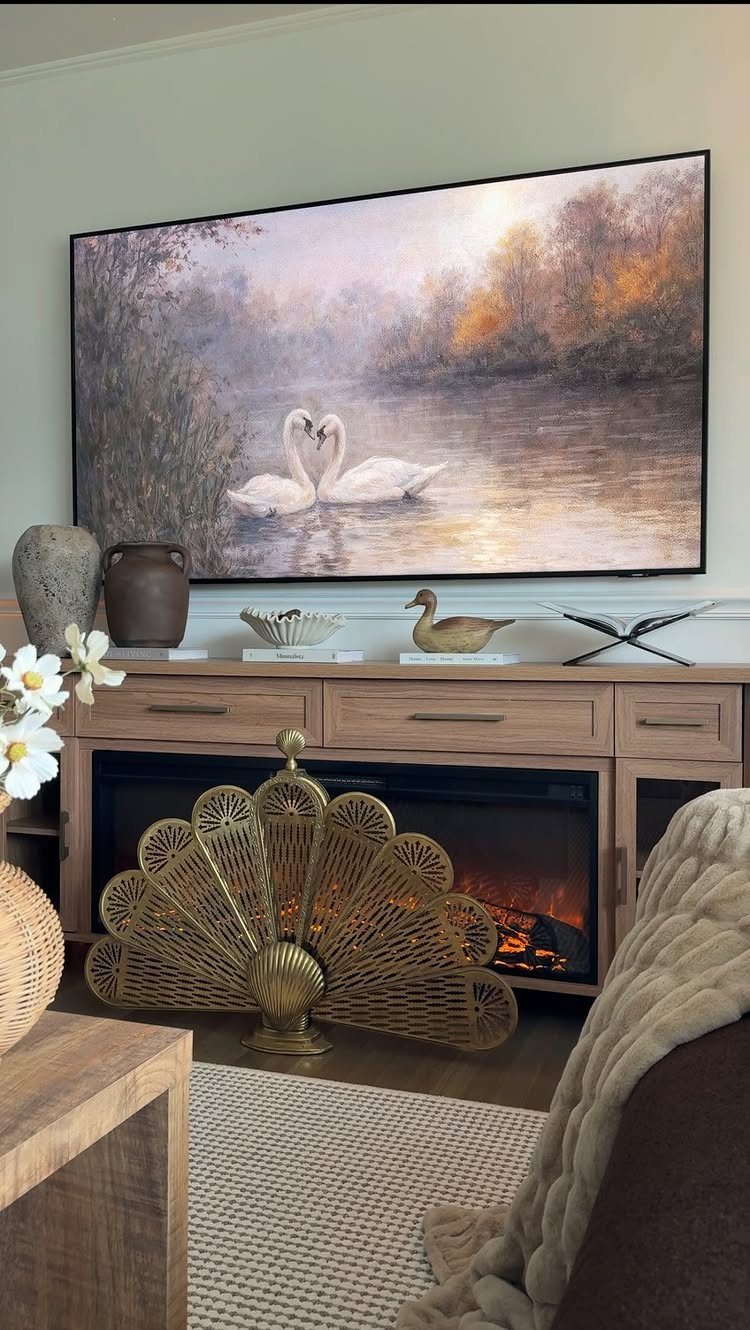
A vintage screen adds sculptural shape and stops sparks without looking industrial. Brass, wrought iron, and decorative motifs turn up in estate sales and antique stores.
Look for pieces that still stand steady and have no rust holes if the metal is iron. Brass tarnishes but cleans up with a polishing cloth.
The screen sits in front of the opening when the fire is burning and pulls aside when you don’t need it. Heavier pieces stay put better than folding screens that tip forward.
14. Carved Detailing
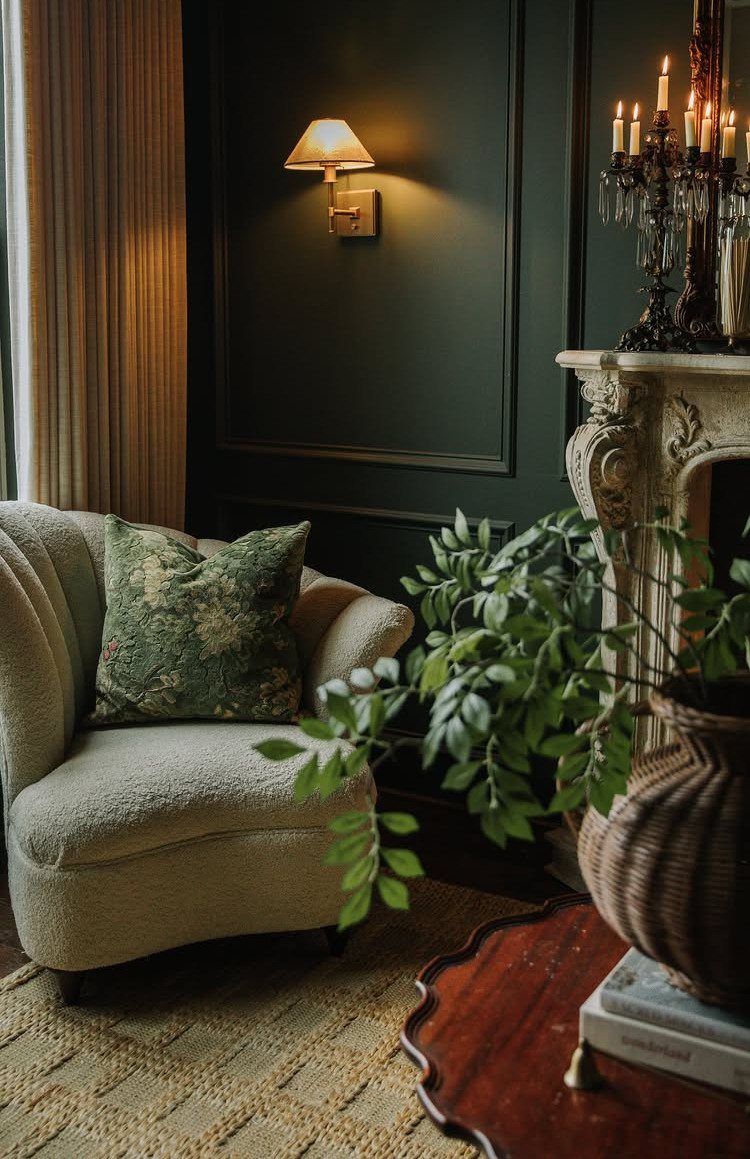
Carved stone adds depth and detail that a flat surround can’t match. Limestone and marble both take carving well, and the relief catches shadow differently as the light shifts through the day.
A carved mantel costs more than a plain one and takes longer to source if you order custom work. Salvaged mantels from architectural dealers bring period detail at a lower price, though you may need to adjust the fit.
The look suits rooms with other traditional details. If the rest of the space leans spare, the carving reads formal.
15. Large Mirror Above the Fireplace
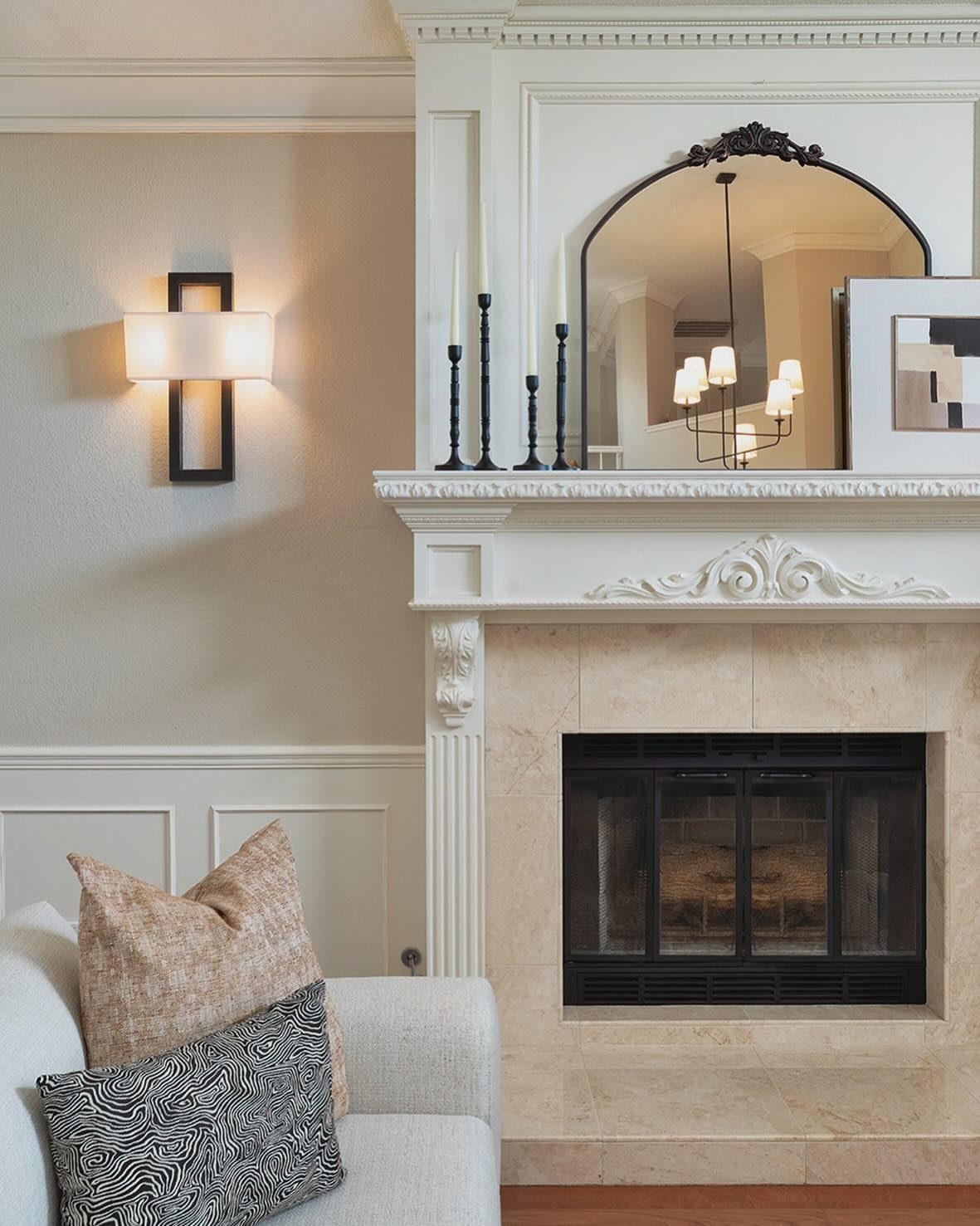
A mirror doubles the light in the room and makes the wall feel taller without adding weight. The reflection pulls in whatever sits across from the fireplace, so the view matters more than it would with art.
A thick frame lets you lean the mirror directly on the mantel instead of hanging it.
Arched tops soften the look. A frame that matches the mantel in finish ties the 2 pieces together.
16. Seasonal Mantel Decor
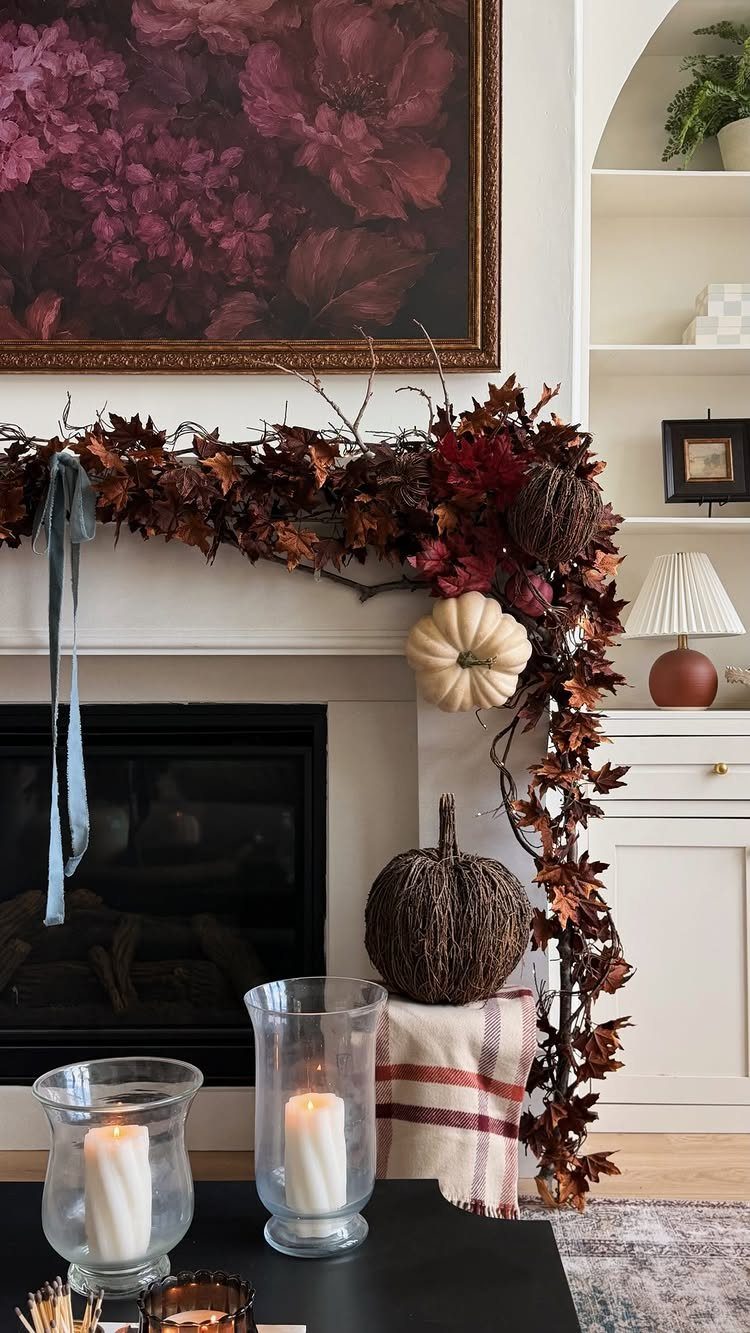
Changing the mantel with the season keeps the room from looking static.
Branches, small pumpkins, and dried leaves work for fall. Greenery and candles suit winter, and lighter colors move in for spring.
Group objects by height and leave gaps so the arrangement doesn’t crowd. Remove pieces that no longer fit the season instead of layering new ones over old.
The swap uses what you already have or find outside.
Traffic Flow Considerations
If the room has multiple doorways, map the path someone would take from one to the other before you lock in furniture placement.
Corner fireplaces free up wall space that would otherwise go to the hearth. A corner fireplace setup fits L-shaped sectionals particularly well because the fireplace anchors the corner where the 2 legs of the sofa meet.
Keep entries clear. A chair placed too close to the doorway forces people to squeeze past, and the route between the entry and the most-used seat should stay direct.
Focal Point Creation
Point the sofa and chairs toward the fireplace in a U-shape so everyone faces the flame when they sit down. The arrangement pulls attention to the hearth and keeps conversations grouped instead of splitting the room into separate zones.
If the mantel feels bare, hang a single decorative object above it rather than crowding the shelf with small pieces.
A woven basket, a piece of framed textile, or a sculptural wall hanging draws the eye up and holds the focal point without competing with what sits on the mantel itself.
Choosing Materials
Marble feels luxurious, slate feels rustic, and limestone feels traditional. Each one brings color variation across the surface, so no 2 installations look identical.
Tile gives you more control over pattern and color.
Wood brings warmth but stays away from direct heat. Use it as wall paneling around the fireplace or as a floating mantel, not as the surround that frames the firebox.
Frequently Asked Questions
What are some creative ways to decorate my fireplace for everyday use?
Rotate the mantel display with seasonal pieces like branches and dried leaves in fall, greenery and candles in winter, or lighter colors in spring.
Arrange objects in clusters of 3 or 5 and space them apart so each one stands out instead of blending together.
Plants, framed textiles, or a single sculptural wall hanging above the mantel keep the area from looking static without crowding the shelf.
What can I replace my wood burning fireplace with?
Bioethanol units burn without a flue and fit spaces where gas lines don’t run, but they put out less heat than gas or wood.
Gas inserts require a dedicated line and a professional install, but they ignite with a button and mount flush to the surround.
Electric fireplaces fit apartments or anywhere a traditional fireplace won’t work, and they offer realistic flame effects with supplemental heat.
Does a living room need a fireplace?
A fireplace isn’t required, but it anchors the room and gives you a focal point that pulls furniture into a cohesive arrangement.
The flame adds warmth and light that changes how the space feels after dark. Rooms without one rely more on furniture placement and layered decor to define the layout.
How do I set up a living room with a fireplace and TV?
Arrange furniture in separate zones so each focal point gets attention without competing.
Position the TV at a comfortable viewing height on an adjacent wall or flank the fireplace with built-in cabinets that hold media equipment while keeping the fireplace centered.
If the TV mounts above the fireplace, keep the mantel display minimal so the 2 elements don’t crowd each other.






