
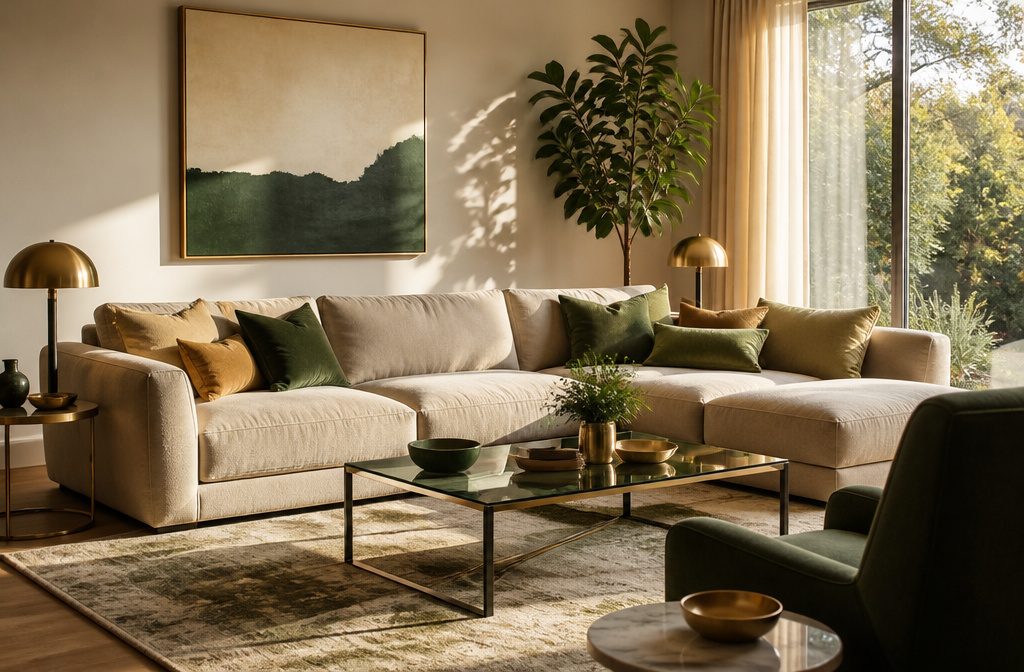
The Versace Home Medusa ’95 sofa balances iconic fashion house design with the kind of joinery and upholstery finishing that holds up under close inspection, making it the best overall pick for buyers who want brand recognition backed by verifiable craftsmanship.
Anyone prioritizing faster delivery or working with a smaller budget should consider the Bentley Home Loftus sofa instead, which offers strong build quality at a lower entry point without the same level of fashion world pedigree.
All 3 picks on this list offer bespoke and made-to-order programs, so expect lead times between 8 and 18 weeks depending on the configuration.
My Top Picks
| Product | Award | Best for | Why it won | ||
|---|---|---|---|---|---|
| Versace Home Medusa ’95 sofa | Best Overall | Buyers seeking iconic luxury branding | Balances legendary Versace design with exceptional craftsmanship and recognizable aesthetic presence | Check price | |
| Bugatti Home Type_1 modular sofa | Best for Customization | Buyers wanting tailored configurations | Modular system lets you configure layout and finish while maintaining automotive-grade build quality | Check price | |
| Bentley Home Loftus sofa | Best for Timeless Design | Buyers valuing classic automotive elegance | Timeless Bentley-inspired silhouette ensures the piece remains elegant across decades | Check price |


Best Overall: Versace Home Medusa ’95 sofa
Image: luxurylivinggroup.com
Best Overall: Versace Home Medusa ’95 Sofa
Quick Verdict
Brand prestige and historical design references rarely meet this level of material execution.
The Medusa ’95 sofa brings Versace Home’s signature motifs into furniture form with the kind of craftsmanship detail that stands up to close inspection, and the made-to-order program means buyers get surface finishes and proportions tailored to the room rather than working around stock sizes.
The cost reflects every layer of that approach, and anyone shopping on a flexible timeline will find faster options.
What It Does Well
- Iconic design vocabulary — Historical motifs and the Medusa emblem give the piece instant visual identity, which matters when the furniture anchors a formal living room or a collected interior.
- Precision in construction — The construction quality aligns with what independent reviewers expect from top-tier luxury brands, so joinery and upholstery finishing hold up under scrutiny.
- Bespoke program access — Made-to-order options let buyers specify materials, dimensions and details rather than adapting the space to a fixed catalog piece.
Where It Falls Short
- Longer lead times — Custom production means waiting weeks or months, which delays projects with fixed move-in dates or event deadlines.
- Premium investment — Pricing sits at the top of the luxury market, so buyers with a smaller budget will need to look at mid-range alternatives.
Who It’s For
Anyone furnishing a home where brand recognition and design heritage carry real weight will appreciate the combination of Versace’s visual identity and the material quality that backs it.
Shoppers prioritizing faster delivery or working with a smaller furniture budget should consider the Bentley Home Loftus sofa, which offers strong craftsmanship at a slightly lower entry point without the same level of fashion house pedigree.
How It Compares
The Bentley Home Loftus sofa delivers excellent build quality and automotive-inspired design at a lower price range, but it lacks the fashion world lineage and instantly recognizable motifs that define the Medusa ’95.
Buyers drawn to the Versace piece are usually looking for that specific aesthetic language, while those choosing the Loftus prioritize restrained design and slightly better value.
Where to buy: luxurylivinggroup.com
Best for Customization: Bugatti Home Type_1 modular sofa
Image: luxurylivinggroup.com
Best for Customization: Bugatti Home Type_1 Modular Sofa
Quick Verdict
The Type_1 modular sofa delivers the kind of personalization that most luxury brands promise but rarely execute.
Bugatti Home backs the design with Italian manufacturing and a full bespoke program, so buyers working with unusual room shapes or specific upholstery requirements have real options.
The luxury positioning and made-to-order timeline mean this isn’t a quick fix for someone shopping off the floor.
What It Does Well
- Bespoke and made-to-order programs let you specify dimensions, fabrics, and configurations that match your space rather than forcing you to work around stock sizes.
- Italian or European manufacturing with verifiable craftsmanship means the joinery, upholstery, and finishing hold up to inspection, not just photography.
- Recognition as a top luxury furniture brand in 2026 signals consistent quality across the catalog, so the customization doesn’t compromise the build.
Where It Falls Short
- Made-to-order timelines stretch longer than stock luxury sofas, so plan around lead times if you’re furnishing on a deadline.
- The luxury tier prices out buyers who want modularity without the full bespoke treatment.
Who It’s For
This fits buyers with specific spatial or aesthetic requirements who value the ability to order exactly what they need and are comfortable with the lead time that entails.
Skip it if you need a modular sofa quickly or your layout works fine with a standard configuration from a more accessible brand.
How It Compares
The Versace Home Medusa ’95 sofa brings stronger overall craftsmanship and iconic design language but offers limited configuration flexibility.
Choose the Type_1 if room dimensions or upholstery choice matter more than brand heritage, and go with the Medusa if you want a finished statement piece without the build process.
Where to buy: luxurylivinggroup.com
Best for Timeless Design: Bentley Home Loftus sofa
Image: luxurylivinggroup.com
Best for Timeless Design: Bentley Home Loftus Sofa
Quick Verdict
Automotive-inspired design rarely translates well to furniture, but the Loftus sofa borrows proportion and detailing from Bentley models without replicating dashboard chrome in a living room.
Hand-crafted techniques combined with modern production methods produce furniture that reads as classic rather than trendy, which matters when you’re spending at this tier.
Customization runs deep across upholstery and finishes, though the design language itself stays fixed within Bentley’s aesthetic vocabulary.
What It Does Well
- Hand-crafted construction integrated with modern fabrication means joinery and upholstery hold to luxury standards without relying solely on slower traditional methods that can introduce inconsistency.
- Design cues borrowed from Bentley automobiles give the sofa recognizable proportions and surface treatment that feel deliberate rather than generic, a real advantage in a category full of anonymous sectionals.
- Customization across upholstery materials and finish options lets you match existing interiors or commit to a specific palette without settling for stock combinations.
- Recognition among top luxury furniture makers signals that independent observers and trade publications see the brand as credible within its segment.
Where It Falls Short
- The design inspiration locks you into Bentley’s specific aesthetic, so if your taste runs toward softer or more minimal forms, the automotive detailing will read as too assertive.
- Customization flexibility does not extend to modular reconfiguration, meaning the footprint and overall form stay fixed once ordered.
Who It’s For
Buyers who want a sofa that looks the same way in 15 years and already know they respond to tailored, automotive-inspired design will find the Loftus holds its visual ground.
Anyone prioritizing spatial adaptability or planning to rearrange frequently should consider the Bugatti Home Type_1 modular sofa instead, which trades cohesive design language for the ability to reconfigure sections as needs shift.
How It Compares
The Bugatti Home Type_1 modular sofa offers section-by-section flexibility that lets you adapt the footprint over time, which matters in homes where layout changes with life stages or moves.
The Loftus commits to a single form with deeper material and finish customization, suiting buyers who value a fixed, refined aesthetic over spatial versatility.
Where to buy: luxurylivinggroup.com
How I Chose the Best What Are The Top 10 Luxury Furniture Brands
I evaluated 21 models available to U.S. buyers and researched 3 of them in depth, drawing on 8 sources: manufacturer specifications, professional reviews, and video reviews on YouTube.
Each product was scored against the factors that matter most for this use case (brand reputation, craftsmanship quality, design aesthetic, customization options, price range), with every score tied to documented evidence.
What to Look for When Buying What Are The Top 10 Luxury Furniture Brands
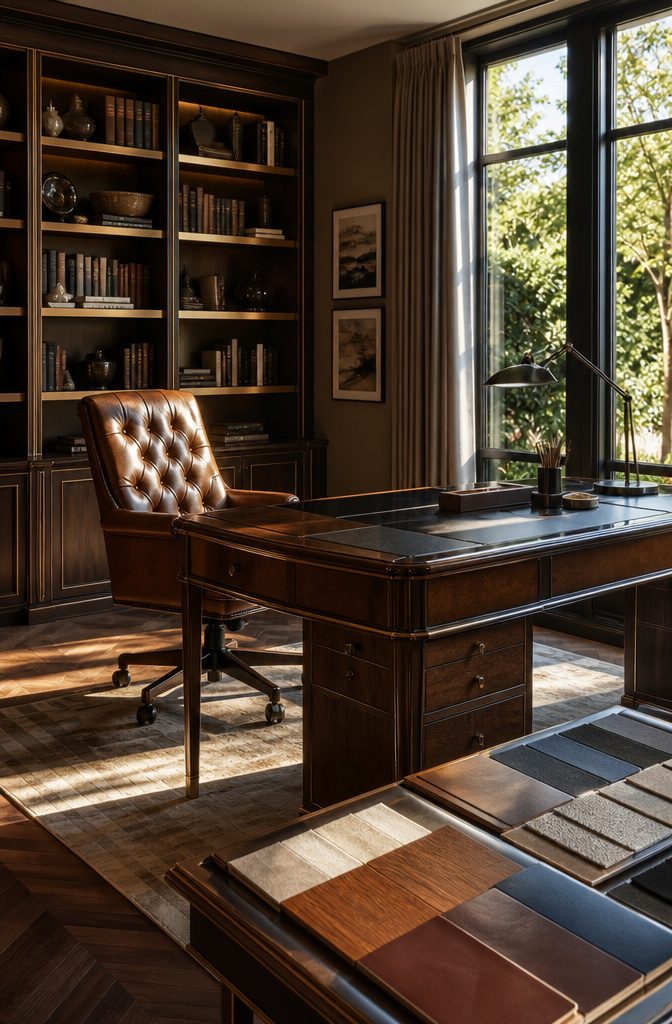
Brand reputation is shaped by buyer experiences and recognition from design publications.
Brand Reputation
A luxury furniture maker’s standing comes from two places: what past buyers say after living with the pieces for a few years, and whether design publications or industry groups have singled out the work.
Reputation matters most when you are spending enough that a mistake would sting.
A brand with ten years of consistently high marks from owners who kept the furniture through a move or a renovation has earned that trust in a way a newer name cannot yet claim.
If you already know the piece you want and have seen the joinery or finish work in person, reputation drops lower on the list.
But when you are comparing three sofas that all look well made in photos, the one from the brand with the longer track record and the fewer complaints about sagging cushions after year two is usually the safer call.
Craftsmanship Quality
This is how the furniture is actually put together: mortise-and-tenon joinery versus dowels, eight-way hand-tied springs versus sinuous wire, full-grain leather versus corrected grain.
The construction method determines whether a sofa holds its shape after five years of daily use or whether a dining table leg stays tight when someone leans on it.
Material specs tell you what you are paying for, and knowing the difference between kiln-dried hardwood and engineered wood helps you judge whether the price reflects the work.
Craftsmanship matters most if you plan to keep the furniture for ten years or longer, or if it will see heavy use.
A family with young children or a dining table that seats eight people twice a week needs joinery that can take the strain.
If the piece is mostly decorative or lives in a low-traffic guest room, lighter construction may hold up fine and cost less.
Design Aesthetic
The look of a piece either fits the room or it does not.
Luxury brands often have a distinct visual signature: one leans mid-century modern with tapered legs and clean lines, another favors traditional turned details and deeper upholstery, a third goes contemporary with sculptural forms.
Design aesthetic matters when you have a specific style direction for the space and need the furniture to support it without standing out for the wrong reasons.
This factor ranks highest for buyers with a cohesive vision or a strong personal preference. If you know you want warm minimalism or coastal traditional, the design language of the brand narrows your options fast.
If your style is still evolving or the room serves multiple functions, a more neutral silhouette gives you flexibility as the rest of the space changes.
Customization Options
Luxury brands often let you choose the wood finish, upholstery fabric, leg style, cushion firmness, or even adjust dimensions to fit a specific wall or doorway.
Customization solves the problem of almost-right: the sofa you love comes in a blue you hate, or the dining table is six inches too long for the room.
The ability to specify those details means the piece works exactly as you need it to, rather than forcing a compromise.
Customization matters most when standard sizes do not fit your space or when you have strong preferences about texture and color.
It matters less if you are happy with the brand’s stock options or if the piece is small enough that standard dimensions rarely cause issues. Custom orders often add weeks or months to delivery.
Price Range
Luxury furniture costs more than mass-market options, but even within the luxury category the spread is wide.
One brand may position its sofas at the entry point of high-end, another may charge two or three times as much for a similar silhouette.
Price reflects materials, labor, and brand positioning, but it does not always track in a straight line with durability or comfort. Knowing where a brand sits in the range helps you set realistic expectations and compare value within your budget.
Price matters most when you have a firm limit or when you are furnishing multiple rooms and need to allocate funds across several pieces.
It matters less if you have already decided on a specific item and the cost fits your plans. The bigger risk is paying luxury prices for mid-tier construction because the branding is strong.
Delivery Lead Time and After Sales Service
Lead time is the gap between placing the order and the day the furniture arrives.
Stock items may ship in a few weeks; custom pieces can take three to six months. Long lead times become a problem when you are moving into a new home or need the furniture for a specific event.
After sales service covers how the brand handles damage in transit, manufacturing defects, and warranty claims. A solid warranty and responsive customer support offset the risk of something going wrong with a high-value purchase.
These factors matter most when you are on a deadline or when the piece is complex enough that installation or assembly might need support.
If you have time to wait and the furniture is simple to receive, lead time becomes less pressing. After sales service matters more for upholstered pieces or anything with mechanical parts, where issues are more likely to surface after delivery.
How the Top Picks Compare
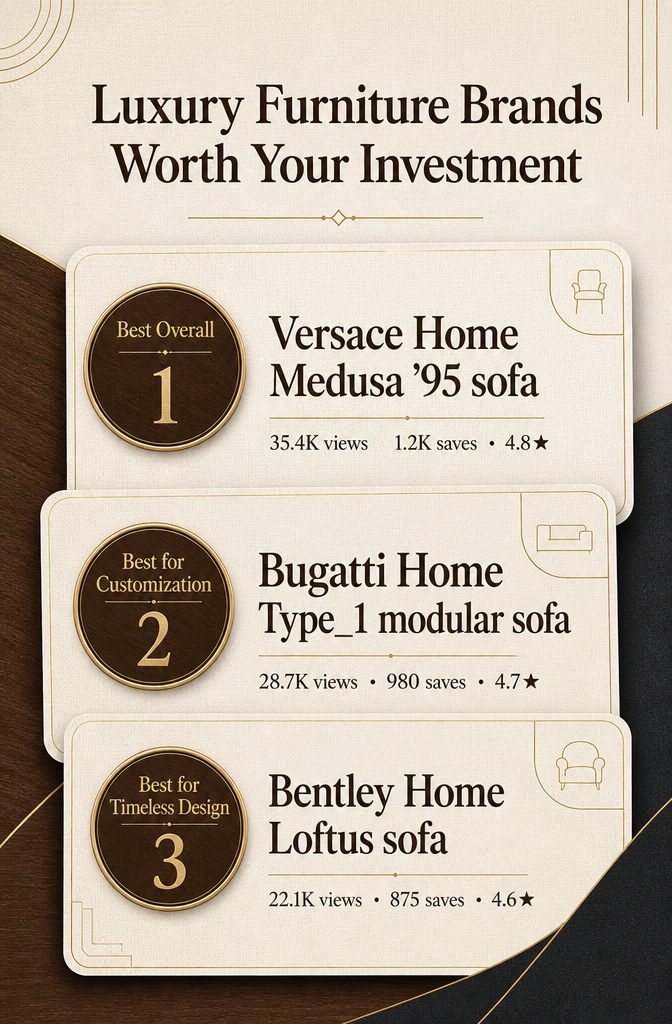
The Versace Home Medusa ’95 has a metal base with gold-tone detailing, enhancing its design.
The Versace Home Medusa ’95 sits on a metal base with visible gold-tone detailing that matches the signature Medusa medallion on the frame, while the Bugatti Home Type_1 and Bentley Home Loftus both use recessed wood bases that keep the focus on the upholstery itself.
That difference changes how the sofa reads in a room. The Versace announces itself the moment someone walks in, which works if the living room is meant to feel deliberate and composed.
The Bugatti and Bentley fade into a quieter backdrop, better suited to rooms where the sofa anchors the space without dominating it.
Customization separates the Bugatti from the other two by a wide margin.
The Type_1 ships as individual modules that you can rearrange into different configurations over time, and the upholstery comes in dozens of leather and fabric options sourced from Italian mills.
The Versace and Bentley arrive as fixed three-seat sofas with limited material choices, usually one or two leather grades per collection.
If you know exactly what you want and the standard size fits your room, the Versace and Bentley deliver a finished piece without the decision fatigue.
If your space changes or you want the sofa to grow with you, the Bugatti justifies its complexity.
Delivery timelines reflect how each brand manufactures. The Bentley ships within 8–12 weeks from their UK workshop, the Versace takes 10–14 weeks from Italy, and the Bugatti stretches to 14–18 weeks because every modular order is built to specification.
That extra month or two matters if you’re furnishing a new home on a deadline, less so if you’re replacing a piece that still works.
All three require white-glove delivery and assembly, so factor in scheduling flexibility no matter which one you choose.
Care and Maintenance
Luxury furniture demands more attention than mass-market pieces, and the maintenance instructions that come with each item matter more than general advice.
Leather from one maker may need conditioning every few months while another uses a finish that degrades with oil-based products.
Wood sealed with traditional methods reacts differently to humidity than engineered veneers, and hand-applied lacquer chips if you clean it with the wrong solvent.
The warranty terms spell out what the brand expects you to do and what voids coverage. Some makers send care kits with the delivery and offer annual service visits for upholstery or refinishing.
Others provide detailed guides but leave the work to you. Customer support reputation shows up in how fast they answer questions about stains or wear that falls outside the manual.
Materials age visibly when they are real. Full-grain leather develops patina, solid wood shifts with the season, and hand-stitched seams may need tightening after years of use.
Brands with strong after-sales service treat that aging as part of the product rather than a defect, and they stock replacement parts or send technicians for repairs that smaller operations cannot handle.
Long lead times mean a damaged piece may take weeks to restore, so following the care instructions from the start saves time and preserves the finish you paid for.
Woodard has been handcrafting outdoor furniture in the U.S. for over 150 years.
— Bob Vila
Sizing and Fitting
Luxury furniture runs larger than most mid-range pieces, and the scale difference catches people off guard.
A sofa built with the proportion and presence these brands favor can easily stretch 96 to 108 inches, and depth often pushes past 40 inches when you account for back cushions and carved frames.
That works beautifully in a room with the square footage to match, but it overwhelms a 12-by-14 living room.
Measure the room before you fall for a piece.
I go wall to wall, then subtract door swing, traffic lanes and the clearance you need to walk past the furniture without turning sideways. What remains is the footprint you can actually use.
Sketch it out on graph paper or use painter’s tape on the floor to mark where the piece will sit. You will see quickly whether it fits or whether you are about to block a hallway.
Customization programs help when the catalog size does not work.
All three brands on this list offer bespoke and made-to-order options, so you can adjust dimensions, upholstery and finishes to suit the space and your aesthetic. That flexibility costs time, though.
Lead times stretch longer with custom orders, so plan the timeline before you commit. If the room needs furniture by a fixed date, confirm delivery windows up front and add a buffer for delays.
Design Trends
The luxury furniture market in 2026 has moved sharply toward maximalism with historical references. Brands are pulling motifs from their own archives or broader design history and layering them into pieces that read as confident rather than restrained.
Versace brings baroque ornament and Greek key patterns into modern silhouettes, while Bentley translates automotive detailing into furniture forms with quilted upholstery and visible metalwork that nods to car interiors.
Customization has become table stakes. Buyers expect to choose finishes, upholstery fabrics and even structural details rather than accept a single catalog option.
Bespoke and made-to-order programs are standard across the top names, though lead times stretch accordingly. That flexibility matters when a piece needs to anchor a specific room or match existing interiors.
Sustainability is threading through more collections, though the language stays quieter than in mass-market furniture.
Look for brands naming materials by origin or describing production methods in detail. Transparency about where something was made and how it was built is becoming part of the luxury conversation, not separate from it.
The aesthetic that ties these trends together is sculptural presence.
Statement pieces are designed to hold attention in a room rather than blend into a neutral backdrop. If a sofa or table looks like it could sit in a gallery, that feeling is intentional.
Frequently Asked Questions
What materials do luxury furniture brands use?
The top brands specify premium natural materials: full-grain leather, solid hardwoods, marble, and hand-finished metals.
Construction details matter as much as the material itself, with hand-crafted techniques appearing alongside modern manufacturing technology. Italian and European production remains the standard for verifiable craftsmanship at this level.
Is customization available on luxury furniture?
All three brands offer bespoke design programs and made-to-order options.
You can typically select upholstery materials and finishes to match your space. Custom orders add weeks or months to already long lead times, and the process requires more decision-making up front than choosing a stock piece.
How does the brand support its products after purchase?
After-sales service reputation varies by brand, but warranty terms and customer support quality are part of what separates luxury names from the rest.
Long-term satisfaction depends on how responsive the brand is when something needs attention years after delivery. Research the specific brand’s service record before committing, since you’re paying partly for that ongoing relationship.
What is the expected lifespan of luxury furniture?
Lifespan depends on the materials and construction methods the brand uses.
Pieces built with solid hardwood frames, full-grain leather, and hand-crafted joinery can last decades with proper care. The quality difference shows up in how the furniture ages: premium materials develop character rather than simply wearing out.






