
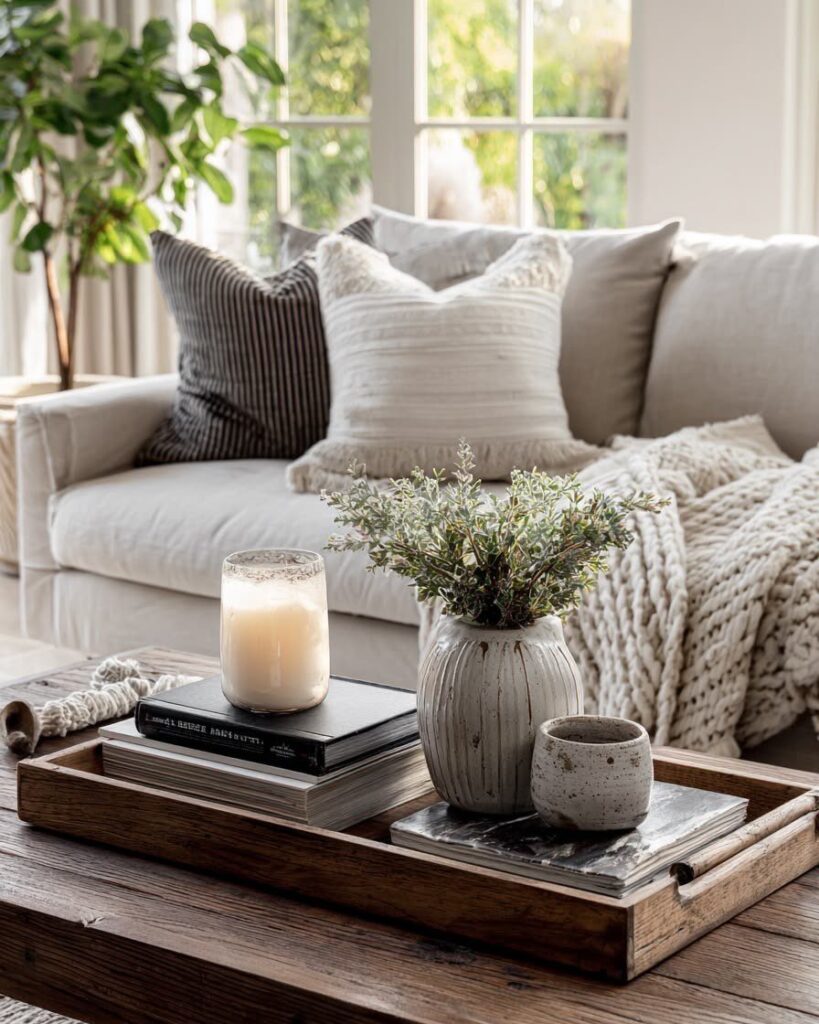
Coffee table decor works when it gives you a place to set a drink, and that’s where trays and coasters come in.
The setup can be as spare as a single candle and a vase or as layered as a two-tiered table with books, trays, and a glass cloche over matches you’ll actually use.
If your table sits between facing seats, keep arrangements low or use leafy branches and flowers that don’t block sight lines across the room.
A tray pulls smaller objects into one group instead of letting them scatter, and swapping a few seasonal pieces keeps the table from looking stale without starting over.
1. Coffee Table Trays
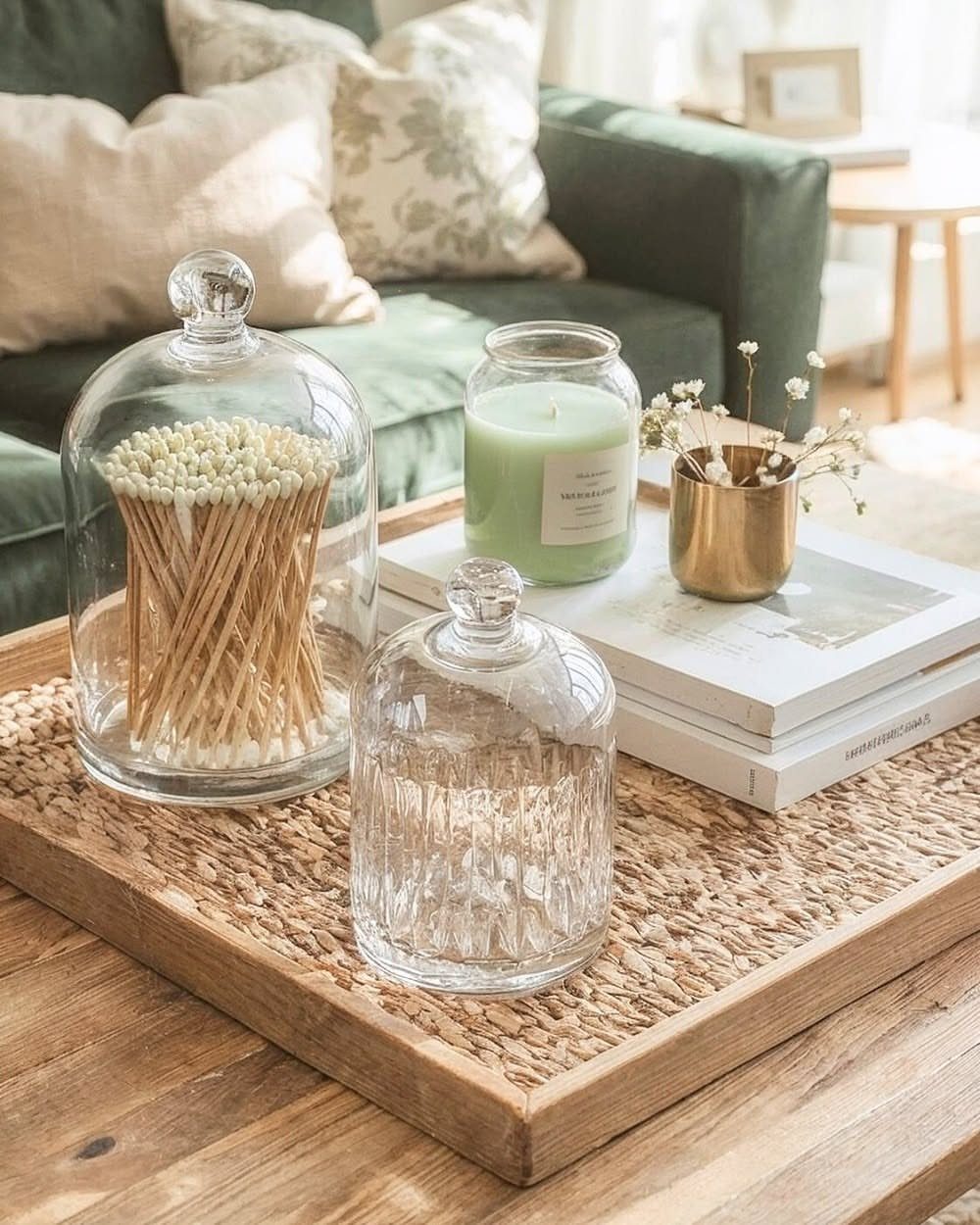
A tray pulls your coffee table decor together in a way that separate pieces just sitting on the surface can’t match.
It gives you a defined area to work with, so you can group smaller items like candles, a vase, and a few books without the whole setup looking scattered.
Wood trays with woven or rattan inserts work well if your table already has texture.
For a cleaner look, go with a plain wooden tray or something in marble or metal. Keep the tray’s footprint small enough that it doesn’t take over the whole table.
2. Add Candles
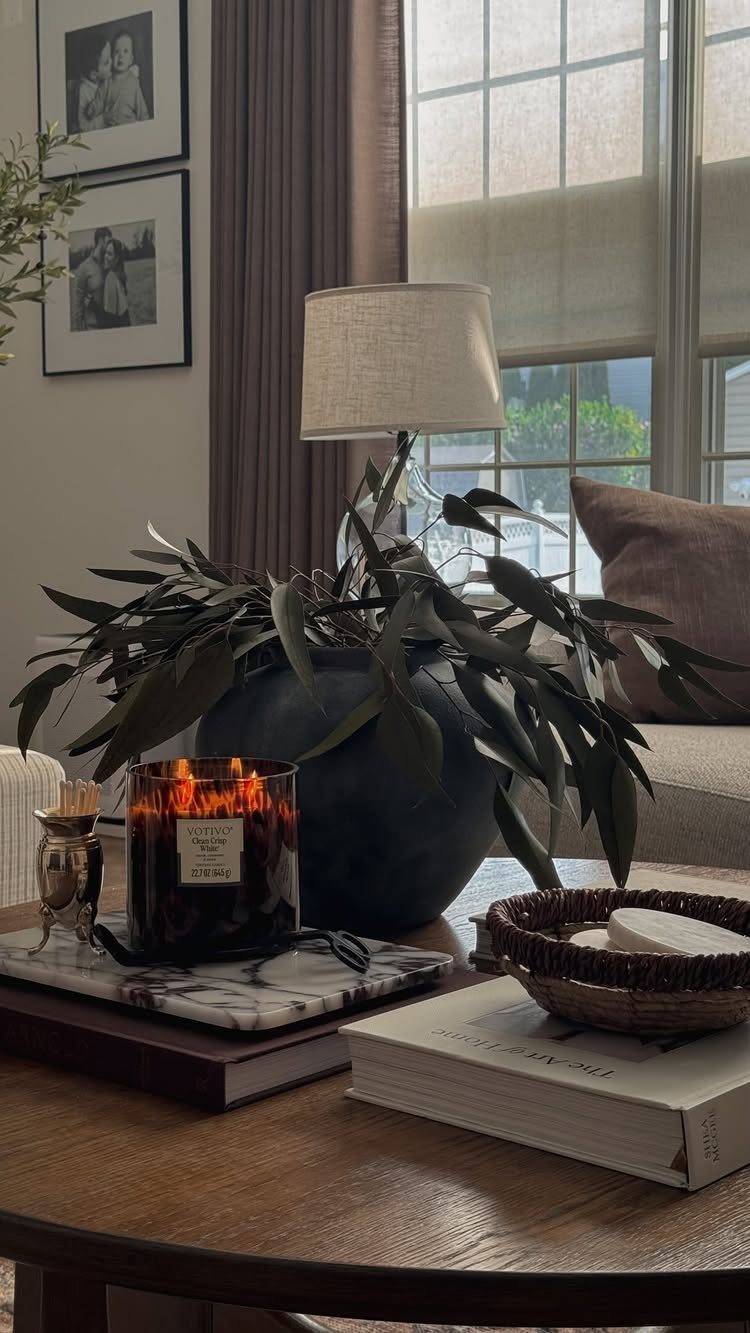
Candles add warmth without taking up much space, and a lit one changes the feel of the room faster than anything else you can set on a coffee table.
Jar candles work best here because the wax stays contained and the flame sits lower than a taper.
Black or dark-colored jars look deliberate next to books and trays.
If you want the candle to blend in more, go with clear glass or a neutral ceramic. Set it on a small tray or coaster so any drips or dust stay off the table itself.
3. Beautiful Books
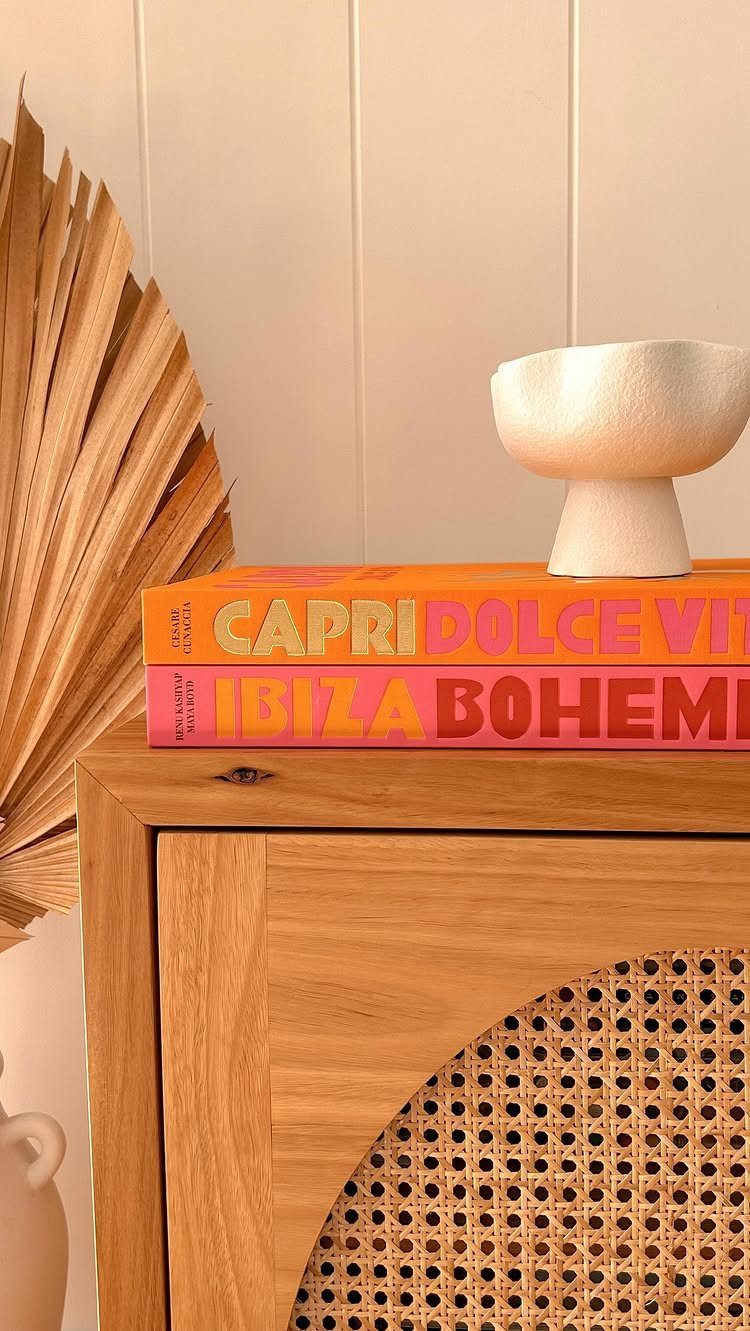
Books give you height and color, and stacking a few of them creates a platform for smaller objects.
The spines and covers become part of the display, so pick books with colors that either match your room or add a contrast you actually want to see every day.
Oversized art and design books work well because they’re wide enough to hold a bowl or a small vase on top. Stack them with the largest on the bottom, and offset the edges slightly so each spine shows.
4. Decorative Bowls
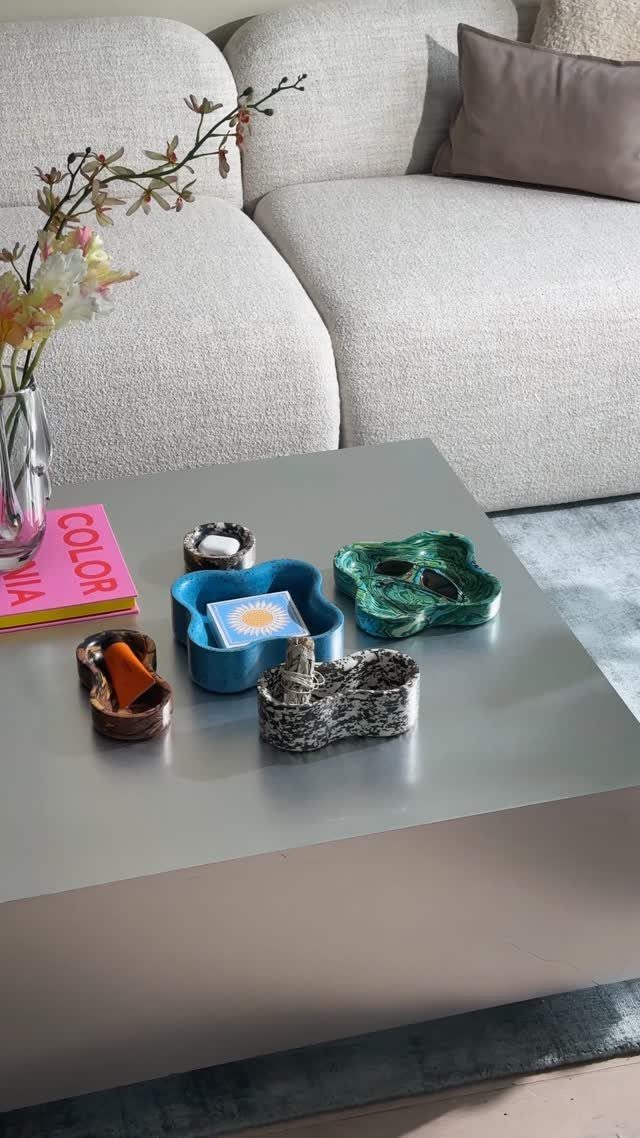
Bowls sit low, hold things, and add shape without blocking sight lines across the table. The organic, freeform bowls in bright colors give you something sculptural that still works as a catch-all for remotes or coasters.
If your sofa and walls are neutral, a set of colored bowls brings in accent colors without committing to a full pillow swap.
Pick a few in different sizes and group them together, or use one larger bowl on its own. They’re most useful when you actually put things in them, not just for show.
5. Use a Decorative Chain
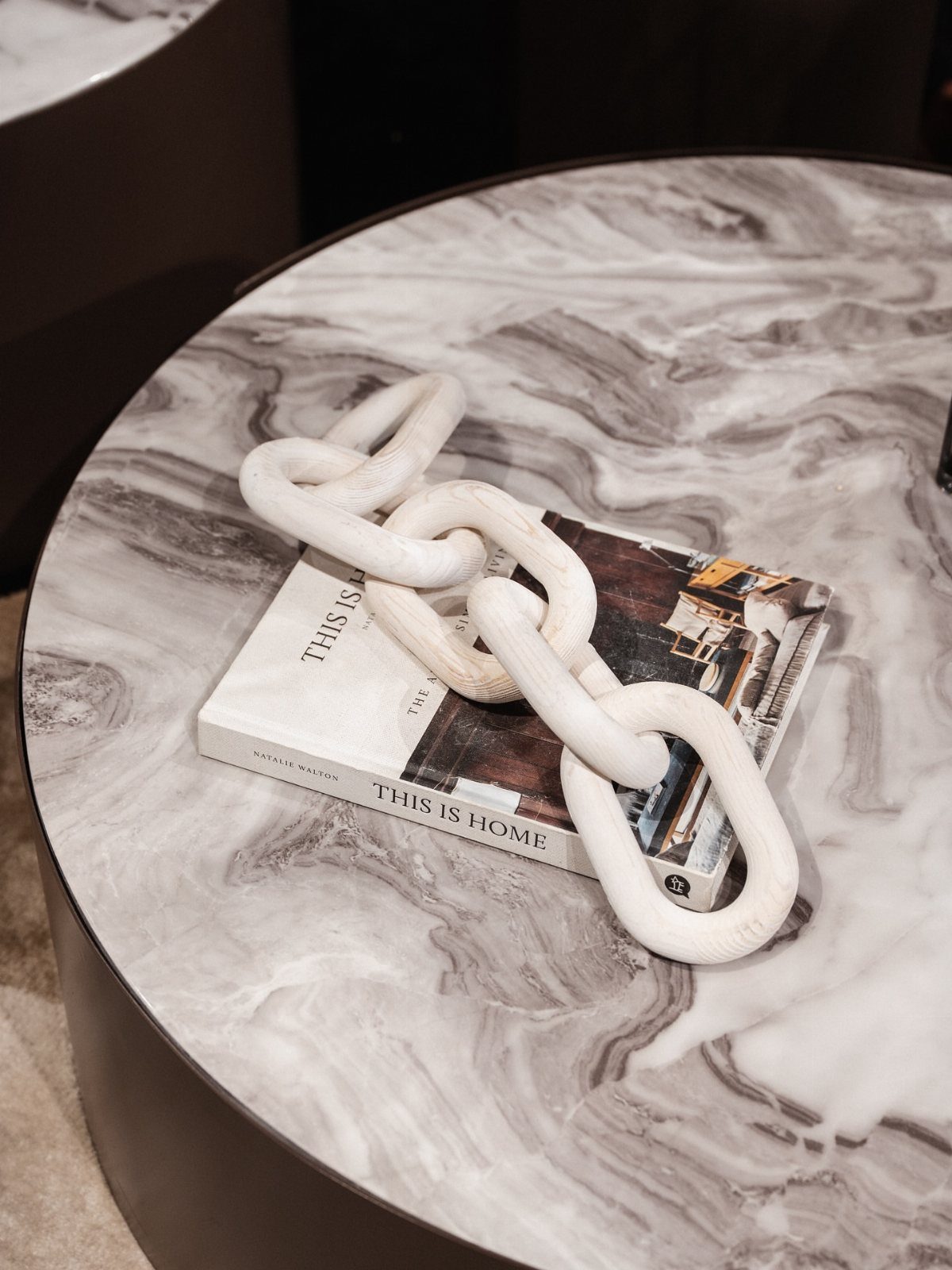
A decorative chain is one of those objects that doesn’t serve a function but still earns its spot because it’s interesting to look at.
The chunky, oversized links read as sculpture, and the white finish keeps it from feeling too heavy on the table.
Lay it flat across a book or let it drape partway off the edge.
It works best when the rest of your setup is fairly simple, a few books and maybe a small vase, so the chain stands out as the one purely decorative piece.
6. Get Sculptural
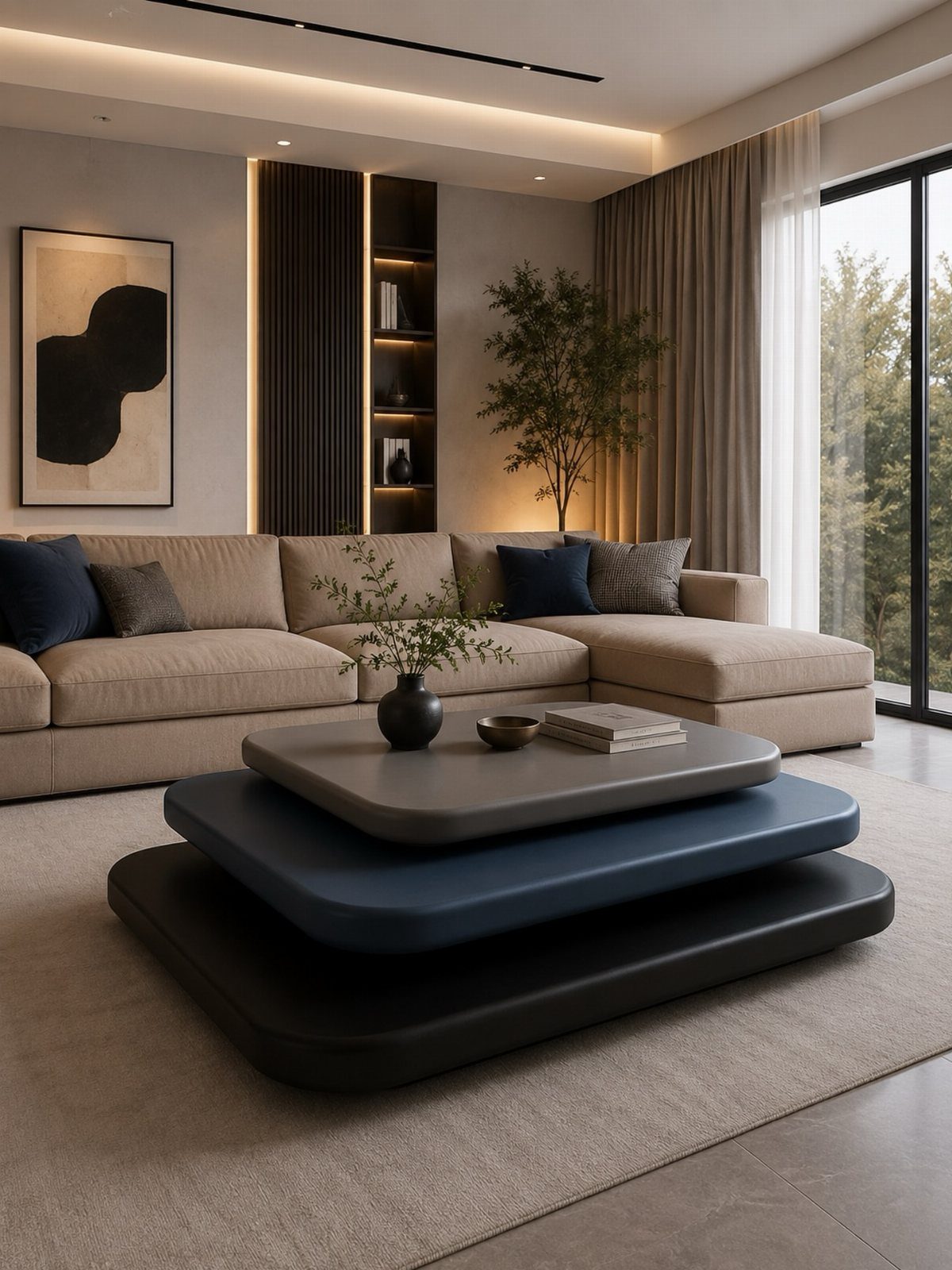
Sculptural pieces bring in the kind of visual weight that makes a coffee table feel finished without adding clutter.
Look for objects with clean lines and interesting shapes: abstract forms, carved wood, ceramic figures, or anything that sits somewhere between decor and art.
The tiered table here does some of that work on its own, but a single sculptural object works on any table.
Keep it in a neutral color if the rest of your room has a lot going on, or go bold if your walls and furniture are plain. One strong piece is usually enough.
7. Vase with Leafy Branches
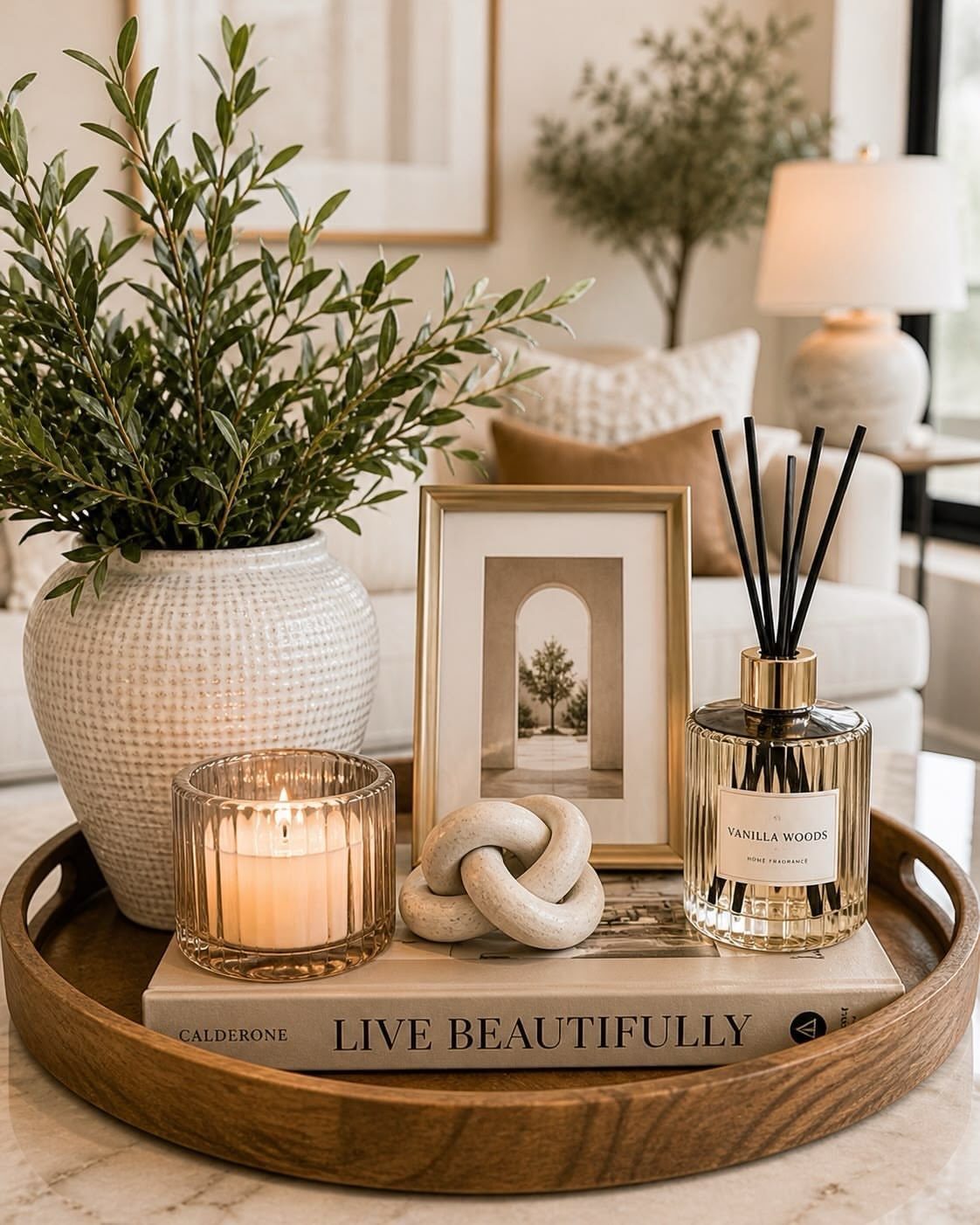
Leafy branches in a vase give you the height and shape of a floral arrangement without the upkeep.
Cut a few stems from eucalyptus, olive, or any greenery that holds up without water for a week or two, and set them in a ceramic or textured vase.
The branches fill vertical space without blocking the view across the table, and they work year-round. If the stems start to dry out, swap them for fresh ones or switch to preserved eucalyptus, which lasts months.
8. Low Floral Arrangement
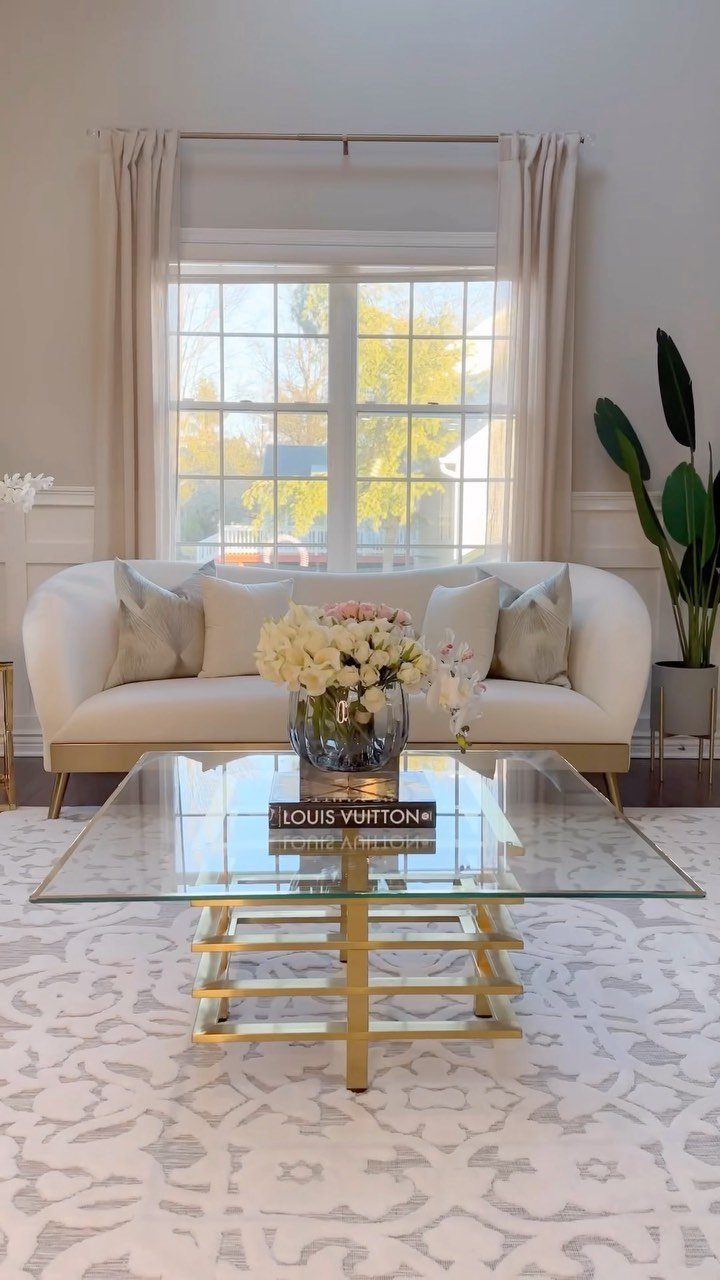
Low arrangements keep flowers on the table without forcing people to lean around them during a conversation. The blooms sit just above the rim of the vase, so you get color and texture without the height of a standard bouquet.
Use a wide, shallow vase or a low cylinder, and cut the stems short enough that the flowers fan out instead of standing tall. This works best when the table sits between seating where people face each other.
9. Seasonal Decor
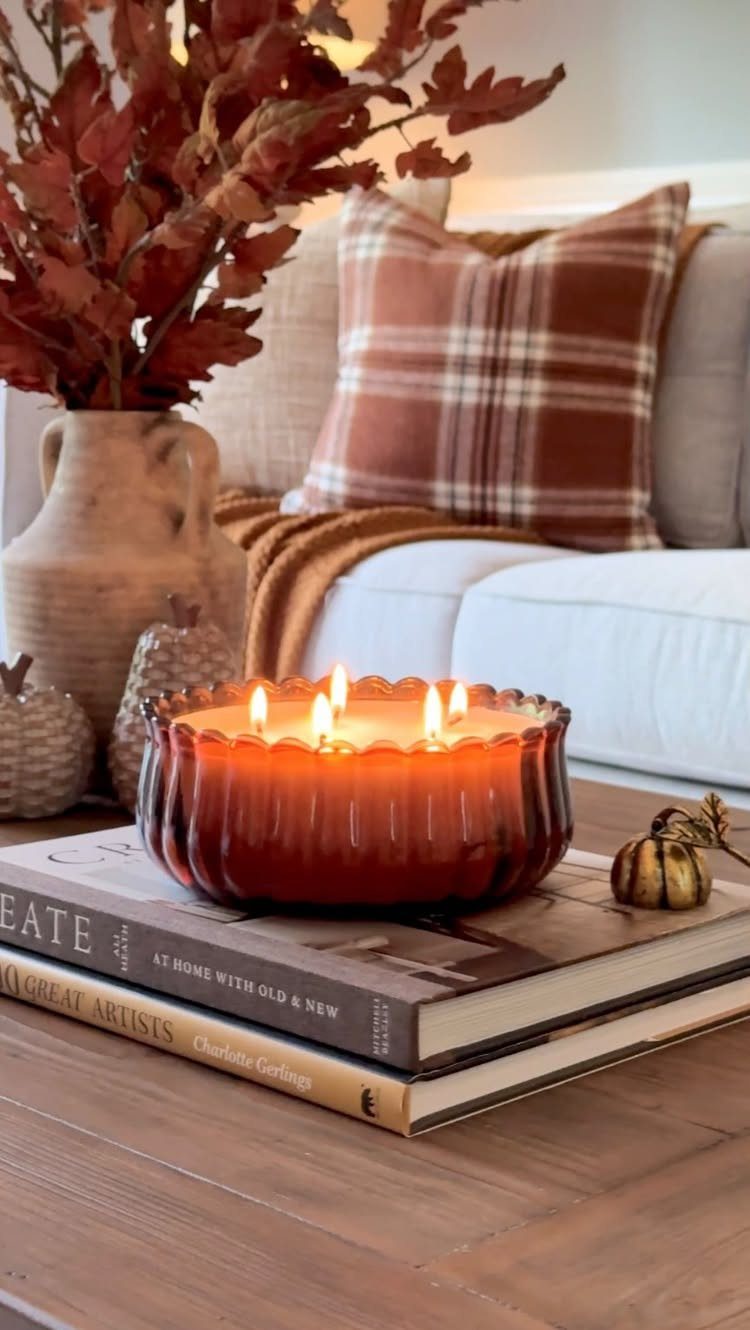
Swapping a few pieces on your coffee table with the season keeps the space from looking stale without a full redesign.
In fall, that might be a small pumpkin, amber candles, and a vase of dried leaves. In spring, swap them for fresh flowers and lighter colors.
Change a few items, not the whole setup. Keep the books and trays, and just rotate what sits on top of them.
10. Create a Game Centerpiece
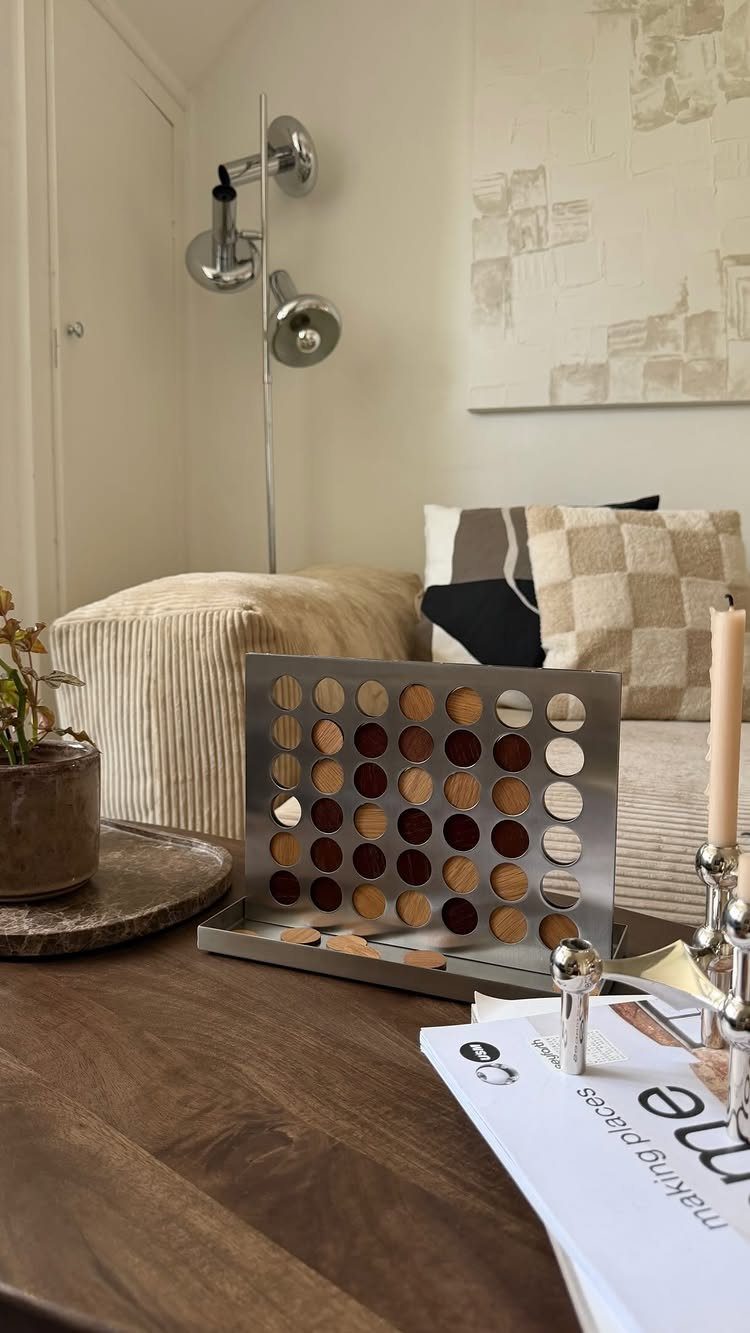
A game left out on the coffee table gives people something to do with their hands, and it doubles as decor when you pick one that looks good just sitting there.
Metal or wood games with clean lines work better than plastic or brightly colored boxes.
Connect Four, chess sets, or stacking games fit the look. Leave it set up or halfway through a round so it reads as something you actually use, not just a display piece.
Swap books for tabletop objects, puzzles for candles and flowers—or just mix it all together and let your coffee table serve as a decorative catchall displaying your current obsessions.
11. Minimalist Coffee Table
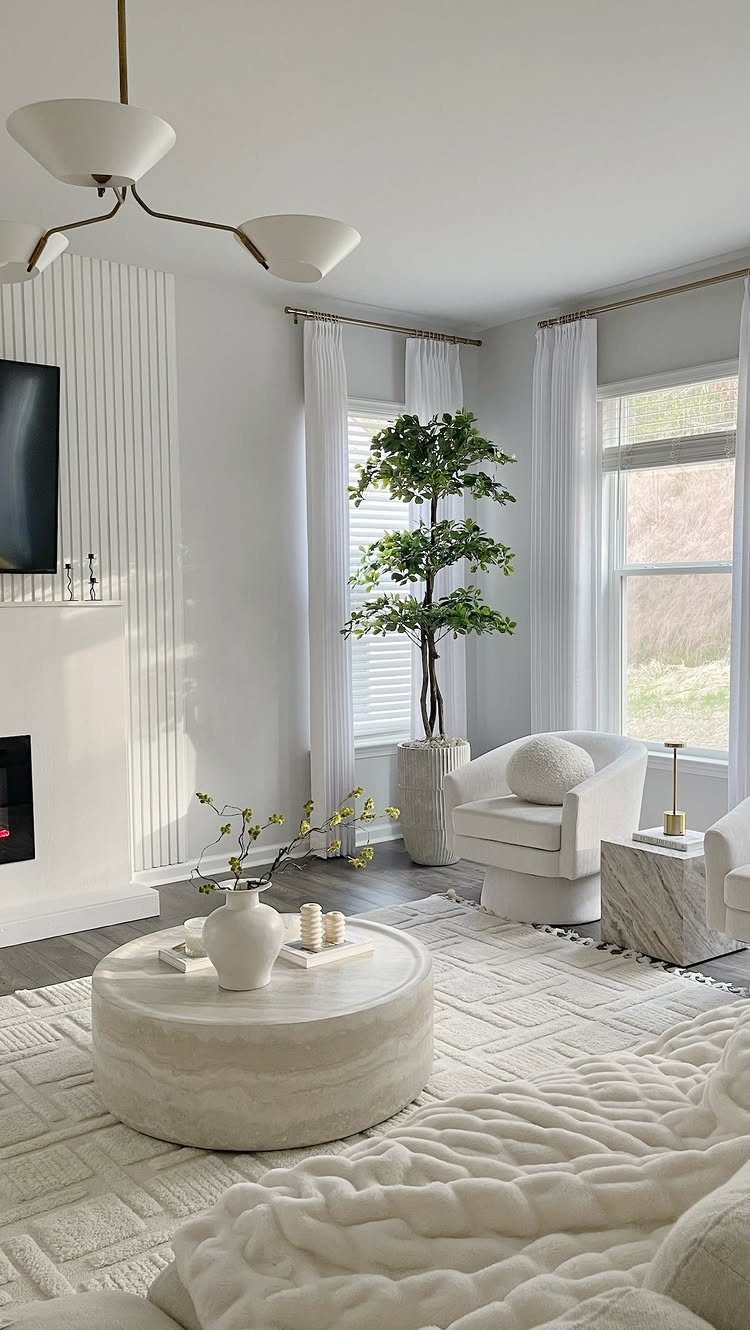
A minimalist setup means fewer objects, and the ones you keep have to carry more weight.
Stick to a vase, a candle, and maybe a small bowl. The table itself does some of the work here if it has an interesting shape or material.
Stone and travertine tables already bring texture, and most look better with just a candle or a small arrangement.
Glass tables need a bit more to avoid looking bare, but the same rule applies: keep it to a few pieces that sit low and don’t compete with each other.
12. Vintage Trunk Coffee Table
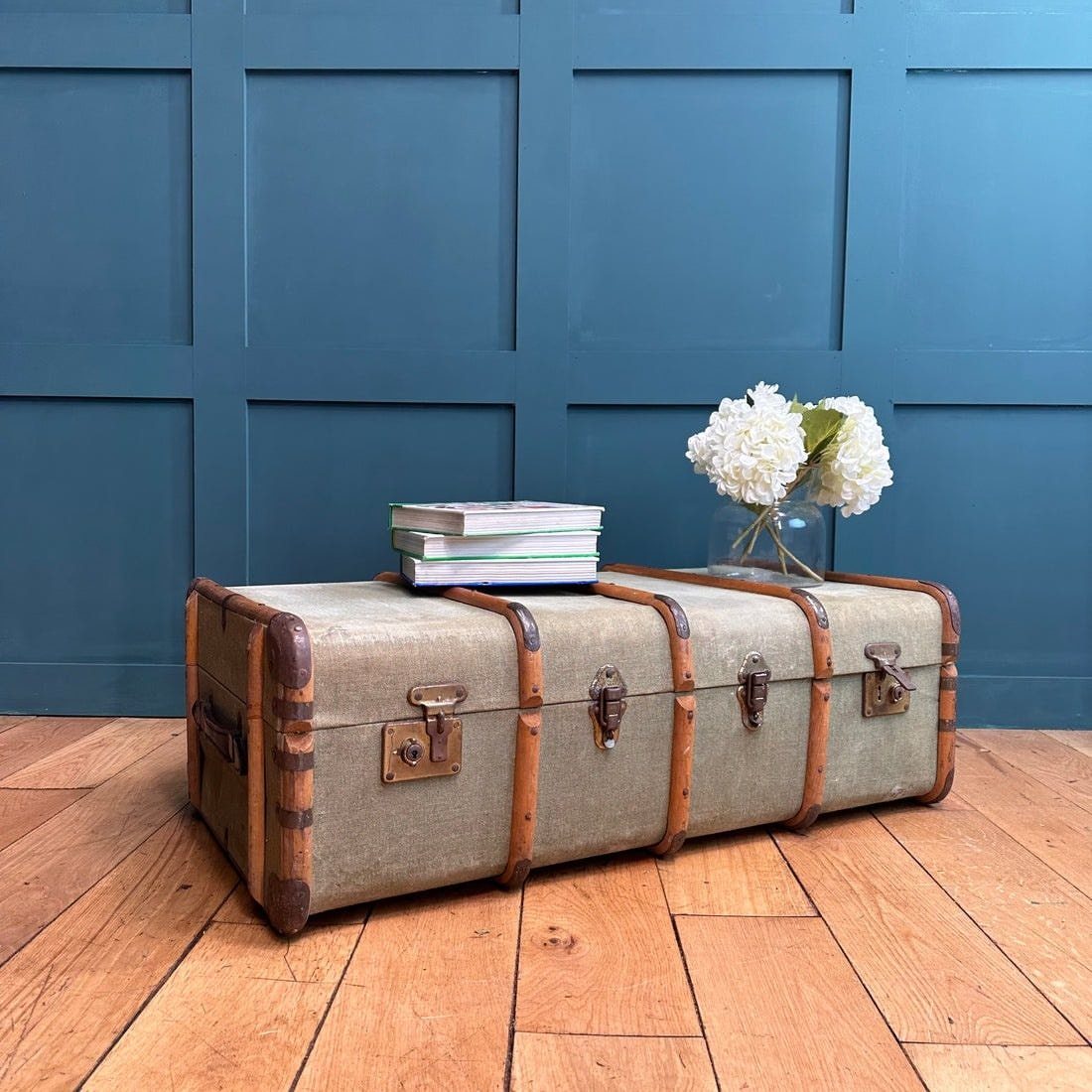
A vintage trunk works as a coffee table when you need storage and surface space in one piece.
The lid becomes the table, and everything inside stays hidden. Trunks with metal corners and worn leather or wood finishes add texture without looking too polished.
Style the top the same way you would a flat coffee table: books, a vase, maybe a tray. The trunk itself has presence, and most look finished with just a book stack or a single tray.
13. Use a Decorative Box
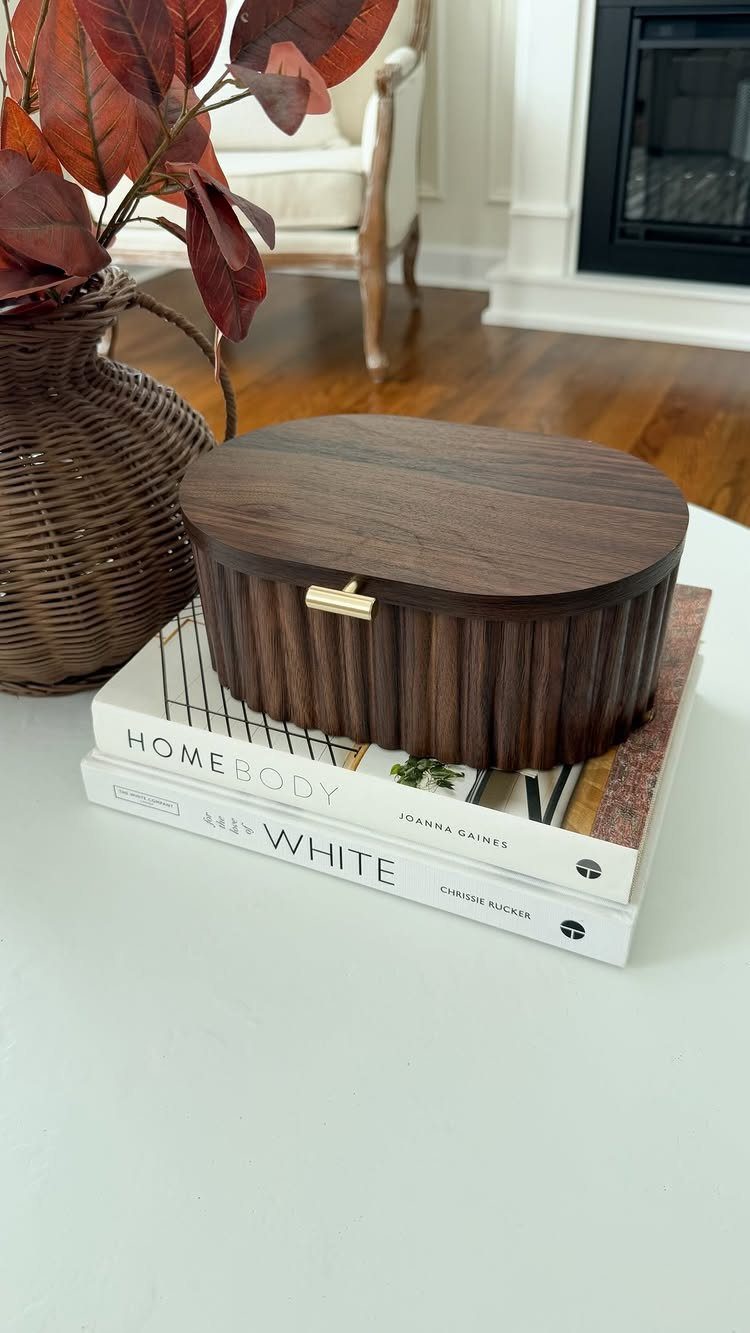
A decorative box keeps remotes, coasters, or charging cables out of sight while giving you something worth looking at on the table.
Wood boxes with metal or brass handles look more finished than wicker baskets, and the lid means you can toss things inside without worrying about how they land.
Set the box on a stack of books to lift it up, or use it alone if the table is busy.
Pick one in a finish that matches or contrasts with your table, darker wood on light surfaces or painted boxes on wood tables.
14. Use a Fabric Runner
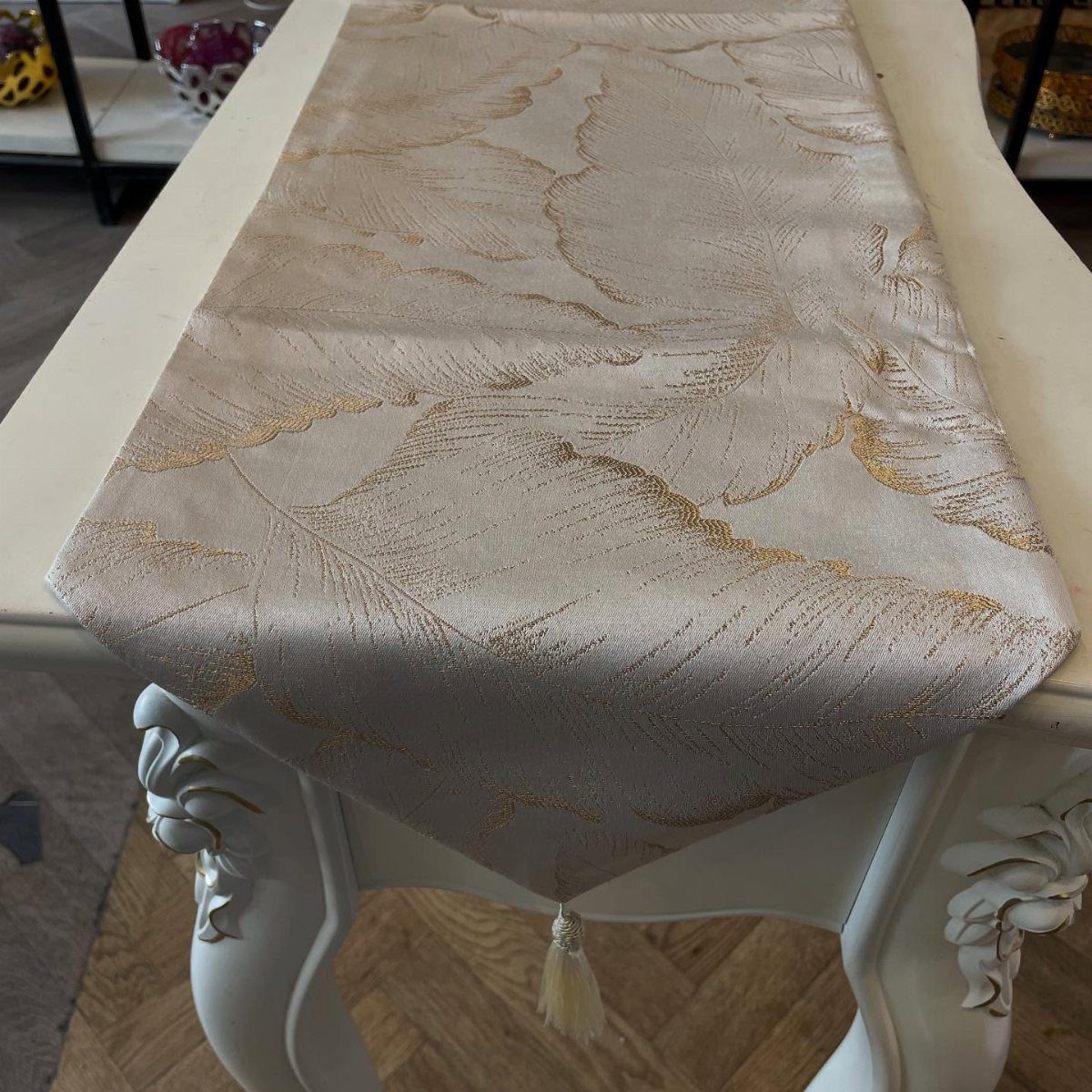
Fabric softens a hard table surface in a way that trays and vases can’t, and a runner gives you a strip of color or pattern without covering the whole top.
Silk or velvet runners with tassels look deliberate, not accidental, and metallic patterns catch light when the rest of the table is matte.
Drape it so one end hangs over the edge, or center it and set a tray or vase on top to anchor it. Stick to one runner, layering fabric reads fussy on a coffee table.
15. Two-Tiered Coffee Table
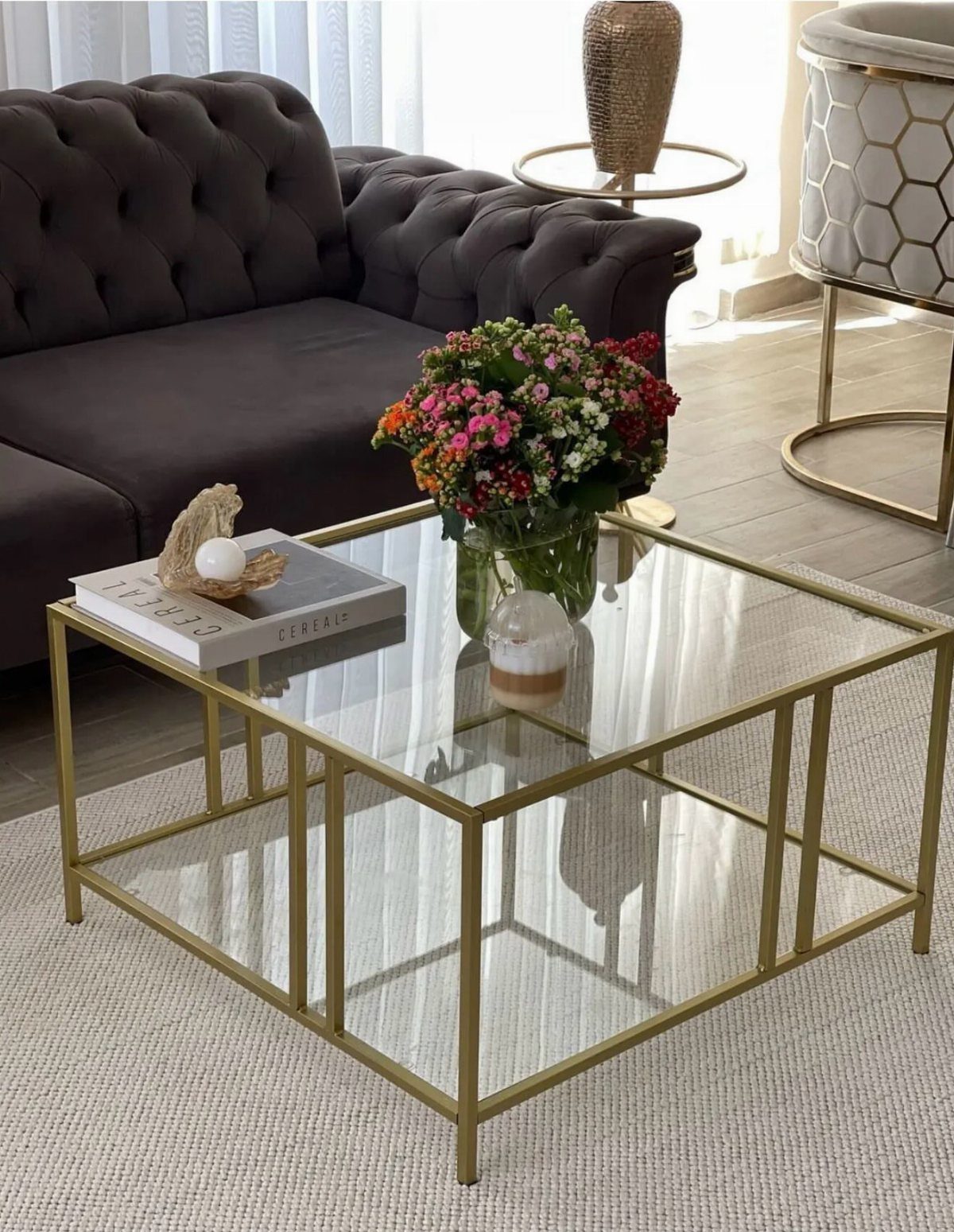
2 tiers double your surface area without making the table feel crowded.
The lower shelf holds books, a tray, or anything you want within reach but not front and center, while the top stays open for the pieces you actually want to see.
Glass shelves keep the table light, and metal frames in brass or gold add warmth. Style the top tier the way you would a single-surface table, and use the lower one for storage or a few spare pieces.
16. Use Coasters
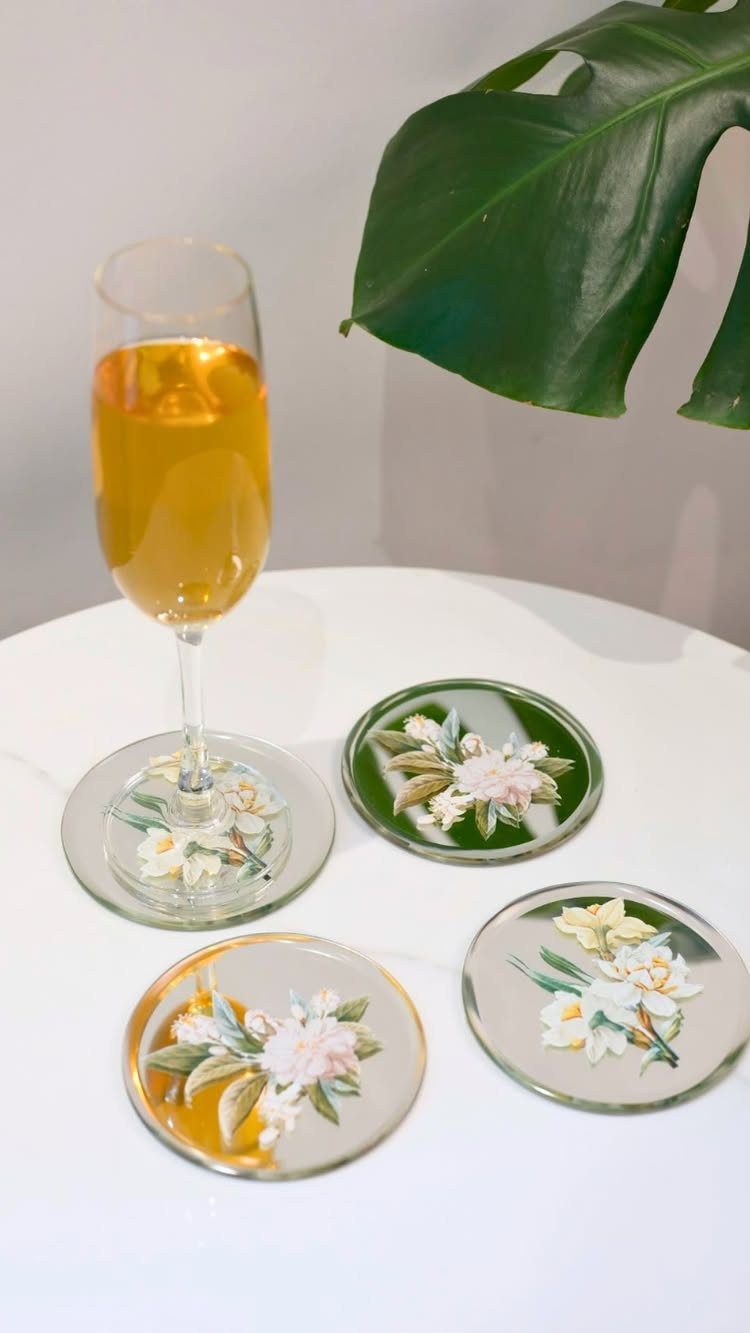
Coasters protect the table and become part of the setup when you pick ones that look good sitting out.
Clear resin coasters with pressed flowers or leaves inside add color and texture without taking up much visual space, and they work on glass or wood tables.
Leave a stack of 4 or 6 on the table, or spread a few out if you’re setting drinks down. Avoid thick cork or felt-backed coasters unless you’re actually worried about water damage, they read more practical than decorative.
17. Black Elements
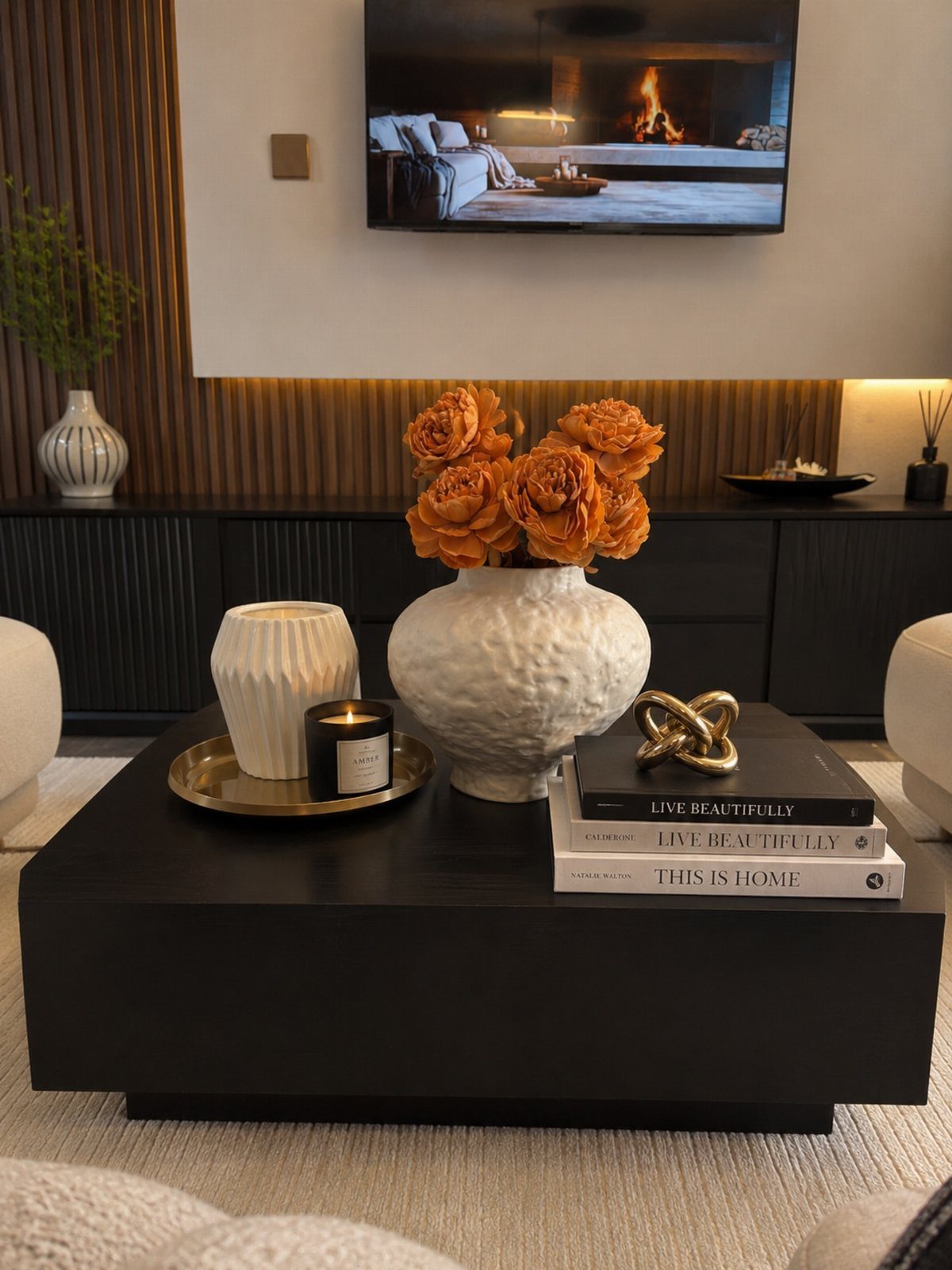
Black grounds a coffee table when the rest of the room skews light or neutral.
A black table, black candles, or black frames create contrast against white or beige walls and sofas, and they make brighter accent colors like orange or pink stand out more than they would on their own.
If your table is already dark, bring black in through smaller pieces: a candle, a tray, or a vase. It anchors the setup without adding weight the way darker wood sometimes does.
18. Use Glass Cloches
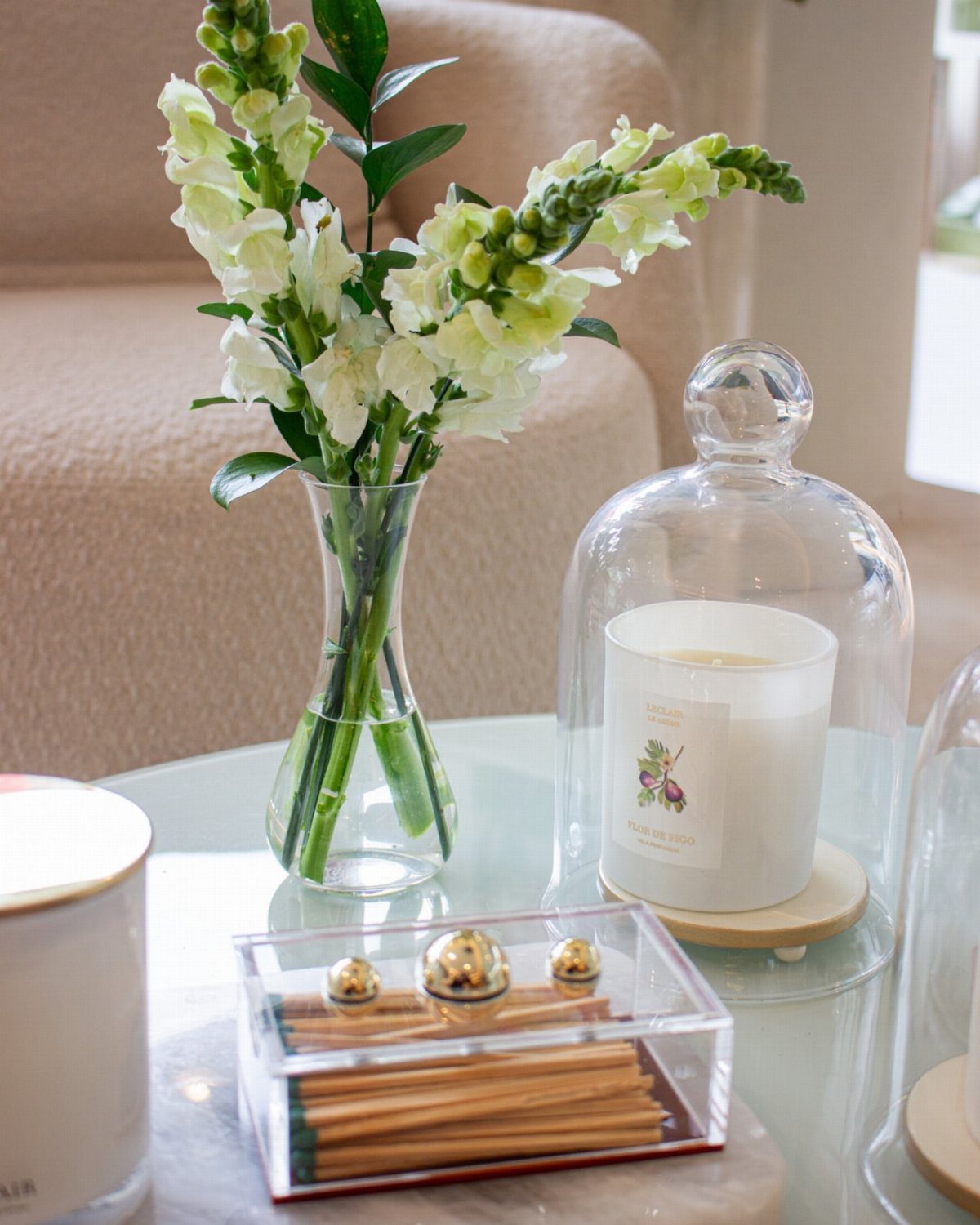
A glass cloche turns a single candle or small object into something worth looking at by giving it its own space.
The dome keeps dust off and makes whatever sits under it feel more intentional, like you put it there to display it, not just because you had room.
Use a cloche over a candle, a small plant, or a decorative object.
Keep the base simple so the cloche itself stays the focus, and set it on a tray if the table is glass so it doesn’t disappear into the surface.
19. Add a Match Cloche
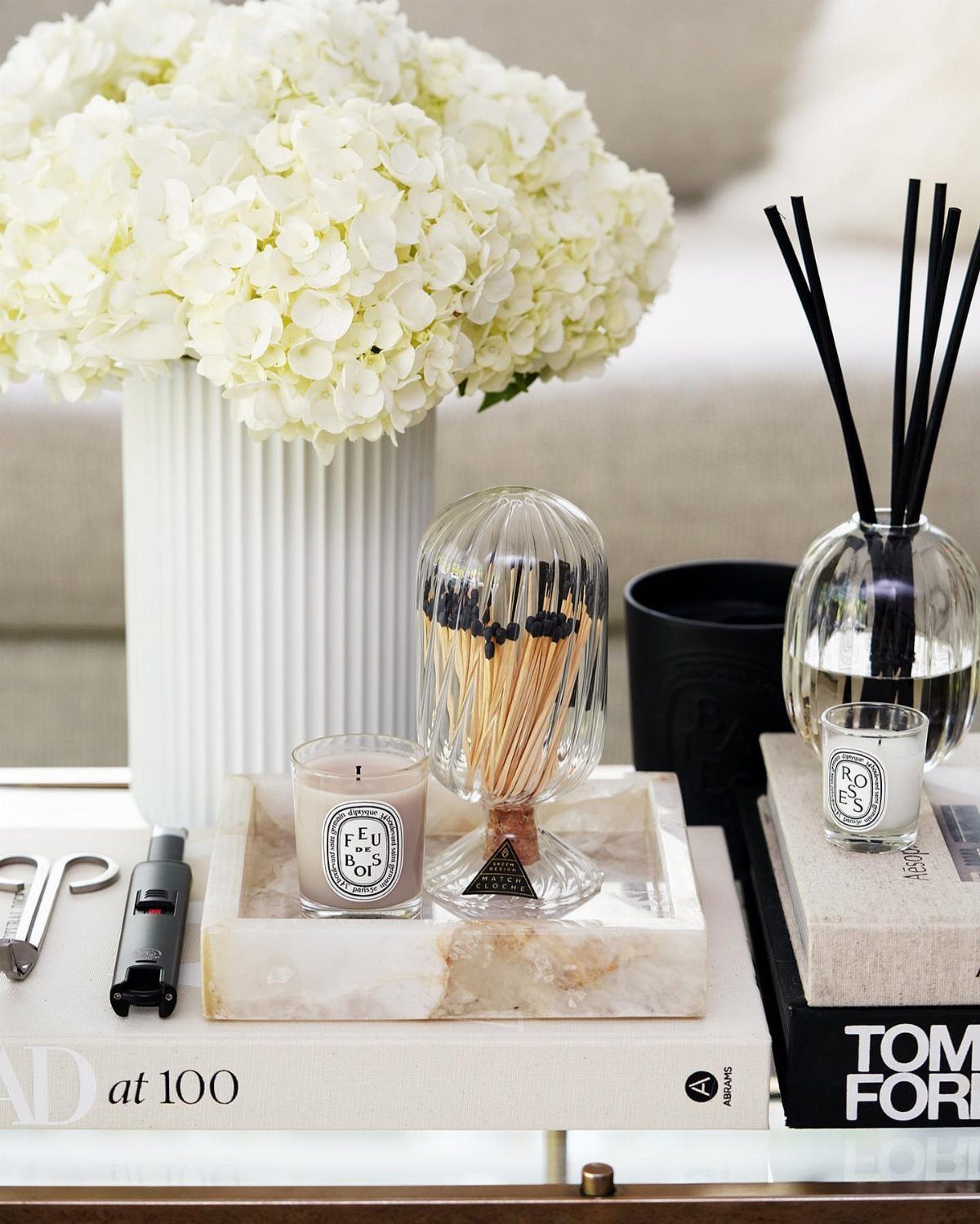
A glass cloche filled with matches sits on the table as something you’ll actually use, not just look at. The dome keeps the matchsticks upright and visible, and reaching for one feels more deliberate than digging through a drawer.
Pick long matches in white or natural wood so they read as decor when the cloche is full.
Set it near a candle or on a tray with other small objects. The clear glass works on any table finish, and refilling it takes seconds.
20. Potted Plants and Cacti
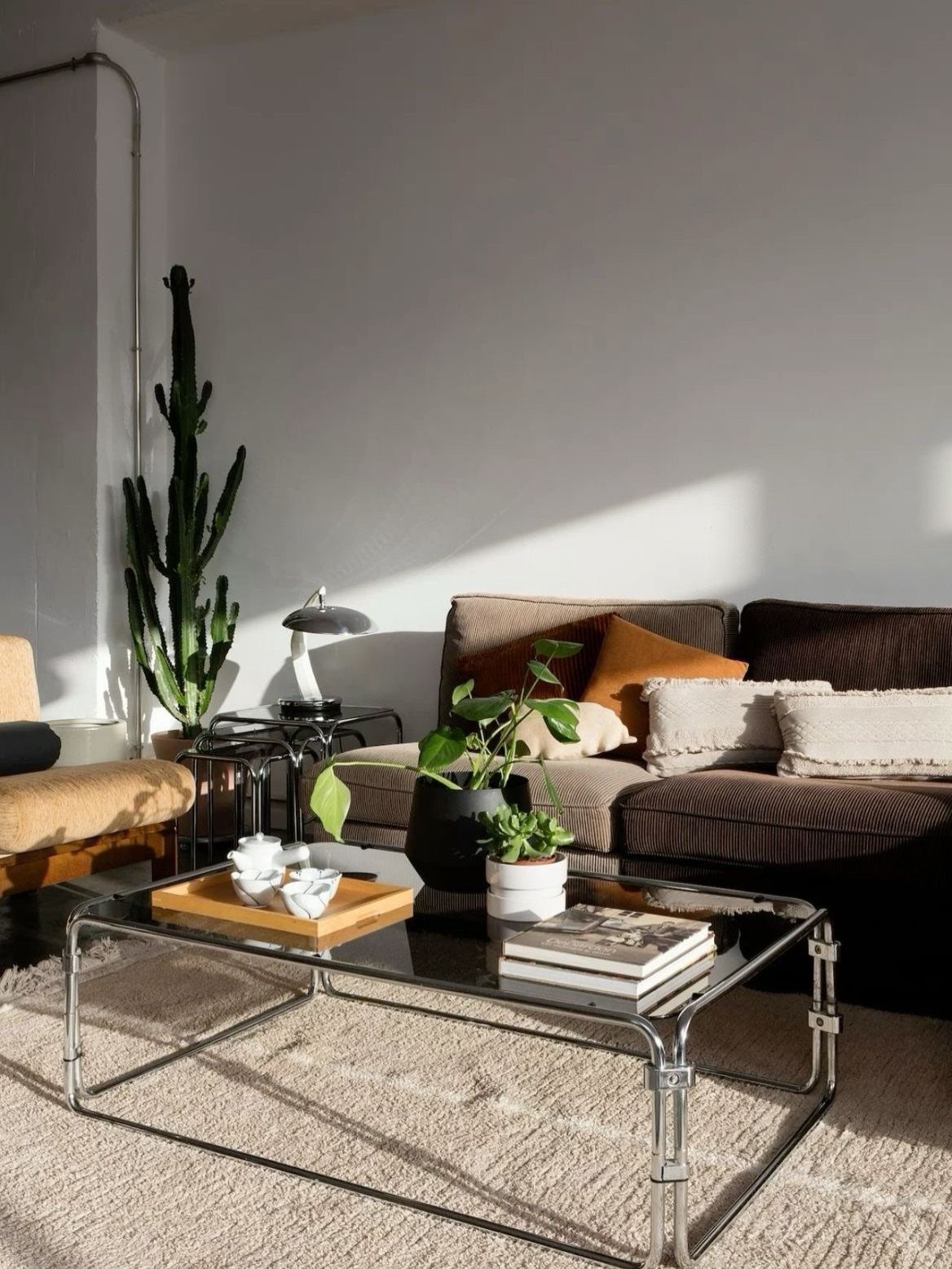
Small potted plants bring in green without the weekly swap that cut flowers need. Succulents and cacti work best because they stay compact and need water every week or two, not daily attention.
Use ceramic or terracotta pots in neutral colors so the plants stand out, and group a few together on a tray or directly on the table.
Acrylic and glass tables show off the pots from every angle, and plants soften the hard edges without adding clutter.
Layering Techniques
Layering means mixing heights so the table doesn’t read flat. Start with a tall piece like a vase or candlestick, then add something wider and lower like a stack of books or a bowl.
The tall item pulls the eye up, and the heavier piece anchors the setup at table level.
Different shapes matter as much as different heights.
A round bowl next to a stack of rectangular books gives you variety without adding more objects. Weight helps too: a solid wooden tray or ceramic piece balances out glass or metal so the whole arrangement doesn’t feel too light.
If everything sits at the same height, the table looks like a shelf. One tall element is usually enough.
Editing Your Decor
If you can’t set a drink down or reach the remote without moving something, the table has too much on it.
Pull a few pieces off and see if what’s left still looks finished. Most tables work better with 3 to 5 objects than with 7 or 8.
Grouping items helps.
A tray with a candle, a small vase, and a book reads as one unit instead of three separate things competing for attention. That leaves the rest of the table open.
Balanced zones work when you divide the table into sections and give each one a clear purpose: one for decor, one for a remote or coasters, one left empty.
The zones don’t need to be equal, just defined enough that the setup doesn’t sprawl.
Choosing the Right Tray
Shape matters less than size. A round tray on a rectangular table breaks up the lines, but a rectangular tray on the same table works just as well if it fits.
A tray corrals smaller items so they read as a group instead of scattered pieces.
Material should either match the table or contrast with it.
A wood tray on a wood table blends in and lets the objects on top stand out. A metal or marble tray on wood creates contrast and becomes part of the display itself.
Frequently Asked Questions
What can I put in the middle of my coffee table?
A tray works best in the center because it groups smaller items like candles, books, and a vase into one defined area instead of letting them scatter.
Pick a wood, marble, or metal tray that leaves some table surface visible. If you skip the tray, a low vase with branches or a decorative bowl gives you a focal point without blocking sight lines.
What is the 2/3 rule for coffee tables?
The 2/3 rule means your decor should cover about two-thirds of the table’s surface, leaving one-third open for drinks and remotes. This keeps the table from looking bare or so full that nothing functions.






