
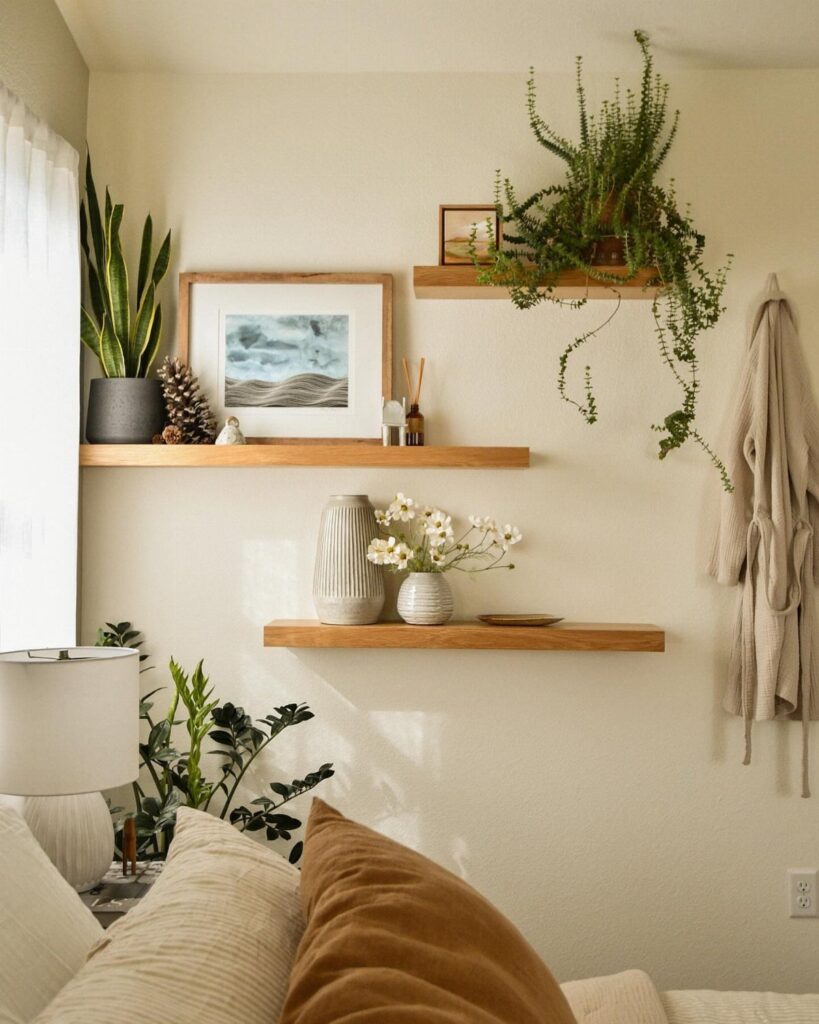
A shelf can hold books arranged by color, a pothos plant on a pedestal tray, or a row of clear glass jars grouped together.
The idea that works depends on whether you want the shelf to feel organized, lived-in, or functional.
I stand books upright and lay a few flat so I have a surface to set a small object on, and I leave space between pieces so each one reads clearly instead of crowding into the next.
1. Books
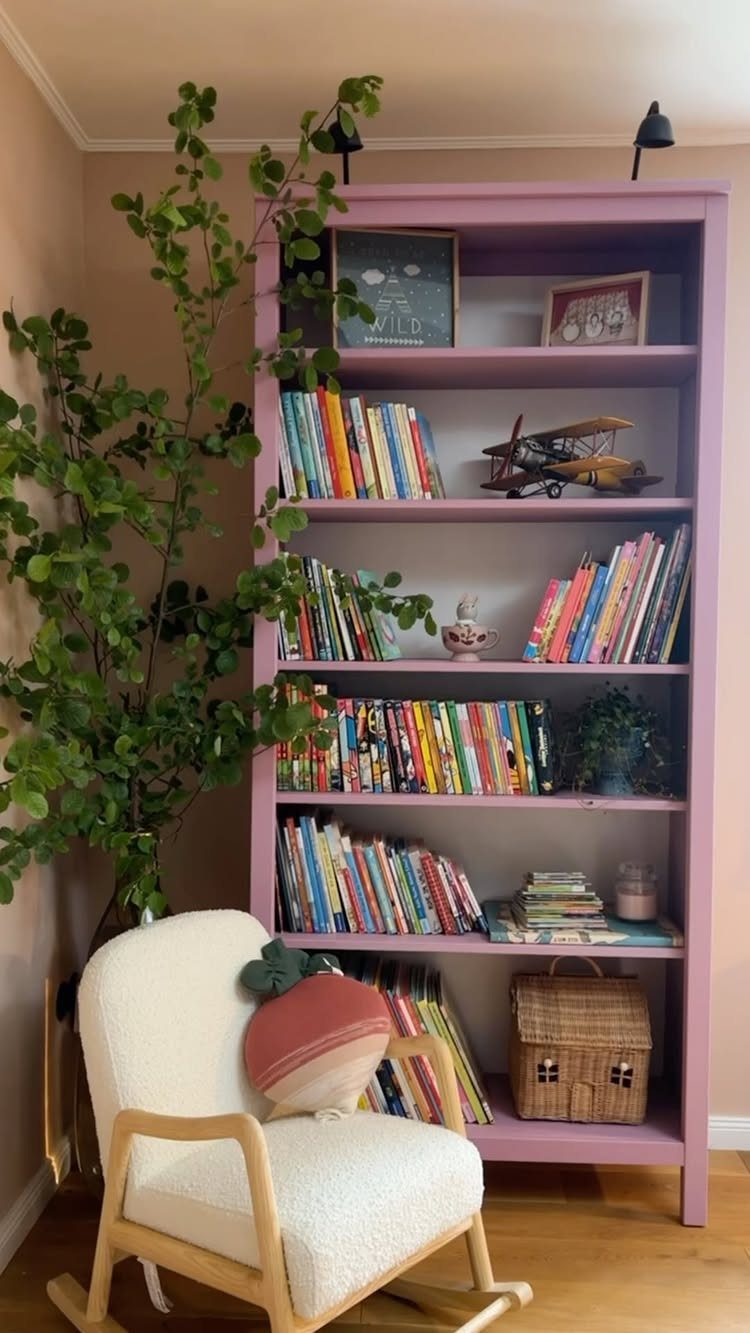
Books fill a shelf faster than almost anything else you own, and their spines alone give you color, pattern and texture without spending a dollar.
I arrange mine by color when I want the shelf to feel organized and intentional, or mix them up if the room needs to look more lived-in. Hardcovers add weight to a composition, and paperbacks soften it.
If your collection skews one color, that sets the tone for everything else you add. A shelf of white and cream spines wants neutrals and natural wood, while bright picture books can anchor a playroom shelf on their own.
2. Decorative Objects
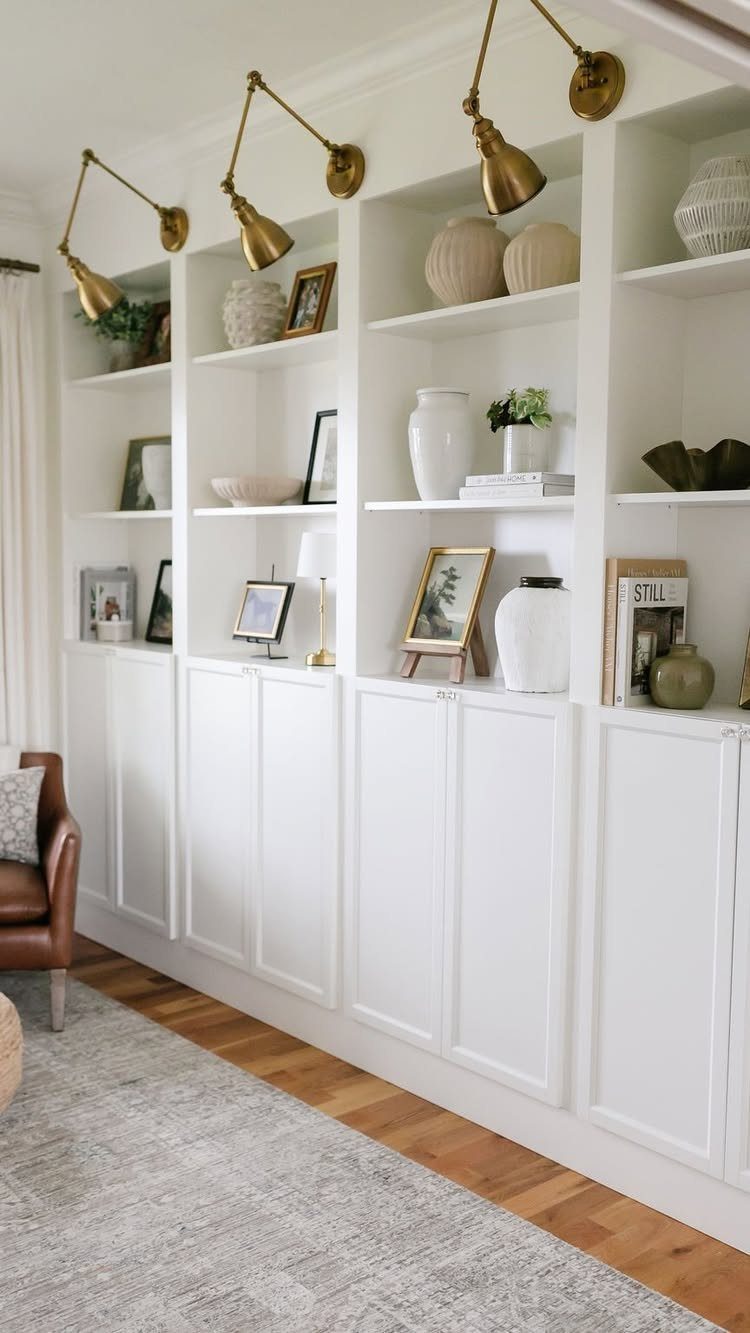
Shelves need objects that do nothing but look good.
I keep a few ceramic vases, a small sculpture, and a brass bowl in rotation, and I swap them between rooms when I get tired of seeing the same thing in the same spot.
I choose pieces with different shapes and finishes so they do not blend together. A tall thin candlestick next to a round textured pot creates contrast without requiring much space.
Thrift stores and estate sales are where I find most of mine. I look for anything with an interesting silhouette or an unusual glaze, and I skip anything that feels too matchy.
3. Add Life with Greenery
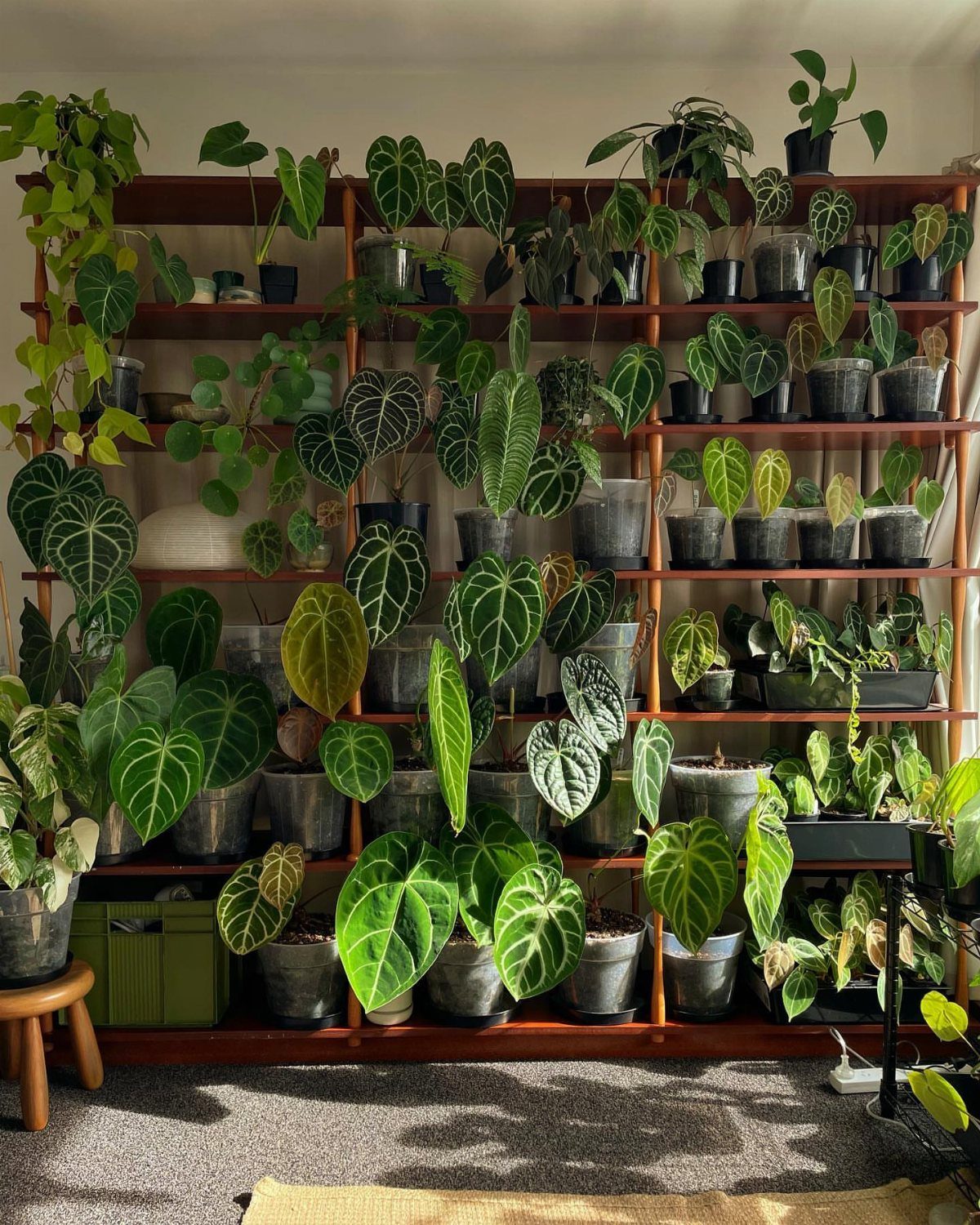
Plants break up hard edges and make a shelf feel less static. I use a mix of trailing pothos, upright snake plants, and small ferns, and I move them around every few months so the light stays even.
Real plants need enough light to survive where you put them, so if your shelves sit away from a window, choose pothos or a ZZ plant.
Faux plants work if you pick ones with realistic leaves and pot them in something plain.
Water drips are a real concern. I set each plant on a small saucer or tray so it does not damage the shelf or anything underneath it.
4. Artwork and Photos
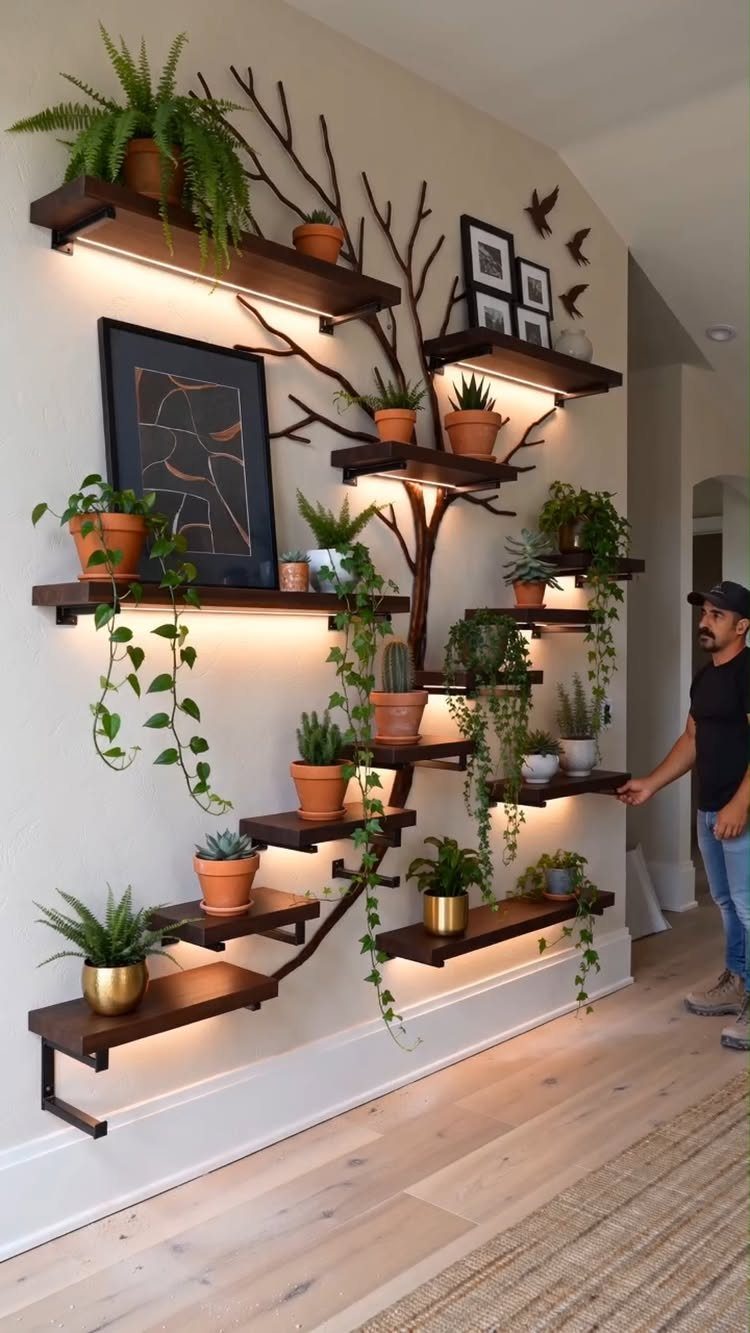
Framed art and photos give a shelf a personal edge that objects alone cannot.
I lean smaller frames against the back of the shelf instead of hanging them, and I layer them in front of books or next to a plant.
Black frames look clean and modern, wood frames add warmth, and white frames disappear into the background if the wall is light. I stick to 2 frame colors per shelf so it does not look cluttered.
Prints from local artists or your own photos make the space feel more like yours. I swap mine out seasonally to keep the shelf from going stale.
5. Pedestal Trays
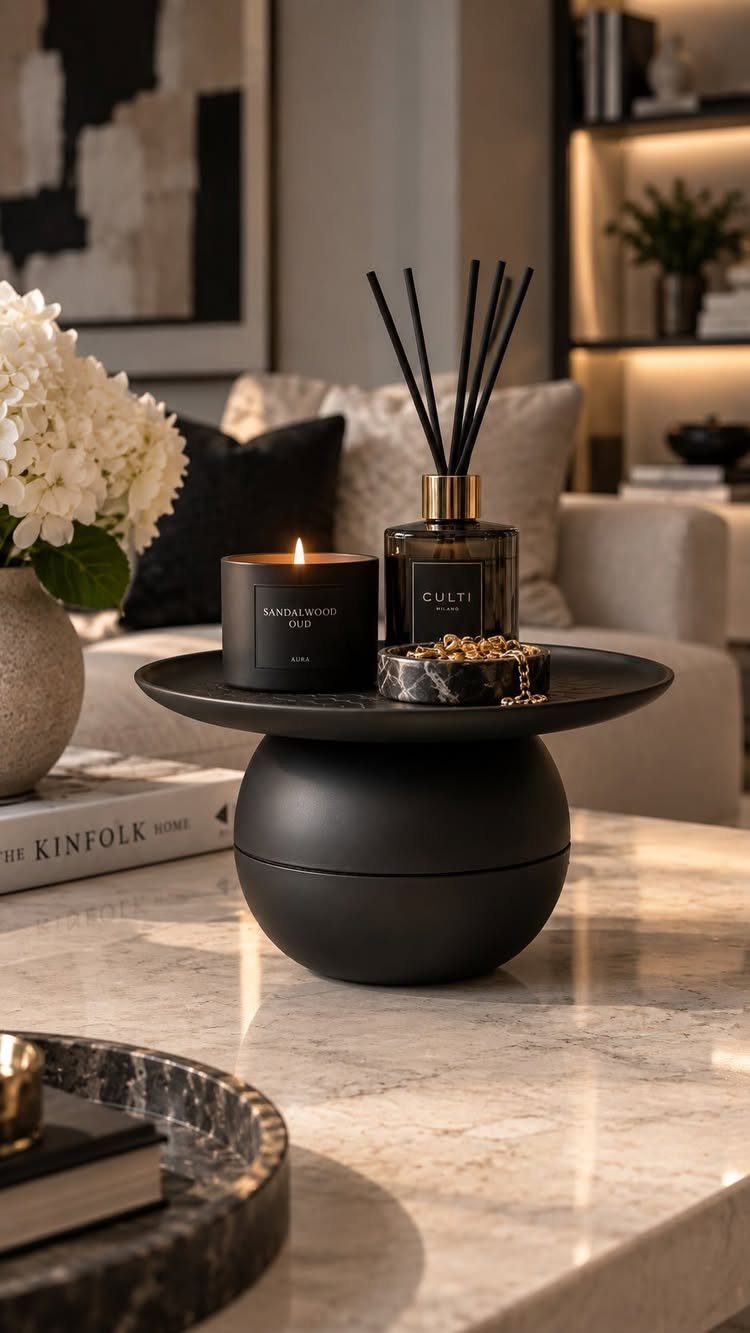
A pedestal tray lifts smaller objects off the shelf surface and groups them into one contained moment.
Black trays work on light shelves, white trays sit on dark wood, and brass or marble trays add a little luxury without much cost. I keep the tray itself simple so the objects on it get the attention.
This works best when you have several small items that would look scattered on their own. The tray contains them and makes the whole arrangement easier to move when you dust.
6. Baskets
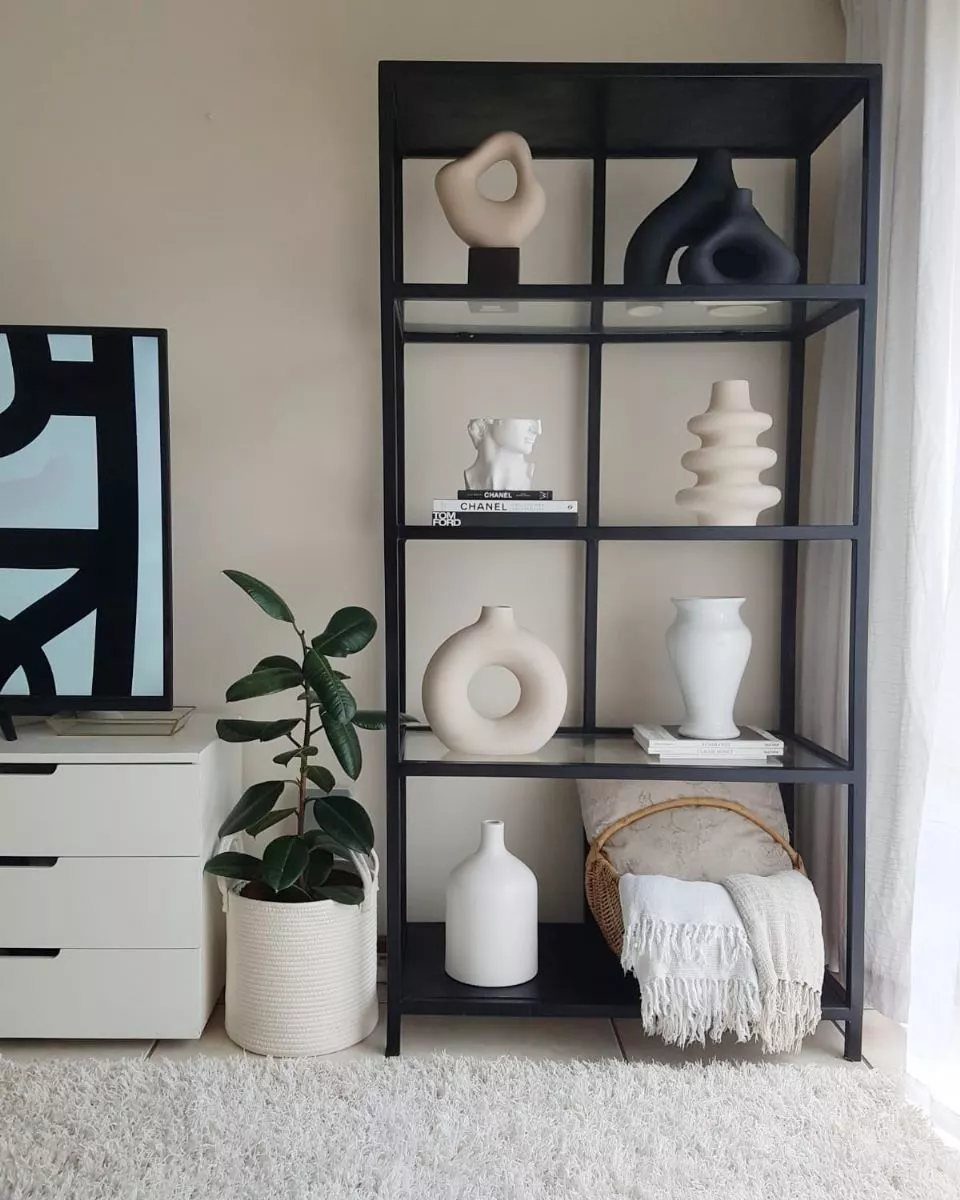
Baskets hide clutter without making the shelf look closed off. I use them on lower shelves for things I want nearby but not on display, like extra throw blankets, kids’ toys, or a stack of magazines.
Woven seagrass or rattan baskets add texture and keep the look soft, while wire baskets let you see what is inside.
I pick baskets that fit the shelf depth with an inch or 2 to spare so they slide in and out easily.
If the basket sits on a bottom shelf, you can toss a folded blanket over the edge to soften the corner and make it look more casual.
7. Clear Glass Jars
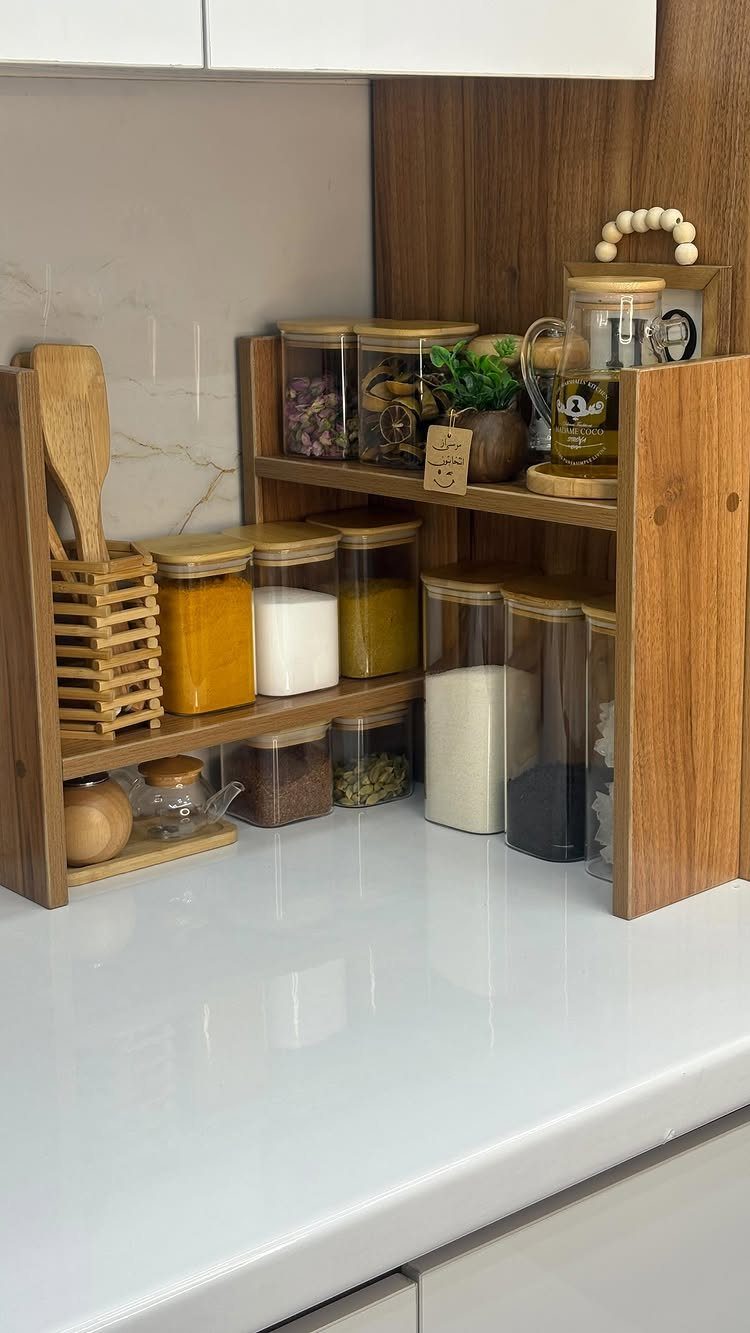
Glass jars with lids turn pantry staples into something worth looking at. I fill mine with rice, lentils, coffee beans, or dried herbs and line them up by height so the contents stay visible.
The jars themselves need to be clear, not tinted, and the lids should match in material if you want the row to look intentional. Wood lids warm up a kitchen shelf, metal lids lean modern.
This works best on open shelving where you reach for the contents often. If the jars sit untouched for months, they collect dust and the idea stops working.
8. Space Between Objects
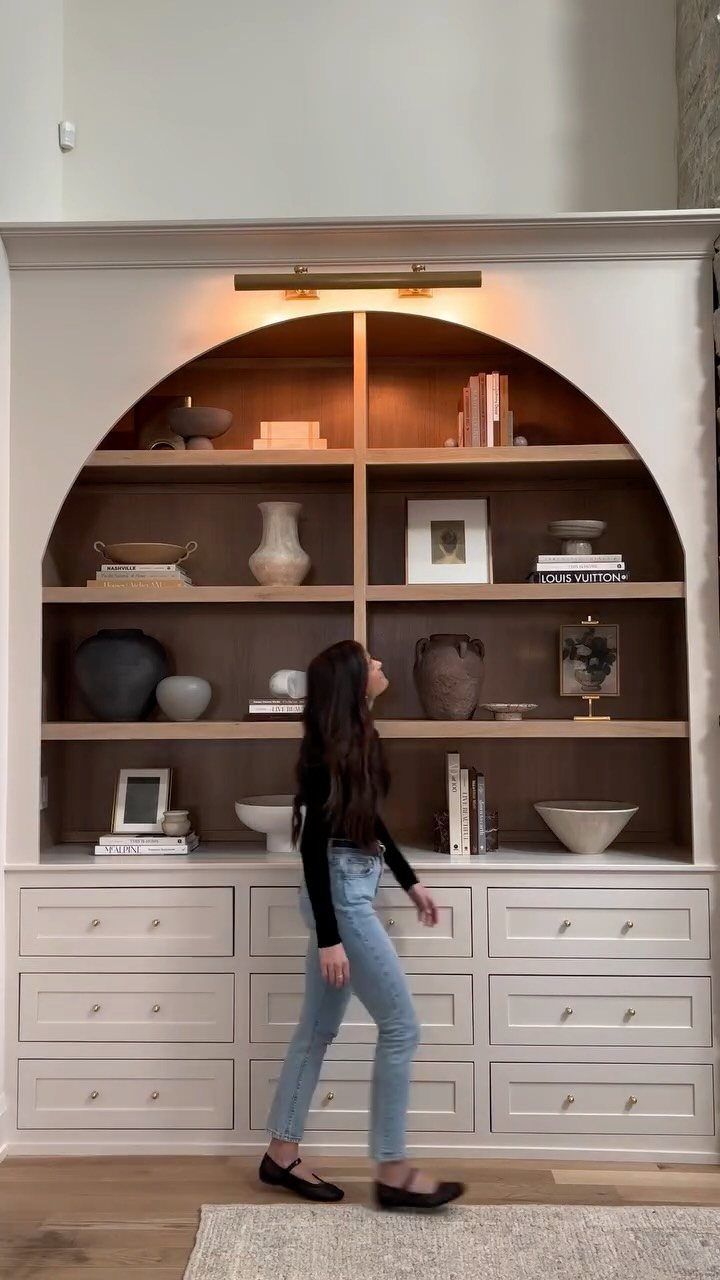
Leaving air between objects makes each one easier to see. I space mine so nothing touches, and the shelf reads as a few separate moments instead of one crowded line.
This takes more shelf real estate than packing things in, so it works best if you have enough shelves to spread out. If you only have a couple, you may need to group items tighter to fit everything.
Negative space also means you dust less often, since there are fewer corners for dirt to settle into.
9. Grouped Items
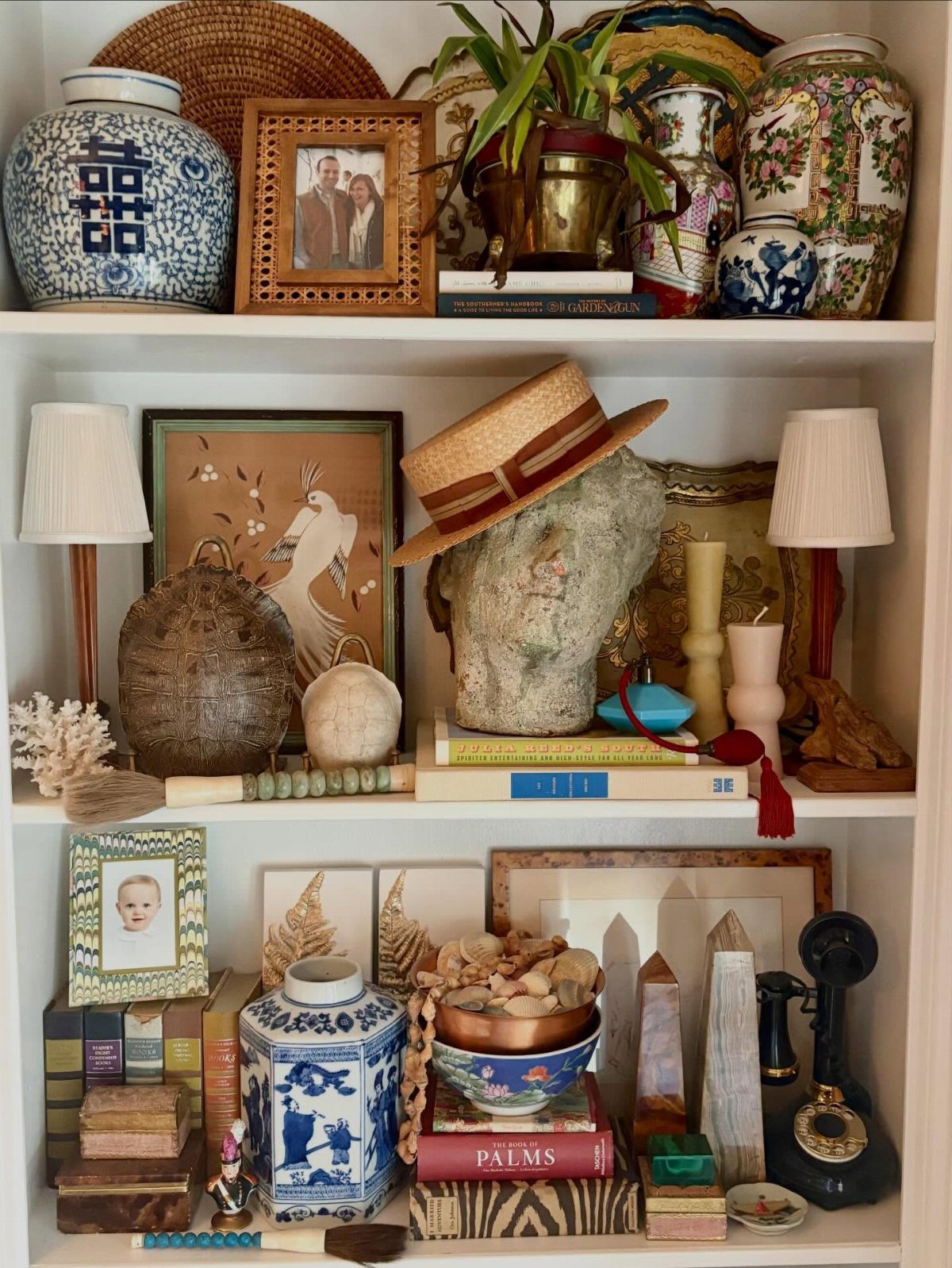
Grouping similar objects together gives a shelf structure. I cluster small ceramics on one side, stack books on the other, and keep plants separate so they get light.
The groupings can be by color, material, or type, but I stick to one rule per shelf. If I group by color on the top shelf, I keep that logic going below it.
This approach makes it easier to add or remove something without the whole shelf falling apart visually.
10. Books Standing Up + Books Lying Down + Topper
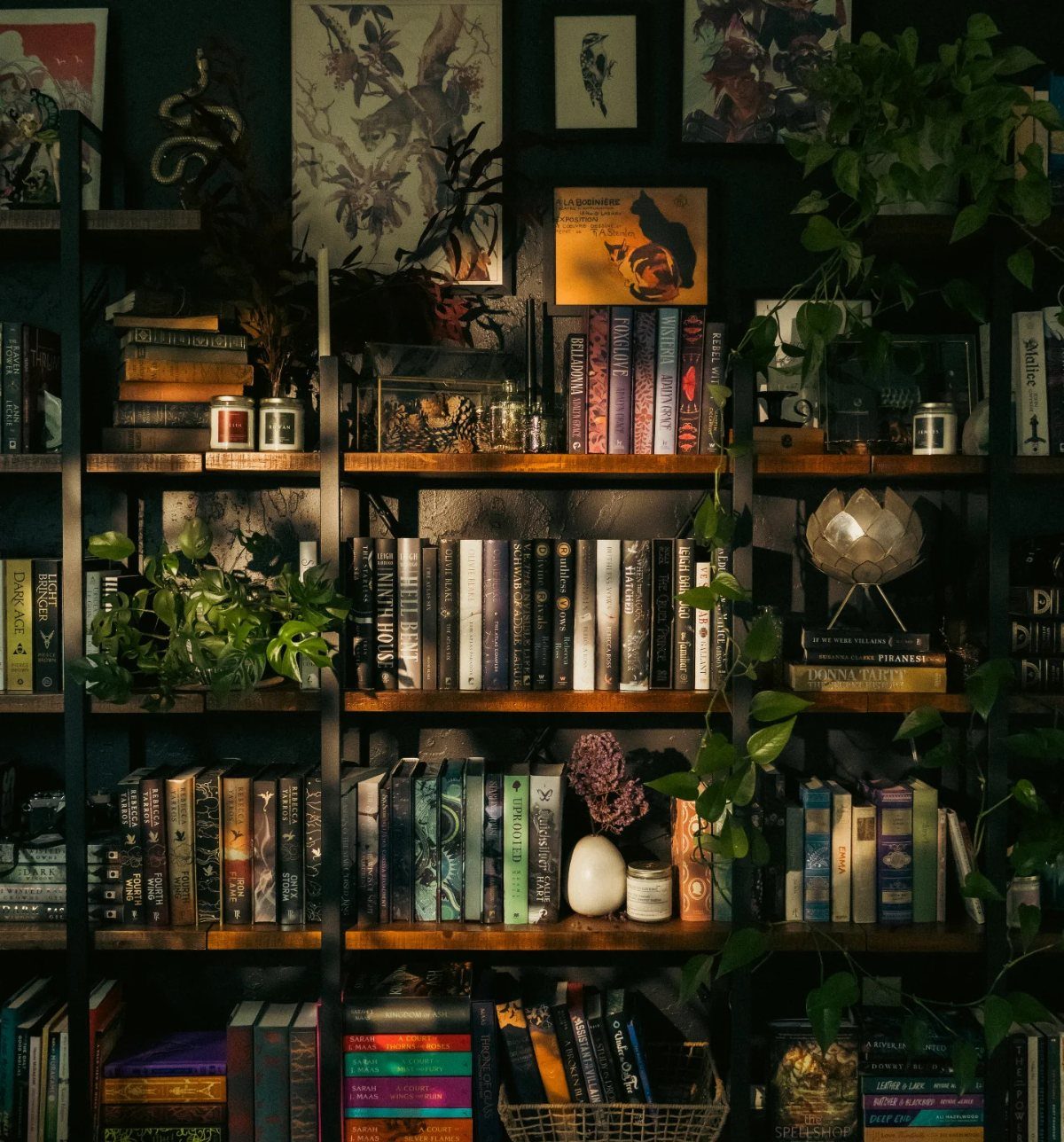
Mixing upright books with a few lying flat gives you a surface to set something on. I stand most of my books spine-out, then lay a few flat and put a small object on top.
The stack should be short enough that the object on top stays stable. I use a plant, a candle, or a small bowl, and I make sure it does not block the titles below it.
This breaks up the vertical rhythm of a shelf without requiring more objects than you already own.
Basic Principles of Shelf Styling
I place items close together by type, color, or material, and that proximity alone creates structure. A stack of bowls next to a cluster of candlesticks reads as intentional, even if the objects themselves have nothing in common.
Staggering heights keeps the eye moving.
If everything sits at the same level, the shelf flattens out and loses interest. I mix tall vases with short bowls, or I stack a few books to lift a small object higher.
Varying texture and color adds depth. A ceramic pot next to a brass tray next to a woven basket gives the shelf layers that a single material cannot.
Personal items make the shelf yours.
The good news is that styling shelves is an art, not a science—meaning you can figure it out as you go and have some fun along the way.
— Magnolia
Frequently Asked Questions
How to put decor on shelves?
Group similar items together by color, material, or type, and leave space between each grouping so nothing touches.
Stagger heights by mixing tall and short objects or stacking books to lift smaller pieces higher. Vary texture and finish so the shelf has layers instead of one flat look.
What are some creative ways to decorate with books?
Group books by spine color for a clean, orderly look, or scatter the colors if you prefer something more relaxed. Stack 2 or 3 books horizontally every few upright ones, then use the flat surface for a small vase or decorative piece.






