
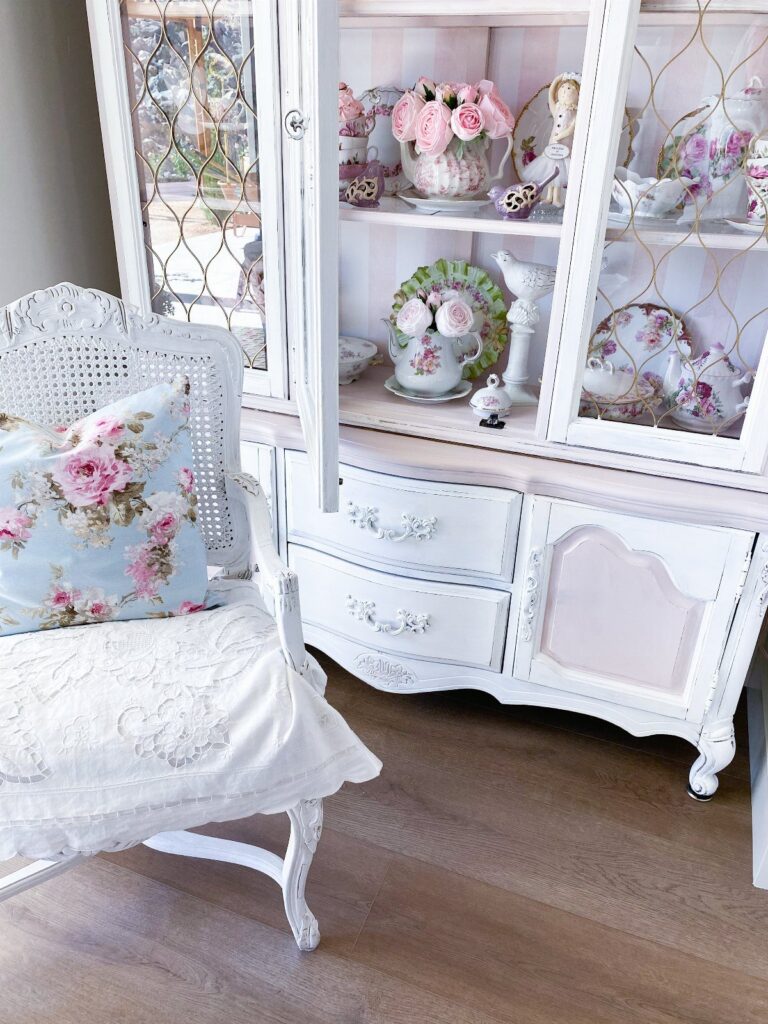
Chalk paint skips priming and sanding, decoupage transfers napkin designs permanently, and caviar beads mixed into paint hide brush strokes with texture you can feel.
The finish you want decides the method: chalk paint dries matte and fast, while distressed milk paint chips as it cures to give you a patina that looks decades old.
1. Chalk Painted Furniture
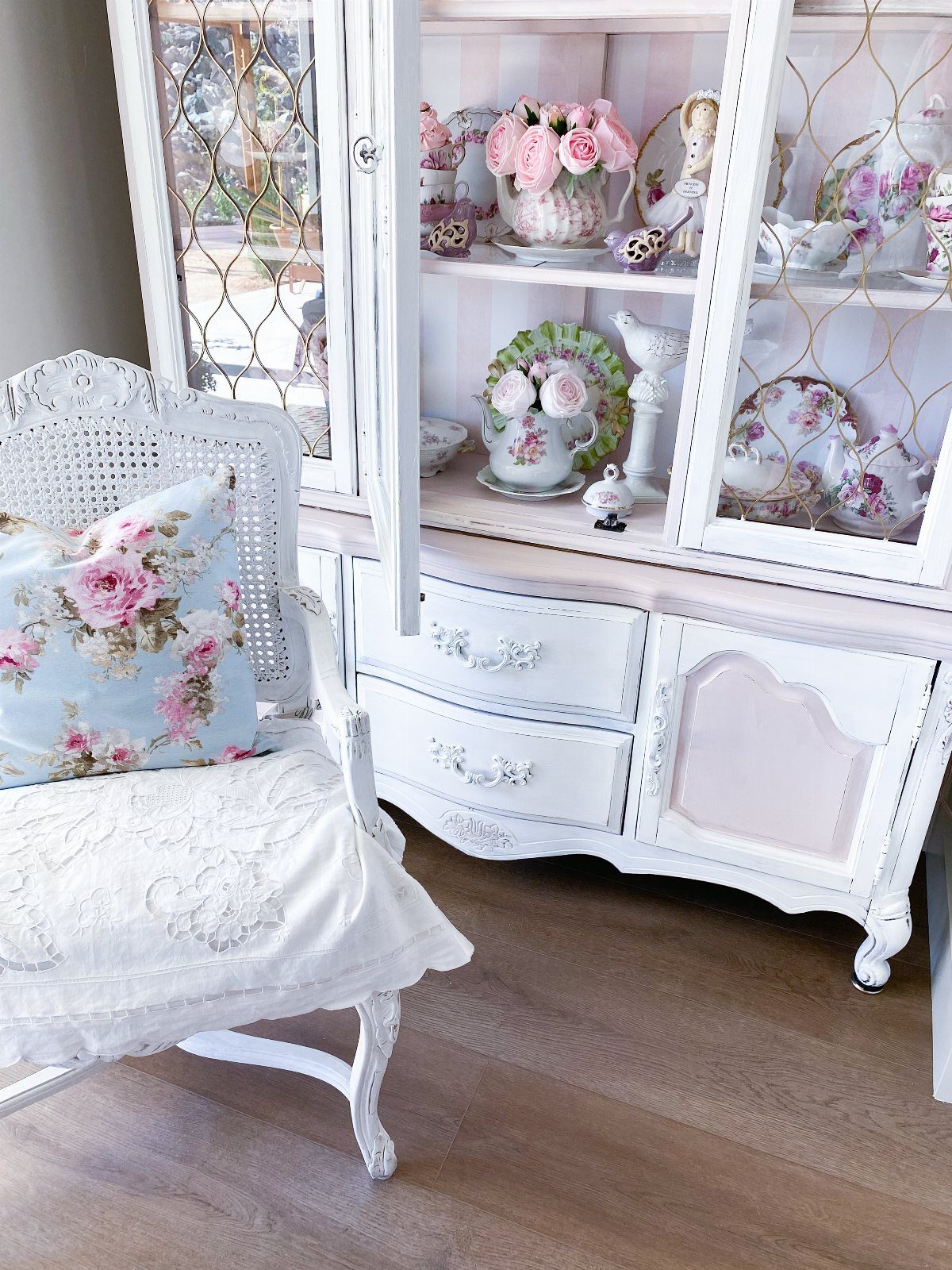
Chalk paint gives furniture a matte, velvety finish without priming or sanding first. It softens carved detail and ornate lines without filling them in, and it dries fast enough to finish a hutch and chair in an afternoon.
You can apply it straight over varnish, laminate or old paint. Most pieces need 2 coats, and you can distress the edges with sandpaper once it dries if you want a worn look instead of the clean coverage here.
2. Decoupage Furniture
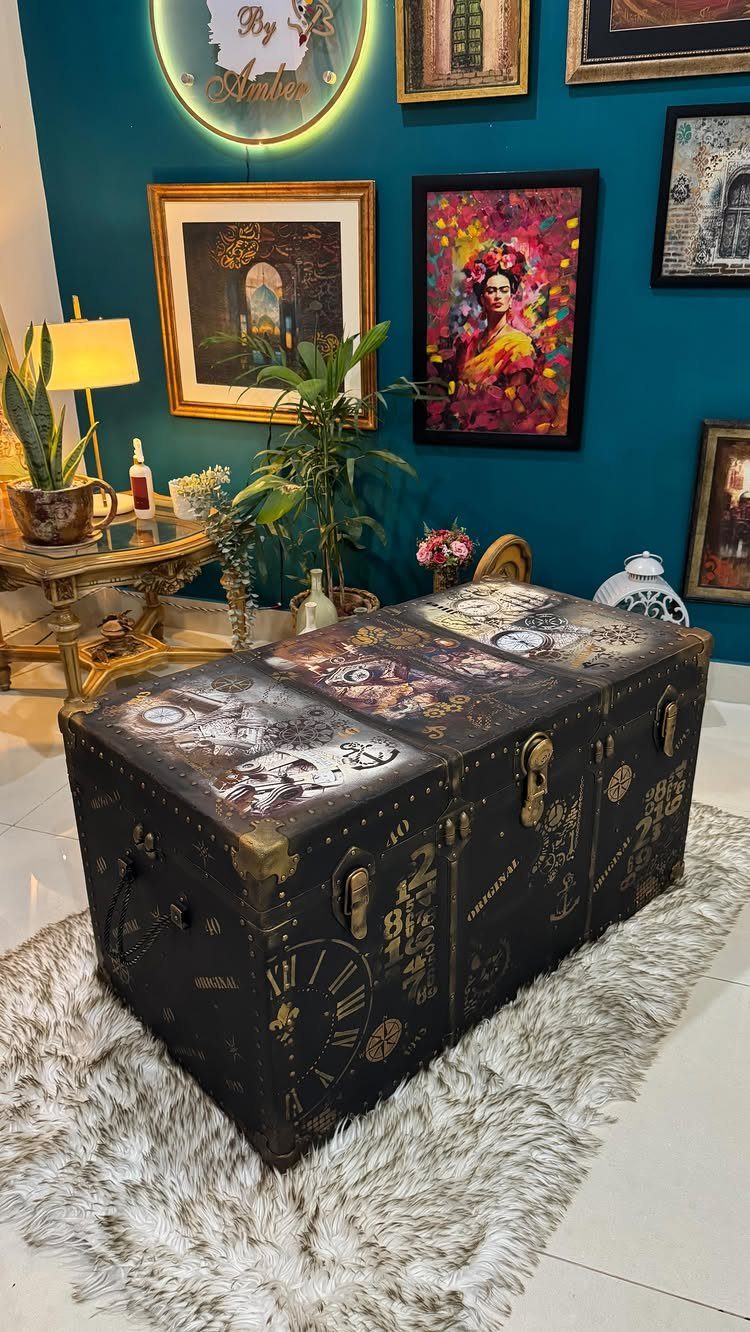
Decoupage turns printed napkins into a permanent surface design. Separate the top printed layer from the napkin, brush a thin coat of decoupage medium onto the furniture, press the napkin down, and seal it with another layer once it dries.
You can layer clock faces, map fragments, and small illustrations, and they all transfer cleanly. The napkins go on over a light base so the colors stay bright and visible once the medium soaks through.
Pick napkins with small repeating motifs so you can fill a surface without obvious seams.
3. Caviar Painted Dresser
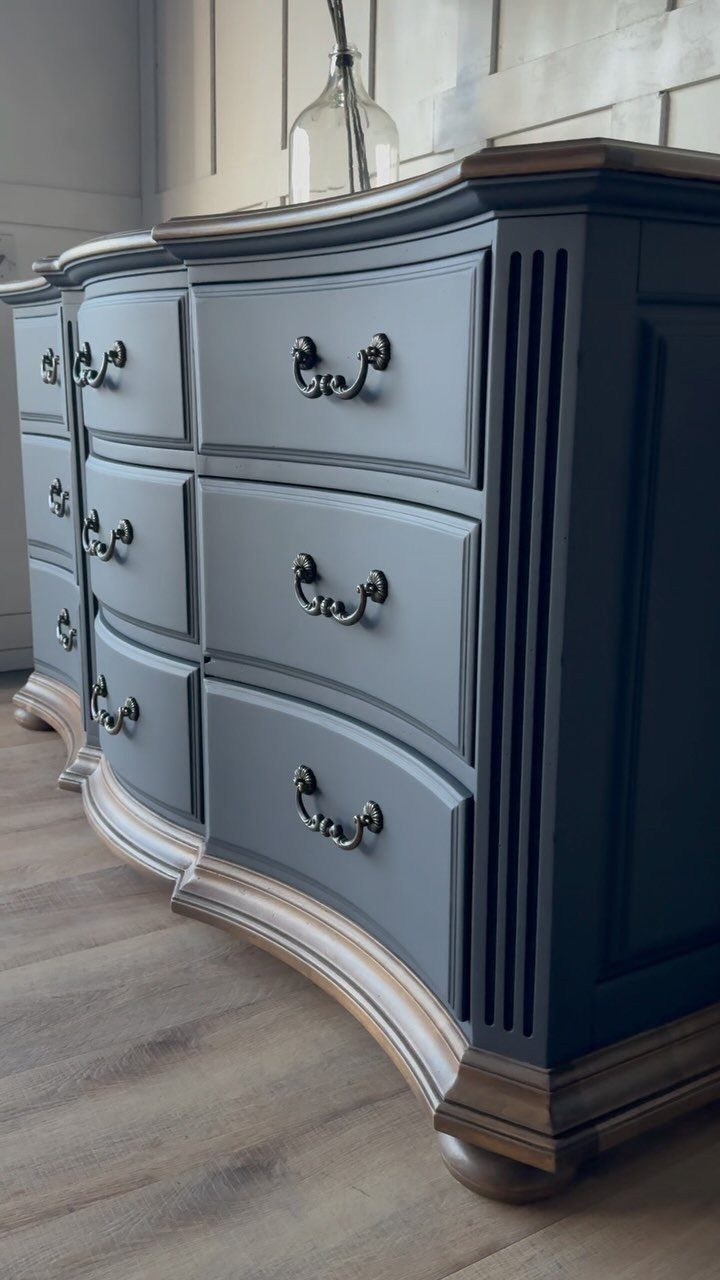
Caviar beads give painted furniture a textured, almost fabric-like surface. You mix the tiny beads into paint before you apply it, and the result is a soft grip under your hand and a finish that hides brush strokes completely.
Light hits the textured surface unevenly, so the color shifts slightly depending on the angle.
The beads add weight to the paint, which means thicker coats and a longer dry time than flat paint, but you get a finish that feels custom without any additional steps after the paint goes on.
4. Two-Tone Furniture
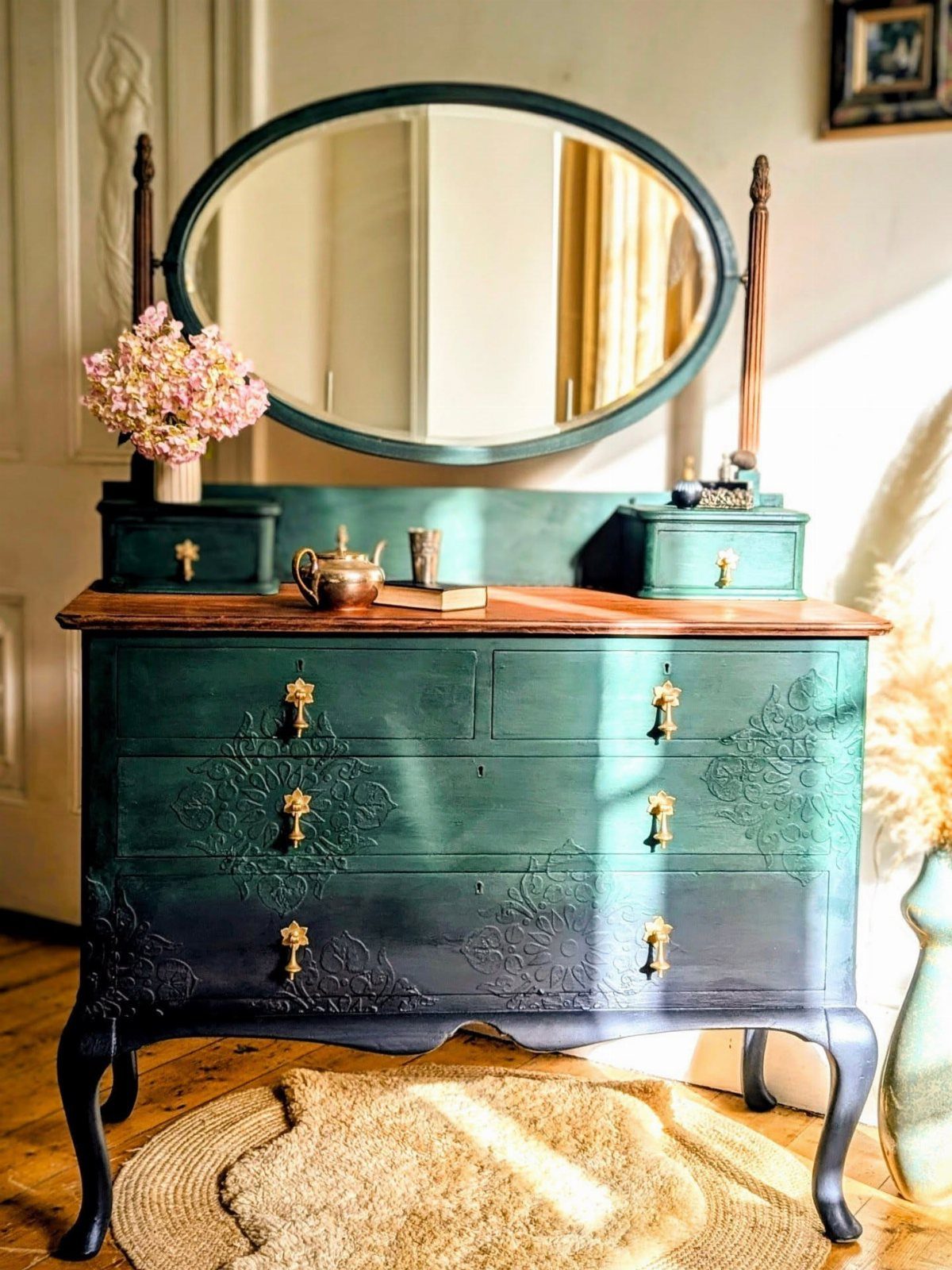
Paint the frame and leave the top natural, and you split the visual weight without covering the whole piece. The teal base here anchors the dresser while the wood top keeps it from feeling too heavy or formal.
Sand the wood surface smooth and finish it with polyurethane so it can take daily use without water rings or scratches. Tape off the edge where paint meets wood before you start so the line stays crisp.
This approach works best on pieces where the top is solid wood rather than veneer, since you want the grain to show through the finish.
5. Distressed Milk Paint Patina
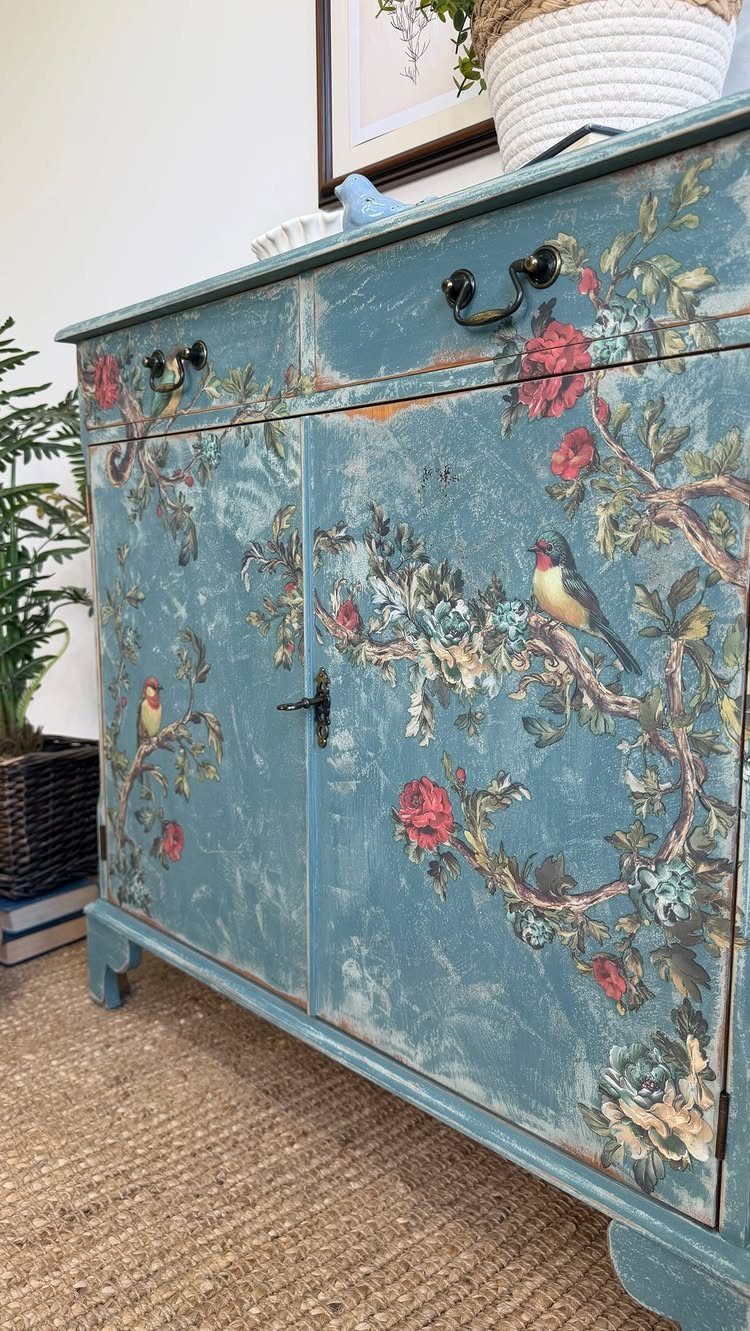
Milk paint chips and wears on its own as it dries, leaving thin spots and exposed edges without any sanding.
The patina gives you paint that looks like it has been there for decades, with color that varies across the surface and flakes off at the corners.
Real milk paint is a powder you mix with water, and it bonds best to bare wood.
If the piece has a sealed finish, the paint will chip more aggressively, which can be exactly what you want. The floral designs painted over the distressed base add another layer once the aging is done.
6. Freehand Painted Designs
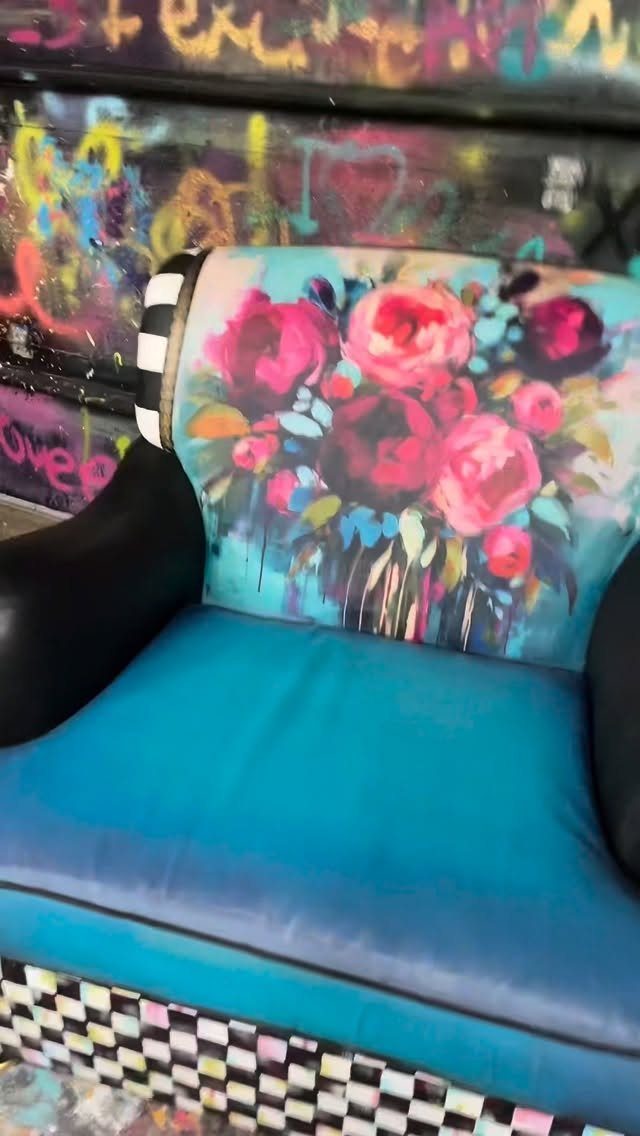
Paint flowers, leaves or abstract shapes directly onto the furniture with a small brush and acrylic or chalk paint. Freehand work always looks more relaxed than stenciled patterns, and even simple florals add personality.
Sketch the design lightly in pencil first if you want a guide, or paint it freehand for a looser look.
The maker recommends chalk or clay paint for the best adhesion and finish. Seal everything with a clear topcoat so the painted design holds up to use.
Painting furniture can be a creative activity for a DIY enthusiast, whether you’re looking to breathe new life into an old piece or make a unique statement piece.
7. Faux Marble Effect
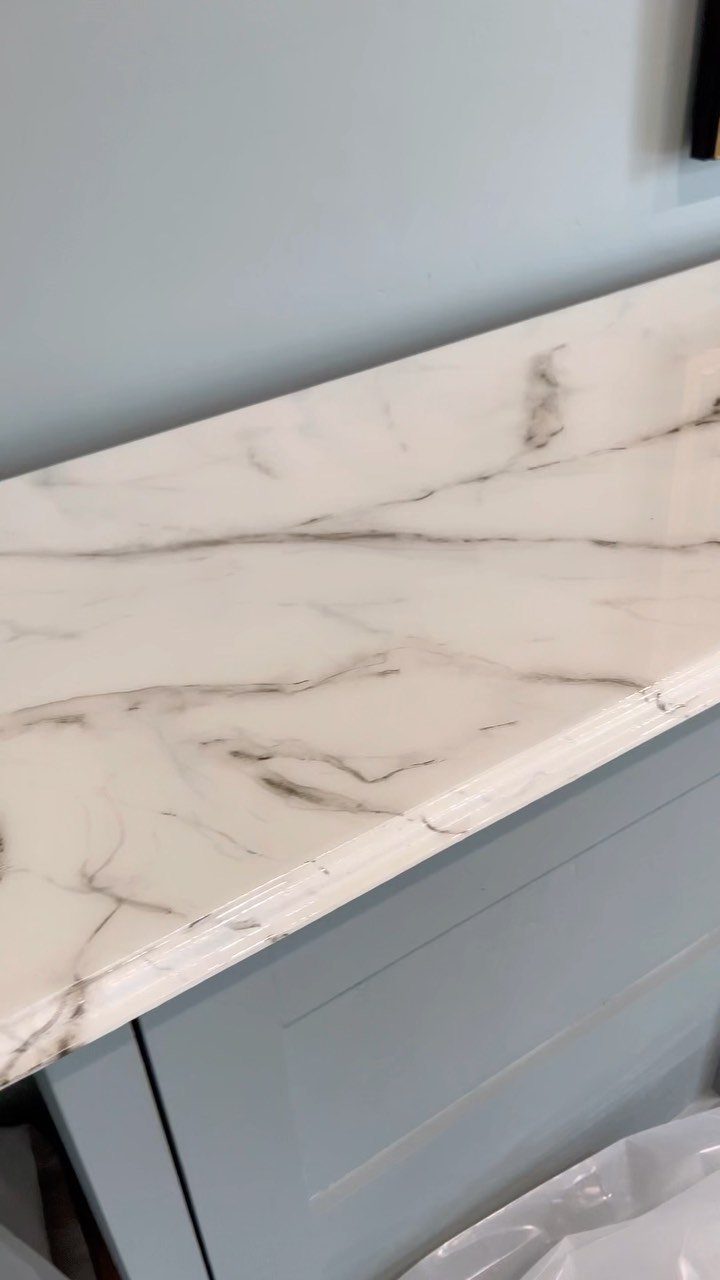
White base paint with grey veins drawn over it in irregular diagonal lines gives furniture the look of real marble at the price of 2 paint colors and a small brush.
The veins cross and fork the way natural stone does, never in parallel stripes.
Thin the grey paint slightly so the brush drags it in a softer line rather than a hard edge.
Work on a horizontal surface so the paint stays where you put it, and add a few veins that fade out partway across to break up the pattern.
Seal with polyurethane once the veins dry so the surface can take moisture without lifting the design.
8. Memphis Style Painting
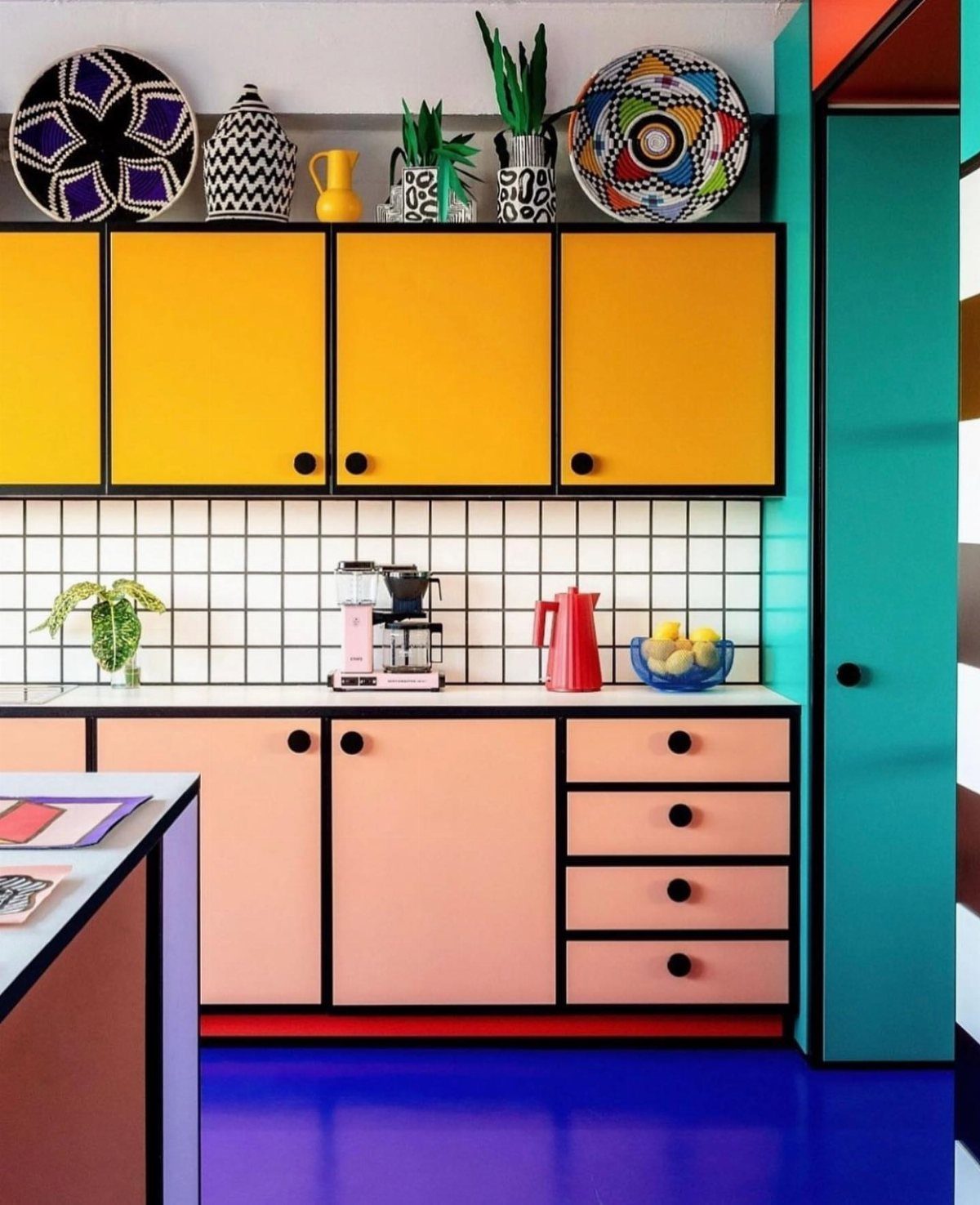
Bright blocks of color outlined in black turn kitchen cabinets into geometric statements. Each door gets its own solid color, and the black outlines sharpen the edges so the colors stay separate even when they sit next to each other.
Pick bold colors and assign them across the cabinets so no two of the same color touch.
Paint each door in its base color first, let it dry, then tape off the edges and add the black outlines with a small brush or paint pen.
The effect reads loud and playful, so it fits best in a room where bold color already has a place.
9. Painted Upholstered Furniture
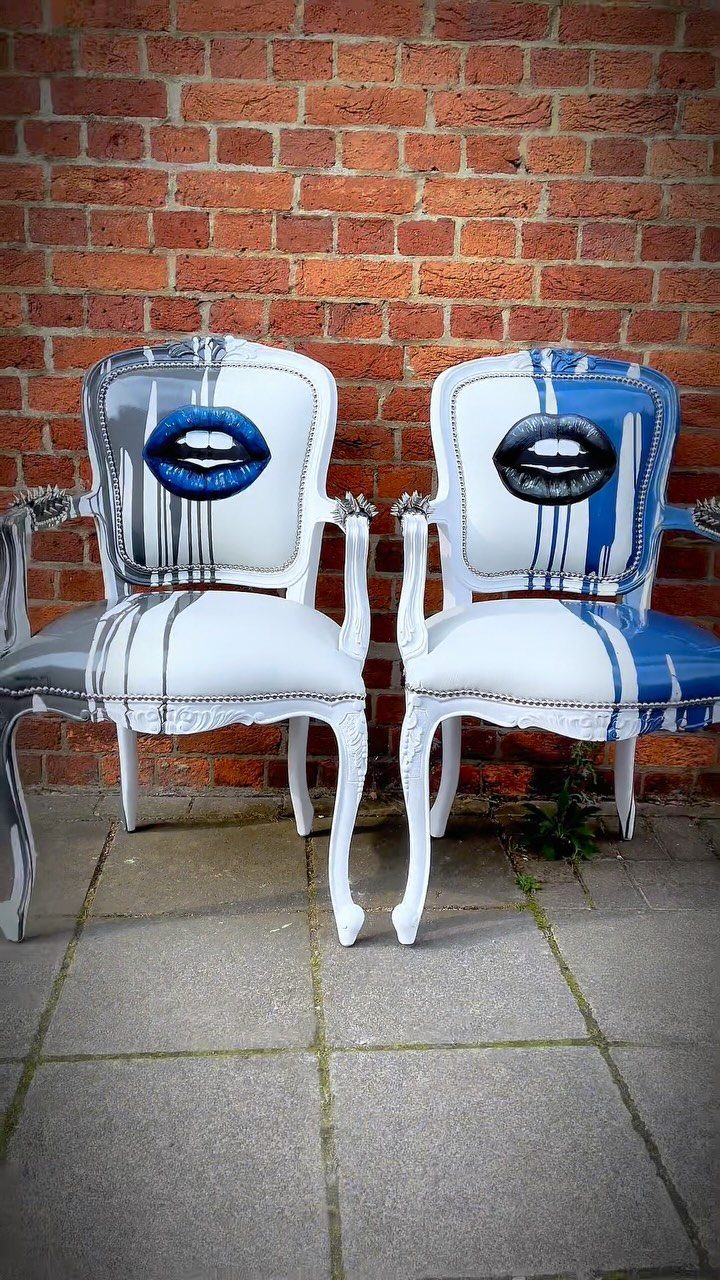
Fabric paint or chalk paint thinned with fabric medium soaks into upholstery without stiffening it, so you can paint designs directly onto chair seats and backs. The lips and drips here turn plain white chairs into custom pieces without reupholstering.
Tape off any areas you want to keep white, then paint the design freehand with a brush.
Fabric stays soft if you thin the paint enough that it penetrates the weave instead of sitting on top. Let it cure fully before you sit on it.
This works best on cotton or linen; synthetic upholstery does not absorb paint as evenly.
Best Paint Types
Acrylic latex delivers solid coverage, flows on without much effort, and lets you add a second coat within a couple of hours.
It has almost no odor compared to oil-based paint, which makes it easier to work indoors without ventilation issues.
Satin and semigloss finishes stand up to handling and cleaning better than flat. Satin gives a soft sheen that hides minor imperfections, while semigloss reflects more light and cleans more easily.
The finish stays matte, accepts wax or glaze if you want either, and pairs well with stencils or image transfers.
For metal furniture, use a primer made for metal before you paint.
Preparation Steps
Wipe down the piece with an ammonia cleaner, follow with a damp rag to lift the residue, and wait until everything is dry. Any grease or residue left on the furniture will keep paint from bonding.
Sand glossy or previously painted plastic with 150-grit sandpaper so the new paint has something to grip.
A small foam roller or spray paint keeps brush marks to a minimum. A wider brush covers faster and leaves fewer marks than a narrow one.
Color Trends
White and off-white stay popular because they match almost anything and make touch-ups invisible. If you use the same shade of white across multiple pieces, you can fix scratches or chips later without worrying about color matching.
Mixing other colors into white creates soft hues that feel calmer than saturated tones. Two-toned designs often pair white or off-white with a bolder color to balance coverage and contrast.
Stick to one white across all your painted furniture if you want a cohesive look that does not require repainting when you move pieces between rooms.
Frequently Asked Questions
What is the best paint for furniture?
Acrylic latex in satin or semigloss works best for most furniture. Semigloss cleans more easily than satin, while satin hides minor imperfections better.
How do you paint over painted furniture?
Wipe the piece down with ammonia cleaner, rinse with a damp rag, and let it dry completely.
Scuff any shiny areas with 150-grit sandpaper to give the new coat something to hold onto. You can paint over old finishes without stripping if you prep the surface properly.
Can I use spray paint on furniture?
Yes, spray paint covers carved details and tight spaces more evenly than a brush can reach.
Spray in a garage or outside, keep the coats light, and give each layer time to set before you add another. A small foam roller also works if you want to skip the brush altogether.






