
Small apartment decor splits between ideas that stay light and neutral to make the space feel larger and ones that use bold color, furniture, or rugs to give each room its own identity.
The choice comes down to whether you need the apartment to feel open or whether you want distinct zones marked by color, rugs, or furniture arrangement that look intentional.
Wall-mounted storage and lighting free up floor space without permanent changes, which matters when the lease limits what you can install, and pulling furniture a few feet from the walls creates walkways that make a studio feel less closed in.
1. Light and Neutral Color Palette
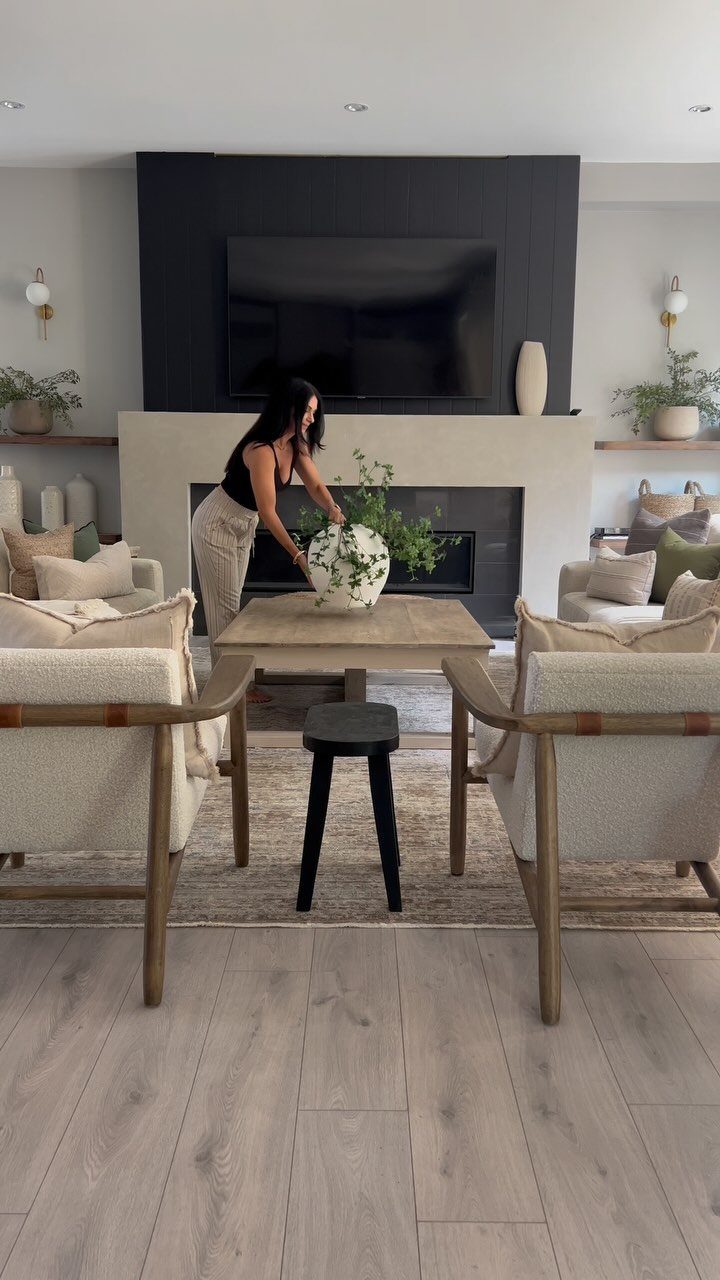
A base of whites, beiges, and soft grays makes a small apartment feel larger than it is.
Light colors reflect more natural light, and the lack of contrast between walls and furniture keeps sight lines open instead of chopping the room into sections.
Stick with one or two neutral tones for the main pieces and add warmth through wood furniture or a single darker accent, like the charcoal wall visible here. That approach keeps the space calm without feeling clinical.
2. Create Distinct Color Schemes
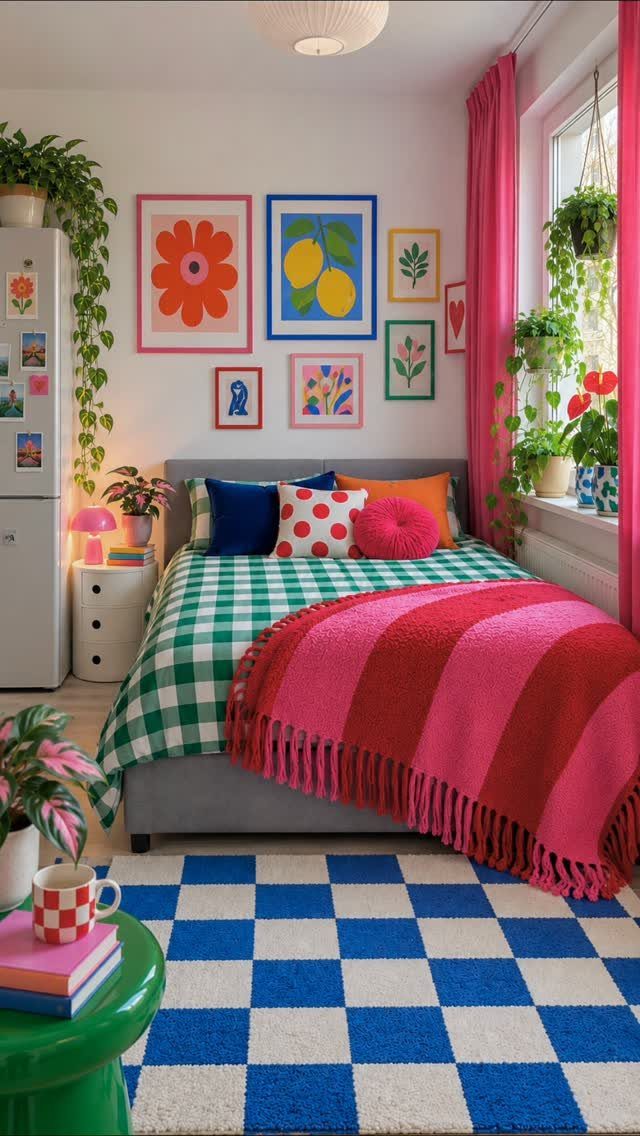
Giving each room its own color scheme makes a small apartment feel like several complete spaces instead of one tight box.
A bedroom can carry bold color that would overwhelm a shared living area, and the shift between rooms makes each one feel intentional.
Pick one or two accent colors per room and repeat them in bedding, art, and small accessories.
The mix of pink, green, and blue here works because each color shows up more than once, so the look feels planned rather than random.
If you only have a few rooms in your apartment to work with, give each one its own distinct personality. Start with specific color schemes, so when you move from one room to the next, each space feels distinct, from the walls to the decor.
3. Wall-mounted Shelves
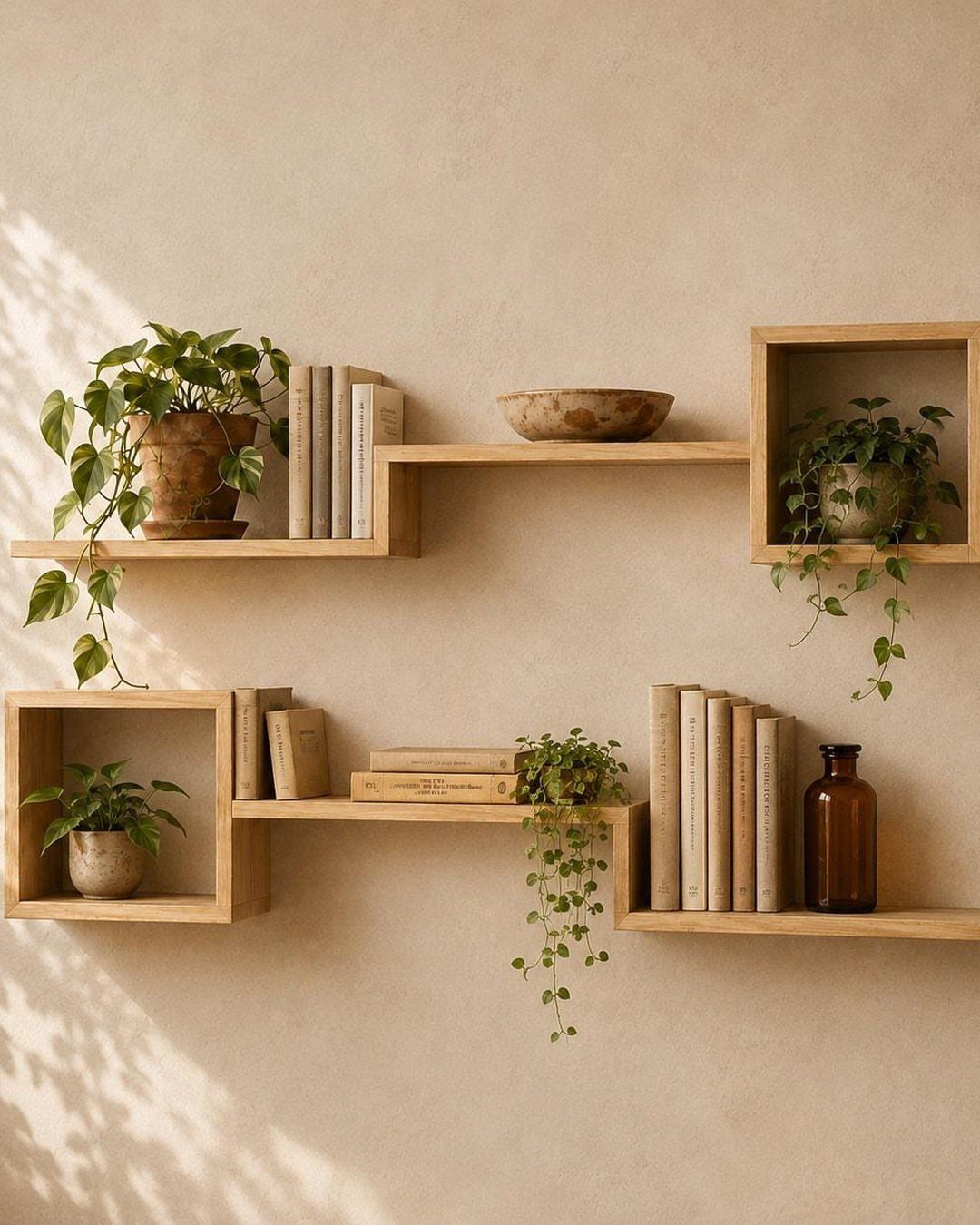
Wall-mounted shelves pull storage off the floor and keep the space underneath open for furniture or movement. That vertical approach matters in a small apartment, where every piece that sits on the floor claims space you might need.
Install them above a desk, next to a window, or in any corner that sits empty. Books and small plants fill the space without overloading it, which keeps the wall from looking crowded.
4. Accent Walls
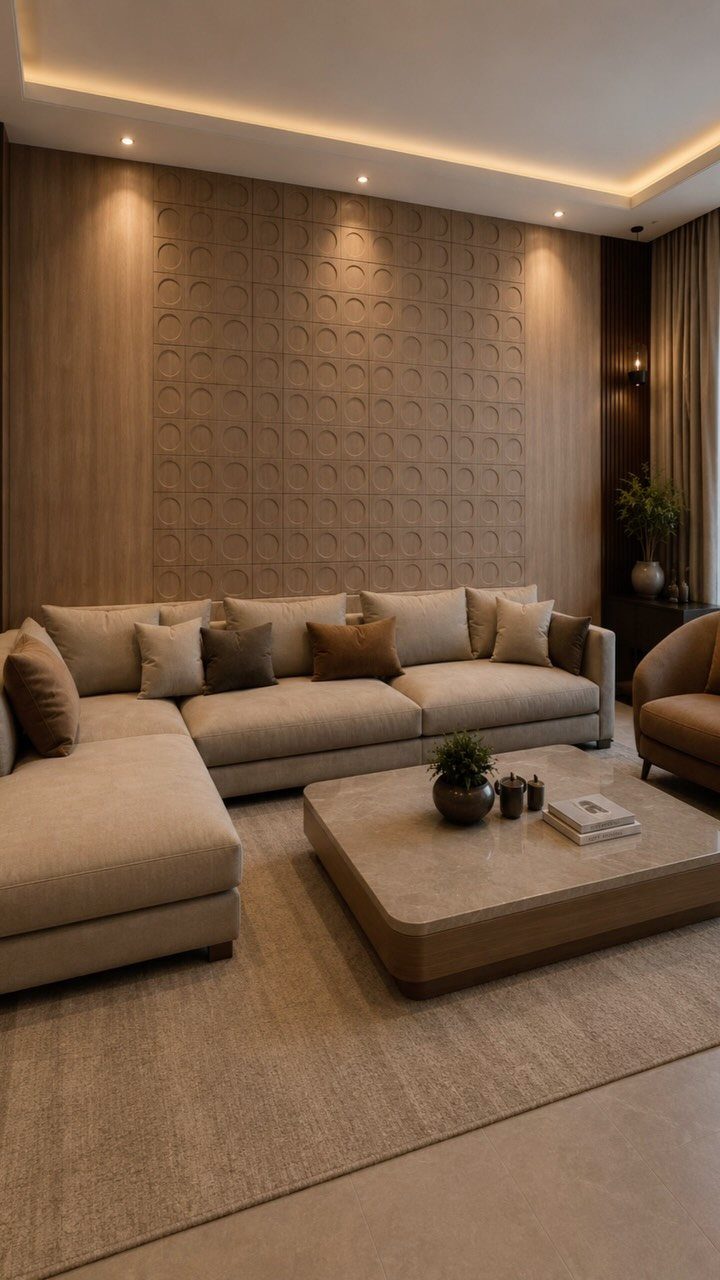
An accent wall brings texture or color to one surface and leaves the rest of the room neutral.
The textured panel here adds depth without requiring paint or wallpaper, and limiting it to a single wall keeps the apartment from feeling busy.
Choose the wall behind the sofa, the bed, or the dining table, wherever you want to anchor the room. Peel-and-stick panels and removable wallpaper both work, and both come off when the lease ends.
5. Wall Sconces
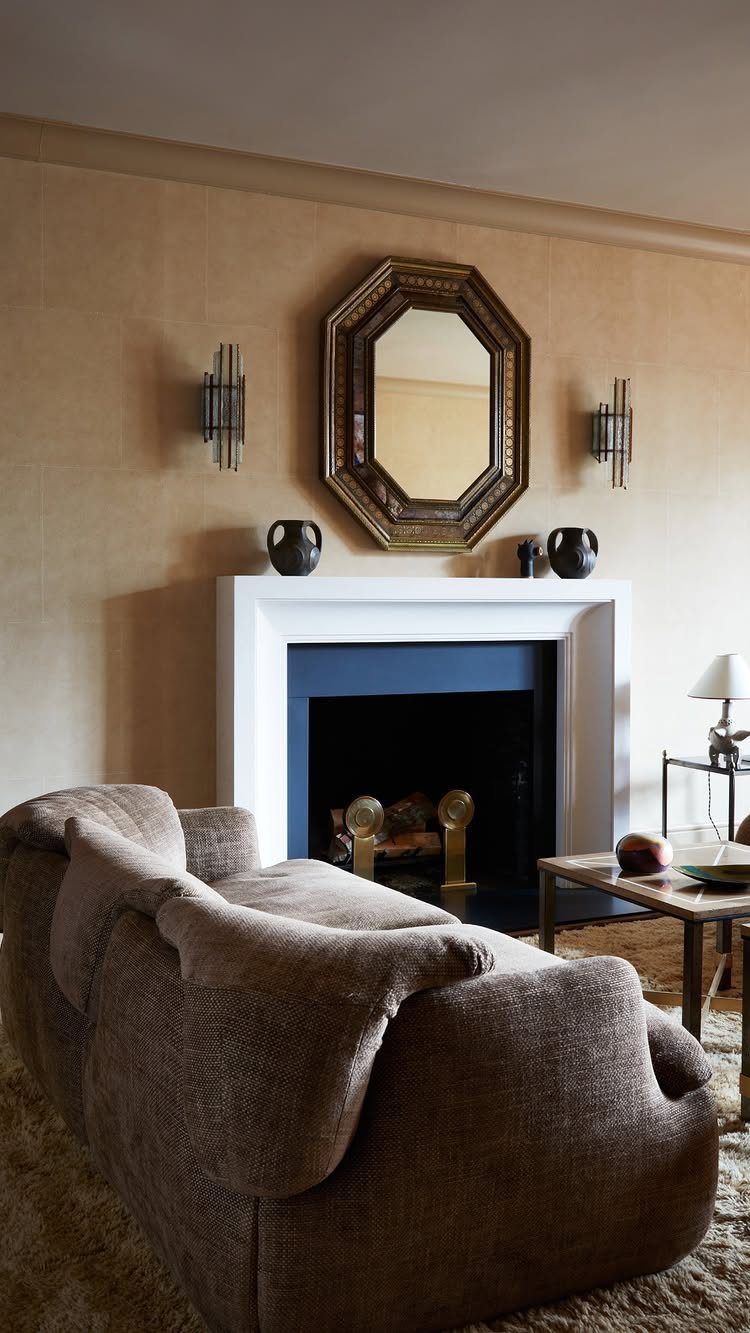
Wall sconces free up floor and table space by mounting the light source directly to the wall.
They work well on either side of a mirror, above a mantel, or flanking a bed, anywhere you need light but cannot spare the surface area for a lamp.
Most sconces require hardwiring, which is off-limits in a rental, but plug-in versions mount with a bracket and run a cord down to an outlet.
Look for a style that matches your hardware finishes so the fixture feels like part of the room instead of an add-on.
6. Removable Wall Decals
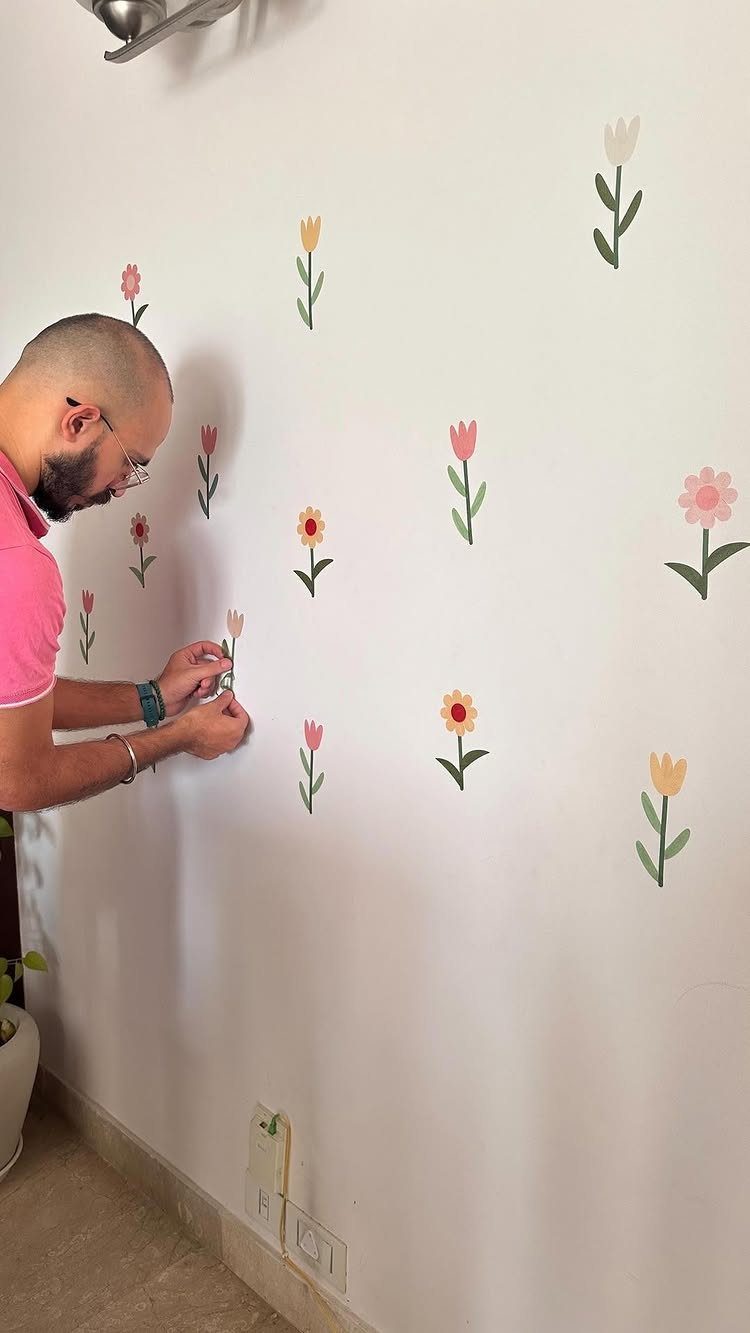
Removable wall decals stick to painted walls and peel off without damaging the surface, which makes them one of the few ways renters can add pattern or color above waist height.
They come in everything from geometric shapes to botanicals, and you can reposition them during application if the placement is off.
Clean the wall with a damp cloth before applying the decal so dust does not interfere with adhesion. Press from the center outward to avoid bubbles, and if one forms, peel back that section and smooth it down again.
7. Wall-mounted Desk
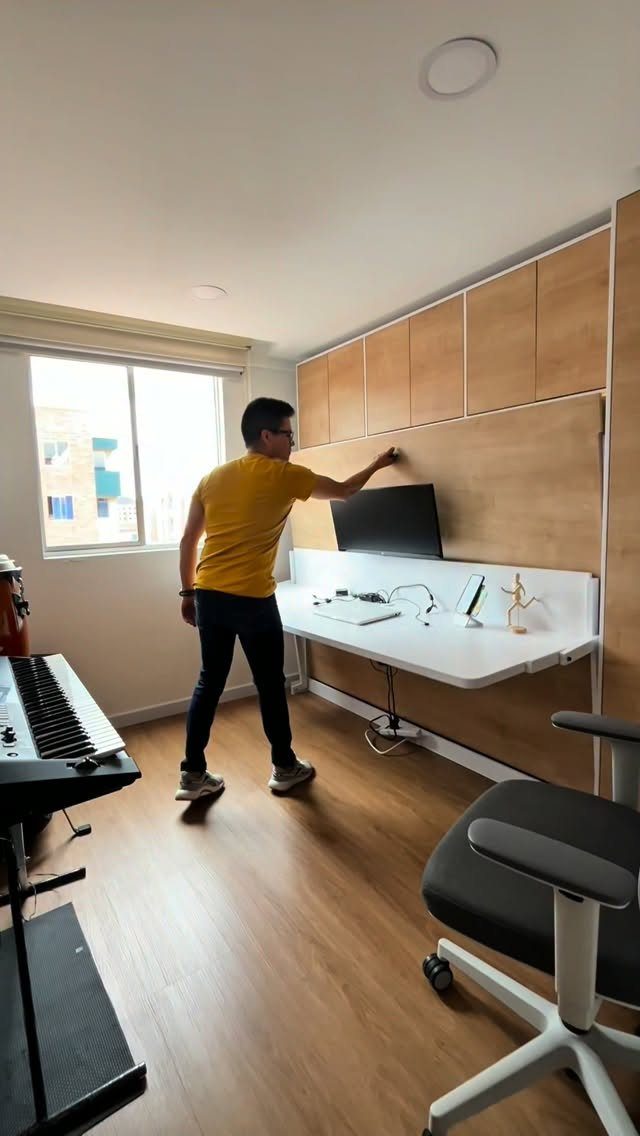
A wall-mounted desk attaches directly to the wall and eliminates the legs and frame of a standard desk, which opens up floor space in a tight apartment.
The surface provides room for a laptop or monitor without claiming the visual weight of a full piece of furniture.
Mount it at a comfortable height for sitting and make sure the brackets or supports can handle the weight of your equipment.
Some versions fold up when not in use, which turns the desk into a narrow shelf that stays out of the way.
8. Small Dining Table
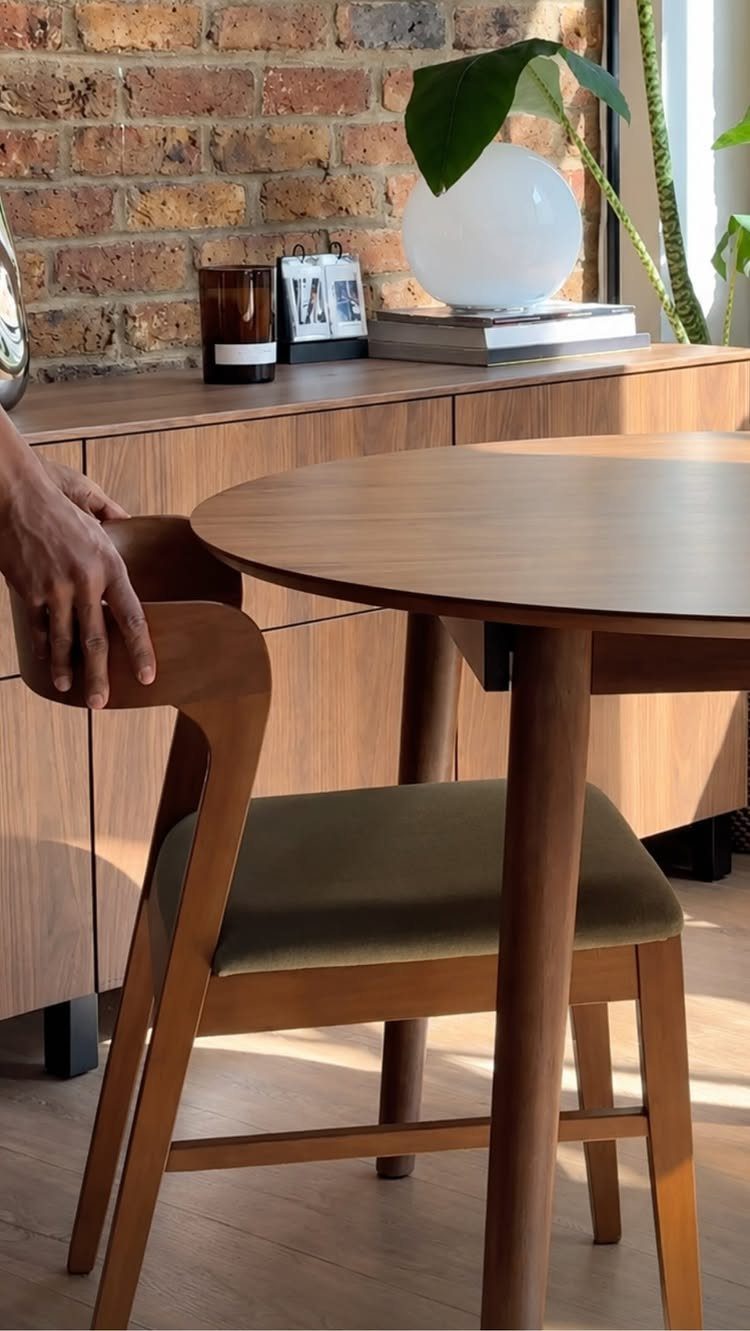
A round or square table fits comfortably in tight quarters and takes up less floor area than a rectangular one.
The lack of corners makes it easier to move around in tight quarters, and the compact size keeps the dining area from dominating the layout.
Place it near a window or in a corner to define the eating space without blocking pathways. Pair it with chairs that tuck completely under the table when not in use so the floor stays clear.
9. Decorative Wall Hooks
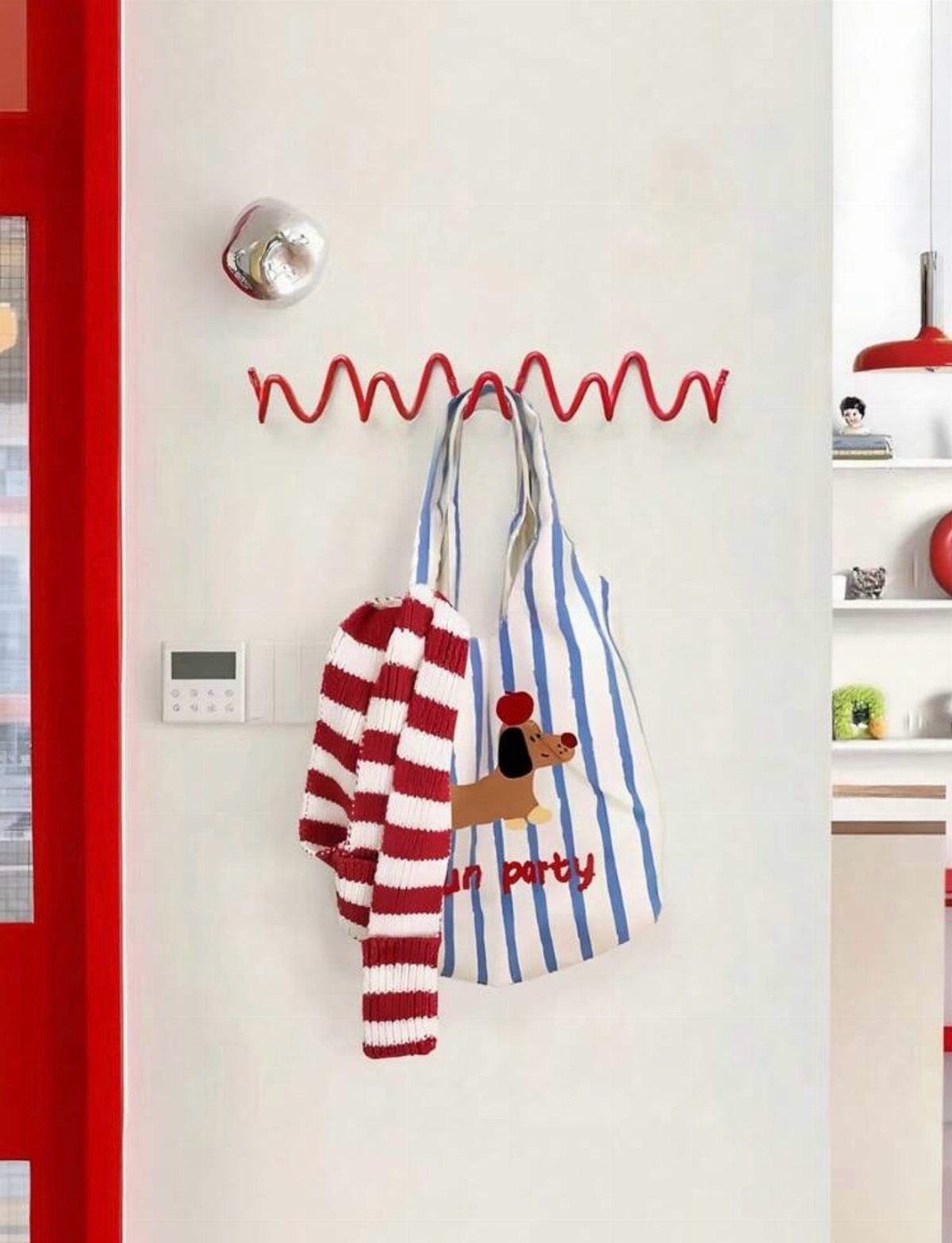
Decorative wall hooks hold coats, bags, or hats on the wall instead of on a chair or doorknob, and the shape or color makes them look intentional even when nothing is hanging from them.
That dual function matters in a small apartment, where storage often sits in plain view.
Install them near the door for daily items or above a desk for headphones and cables.
10. Decorative Wall Panels
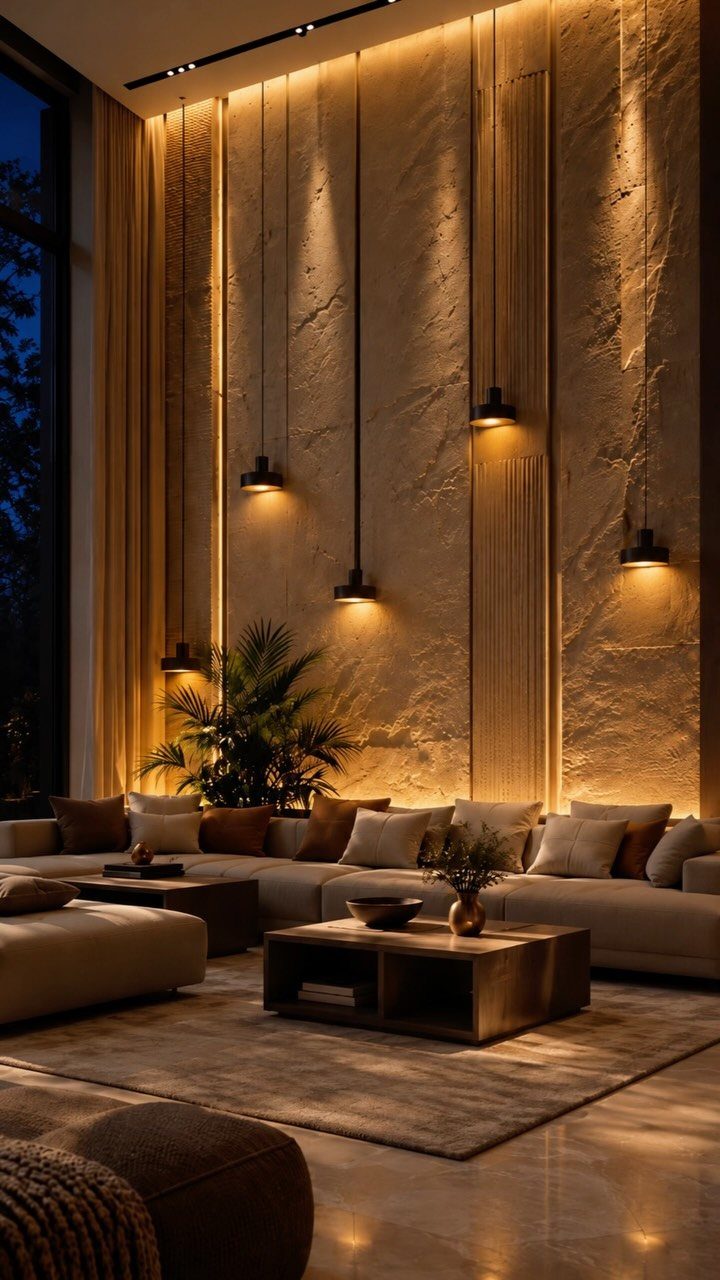
Panels with vertical slats, fluting, or other texture add dimension to a flat wall and create a finished backdrop for furniture.
The material can be wood, MDF, or foam, and most panels install with adhesive or clips so they do not require permanent alterations.
Focus the panels on one wall to anchor the room without overwhelming it. The vertical lines pull your eye upward and make the ceiling feel higher than it is.
11. Small Side Table
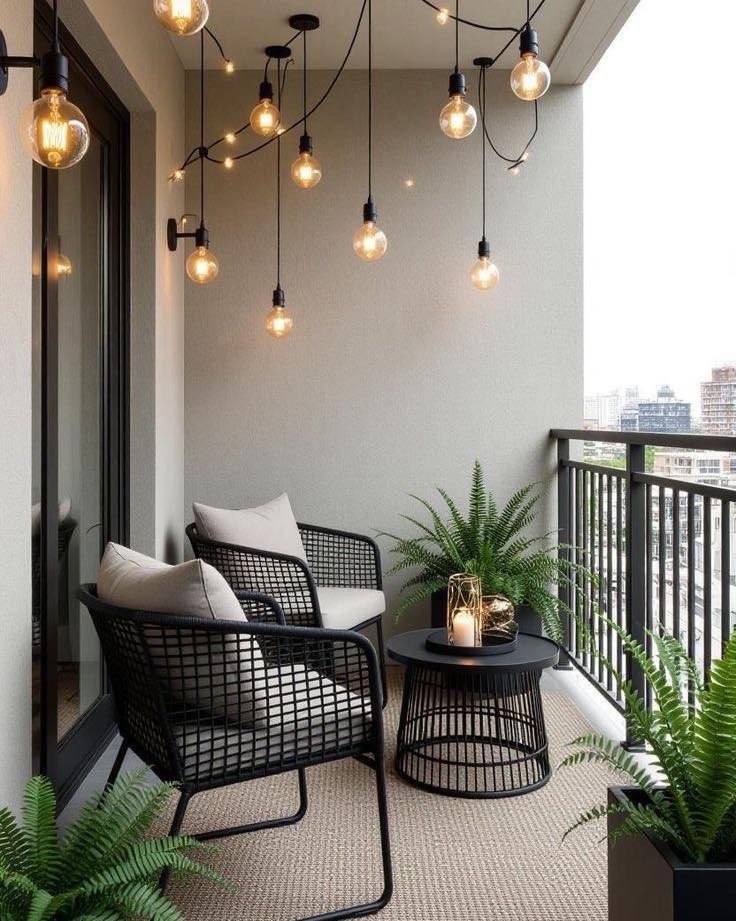
A side table fits next to a chair or sofa without blocking movement, and the height puts drinks or a book within reach. The small footprint makes it easy to move when you need the floor space for something else.
Metal or wood frames with open bases keep the table from looking heavy, and a round top works better than a square one in tight corners where you might brush past it.
12. High-mounted Curtains
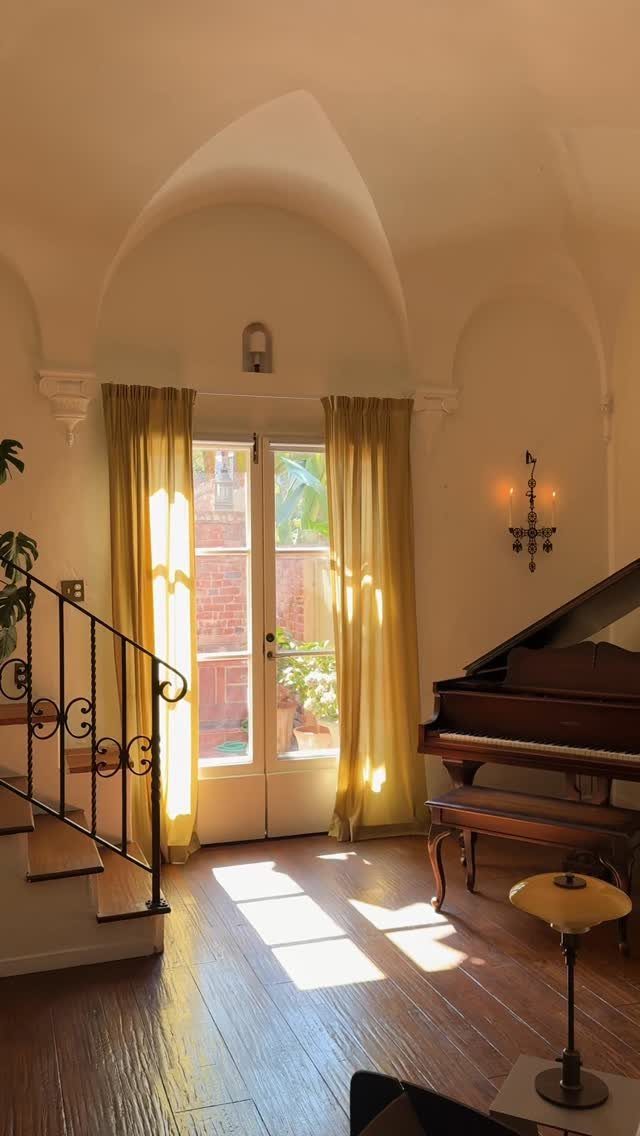
Mounting curtain rods a few inches below the ceiling rather than right above the window frame makes the wall look taller and draws attention to the full height of the room.
The curtains themselves should reach the floor or stop within an inch of it to complete the line.
Measure and install the rod first, then buy curtains that fit the drop. If the panels are too short, the gap at the bottom breaks the effect and makes the ceiling look lower instead of higher.
13. Ambient, Task, and Accent Lighting
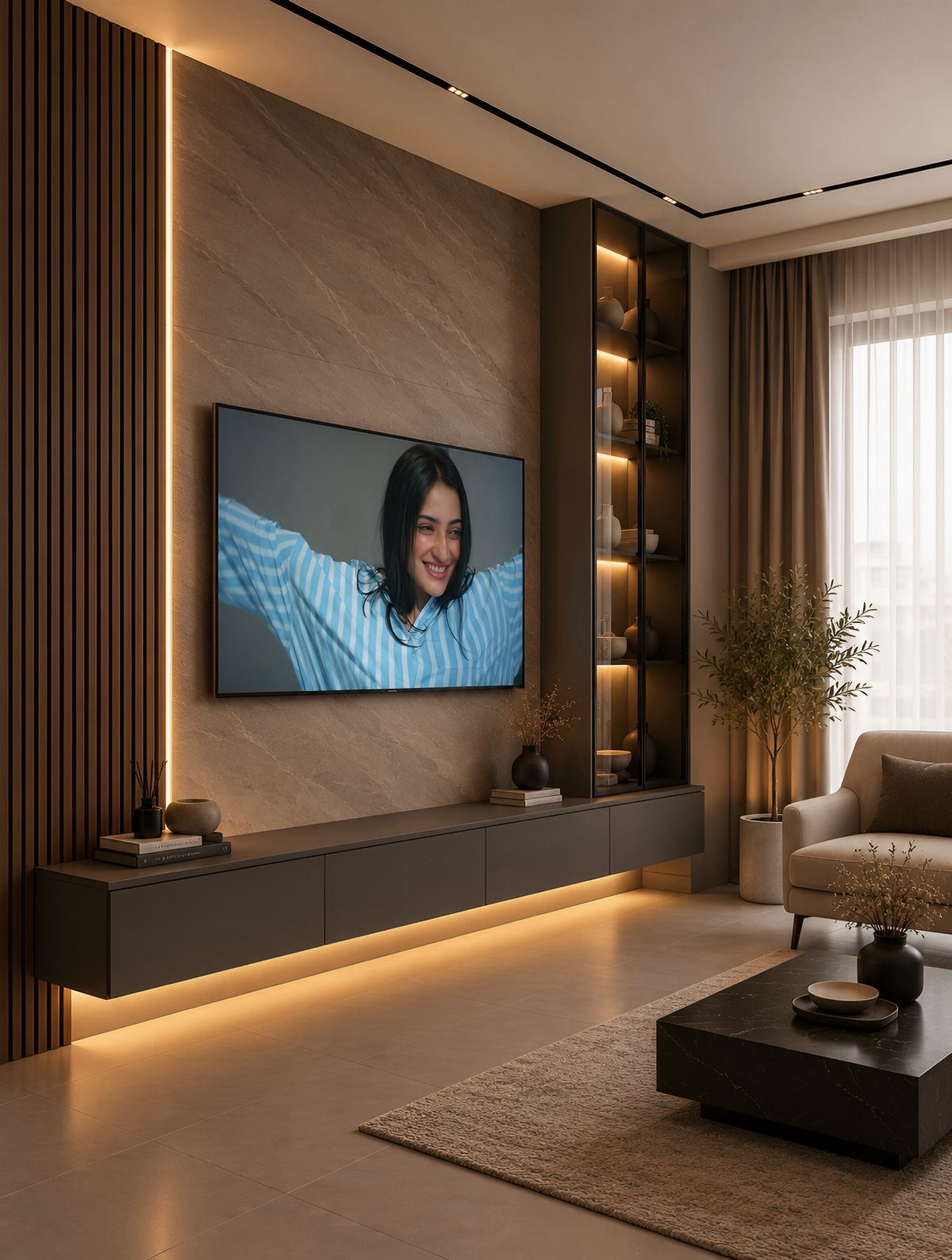
Layering different light sources gives you control over how the room feels at different times of day.
Ambient lighting fills the space with general light, task lighting puts focused light where you work or read, and accent lighting draws attention to a wall, shelf, or object.
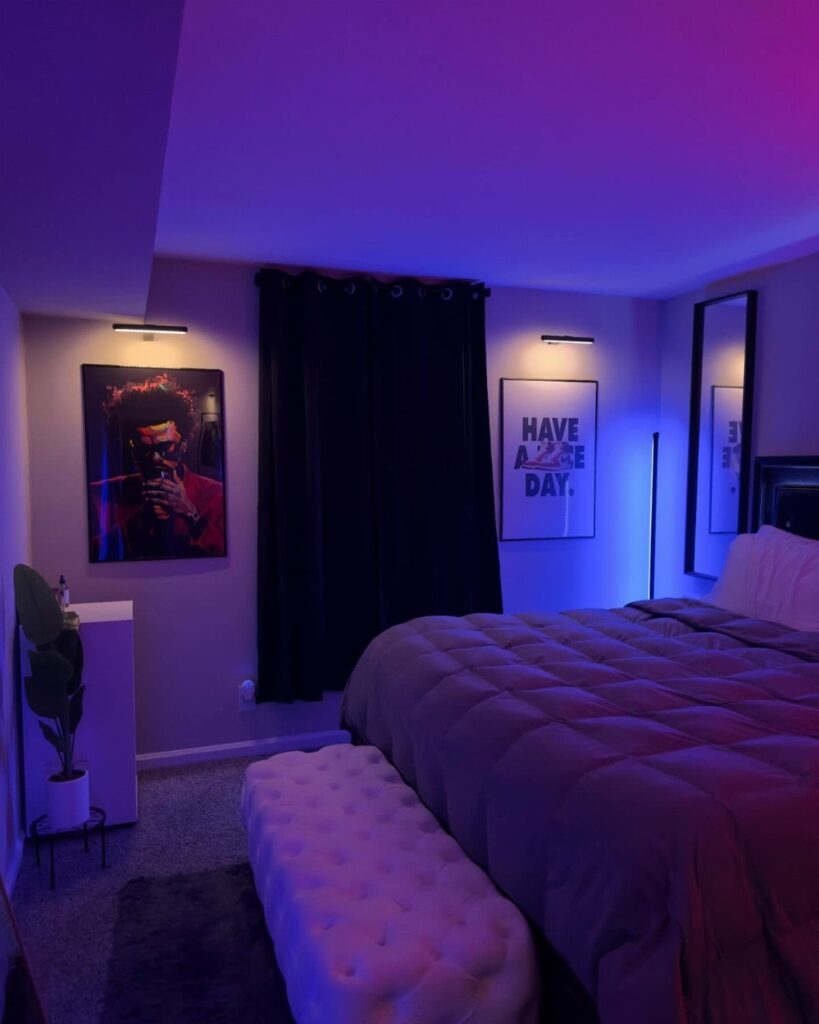
The LED strips here work as accent lighting, they outline the stone wall and add depth without taking up floor space.
Combine that with a floor lamp for reading and a ceiling fixture for general light, and you can adjust the mood by switching between them instead of relying on one overhead bulb that does everything poorly.
14. Bold Furniture
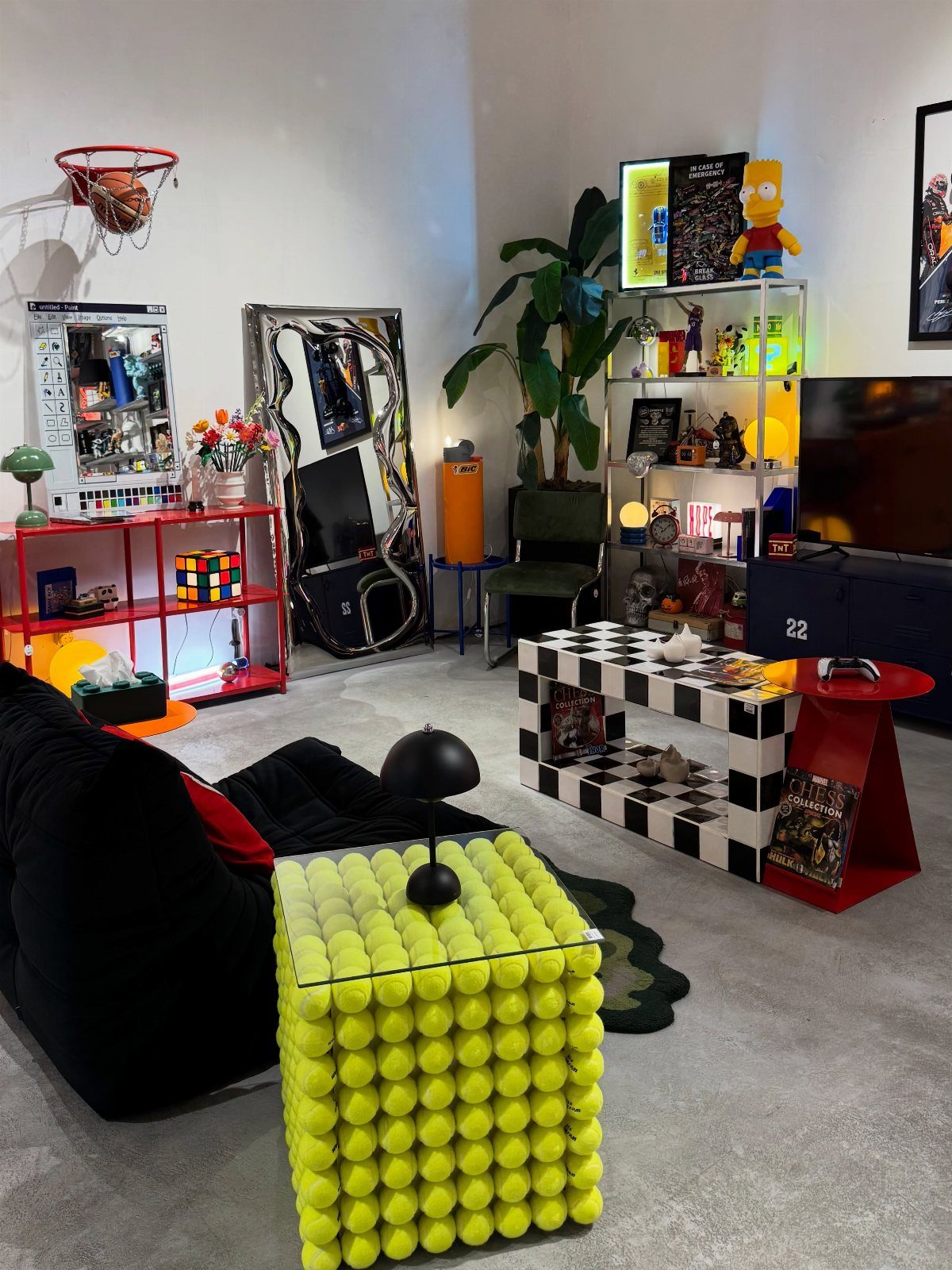
One piece of furniture with bold color or an unusual shape pulls focus and gives the room a personality that neutral basics cannot deliver on their own.
The tennis ball table and checkerboard coffee table each carry a strong pattern, but keeping the rest of the room simple lets those pieces stand out without fighting each other.
Pick one standout item per room and keep the surrounding furniture neutral. That approach works in a small apartment because it creates visual interest without filling every surface with color or pattern.
15. Floating Furniture Arrangement
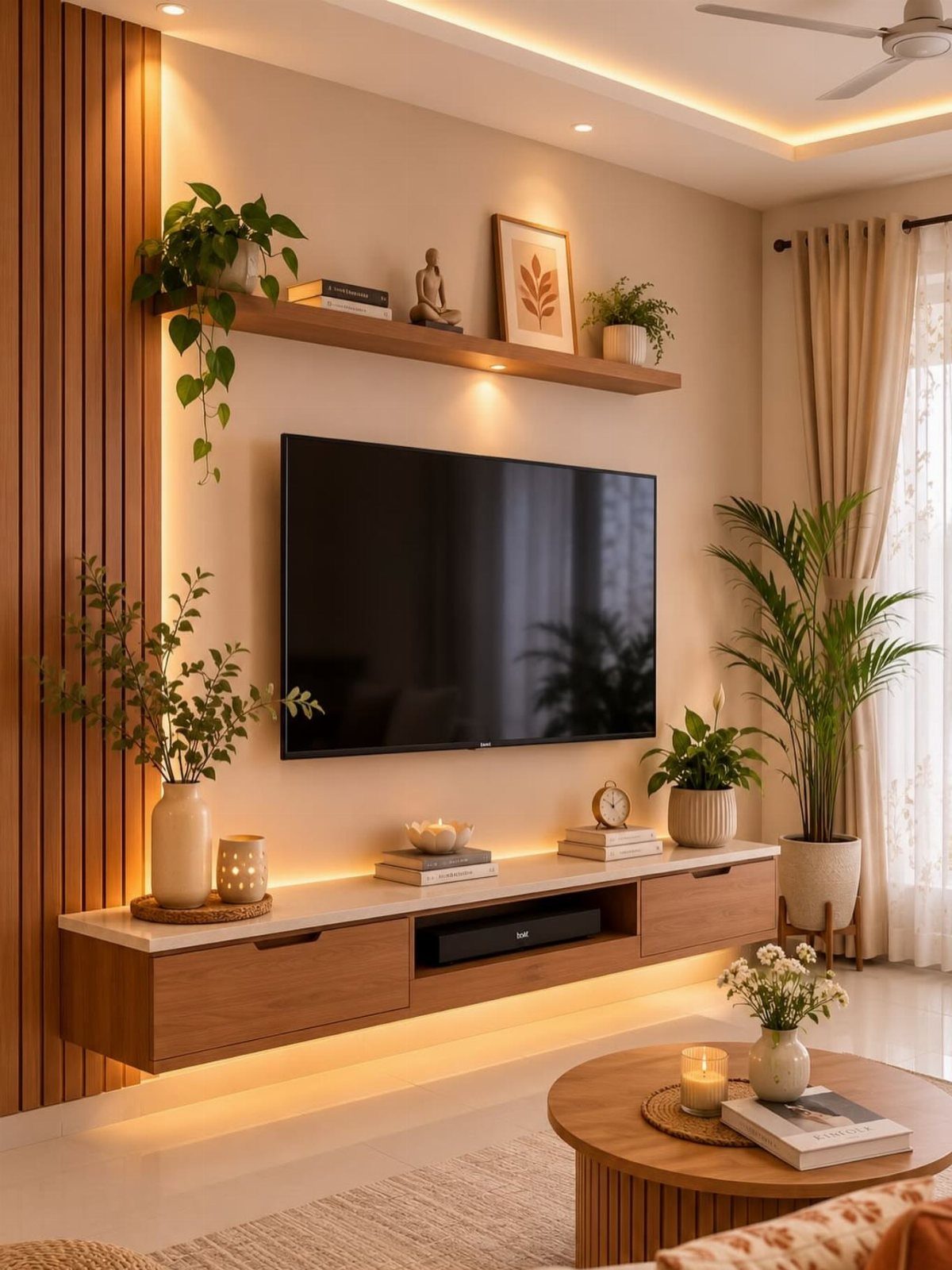
Pulling furniture away from the walls and floating it in the center of the room defines separate zones without needing dividers or rugs.
A sofa placed a few feet from the wall creates a walkway behind it and turns the seating area into its own section, which makes the apartment feel larger than it is.
The wall-mounted console lifts the TV and storage off the floor, which opens up the lower half of the wall and makes the whole space feel less closed in.
That combination works well in a studio or open layout where you need to separate living and sleeping areas without blocking sight lines.
16. Furniture with Exposed Legs
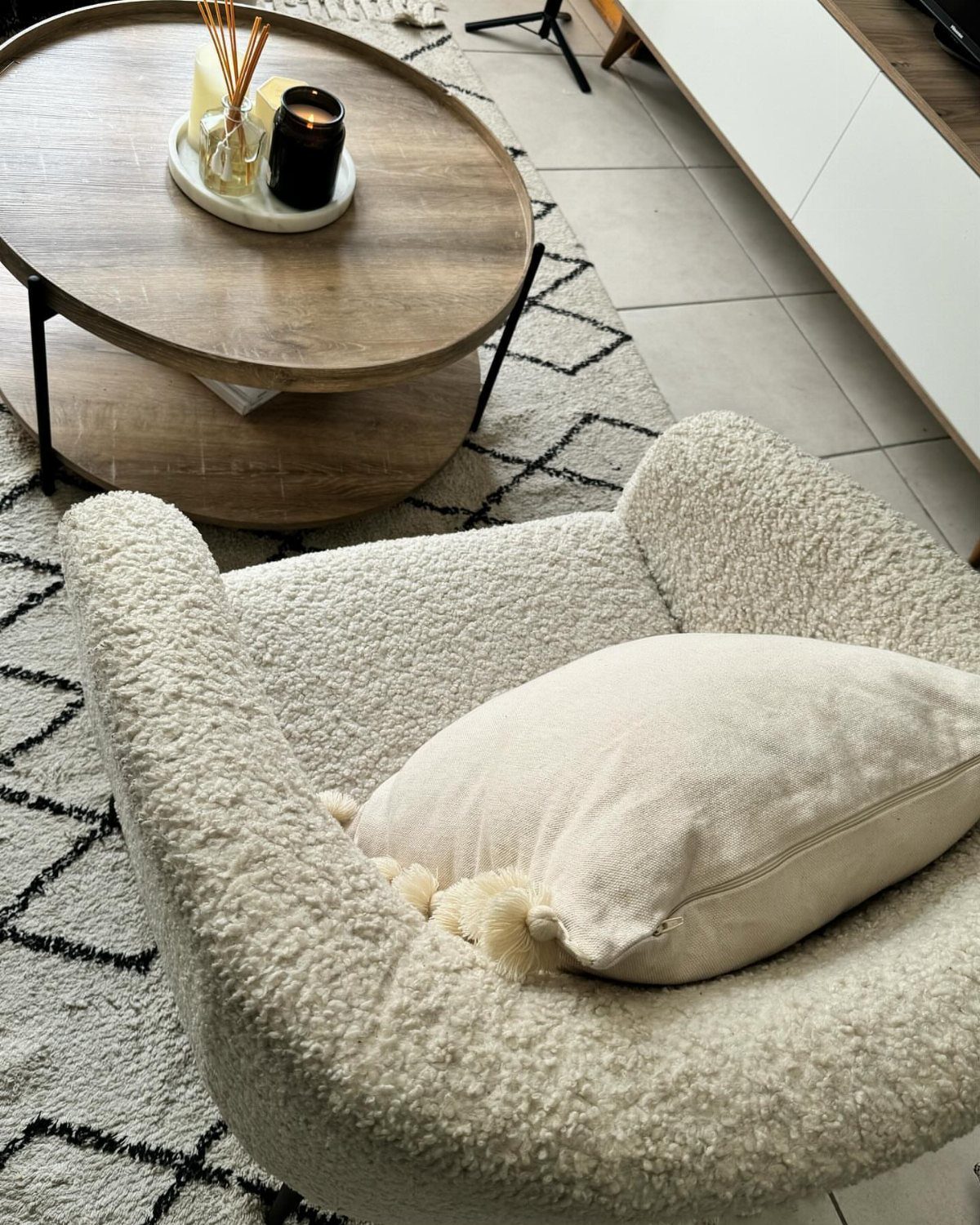
Furniture with legs lifts the base off the floor and shows the space underneath, which makes a small room feel less crowded than pieces that sit flat on the ground.
The gap creates visual breathing room and makes it easier to clean around and under the furniture.
The coffee table sits on narrow metal legs that barely interrupt the floor, and the same principle works for sofas, chairs, and sideboards. Avoid skirts or panels that hide the base.
17. Accent Furniture
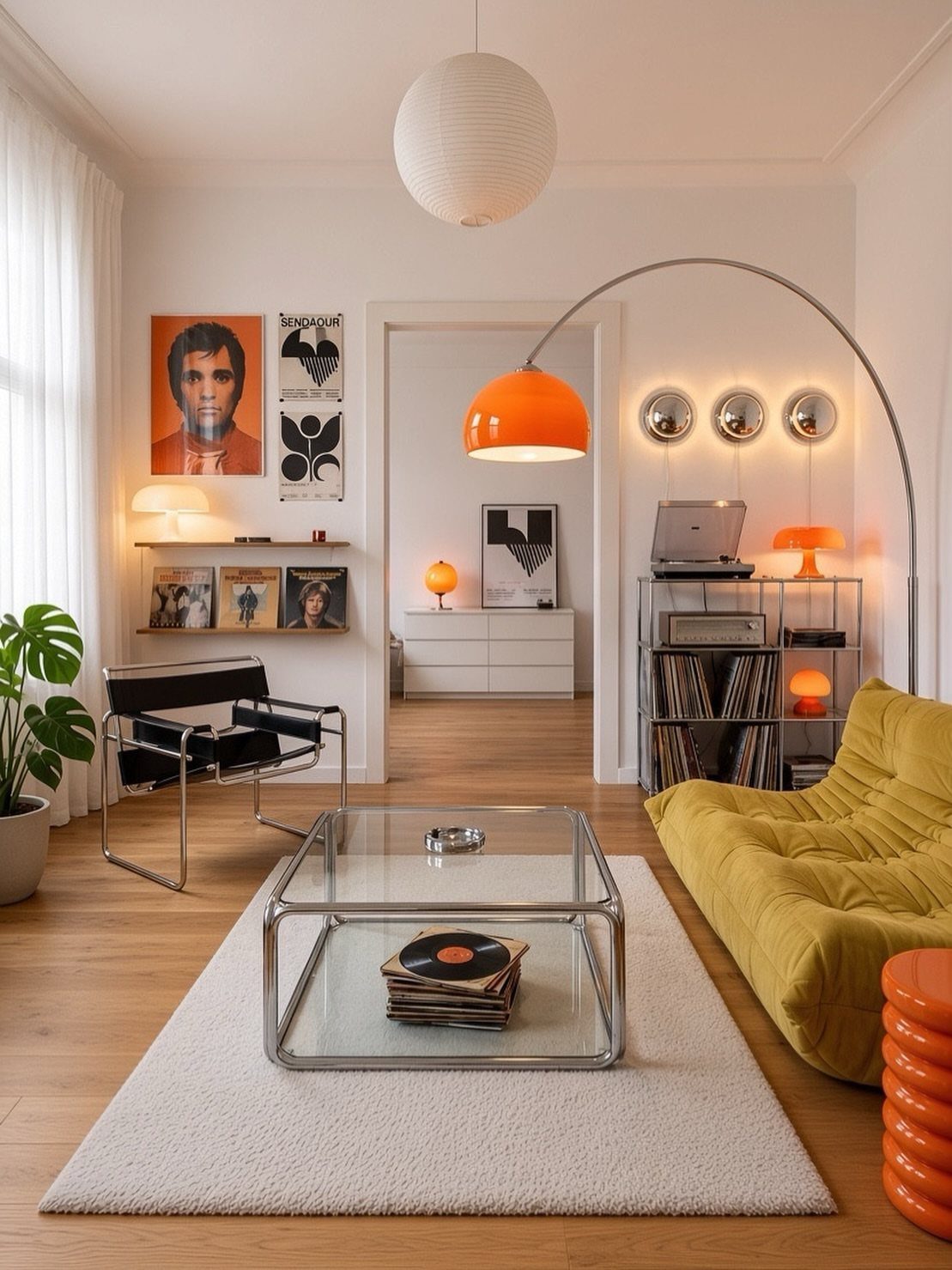
One piece of furniture in a bold color or finish becomes the focal point and sets the tone for the rest of the room.
The yellow sofa carries enough color to define the space, and the orange arc lamp reinforces that choice without repeating the exact same shade.
Choose an accent piece that can hold the room on its own, then build around it with neutral furniture and smaller accessories that echo the color.
That balance keeps the room from feeling overwhelming while still giving it a strong identity.
18. Large Artwork
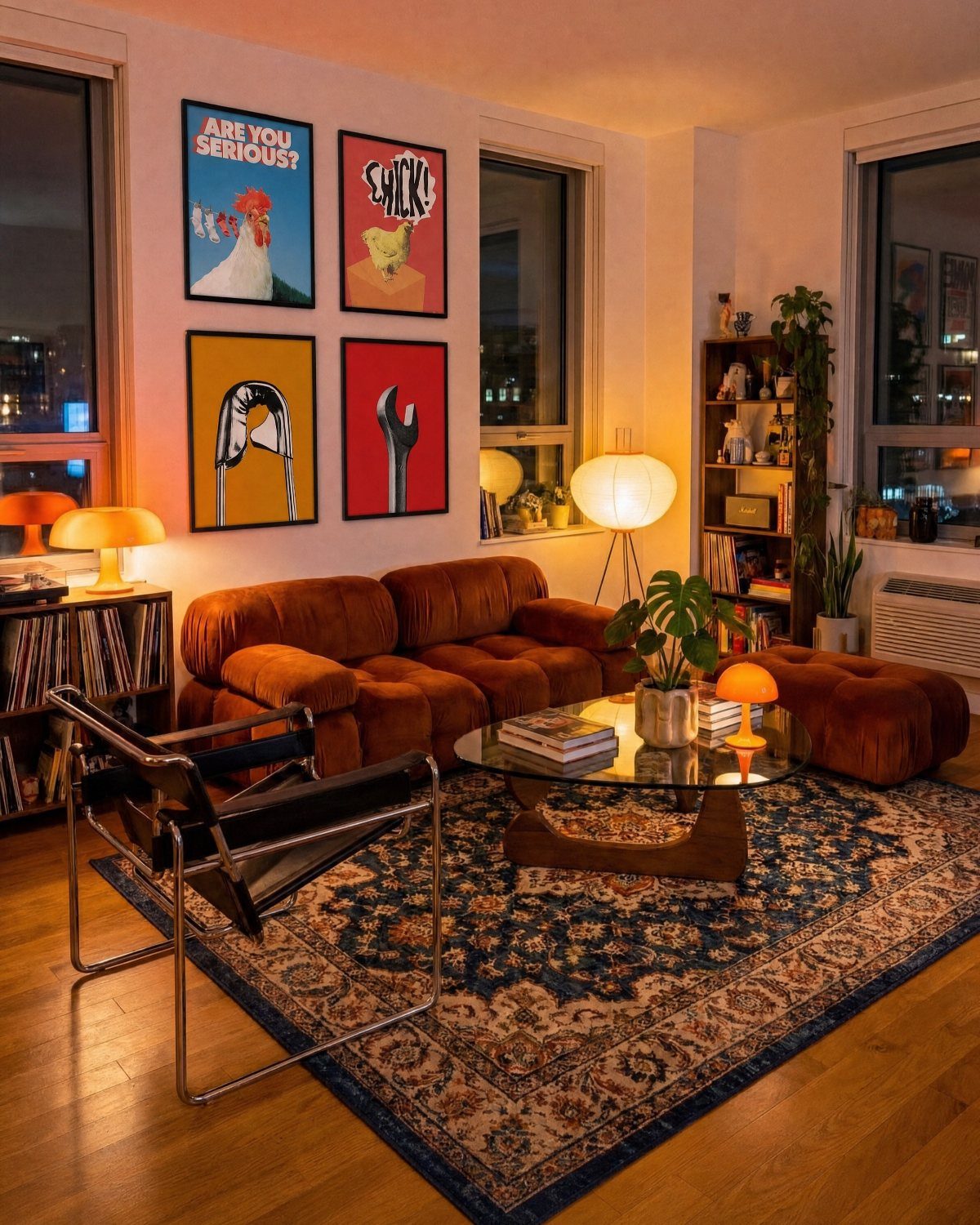
Large artwork fills wall space with one statement instead of scattering small pieces across the surface, which reads as more intentional in a small apartment.
A single oversized print or a grid of matching frames creates impact without the clutter of mismatched art at different heights.
Mount the pieces at eye level or center the grouping on the wall behind the sofa.
The set of 4 prints here works because they share the same frame style and scale, which ties them together even though each design is different.
19. Cozy Reading Nook
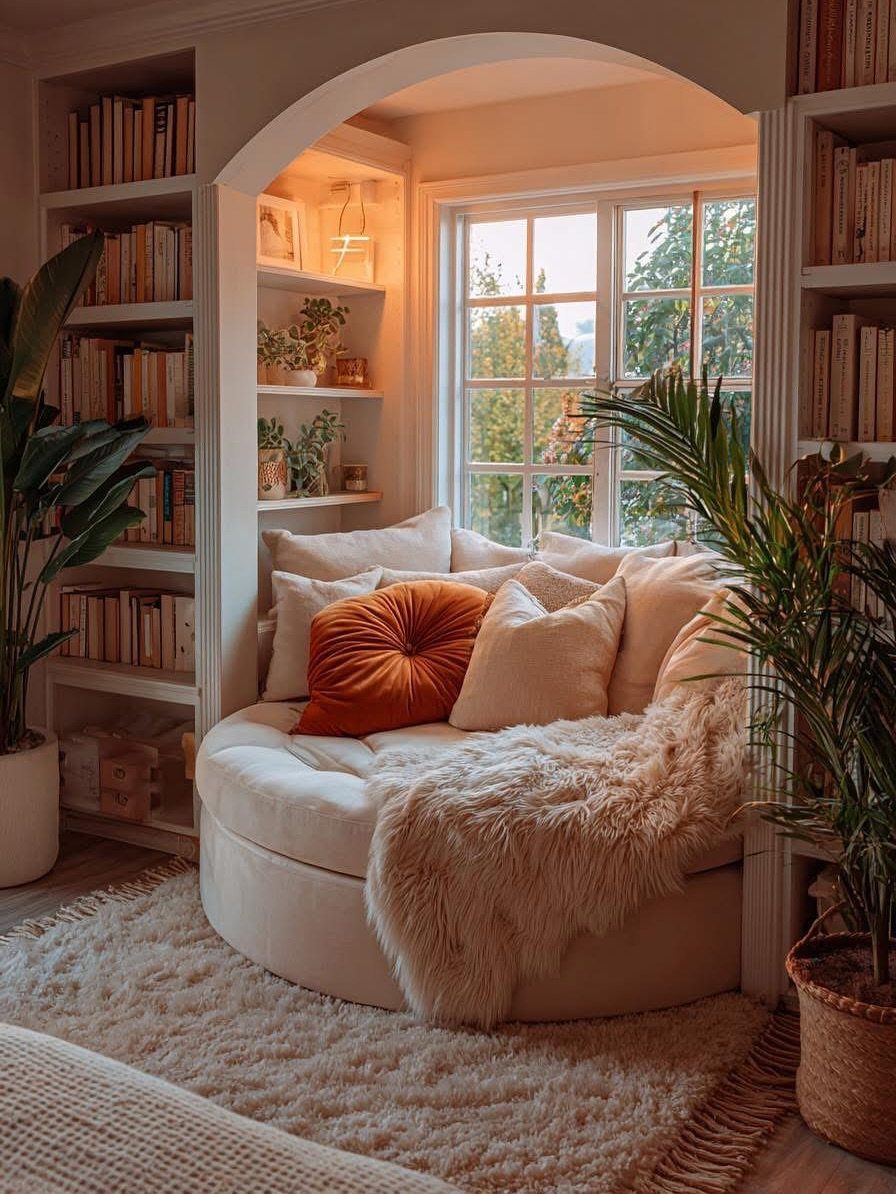
A reading nook turns an unused corner or alcove into a contained spot for sitting with a book, and the enclosure makes it feel separate from the rest of the apartment.
Built-in seating works when the space allows it, but a chair pulled into a corner with a floor lamp and a side table creates the same effect.
Add pillows and a throw to make the spot comfortable enough to stay in for more than a few minutes. Position it near a window if you have one so you can read by natural light during the day.
20. Accent Pillows
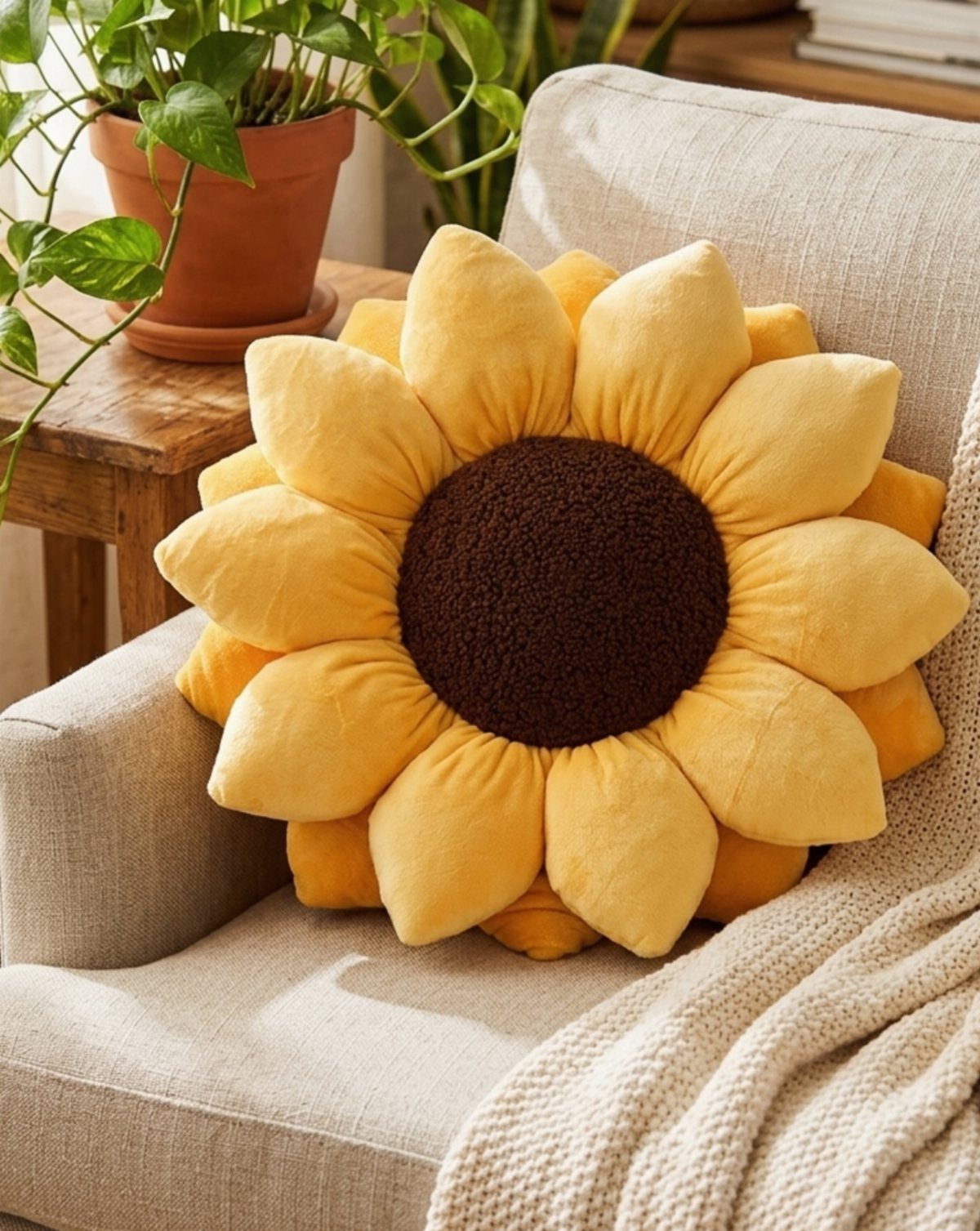
Accent pillows introduce color or texture to a sofa or chair without changing the furniture itself. A bold shape or pattern can shift the mood of the room, and swapping them out takes less effort than rearranging.
Pick a color that either matches an existing accent in the room or contrasts with the upholstery.
The sunflower shape here adds visual interest on its own, so the rest of the seating can stay simple without the space feeling flat.
21. Decorative Baskets
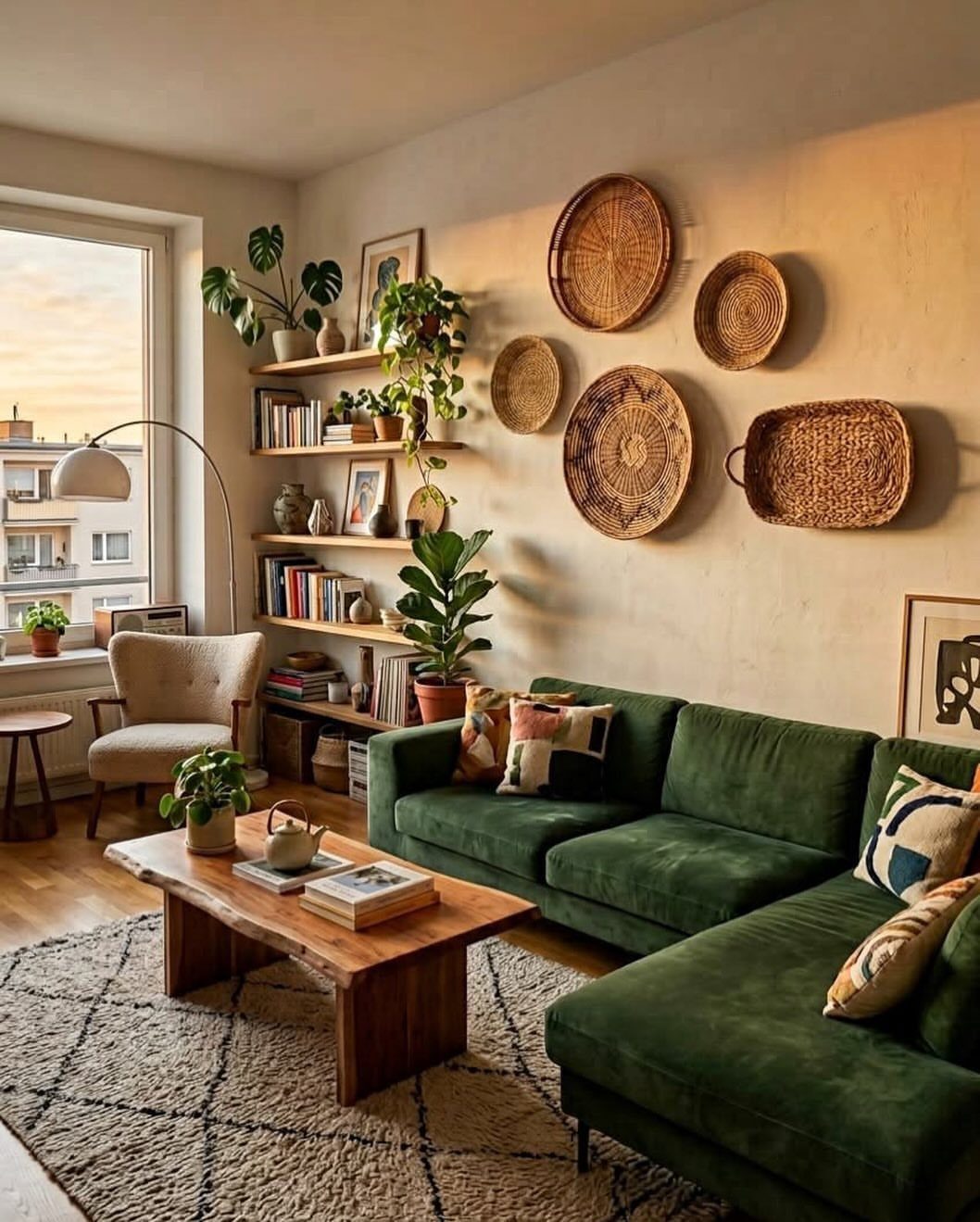
Baskets mounted on the wall add texture and fill vertical space without requiring shelves or frames. The woven material brings warmth to a painted surface, and grouping several together creates a pattern that looks intentional.
Hang them in a cluster above a sofa or console table, spacing them evenly or in a loose grid depending on the wall width.
The arrangement works because the baskets share a similar size and finish, which keeps the grouping cohesive.
22. Small Bar Cart
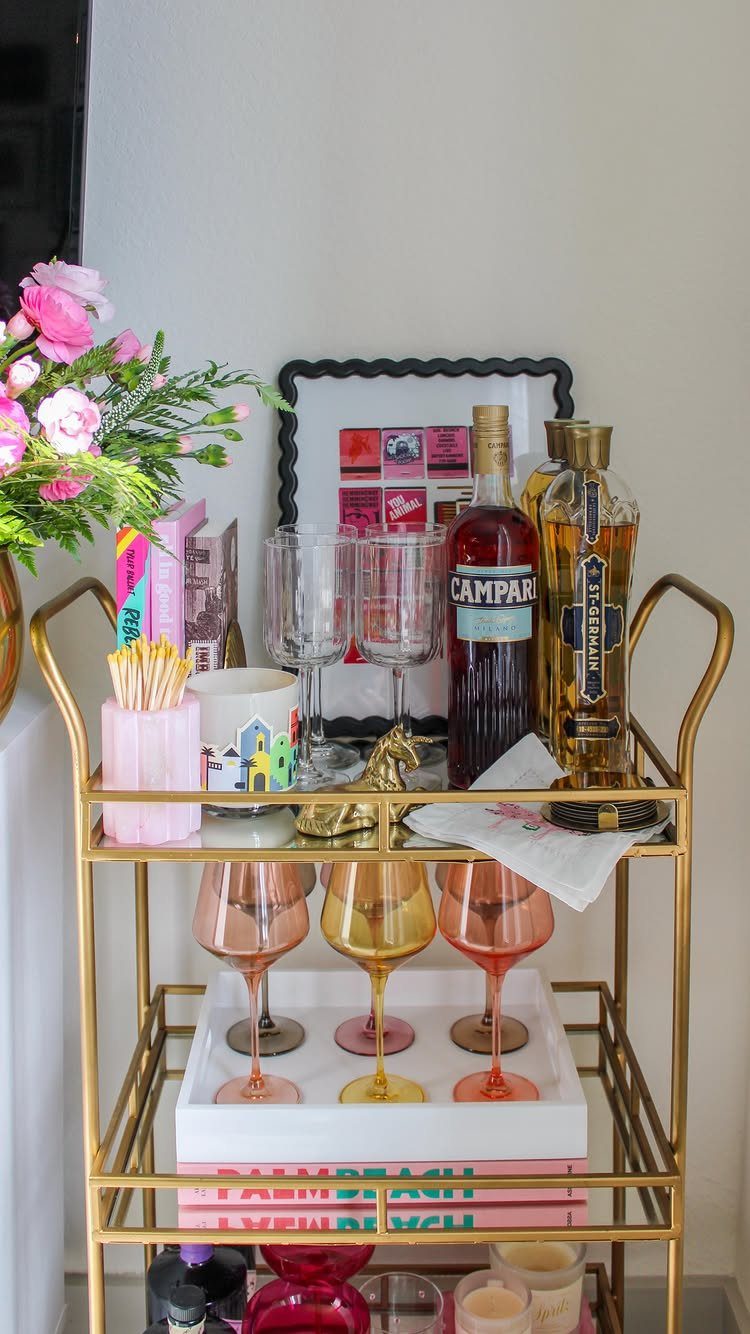
A bar cart holds bottles, glassware, and small accessories in a narrow footprint that fits against a wall or in a corner.
The 2 tiers give you room to separate liquor from glassware or group items by frequency of use, and the wheels let you move it when you need the floor space.
Stock the top shelf with bottles you reach for often and use the lower tier for backup supplies or decorative items that tie into the room’s color scheme. The cart stays functional even when it sits in plain view.
23. Slim Entryway Table
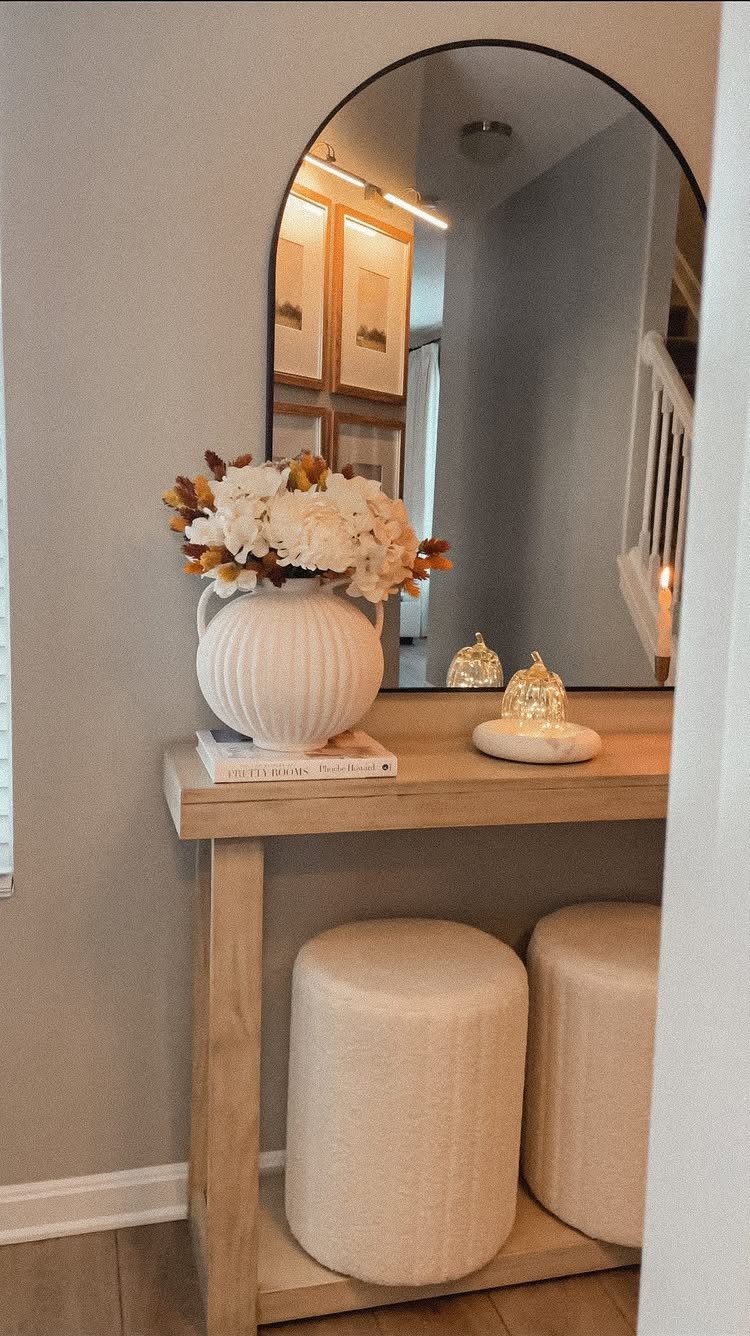
A slim entryway table fits in tight spaces where a standard console would block the walkway.
The narrow depth keeps it from jutting into the path, and the surface gives you a landing spot for keys or mail without claiming much floor area.
Place it against the wall near the door and keep the top minimal so the table does not look crowded. Ottomans or baskets stored underneath add function without widening the footprint.
24. Plants for Decor
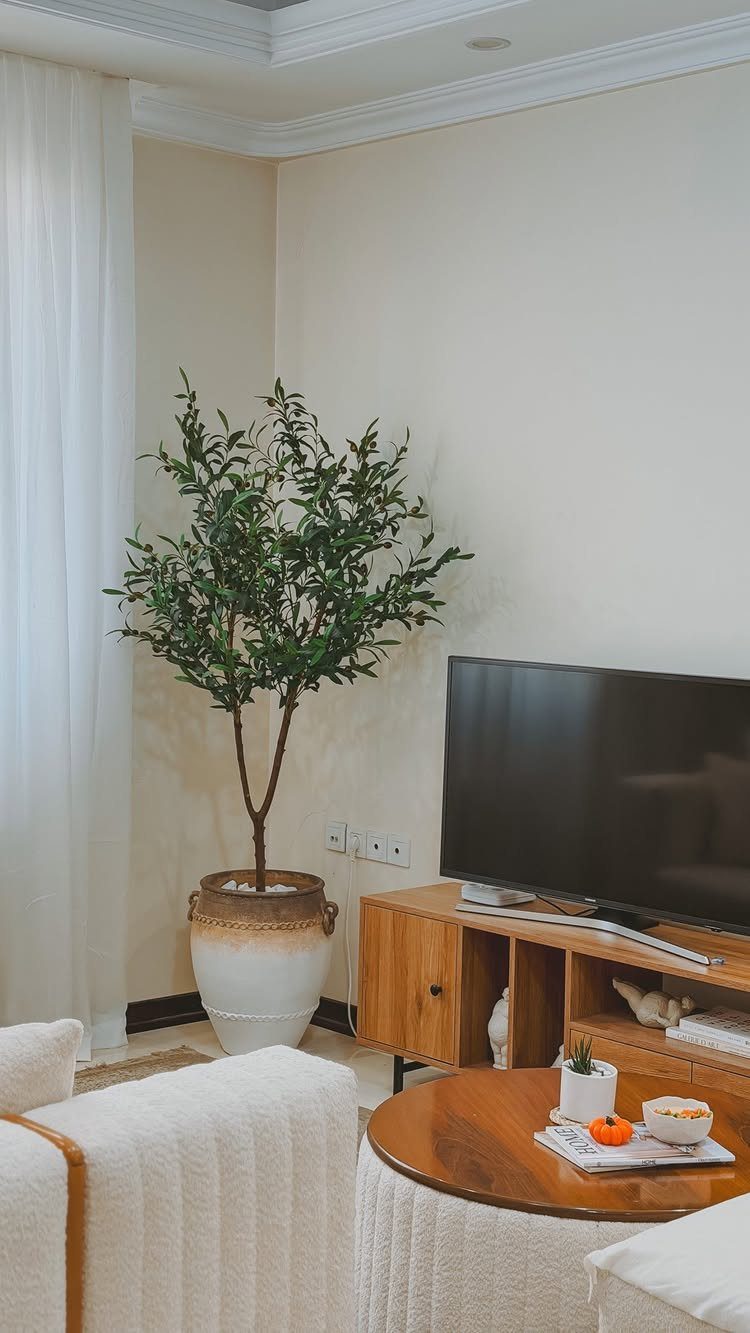
Plants fill empty corners and add greenery to rooms that lack outdoor views. A tall plant in a floor pot claims vertical space without spreading across the floor, and the height balances low furniture like a sofa or coffee table.
Real plants need consistent light and watering, which can be a problem in a dim apartment or if you travel often. Artificial options skip the maintenance and still bring the same shape and color to the room.
25. Rugs to Define Spaces
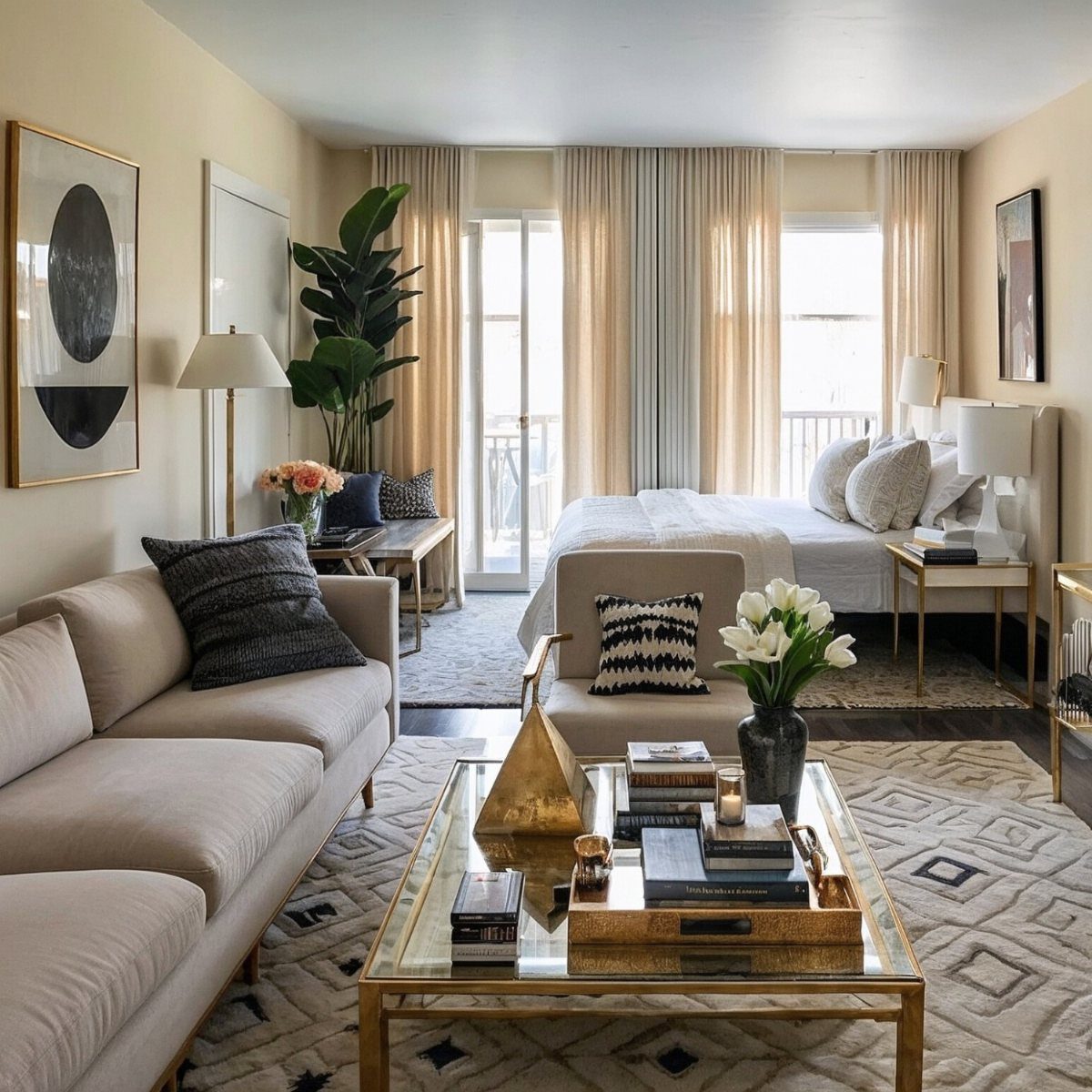
Placing separate rugs under different furniture groupings divides a studio or open-plan apartment into distinct areas without building walls or adding screens.
One rug anchors the seating, another marks the sleeping area, and the exposed floor between them acts as a boundary.
The contrast works best when the floor color differs from the rugs. Match the rug size to the furniture footprint so the pieces sit fully on the surface rather than half on and half off.
26. Personal Art, Photos
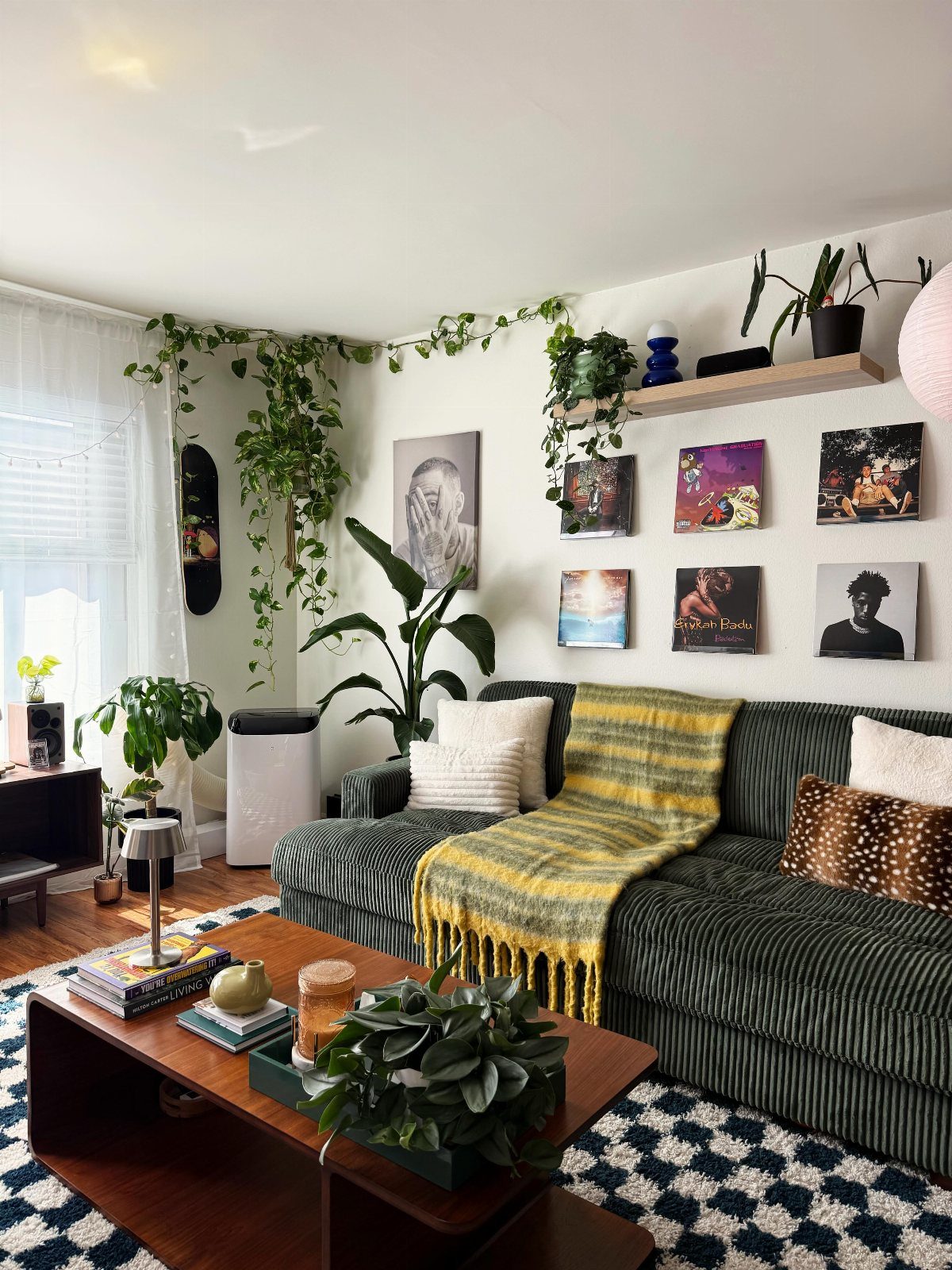
Framing your own photos or prints and hanging them in a grid turns the wall into something specific to you instead of relying on mass-produced art.
The uniform frame size and spacing make the grouping look deliberate even when the images themselves vary in subject or color.
Measure and mark the layout on the wall before drilling so the spacing stays consistent. A grouped frame layout fills a section of wall without requiring a huge collection, and you can swap individual pieces as your tastes change.
27. Mixed Wood, Metal, and Fabric Decor
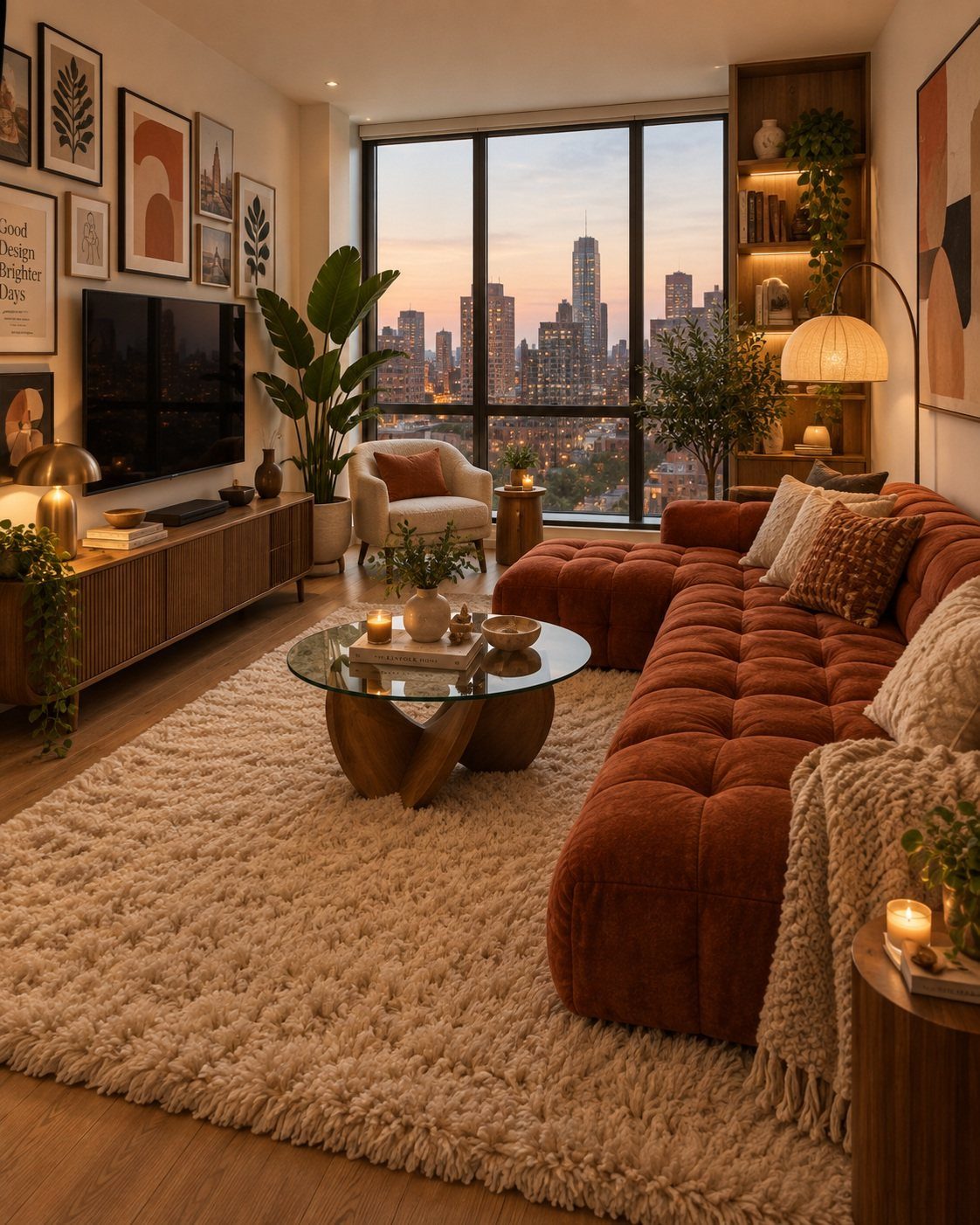
Combining different materials in one room adds contrast and keeps the space from looking flat. The wood console brings warmth, the glass table reflects light, and the fabric sofa softens the harder surfaces around it.
Balance the materials across the room rather than clustering them all on one side. If the seating is upholstered, use wood or metal for the tables and storage so the textures stay varied.
Maximize Natural Light
Place a mirror opposite or adjacent to the window so it catches and redirects the light instead of reflecting a dark corner.
Sheer curtains filter daylight without blocking it, which keeps the room bright while still giving you privacy during the day.
Hanging curtains closer to the ceiling than to the window frame draws the eye up and makes the wall look taller, which opens the room visually even if the window itself is small.
Stick with lighter colors or fabrics you can see through. Heavy or dark curtains absorb light instead of letting it pass, which defeats the purpose.
Consider Layout and Flow
Measure before you move anything. Major pathways need 36 inches of clearance between furniture so you can walk through without turning sideways or brushing against a corner.
Tighter spaces like the gap between a sofa and coffee table can close to 15–18 inches, and a side table should sit within 6–8 inches of the chair or sofa it serves.
Pull furniture away from the walls if the floor space allows it.
Incorporate Personal Style
Personal items make an apartment feel like yours instead of a staged unit.
Hang art you actually like, not placeholder prints chosen for neutrality. Frame photos of people you know and put them on a shelf or console where you will see them daily.
Objects with history work better than new decor bought to fill a gap.
A bowl, a vase, or a small sculpture that came from somewhere specific adds more character than a generic accent piece, and the story behind it makes the space feel lived in rather than assembled.
Pick a few items that matter and give them space. Crowding every surface with small objects looks cluttered, but a few pieces placed with intention anchor the room and make it feel finished.
Frequently Asked Questions
How to furnish a small apartment?
Pick furniture that handles multiple jobs, like a wall-mounted desk that folds away or a side table with storage underneath. Use walls for shelves and hooks so the floor stays open, which makes the apartment feel larger than it is.
Keep the color palette light and neutral across main pieces so the room reads as one space instead of several cramped sections.
What is the 3-5-7 rule in decorating?
Group decorative items in clusters of 3, 5, or 7 and the arrangement starts to feel intentional rather than random.
Your eye connects the repeated color across different items and accepts it as part of the scheme. The rule works for small apartments because it adds personality without requiring a lot of pieces or overwhelming the space.
What are some good ideas for apartment decor for guys?
Start with one bold furniture piece in a strong color or unusual shape, like a standout coffee table or accent chair, then keep surrounding pieces neutral so the room has personality without looking busy.
Layer different materials like wood, metal, and fabric to add contrast and keep the space from feeling flat.
Functional storage like wall-mounted shelves or a small bar cart keeps the apartment organized while staying visible, which matters when floor space is tight.






