The post’s 6 sections run from custom pieces with a name painted on the front, to used solid wood sold warehouse-style, to timing a sale in January or July.
If the bed, wardrobe or dresser is the one piece you care about, spend on custom and keep the rest simple; if you are filling a whole bedroom on a limited budget, used furniture goes furthest.
1. Bedroom Furniture
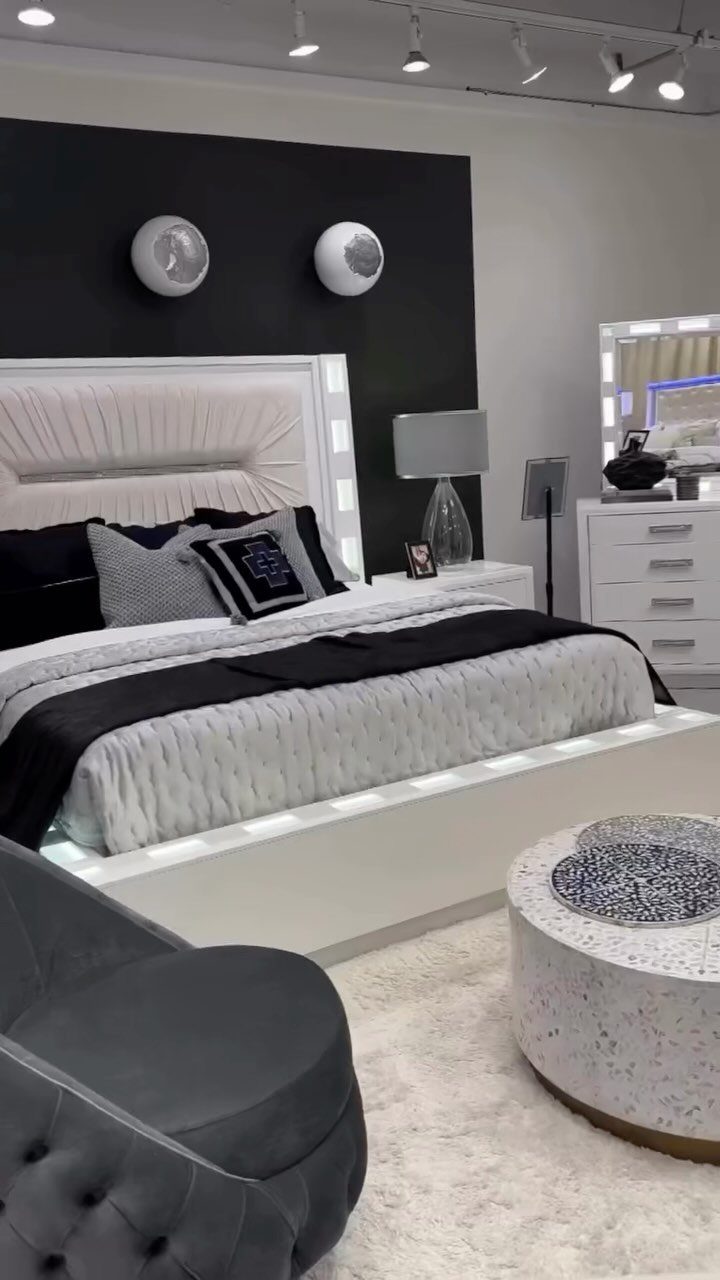
A bed with a lit frame does more for a bedroom than most people expect, because it works as the lamp and the focal point at once.
Shopping for a bedroom set in Houston, I would pick the bed first and build around it.
Match the dresser and chair to the bed’s color instead of buying a boxed set.
A white dresser, a grey armchair and a small accent table give the room layers without everything looking identical. Measure the wall and the walkway before you go, so a dresser never ends up blocking a drawer or a door.
2. Custom Furniture Pieces

Custom furniture means you choose the details, down to a name painted on the front and a character on the doors.
A wardrobe with drawers below and a glass-door shelf above is a good example of how much personality one piece can carry.
For a renter or first-time buyer, I would spend the custom budget on one piece, such as a wardrobe or dresser, and keep the rest simple.
Give the maker the exact size of your space in writing, measured wall to wall, plus any door and stairway widths the piece has to pass through. Expect to pay more than off-the-shelf pieces, and expect to wait.
3. Used Furniture
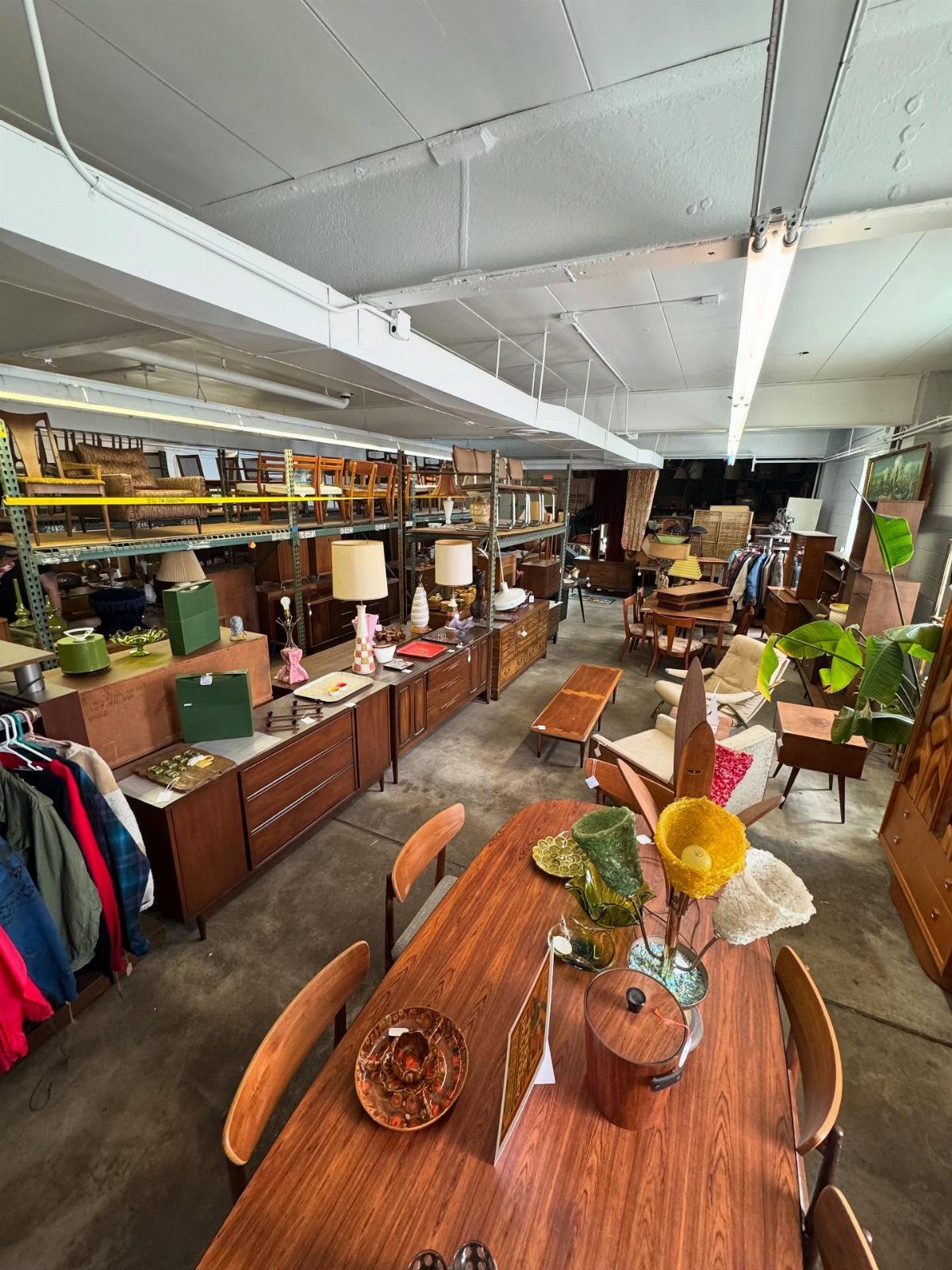
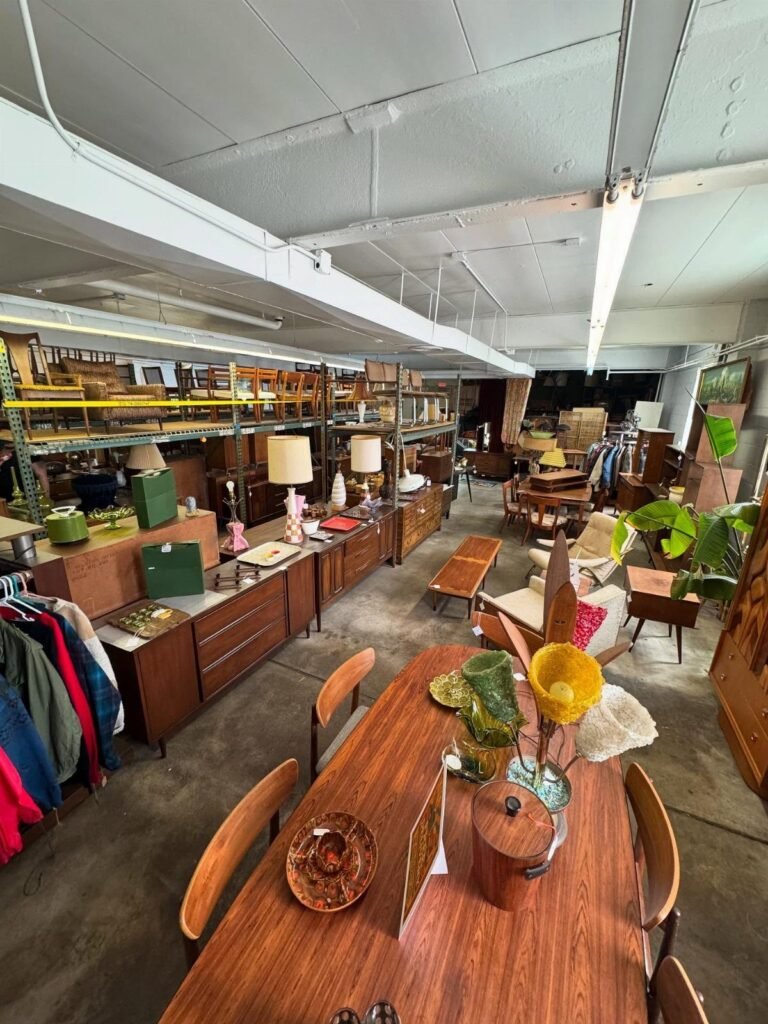
Used furniture is where a limited budget goes furthest, since gently used pieces sell at lower prices than new ones. Warehouse-style stores with rows of wooden tables, dressers, chairs and lamps let you compare pieces side by side.
Solid wood is what I look for first.
Pull out drawers, wobble the chairs and check the table legs before paying. Scratches can be sanded or hidden, but a loose joint is a bigger repair.
Bring a tape measure and your van or truck dimensions, because large pieces are hard to return.
Customer Service Experience
Good service shows up in small ways: a salesperson who asks about your room before pointing at a sofa, who writes down your measurements, who tells you when a piece won’t suit your space.
Staff who offer that kind of personal help save you from the expensive mistakes.
Go in with a short brief: your budget, your room size and the style you want.
Then watch how they respond. If they keep steering you toward something pricier, thank them and walk out.
Visit more than one store before you decide. How you’re treated on a quiet Tuesday tells you a lot about how a problem would be handled after you’ve paid.
Quality Assurance
Many stores guarantee the quality of what they sell and take returns on purchases that disappoint. Ask about it before you pay, not after the truck leaves.
Get the return terms in writing, and read what they say about the time window, who pays for pickup and whether the piece has to be in its original condition. Keep the receipt and any tags in a folder.
Inspect everything the day it arrives. Look for scratches, wobbles, stains and missing hardware, and photograph anything wrong right away so a return or exchange is easier to prove.
Best Time to Buy Furniture
Timing can cut the price of the same sofa by a noticeable amount. January and July are the months I’d watch, since both often bring significant discounts.
Start tracking pieces a few weeks ahead. Note the regular price of the items you want, so you can tell a real markdown from a sticker that was inflated first.
If you can wait, set aside your budget now and shop in one of those months. A weekend of patience often pays for itself.