
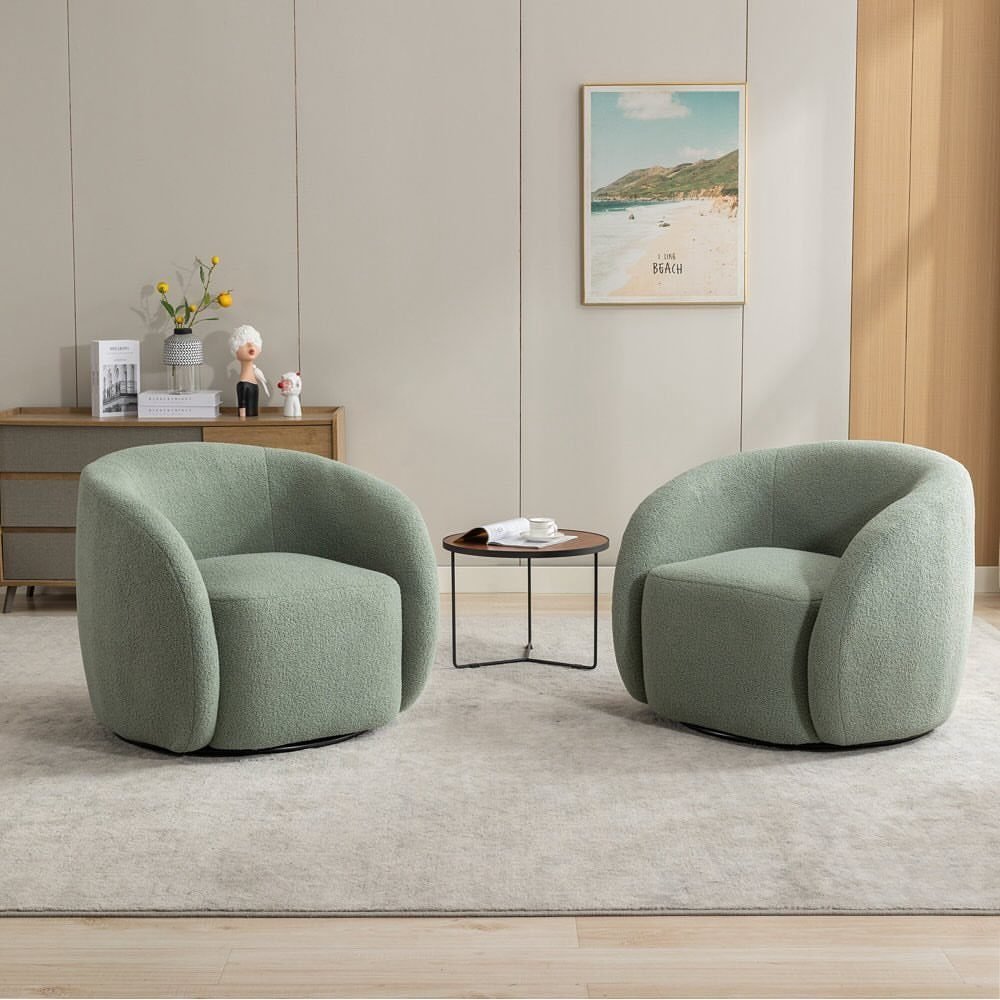
What suits you depends on your floor space, because the list runs from floating furniture that frees up the floor to dining tables that set the footprint of the whole dining area.
Styles range from slipcovered pieces and shabby chic to traditional, rustic, vintage and antique, so a small room and a roomy one will land on different picks.
Tape each big piece’s footprint on the floor with painter’s tape and walk around it for a day before you buy.
1. Sofas
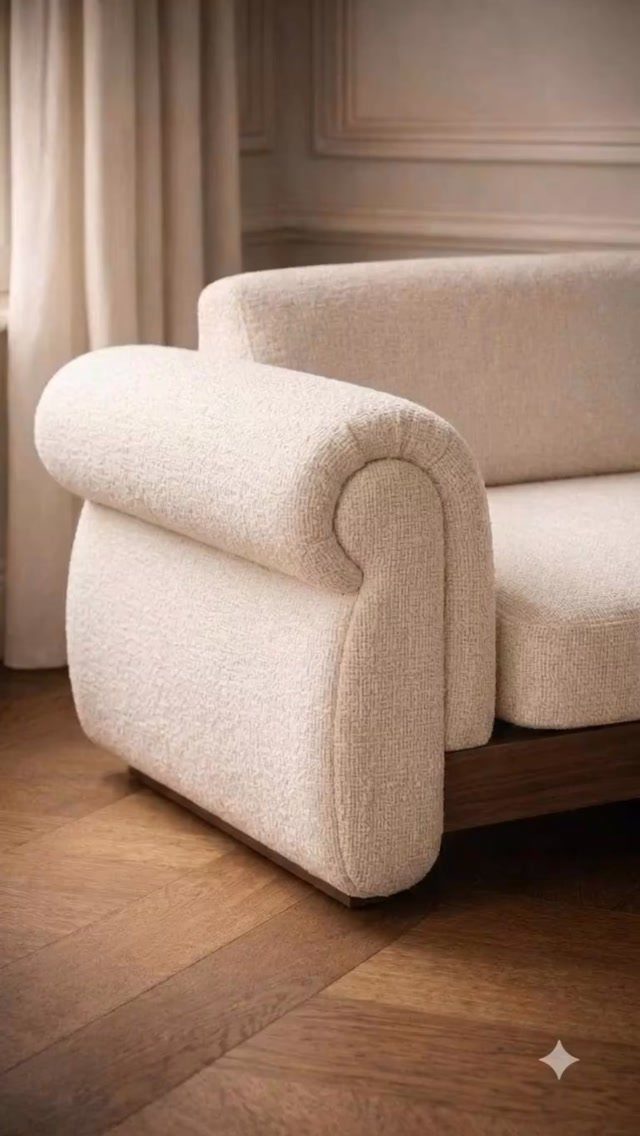
A bouclé sofa with a curved arm is a soft-edged choice, and the nubby texture does the decorating for you. Cream reads calm against a wood floor and beige curtains, so you can keep everything else quiet.
Sit on it before you buy it. Seat depth and cushion firmness decide whether you use a sofa daily or just look at it, and neither shows in a product photo.
Rounded arms also take up a little less visual room than square ones, which helps in a small living room.
2. Accent Chairs
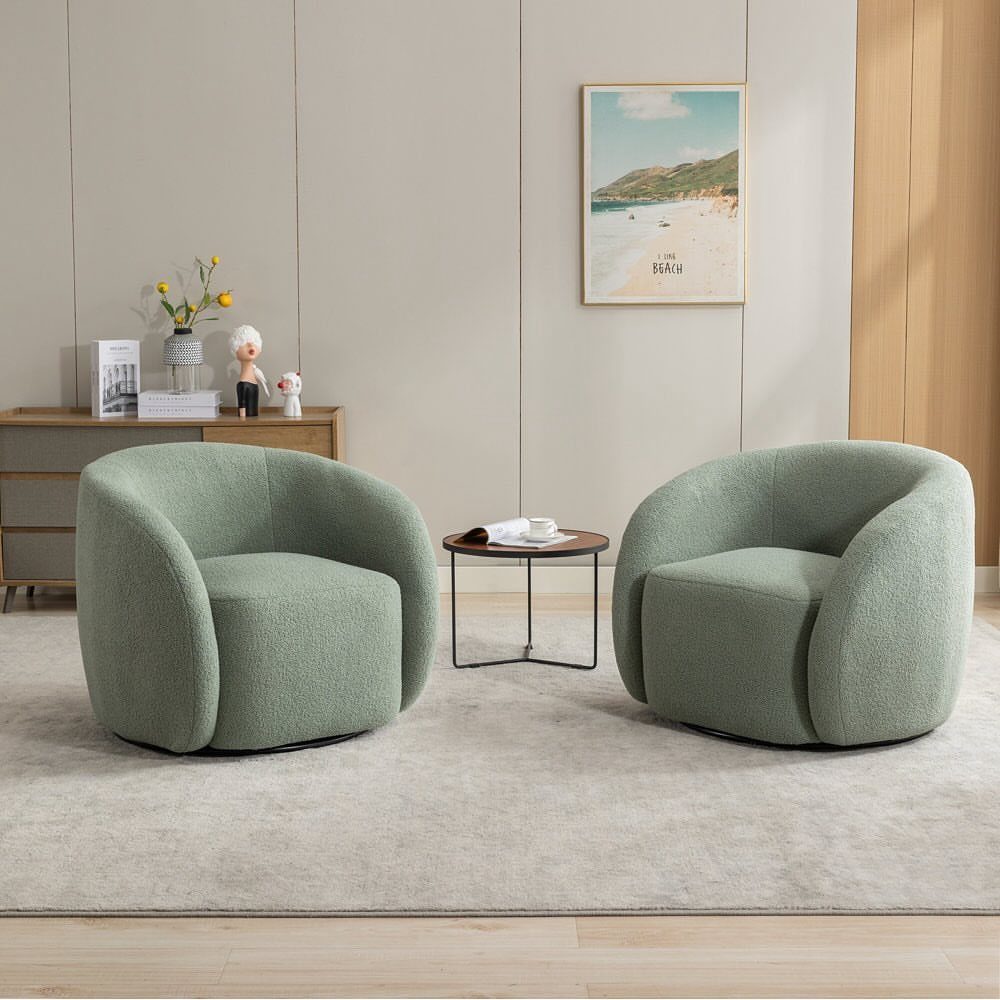
2 accent chairs facing each other with a small table between them make a conversation corner without needing a second sofa.
Rounded shapes in a soft sage green keep it light, and the color adds interest without fighting a neutral room.
Buy them as a pair if you can. Matching chairs look intentional, and a single odd chair can look like leftovers.
A small round table between them gives you a spot for a drink and nothing more, which is exactly right in a tight corner.
3. Storage Cabinets

Tall cabinets with doors hide clutter in a way open shelves never will. A beige finish with long black handles blends into the wall, and a lock adds privacy for papers or anything you want kept away from guests.
Choose a cabinet that matches your wall color if you want it to disappear.
Check that the doors have room to swing open before you pick a spot.
4. Coffee Tables
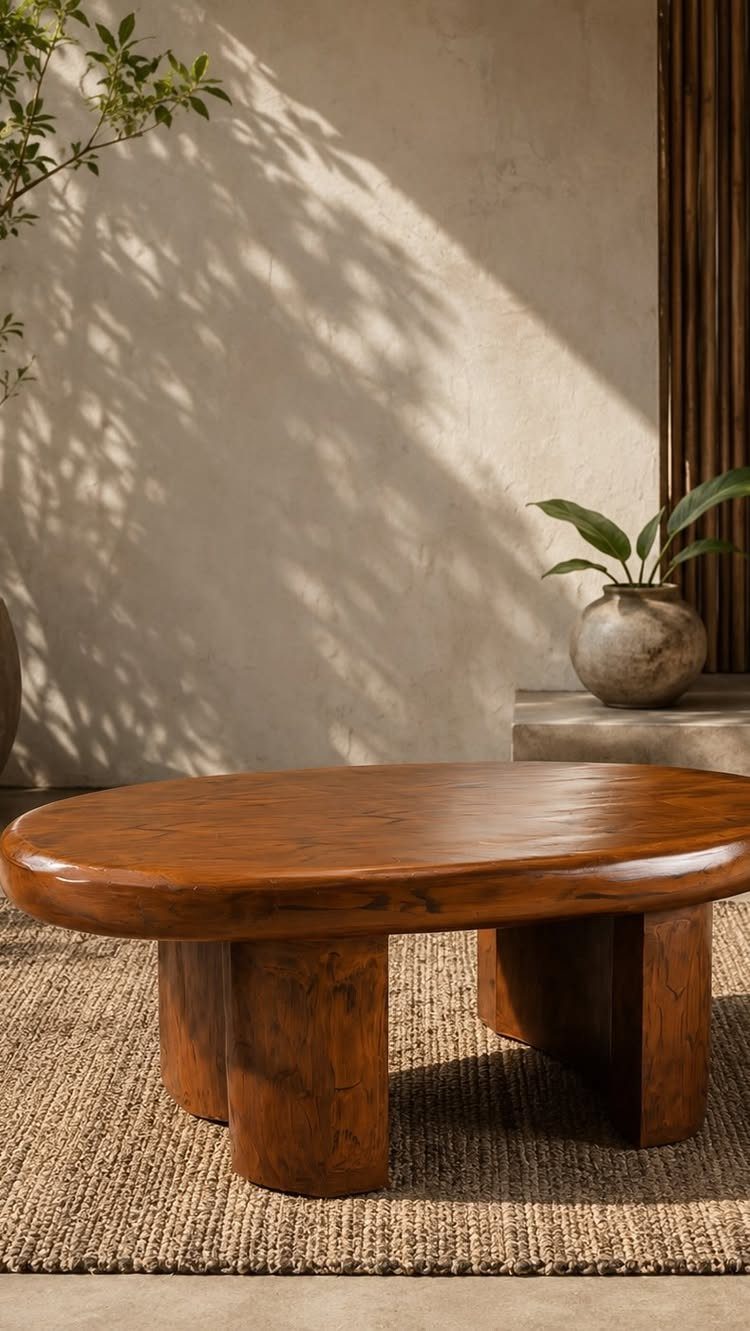
Low and oval, a wooden coffee table with thick legs leaves no corners to bump on the way past the sofa. That matters in a small room where walkways are tight.
Set it on a jute rug and the 2 textures, smooth wood and woven fiber, look good together without extra styling. A plant and one vase are plenty on top.
I prefer oval over rectangular for rentals and first homes, since the shape forgives awkward layouts.
5. Recliners
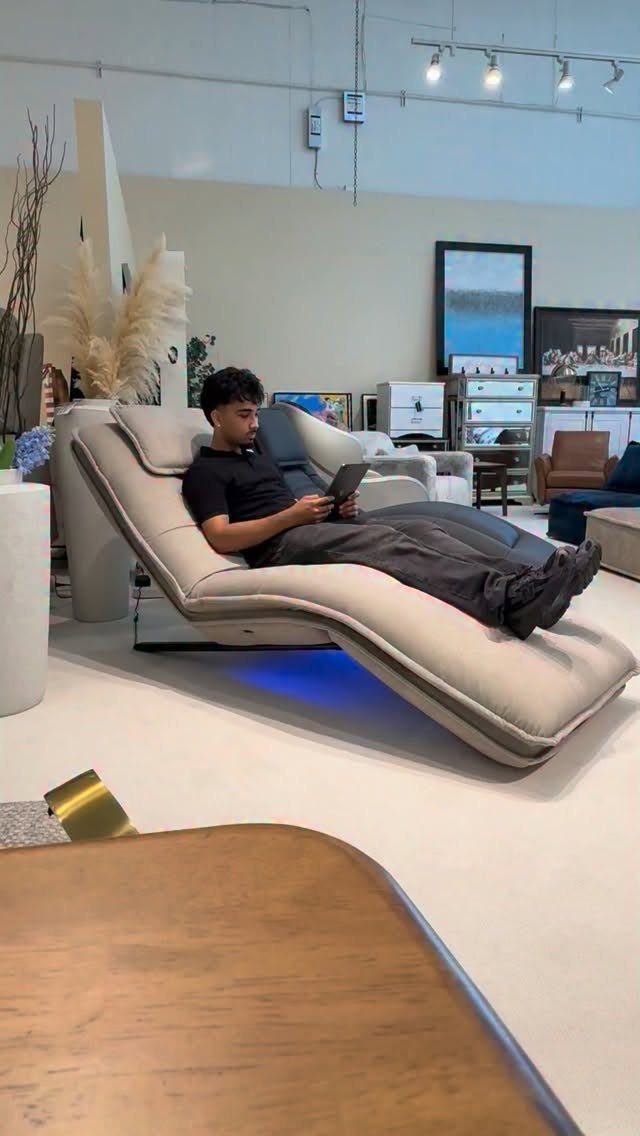
A recliner earns its space through adjustable positions, so test the one you want. Sit, lean back, and try reading or using a tablet in it, because comfort is the only thing it has to get right.
A modern, light-colored style like a beige lounge chair looks less bulky than the classic padded kind. That makes it easier to fit beside a sofa.
Shop in person if you can; a showroom lets you try every angle before you spend.
6. Slipcovered Furniture
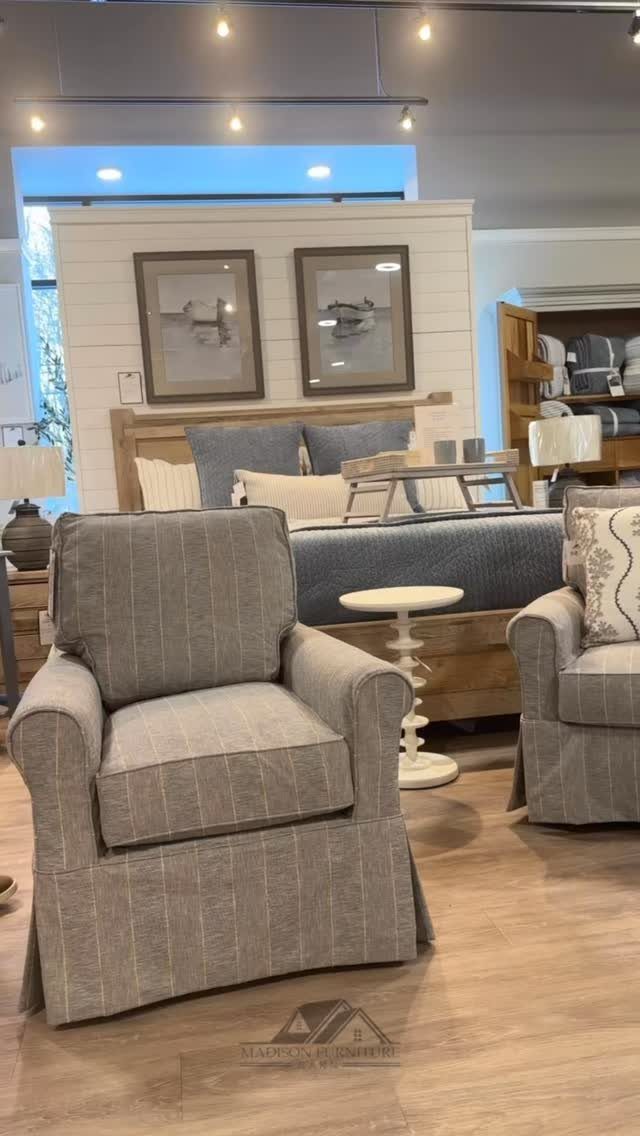
A slipcovered armchair gives you a relaxed, casual look, and a gray stripe keeps it from feeling plain. The cover sits over the frame like a tailored jacket, so the shape stays soft instead of stiff.
Stripes hide the little wrinkles a loose cover always gets, which I count as a real advantage over a solid color.
Look at how the cover fits around the arms and base before buying, since a baggy fit is the main giveaway of a cheap one.
7. Home Office Furniture
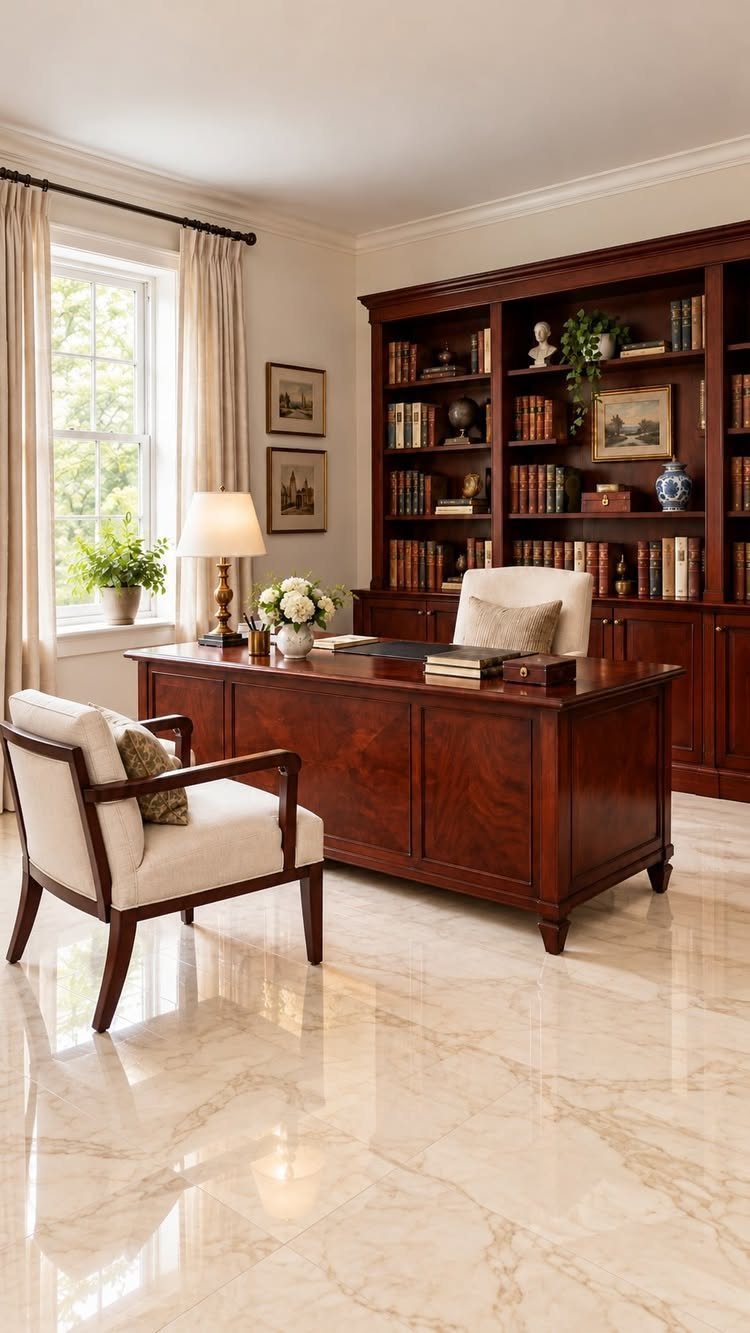
A mahogany desk this size, with an executive chair behind it and a guest armchair in front, makes a home office feel like a real workplace.
Built-in shelves along the wall finish it, and a dark desk against white upholstery gives the room a clear contrast.
Few renters or first-home owners have the square footage for this, so treat it as the version to aim toward. A smaller desk and one good chair carry the same idea.
A spare room is a luxury when you work from home.
8. Dining Tables
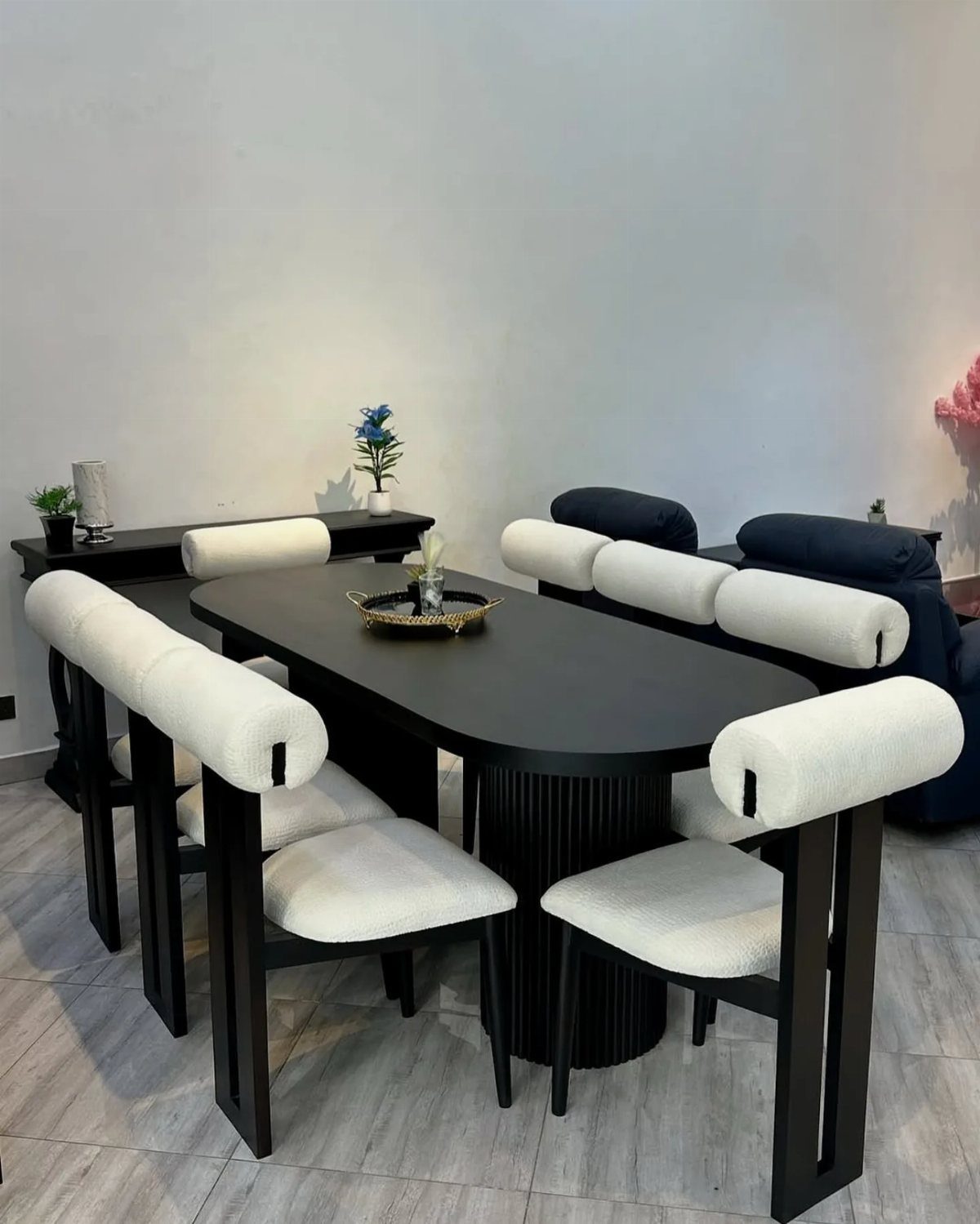
Oval tables with a black top give a dining area one strong anchor, and white chairs keep the dark surface from feeling heavy.
With no corners, people move around it easily, which suits a room that also holds a sofa and a console.
I like black here because it makes light gray walls look crisper.
Pick the table first and the chairs second, since the table sets the footprint of the whole dining area.
9. Dining Chairs
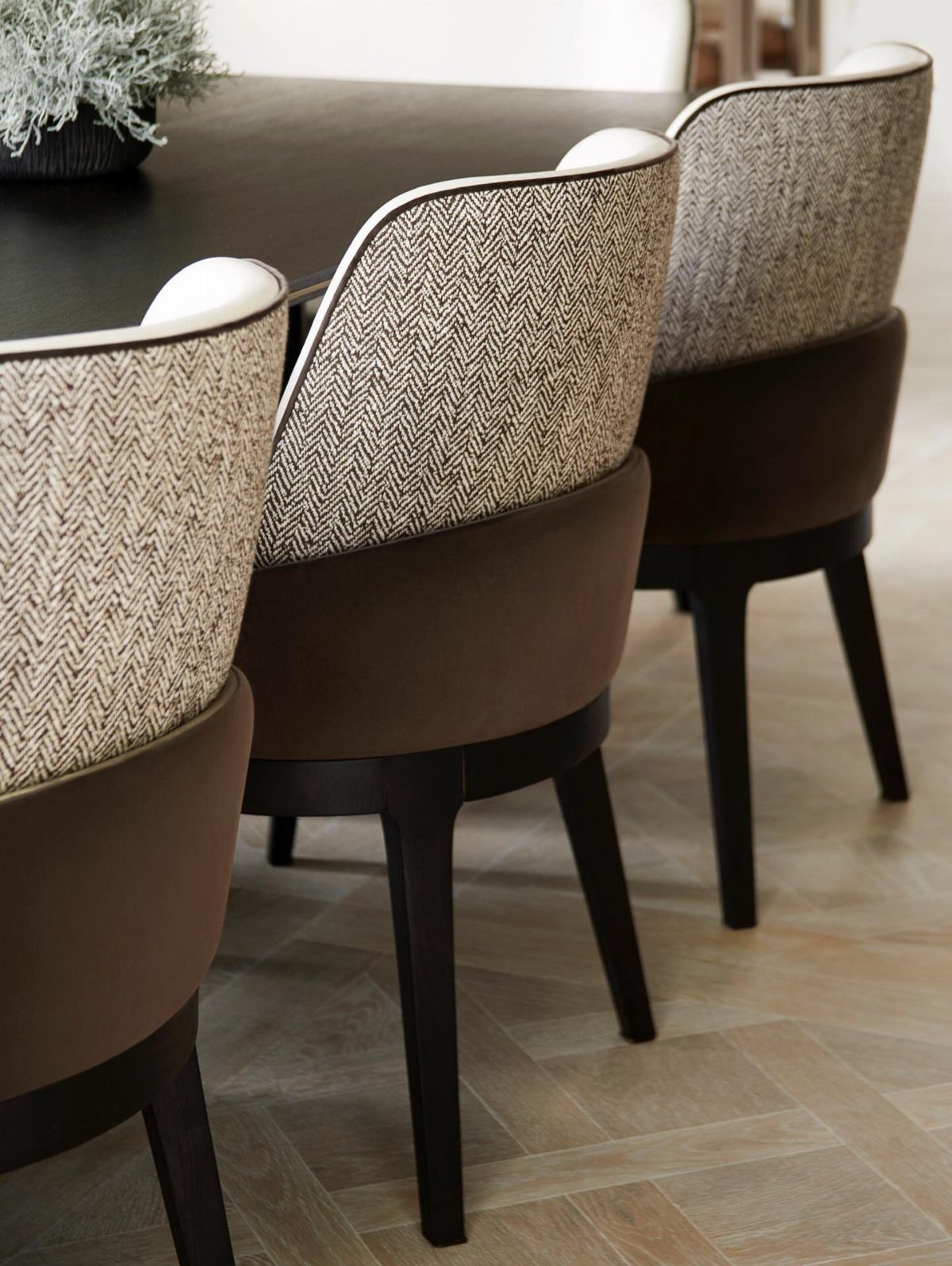
Herringbone upholstery on dining chairs adds pattern without adding color. Brown fabric with beige weave looks warm against dark wood legs, and the pattern hides the small marks that daily meals leave behind.
Match the legs to the table so the set reads as one. A pattern that echoes the floor, like this one, ties the room together, but I would keep the table plain so the two don’t compete.
Sit in a chair for a full meal before you buy.
10. Chaises
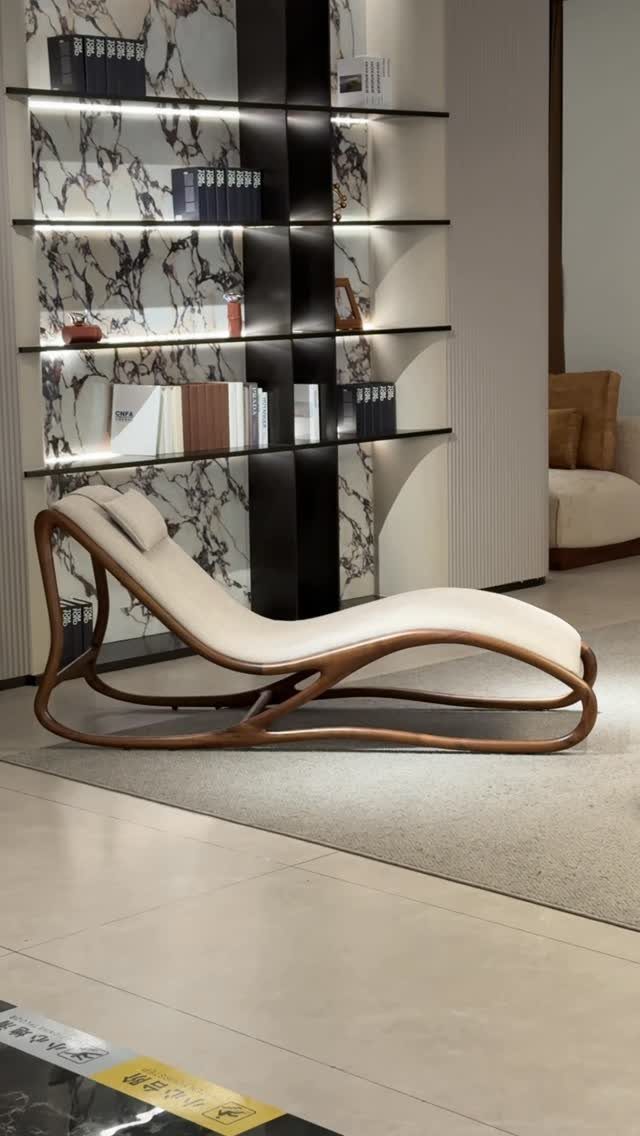
A curved wooden frame with light cushions turns a chaise into a piece that looks good even when nobody is lying on it.
Place it beside a bookshelf and add a beige rug under it, and you have a reading spot.
Use one if you have the floor space, since a chaise is long and needs a clear side. Measure the length before ordering.
Light fabric looks airy, though I would expect it to show more wear than a darker one.
11. Floating Furniture
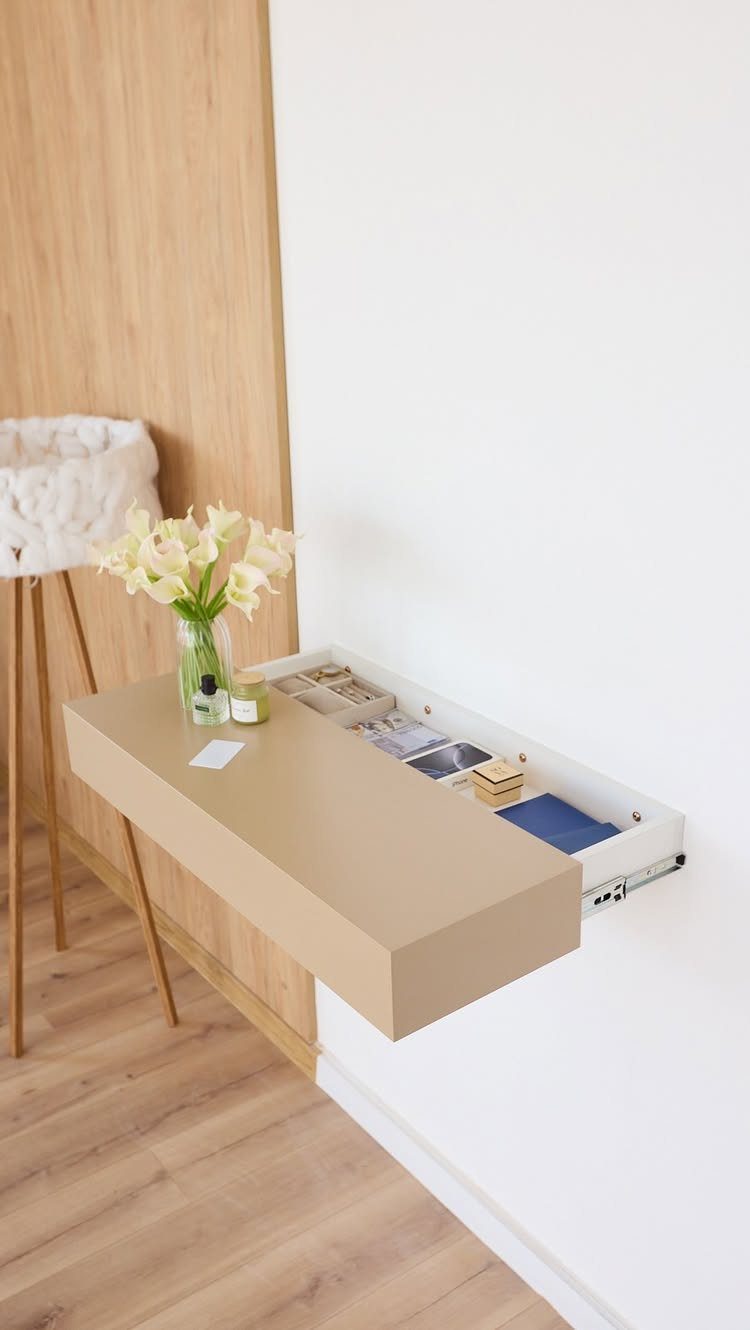
A wall-mounted desk frees the floor, which is the whole appeal in a small room.
This tan one has an open drawer for stationery, so pens and paper stay close and the top stays clear for a vase or a few daily items.
Mount it to the wall securely, and check where the studs sit before you choose a spot.
Renters should confirm the lease allows drilling first. I would choose a floating desk over a freestanding one in any narrow room.
12. Traditional Furniture
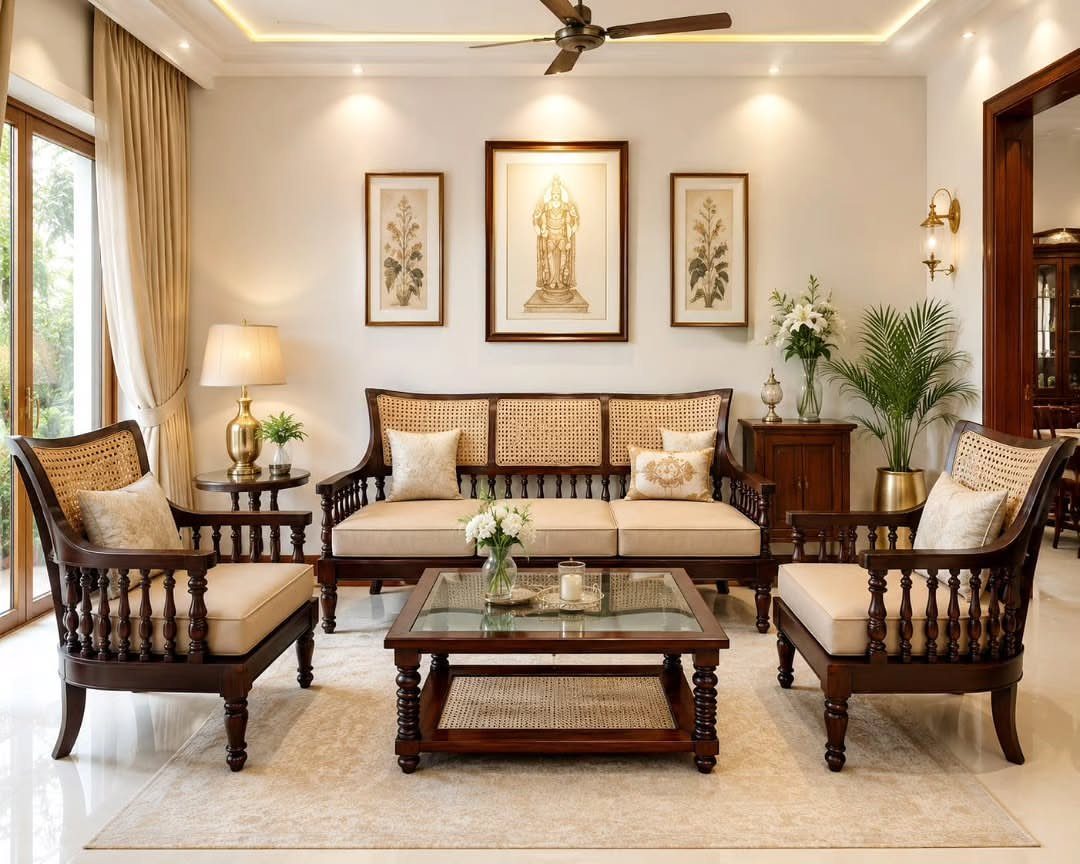
Traditional furniture leans on dark wood, matching pieces and detail.
I would buy the matching pieces slowly, one at a time, since a set with ornamentation can crowd a small room fast.
13. Rustic Furniture
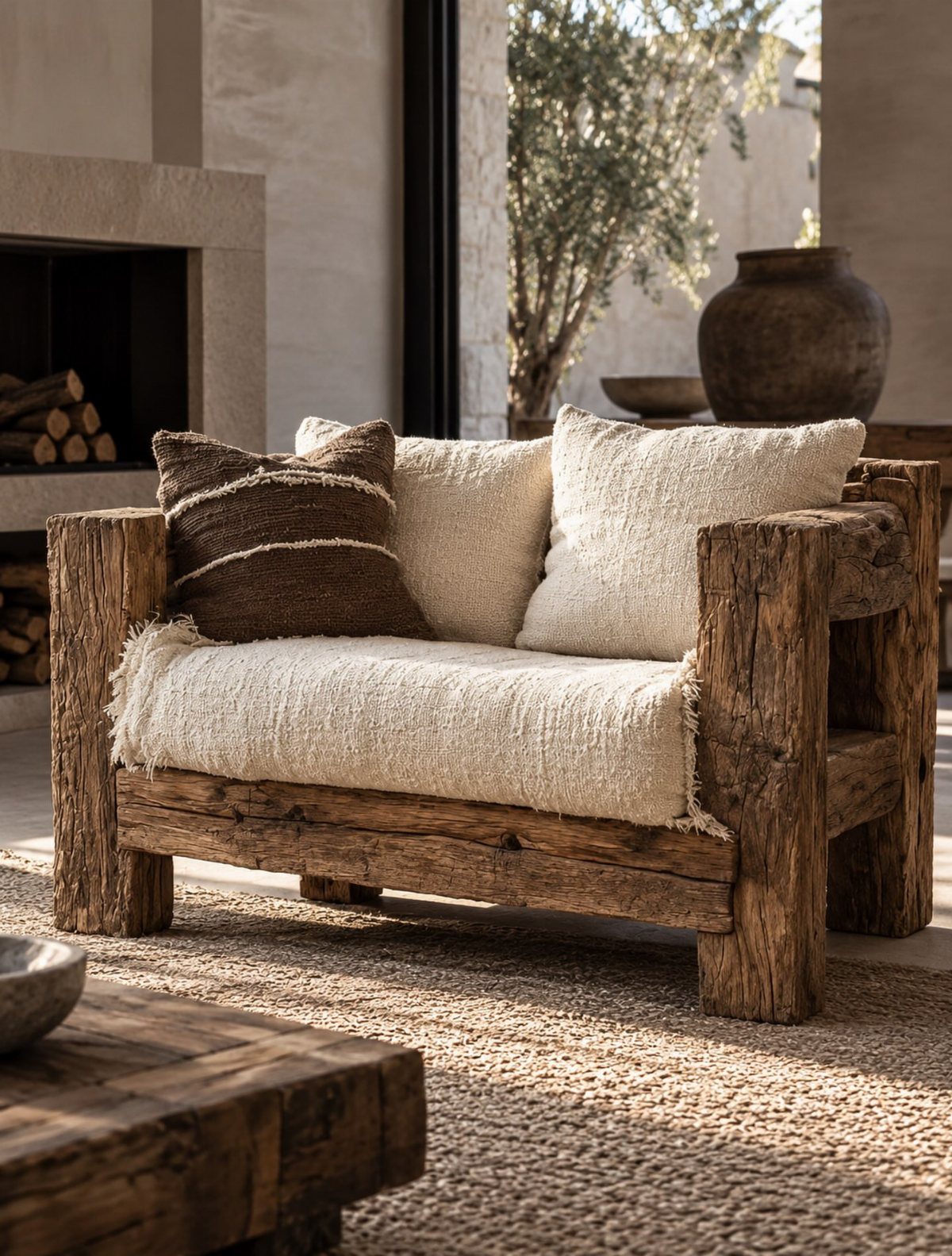
The material does the decorating, so you can keep everything else plain.
I would pick cushions in cream or brown over bold patterns, since the wood already carries the texture. Sit on the cushions before buying, because a wood frame leaves less give than an upholstered one.
14. Vintage Furniture
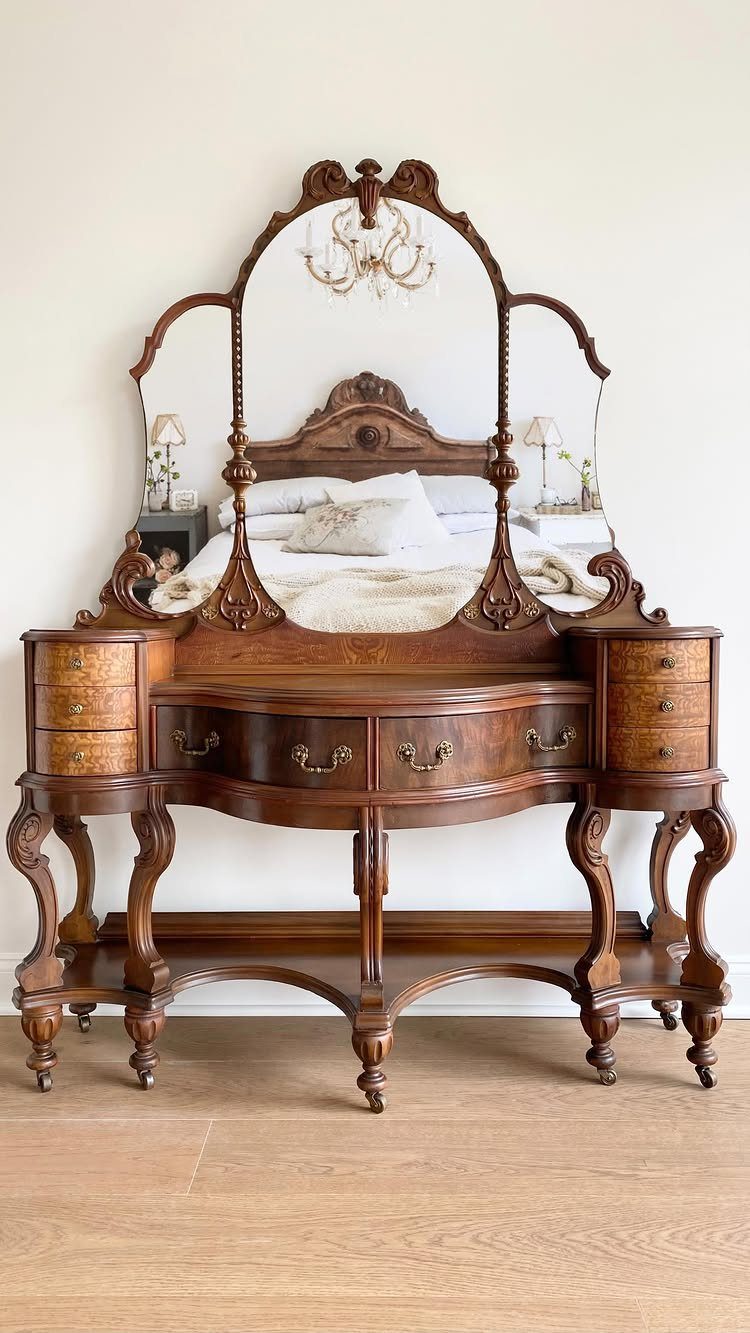
Mirrors give you a way to check. The maker of this piece says a date stamp on the glass turns up often, especially on pieces from the 1920’s or 1930’s.
Look at the back of the glass before you pay. A stamp lets you confirm the age instead of trusting a seller’s word.
I would buy a vintage dressing table over a new vanity for a bedroom, since a large mirror and carved wood give the room a focal point.
15. Antique Furniture
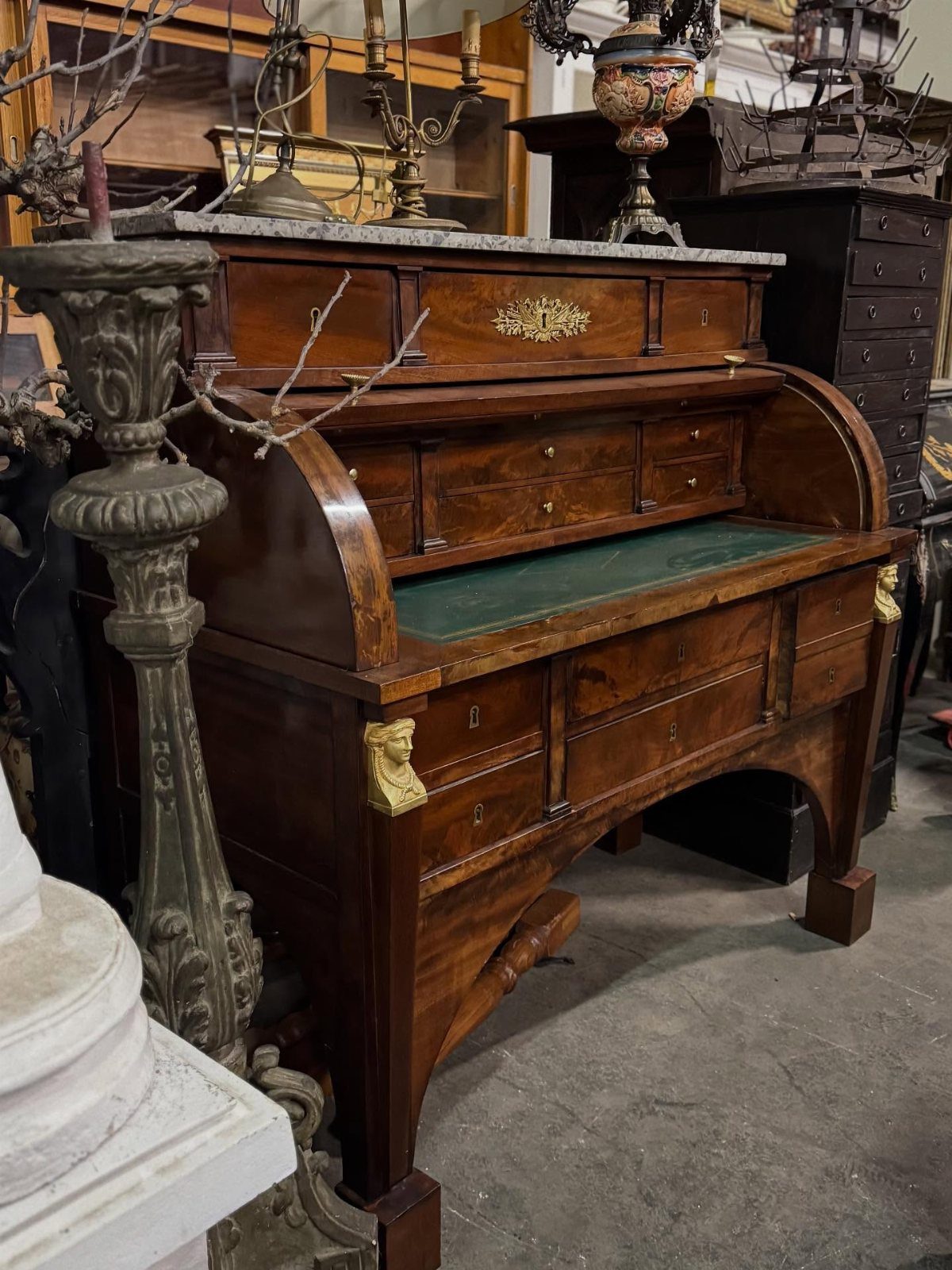
The desk is a statement piece, so give it a wall of its own.
Expect to find these in antique shops and warehouses, where you can open the roll-top and inspect the drawers in person. That beats buying from photos.
I would choose one desk over several smaller antiques, because one large piece reads as deliberate.
16. Shabby Chic Furniture
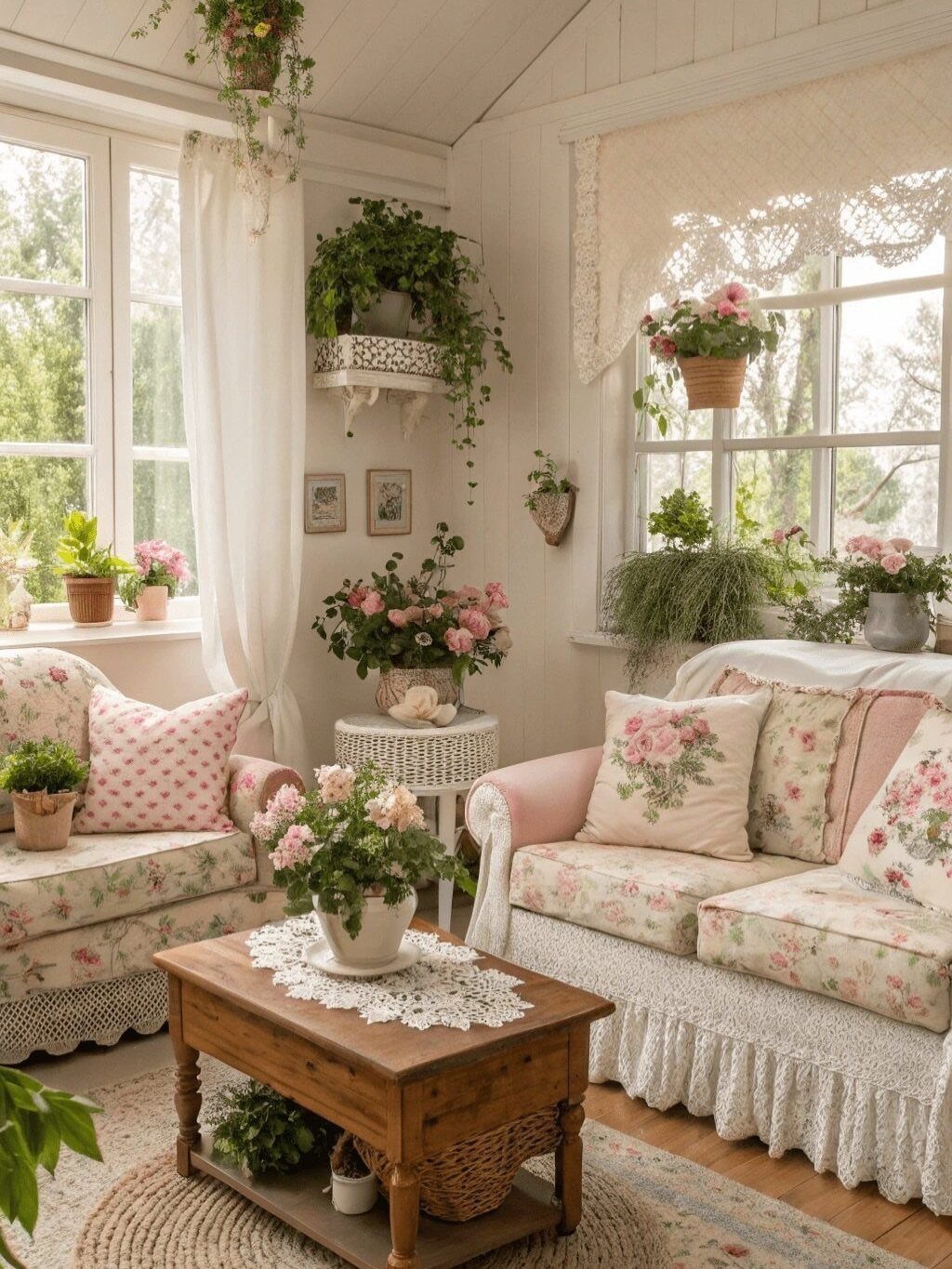
Pink blooms in the plants repeat the print on the upholstery, which ties a bright room together.
A plain wood coffee table keeps all that pattern grounded. I would stick to one floral piece per seating group, plus a plain surface, so the room feels gentle instead of busy.
Choosing the Right Style
Start with what the room has to do.
A living room that doubles as a workspace needs different pieces than one used only for TV, so write down the 2 or 3 jobs it must handle before you look at a single style.
Then measure. Sketch the floor plan, mark doors, windows and walkways, and tape the footprint of each big piece on the floor with painter’s tape.
Walk around the tape for a day. If you keep turning sideways to get past it, the piece is too big.
Pick a style you would still like in a few years. Classic polish, clean minimalism and mixed bohemian all work, but the one that fits how you live beats the one that looks best online.
If you can’t decide, buy the large pieces in a plain shape and let pillows, throws and lamps carry the personality.
Safety Considerations
Tall, top-heavy furniture like bookcases, dressers and narrow cabinets can tip, and a child climbing a drawer or a pet jumping onto a shelf is often all it takes.
Anchor them to the wall with a furniture strap or an L-bracket.
Screw into a wall stud whenever you can.
Drywall anchors are a fallback for spots between studs, and they hold less. Use a stud finder, mark the spot, and fasten the strap near the top of the piece.
Renters can still do this. Small screw holes are easy to patch when you move out, and many leases allow them, but check yours first.
Load heavier items on the lower shelves and drawers so the piece sits steadier. Pull out only one drawer at a time.
Furniture Maintenance
Choose performance fabric for anything that gets daily use, like the family sofa, dining chairs or a chair by the back door. It resists stains and wear, so the piece looks good for longer.
Even so, spills go best when you blot them right away with a clean cloth. Rubbing pushes the stain deeper into the weave.
Check the care tag before you pick a cleaner, since some fabrics need water-based products and others need solvent-based ones. Test any cleaner on a hidden spot first, like under a cushion or on the back panel.
Vacuum upholstery with a soft brush attachment every week or two to lift grit that wears down fibers. Rotate and flip loose cushions so they wear evenly.
Frequently Asked Questions
What are the different categories of furniture?
Furniture is usually grouped by room: living room, dining room, bedroom and office. Within a room, pieces split by job, such as seating (sofas, accent chairs, recliners, chaises), tables (coffee and dining), and storage (cabinets).
Style is a second way to sort, with traditional, rustic, vintage, antique and shabby chic among the common ones.
What is the popular form of furniture?
Sofas, chairs, tables and beds are the most common forms.
Seating and tables turn up in nearly every home because they cover sitting, eating and setting things down. Cabinets and desks follow once a room needs storage or a workspace.
What is transitional furniture?
Transitional furniture blends traditional and contemporary styles for a balanced look.
Think of a classic shape in a plain finish rather than heavy carving. It suits people who like some warmth but don’t want a room full of matching ornate sets.
What’s trending for furniture?
Soft, rounded shapes are everywhere right now: bouclé sofas with curved arms, round accent chairs in sage green, and oval coffee and dining tables.
Textured fabrics like bouclé and herringbone add interest without extra color. Wall-mounted desks are also popular for small rooms because they free up the floor.
Is a pillow considered furniture?
No, a pillow is usually counted as a soft furnishing or decor rather than furniture. Furniture is the larger pieces that hold or store things, like sofas, tables and cabinets.
Even so, pillows do real work: a sofa and chairs in plain shapes and solid colors leave room for pillows, throws and lamps to add the personality, and those are cheap to swap when your taste shifts.






