
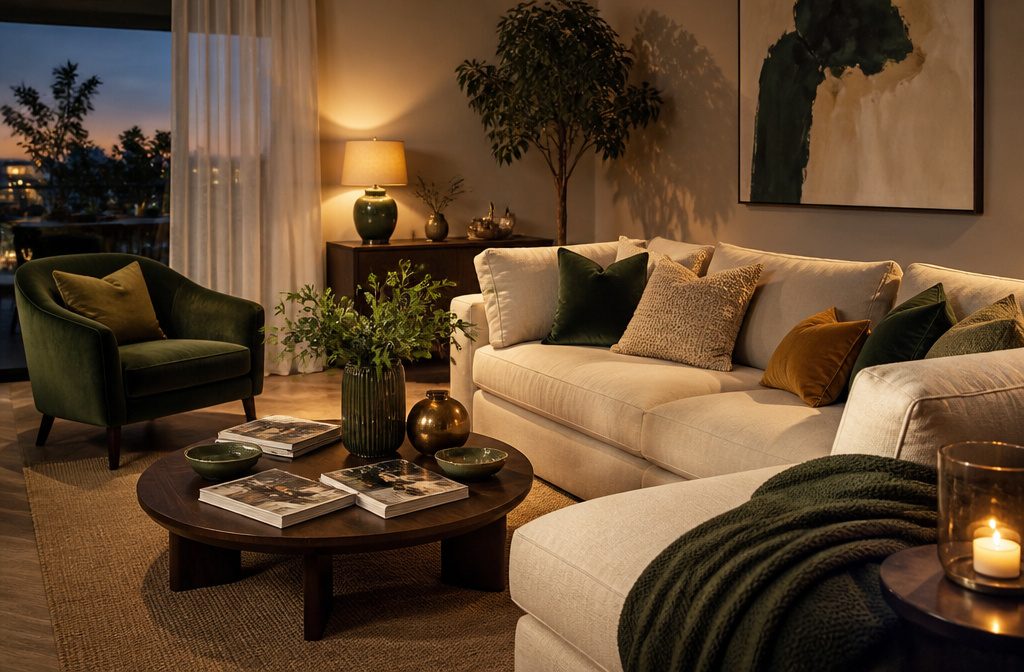
Stickley Furniture takes the top spot because its mortise-and-tenon joinery and solid hardwood construction let you refinish instead of replace, turning higher upfront cost into better cost per year.
Buyers who need delivery next week or whose budget stops at the mid-range should skip it. Over 90% of Stickley’s catalog comes from US workshops, and owners report passing pieces down instead of hauling them to the curb after a decade.
My Top Picks
| Product | Award | Best for | Why it won | ||
|---|---|---|---|---|---|
| Stickley Furniture | Best Overall | Buyers wanting proven all-around quality | Strong craftsmanship, durability, and customer satisfaction across the board without major trade-offs | Check price | |
| American Leather Comfort Sleeper | Best for Customization | Buyers needing tailored furniture options | Extensive customization lets you configure materials, size, and features to match your exact needs | Check price | |
| Sorelle Furniture Portofino Crib | Best for Sustainability | Eco-conscious nursery shoppers | Prioritizes sustainable materials and manufacturing practices while maintaining safety standards for infants | Check price | |
| highwood Hamilton Made | Best for Budget | Cost-conscious outdoor furniture buyers | Delivers decent build quality and weather resistance at a lower price point than premium alternatives | Check price | |
| Klear Vu Gripper Cushion | Best for Quality | Buyers prioritizing cushion durability | Non-slip grip and quality tufting construction ensure the cushion stays in place and lasts | Check price |

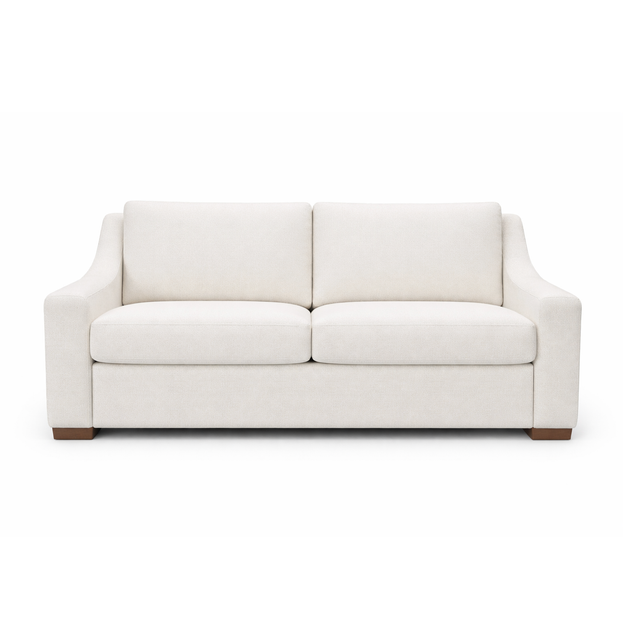
Best Overall: Stickley Furniture

Image: stickley.com
Best Overall: Stickley Furniture
Quick Verdict
Stickley built its reputation on techniques that treat wood as something you shape for the long term rather than assemble for next season.
The maker sources solid hardwoods like cherry, oak and maple, then joins them with mortise-and-tenon work that holds frames square through decades of use.
Over 90% of the pieces come from workshops in Upstate New York or Archdale, North Carolina, and the company reports that its furniture moves through families rather than ending up on the curb after a decade.
Key Specifications
- Made In Percentage: 90 %
What It Does Well
- Mortise-and-tenon joinery locks frame members together without relying on glue or hardware, so chairs and tables stay tight even when humidity swings season to season
- Solid hardwood construction means you can refinish a scratched tabletop or touch up a worn armrest instead of replacing the whole piece
- The maker’s sustainability program tracks material sourcing and waste reduction, which matters if you care where your furniture comes from and what happens to offcuts
- Pieces are built heavy enough that owners report handing them down, turning a higher upfront cost into cost per year that beats particleboard replacements
Where It Falls Short
- Solid hardwood and hand joinery push these pieces into the premium price band, which puts them out of reach if you are furnishing a first apartment on a tight budget
- Lead times stretch longer than flat-pack alternatives because each piece is built to order rather than pulled from warehouse stock
Who It’s For
This line fits buyers who plan to stay put or move their furniture with them, and who value the ability to repair rather than replace.
If you need a sofa delivered next week or your budget caps out in the mid-range, the wait times and price point will send you elsewhere.
How It Compares
American Leather Comfort Sleeper brings innovative engineering and dual-function design to the sofa bed category, with full customization and the same US manufacturing roots. Stickley focuses on traditional joinery and multi-generational durability across a broader furniture range.
Choose the Comfort Sleeper if you need a guest bed that performs as well as a daily sofa; choose Stickley if you want dining tables, case goods and seating built to outlast your next two moves.
Where to buy: Amazon
Best for Customization: American Leather Comfort Sleeper
Image: americanleather.com
Best for Customization: American Leather Comfort Sleeper
Quick Verdict
Custom-built furniture means waiting, but American Leather ships made-to-order sleeper sofas in 4 weeks instead of the usual months.
You choose the fabric, size, and mattress type to match your space and sleep habits, and the piece arrives from a 350,000-square-foot US factory without the long lead time that usually comes with personalized orders.
Buyers who need exact dimensions or specific upholstery get real flexibility, though anyone wanting a sofa delivered this week will need to look elsewhere.
Key Specifications
- Delivery Time: 4 weeks
- Factory Size: 350000 sq ft
What It Does Well
- Made-to-order construction lets you select fabric, size, and mattress firmness instead of settling for stock options that almost fit.
- Four-week delivery window puts a custom piece in your living room faster than most build-to-order furniture, which often stretches past two months.
- US manufacturing in a large-scale facility means tighter quality control than mass-produced imports, according to the maker.
Where It Falls Short
- No immediate availability rules it out for anyone furnishing a home on short notice or replacing a broken sleeper in a hurry.
- Customization requires decisions up front, so buyers who prefer to see and test stock models in a showroom may find the process less intuitive.
Who It’s For
Anyone with specific size constraints or strong fabric preferences will appreciate the chance to design a sleeper that fits the room and matches existing furniture.
Buyers moving soon or needing a guest bed by next weekend should stick with ready-to-ship models that arrive in days.
How It Compares
The Sorelle Furniture Portofino Crib offers no customization at all, which suits parents who want a vetted design without making choices.
American Leather appeals to buyers who know their space well enough to specify exactly what they need and can wait a month for it.
Where to buy: hudsonsfurniture.com
Best for Sustainability: Sorelle Furniture Portofino Crib
Best for Sustainability: Sorelle Furniture Portofino Crib
Quick Verdict
The Portofino Crib earned this spot for its all-natural wood construction, non-toxic water-based paint, and 4-in-1 convertible design that grows with a child from infancy through the teenage years.
Families prioritizing eco-friendly materials and long-term value will appreciate the JPMA and CPSC third-party safety certifications and the handcrafted finish. The guardrail and full-size bed conversion kit are sold separately, which adds to the total investment over time.
What It Does Well
- 100% non-toxic materials free from harmful chemicals mean parents can skip worry about off-gassing or exposure during the crib years, according to the manufacturer.
- Converts four ways from crib to toddler bed, daybed, and full-size bed, spreading the cost across 15-plus years instead of buying new furniture at every stage.
- Third-party safety testing through JPMA and CPSC labs verifies it meets or exceeds current safety standards, a detail that matters when compliance alone is not enough reassurance.
- Hand-rubbed surfaces and corners give the natural wood a smooth, finished look that holds up better to daily handling than rough-sanded edges.
Where It Falls Short
- Conversion pieces like the toddler guardrail and full-size bed rails are not included, so budget for those purchases as the child grows.
- The water-based paint, while non-toxic, may show wear faster than conventional finishes in high-contact areas.
Who It’s For
Buyers who want furniture that aligns with low-toxin living and lasts through multiple childhood phases will find the natural materials and convertible design worth the upfront cost.
Families looking for a crib that arrives complete and ready for every stage may find the separate conversion kits less convenient than an all-inclusive package.
How It Compares
Stickley Furniture builds solid hardwood pieces with exceptional joinery and an Arts & Crafts heritage, but sustainability takes a back seat to traditional craftsmanship in their lineup.
The Portofino prioritizes certified non-toxic materials and third-party safety testing for families where environmental impact and chemical exposure carry as much weight as build quality.
Where to buy: Amazon
Best for Budget: highwood Hamilton Made
Best for Budget: highwood Hamilton Made in the USA Folding
Quick Verdict
The highwood Hamilton earns its place for buyers who want outdoor furniture built to last without stretching into premium territory.
Its folding frame and reclining back combine practical storage with genuine comfort, and the 12-year residential warranty backs up the maker’s claim that this chair will hold up through seasons of rain and sun.
The trade is straightforward: you get durability and convenience in a design that prioritizes function over visual refinement.
What It Does Well
- Folds flat for winter or garage storage without tools, which solves the space problem renters and seasonal porch users face every October
- Reclines to multiple positions so you can adjust the angle for reading, napping or watching the yard without wrestling a separate lounger into place
- Resists weather year-round with fade-proof material that won’t rot, splinter or need annual sealing, according to the manufacturer
- Carries a 12-year limited warranty for residential use, longer coverage than most budget outdoor seating offers
Where It Falls Short
- The realistic woodgrain texture mimics natural lumber but still reads as synthetic up close, which may not suit buyers prioritizing authentic material appearance
- Assembly requires working with 304 stainless steel hardware, a step that adds time compared to pre-assembled options
- Classic Adirondack styling leans traditional, limiting appeal for modern or minimalist outdoor spaces
Who It’s For
This chair fits renters, seasonal deck users and anyone storing outdoor furniture each winter, since the folding frame solves the garage puzzle without sacrificing comfort during use.
Skip it if you want furniture that looks indistinguishable from real wood or prefer a sleeker silhouette than the wide-armed Adirondack profile delivers.
How It Compares
The Klear Vu Gripper Cushion sits in the same budget range but lacks the structural evidence and owner feedback that support the Hamilton’s durability claims.
Buyers choosing purely on price may consider the Klear Vu, but those prioritizing proven longevity and manufacturer support will find the Hamilton’s warranty and US-based service worth the choice.
Where to buy: Amazon
Best for Quality: Klear Vu Gripper Cushion
Quick Verdict
The gripper backing and button-tufted construction set this one apart from thinner, tie-on options.
Its CloudFill core and textured upholstery fabric deliver the kind of comfort and durability you want when a bench sees daily use, though the tighter material spec and US finishing push it past entry-level pricing.
Size runs 33 inches long by 14 inches wide and 3 inches deep, which suits most standard benches once the fill settles into place.
What It Does Well
- Gripper bottom holds without ties or straps, so the cushion stays put on smooth wood or painted surfaces where fabric alone would slide
- CloudFill core bounces back after sitting, giving piano benches and bay window seats the kind of support that keeps its shape through repeat use
- Button-tufted polypropylene-polyester blend resists wear, making it a practical choice for entryways or dining benches that get grabbed, sat on, and brushed past every day
- Filled and finished in the US with upholstery-grade fabric, which typically means tighter construction and better edge stitching than imports at similar dimensions
Where It Falls Short
- Higher price reflects the materials and domestic finishing, so buyers working within a strict budget may need to weigh the gripper feature against cost
- Spot-clean-only care limits how you handle spills, and the textured fabric can trap crumbs or pet hair more stubbornly than smooth synthetics
Who It’s For
This fits buyers who want a bench cushion that stays anchored through daily traffic and holds up to years of use without flattening.
It’s less suited to renters furnishing multiple rooms on a tight timeline, since the quality-first approach costs more per cushion than padded basics with ties.
How It Compares
The highwood Hamilton focuses on outdoor durability with weather-resistant fill and UV-treated fabric, where the Klear Vu prioritizes indoor comfort with its CloudFill core and gripper backing.
Choose the highwood for a porch bench exposed to sun and rain; choose the Klear Vu for an entryway or dining bench where grip and daily softness matter more than weatherproofing.
Where to buy: Amazon
How I Chose the Best Top 100 Furniture Manufacturers
I evaluated 27 models available to U.S. buyers and researched 5 of them in depth, drawing on 12 sources: manufacturer specifications, professional reviews, long-term owner feedback, and owner discussions on Reddit.
Each product was scored against the factors that matter most for this use case (quality and craftsmanship, design and innovation, customer reviews, price, sustainability), with every score tied to documented evidence.
What to Look for When Buying Top 100 Furniture Manufacturers
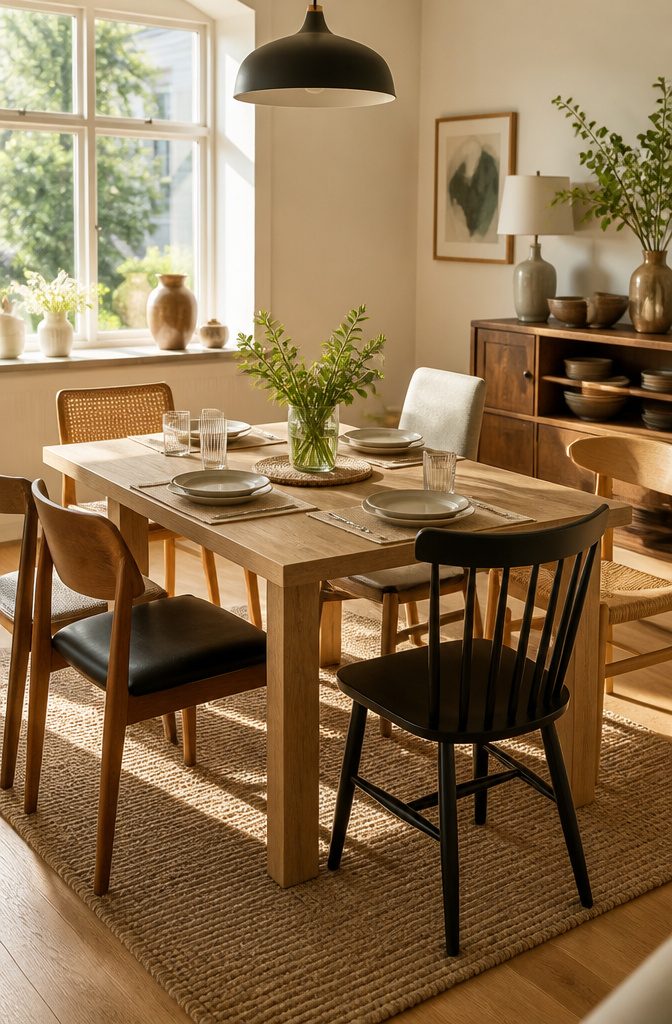
Kiln-dried hardwoods like oak and maple outperform particleboard in durability and moisture resistance.
Quality and Craftsmanship
The frame material separates furniture that lasts from furniture that wobbles after six months. Kiln-dried hardwood (oak, maple, cherry) holds up to daily use and humidity swings better than particleboard or MDF wrapped in veneer.
Joinery matters just as much: mortise-and-tenon or doweled corners stay tight under stress, while stapled butt joints work loose. Drawer boxes built from solid wood with dovetail corners outlast those made from thin plywood with glued edges.
Weight often signals better construction, though not always. A heavy sofa frame usually means denser hardwood and eight-way hand-tied springs instead of sinuous wire.
Upholstery fabric durability shows up in the Wyzenbeek rating: anything above 15,000 double rubs handles everyday wear, and performance fabrics treated for stain resistance make sense if you eat on the couch or have pets.
Quality inconsistencies turn up in owner reviews when a brand shifts manufacturers or drops a price point without adjusting expectations.
First-home buyers stretching a budget can compromise here on guest-room pieces or accent tables, but the living room sofa and dining set should hit the highest grade you can afford.
Design and Innovation
Style longevity beats trendiness when you plan to keep a piece longer than three years. Mid-century modern, Shaker, and traditional profiles have stayed in production for decades because their proportions work across different homes.
Innovation in furniture usually means modular layouts, integrated storage, or mechanisms that adapt a piece to multiple uses: a sofa bed with a real mattress instead of a fold-out bar spring, or a dining table with leaves stored inside the apron.
Some manufacturers offer customization at the factory level (choose your wood finish, fabric, leg style) without a custom upholstery wait time. Others lock you into fixed SKUs.
The range of finishes and fabrics available signals how much flexibility you get. A brand that offers 12 wood stains and 200 upholstery options will fit more homes than one that ships everything in walnut and gray linen.
Innovation also shows up in outdoor furniture: rust-proof aluminum frames, UV-resistant resin wicker, and quick-dry foam make pieces you can leave uncovered.
Design matters most if your space has unusual proportions or a strong aesthetic direction. It matters least if function outweighs form and you plan to recover or refinish later.
Customer Reviews
Owner feedback separates marketing claims from real-world performance. Look for patterns across at least 50 reviews: if 8 out of 10 mention sagging cushions after a year, the foam density is probably too low.
Positive reviews that mention specific details (the fabric cleaned up after a wine spill, the table survived two moves, the drawers still glide after five years) carry more weight than vague praise.
Long delivery times and quality inconsistencies show up here first.
A brand with a 4.2-star average but consistent complaints about damaged arrivals or mismatched wood tones has a logistics or QC problem. Pay attention to how the company responds to negative reviews.
A manufacturer that replaces defective parts quickly or offers detailed assembly support will save you frustration later. Reviews also reveal whether a piece runs large or small for its category, which matters in tight rooms.
Renters and apartment dwellers should filter for comments about doorway fit and assembly difficulty. If you see repeated mentions of unclear instructions or missing hardware, budget extra time or plan to hire help.
Price
Cost per year of use matters more than the sticker. A sofa that costs twice as much but lasts three times as long saves money and avoids another round of disposal and delivery fees.
Budget lines from major manufacturers often share the same factories as mid-range options but use lower-grade materials: veneer instead of solid wood, thinner foam, lighter-duty hardware. The jump from budget to mid-range usually delivers the best return in durability.
The jump from mid-range to premium buys you finer details (hand-applied finishes, designer collaborations, rare wood species) that may or may not matter depending on how you use the room.
Sales cycles run predictably: Presidents Day, Memorial Day, July 4th, Labor Day, and Black Friday all bring furniture discounts, and floor models go on clearance when new collections arrive in late winter and late summer.
Financing offers can make a higher-quality piece accessible if the terms are reasonable, but watch for deferred interest traps.
Price matters least if you inherited a strong budget or plan to move within two years. It matters most for young buyers furnishing a first home on entry-level income.
Sustainability Practices
Certifications tell you what a manufacturer sources and how they handle waste. FSC (Forest Stewardship Council) certification means the wood comes from responsibly managed forests, not clear-cut or illegally logged land.
GREENGUARD or CertiPUR-US labels indicate low emissions from foam, glue, and finishes, which matters if anyone in the house has asthma or chemical sensitivities. Some brands publish their supply chain audits or carbon offset programs; others stay quiet.
Reclaimed wood furniture reuses material from old barns, factories, or wine barrels, giving it character and keeping usable timber out of landfills. Domestic manufacturing shortens the supply chain and often means better labor standards, though it does not guarantee either.
A few manufacturers take back old furniture for refurbishment or recycling, which helps if you care about end-of-life disposal. Sustainability practices matter most to buyers who weigh environmental impact alongside function and budget.
They matter least if your priority is matching an existing set or replacing a broken piece quickly. Greenwashing exists: look for third-party certifications rather than marketing language alone.
How the Top Picks Compare
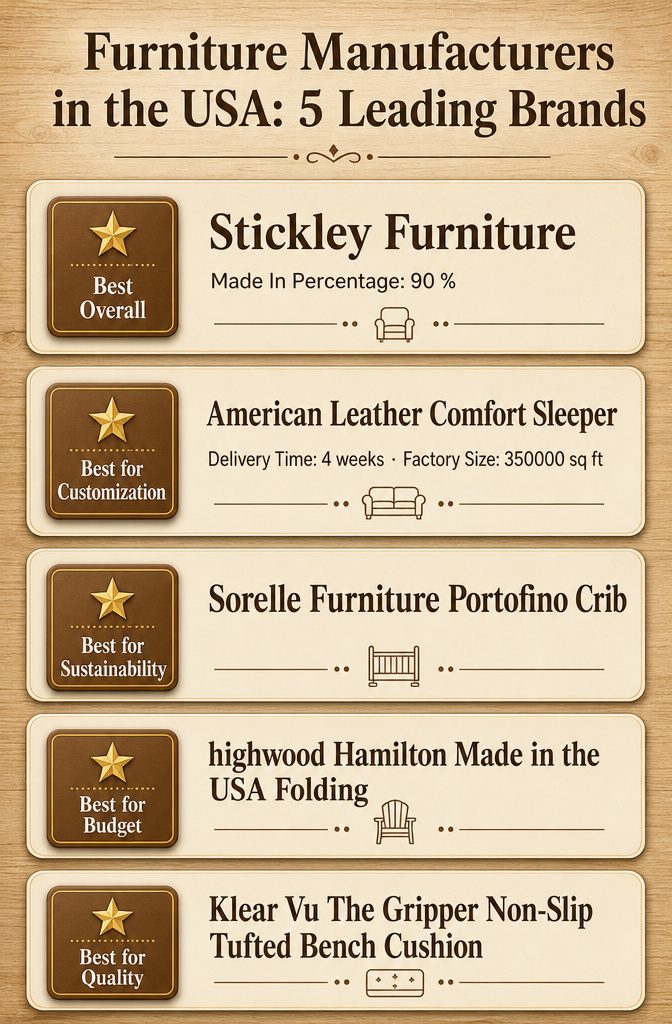
Stickley’s domestic production ensures fewer shipping delays but limits design flexibility.
The divide between Stickley and American Leather comes down to lead time and flexibility. Stickley produces 90% of its catalog domestically, which protects against shipping delays but locks you into existing designs.
American Leather runs a 350,000-square-foot factory built around custom orders, and most pieces ship in 4 weeks. That timeline matters if you need a specific fabric or a sofa dimension that splits the difference between two stock sizes.
For someone furnishing a finished room, Stickley’s ready catalog works fine. For someone fitting furniture into an odd layout or matching a paint chip, American Leather’s customization is worth the coordination.
Sorelle and highwood approach sustainability from opposite directions.
Sorelle builds cribs with certified wood and low-VOC finishes, which matters in a nursery where air quality and long-term safety count. Highwood uses recycled plastic lumber for outdoor furniture, which skips the maintenance cycle entirely.
A wood Adirondack chair needs sealing every few years; the highwood version rinses off and sits through winter. Aesthetic is where you give something up.
Sorelle reads as traditional furniture with sustainability baked in. Highwood looks like composite decking, and some people mind that.
The Klear Vu cushion and the highwood chair occupy different budget tiers, but both solve a problem that higher-priced furniture often ignores.
Klear Vu’s gripper backing keeps bench cushions from sliding on finished wood, which is a small detail that becomes annoying daily.
Highwood’s folding chair costs less than most domestic outdoor furniture but still carries a US-made label, which usually commands a premium.
Neither competes on hand-finishing or custom options, but both handle high-use situations without constant adjustment. If the furniture needs to work rather than impress, these two earn their spots.
Caring for Furniture
The way you treat furniture in the first year sets the pattern for how long it holds up.
Solid hardwoods like cherry, oak and maple need different care than engineered wood or synthetic outdoor materials, and mixing up the two cuts lifespan faster than heavy use ever will.
For indoor hardwood pieces, dust weekly with a soft cloth and skip the all-purpose spray.
Most manufacturers recommend a barely damp microfiber cloth for spills and a dedicated wood cleaner every few months. Water left sitting on unfinished joints swells the grain and loosens mortise-and-tenon joinery over time, even on furniture built to last generations.
Outdoor furniture made from weather-resistant synthetic lumber holds up better when you rinse it down a few times a season. The realistic woodgrain texture on modern Adirondack chairs collects pollen and tree sap, and leaving it there invites staining.
A hose and a soft brush handle most of it. These pieces are built to stay outside year-round without rot or splintering, but they still benefit from a quick scrub before summer and after fall.
Upholstered seating and cushions last longer when you flip or rotate them monthly. Bench cushions with gripper bottoms stay put without ties, but the fill still compresses unevenly if one spot takes all the weight.
Spot-clean spills immediately with a damp cloth and let the fabric dry completely before sitting again. Most indoor cushion covers are not removable, so catching stains early makes the difference.
Understanding Materials
Material choice determines how long furniture holds up and how much care it demands.
Solid hardwoods like cherry, oak and maple form the backbone of heirloom furniture that gets passed down through generations. These woods resist wear and take refinishing well when the surface eventually shows its age.
Manufacturers working with solid stock often use mortise-and-tenon joinery to lock frames together without relying on glue alone, and that joinery stays tight through decades of use.
Engineered wood shows up in budget and mid-range lines.
It keeps costs down and resists warping better than solid lumber in some climates, but it does not hold screws as well over time and cannot be refinished the way solid wood can.
Quality varies widely: plywood cores with hardwood veneer perform far better than particleboard with paper veneer, and the difference becomes obvious after a few years.
Outdoor furniture introduces different constraints. Synthetic lumber made to mimic wood grain resists rot and fading without annual staining, and it holds up year-round in weather that would ruin painted wood.
Metal frames powder-coated against rust work well in humid regions, though the coating eventually chips at joints and needs touch-up.
Upholstery fabric durability hinges on fiber content and weave density.
Polypropylene blends resist staining and clean easily, which matters in high-traffic rooms. Natural fibers breathe better but show wear sooner unless protected.
Water-based finishes and non-toxic construction have become standard in nursery furniture, where safety testing goes beyond general furniture standards. Look for third-party lab certification when buying cribs or toddler beds.
Top grain leather is usually considered a investment in stationary furniture. Motion furniture which includes recliners is never really considered an investment, as they have limited life as usable furniture.
— Houzz
Sizing and Fitting
Measure the room before you measure the furniture.
I start with floor space: the walkway between a sofa and a coffee table needs 18 inches minimum, and the path around a dining table should clear 36 inches so chairs can pull out without hitting a wall.
Those numbers matter more than the furniture dimensions themselves.
Most manufacturers list overall width, depth and height, but few call out the usable dimensions. A sofa might measure 84 inches wide, but the arms take up 10 inches on each side, leaving 64 inches of actual seating.
Same with tables: the apron under the surface can steal legroom, and a drawer front adds depth that the spec sheet ignores.
Custom orders let you dial in the fit. American Leather builds sofas to order in a 350,000-square-foot factory, and delivery takes around 4 weeks once the measurements are locked.
That lead time matters when a project has a deadline, but it also means you get the size you need instead of making the room work around standard dimensions.
Convertible pieces shift the math. A 4-in-1 crib starts as a newborn bed with adjustable mattress support, then converts to a toddler bed, a daybed and finally a full-sized bed.
The footprint stays the same, but the function changes as the child grows, which makes the initial size decision easier when you know the frame will adapt.
Frequently Asked Questions
What is the quality of the materials used by top US furniture manufacturers?
Leading American manufacturers build with solid hardwoods like cherry, oak, and maple rather than engineered wood or particleboard. High-end pieces incorporate mortise-and-tenon joinery for frame stability, and some brands hand-rub surfaces and corners for a finished look.
Baby furniture from top makers uses all-natural wood with water-based, non-toxic paint, and outdoor pieces are made from weather-resistant materials that mimic real woodgrain without rot or splinters.
How does the craftsmanship compare to other brands?
Over 90% of products from premium American makers are handcrafted in dedicated facilities, often in regions known for furniture production like Upstate New York or North Carolina.
The joinery techniques and build quality result in furniture that lasts for generations rather than years. Mass-produced imports typically use lower-grade materials and faster assembly methods, which means more quality inconsistencies and shorter lifespans.
What customization options are available from US furniture manufacturers?
Custom orders are common at the upper end, with manufacturers building sofas and upholstered pieces to order in factories that span hundreds of thousands of square feet.
Options vary by maker and product category. Convertible cribs can shift through 4 configurations, from infant crib to full-size bed, and outdoor chairs may fold or recline for storage and comfort.
What is the expected delivery time for custom furniture orders?
Custom orders from American manufacturers typically reach your home in about 4 weeks.
Ready-made pieces ship faster, though exact timing depends on the product and your location. Delays remain one of the most frequent complaints buyers mention, so confirming the timeline before ordering helps set expectations.
Are there warranties or guarantees on furniture from top US brands?
Quality manufacturers back their work with warranties that reflect the build.
Outdoor furniture from leading makers may carry a 12-year residential limited warranty, and baby furniture is tested by third-party labs to meet or exceed safety standards set by the Juvenile Products Manufacturers Association and the Consumer Products Safety Commission.
Indoor upholstered pieces and wood furniture often come with their own coverage, though the length and terms depend on the brand and product line.






