
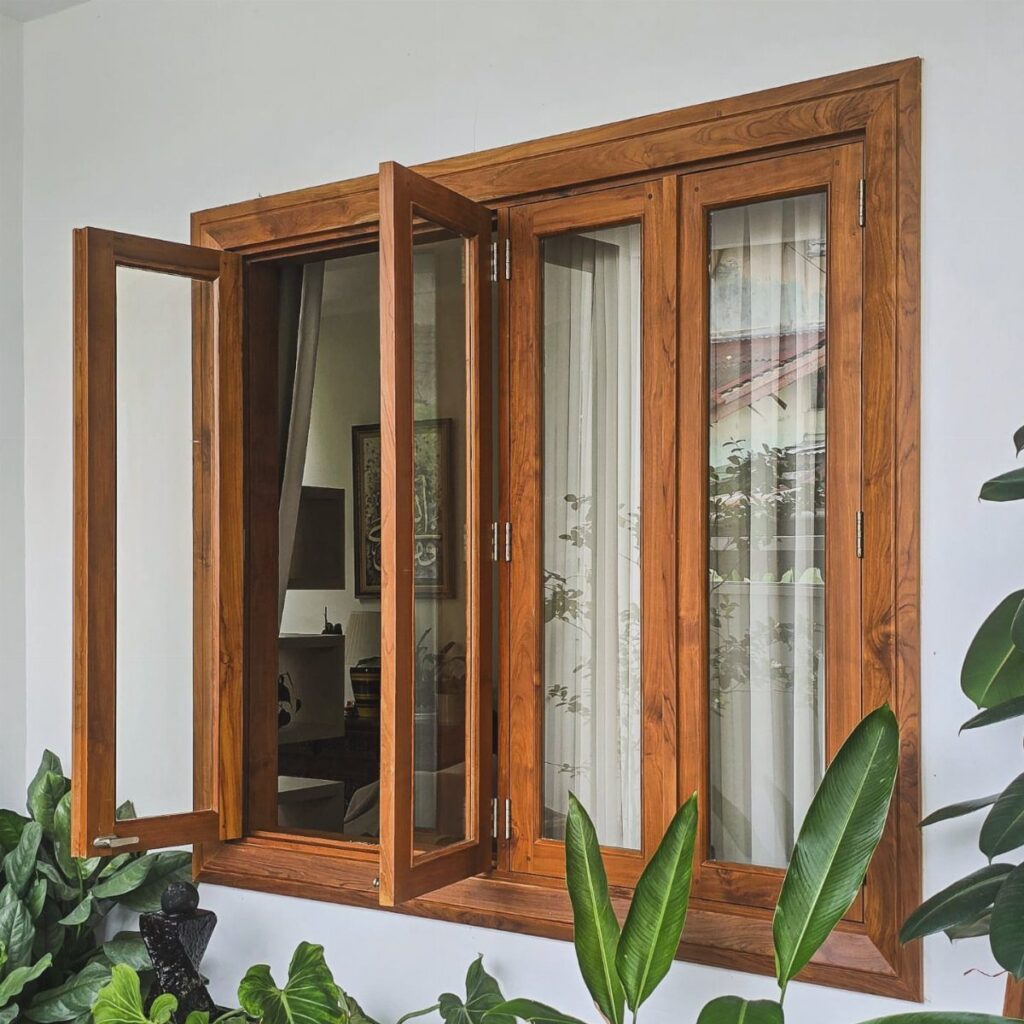
Window trim runs from flat minimalist casing that disappears into the wall to tiered white molding that casts shadows through the day, with black, green and natural wood options in between.
The right choice depends on whether you want the frame to blend in or stand out: match the trim to the wall color if you want it to recede, or paint it black or a muted green if you want the window to become a focal point.
1. Modern and Minimalist Trim
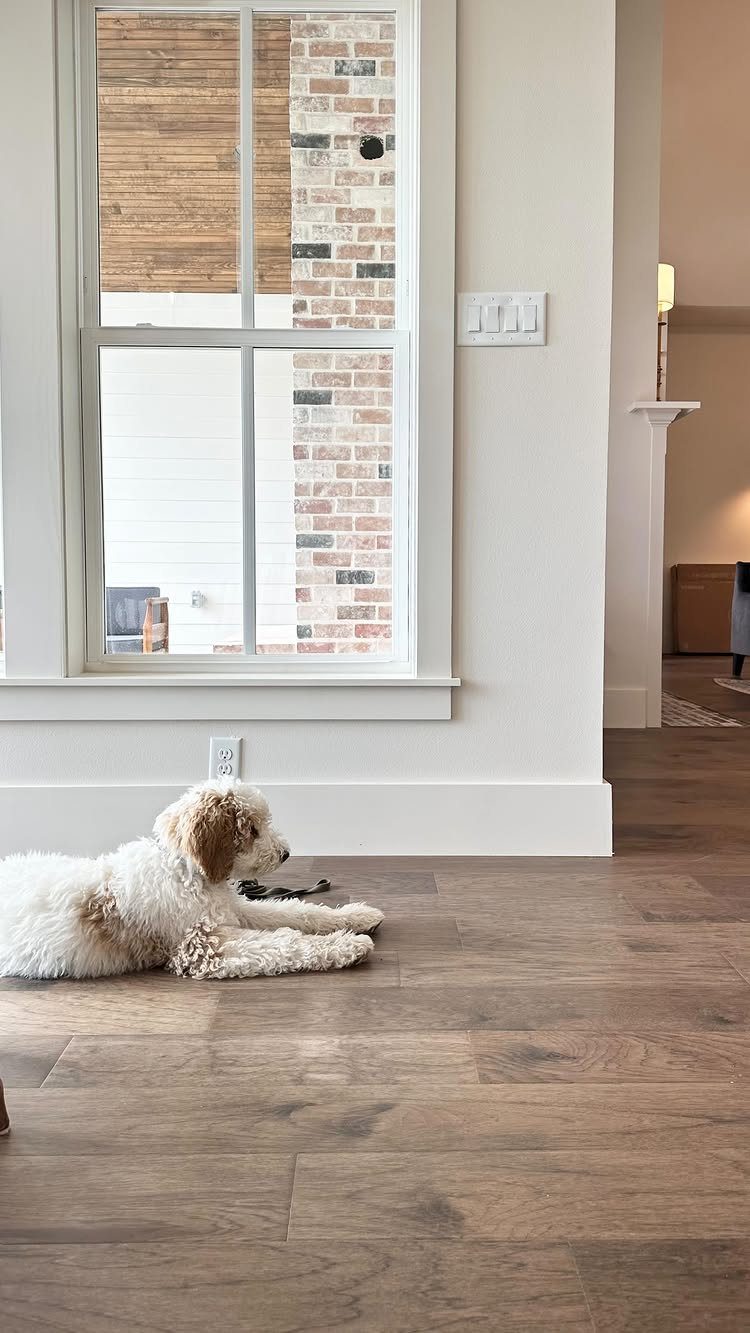
Flat casing painted the same white as the wall keeps the focus on the window itself rather than the frame around it.
The trim sits flush with the wall and has no decorative profile or buildup, so it reads as an edge rather than a border.
This works well in open-plan spaces where you want the trim to disappear and in rooms with low ceilings where heavier molding can make the space feel smaller.
If your walls are already white or light gray, matching the trim keeps the look cohesive without adding contrast.
Modern casings are minimal and often match the wood or material of the rest of the window, with the object of blending in rather than standing out. On modern homes, showcasing the glass is the focus of the design rather than the moldings.
2. Black Window Trim
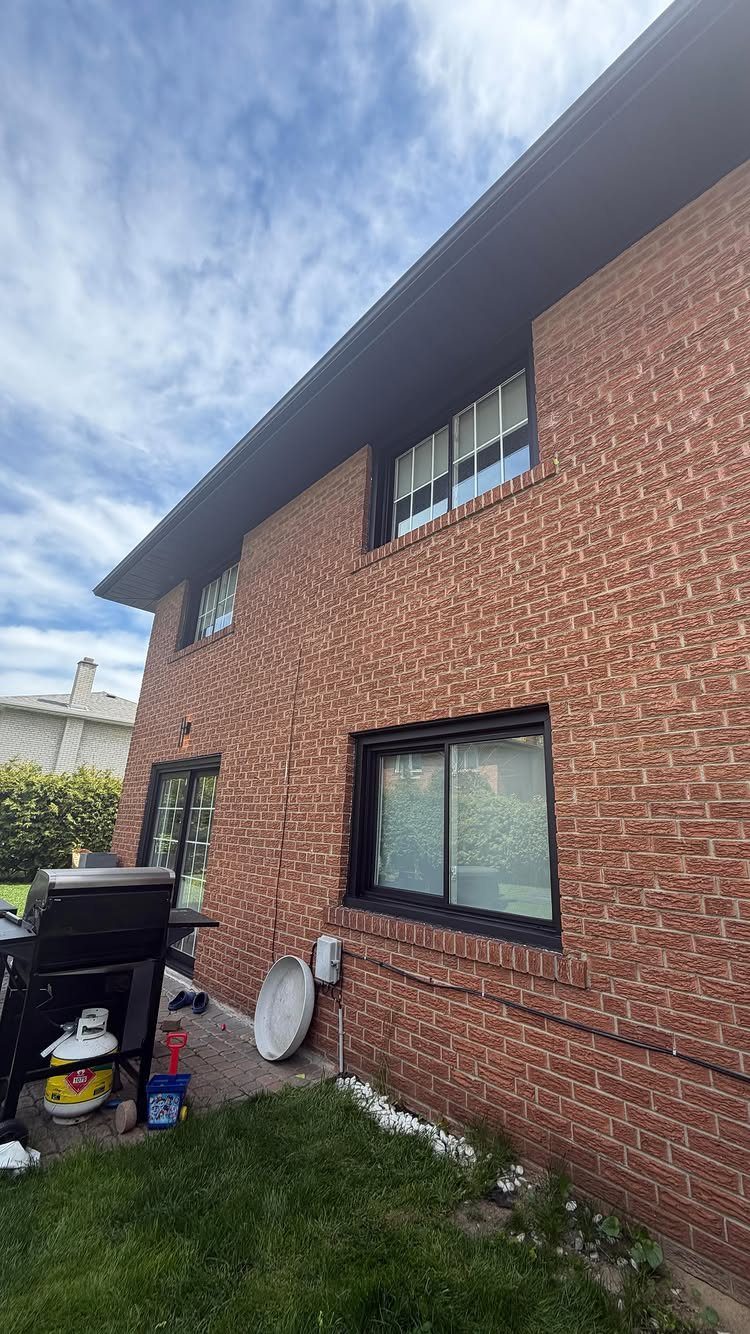
Black paint on window casing and sill makes the frame stand out against brick, siding or light-colored walls.
The dark color draws the eye and frames the glass the way a mat does around a print, so the window becomes a focal point instead of blending in.
I like this on brick exteriors where the trim would otherwise get lost, and it pairs well with black metal doors, gutters or porch railings if you already have those.
Black exterior paint over primed wood trim holds up better than white in high-traffic areas where fingerprints show.
3. Natural Wood
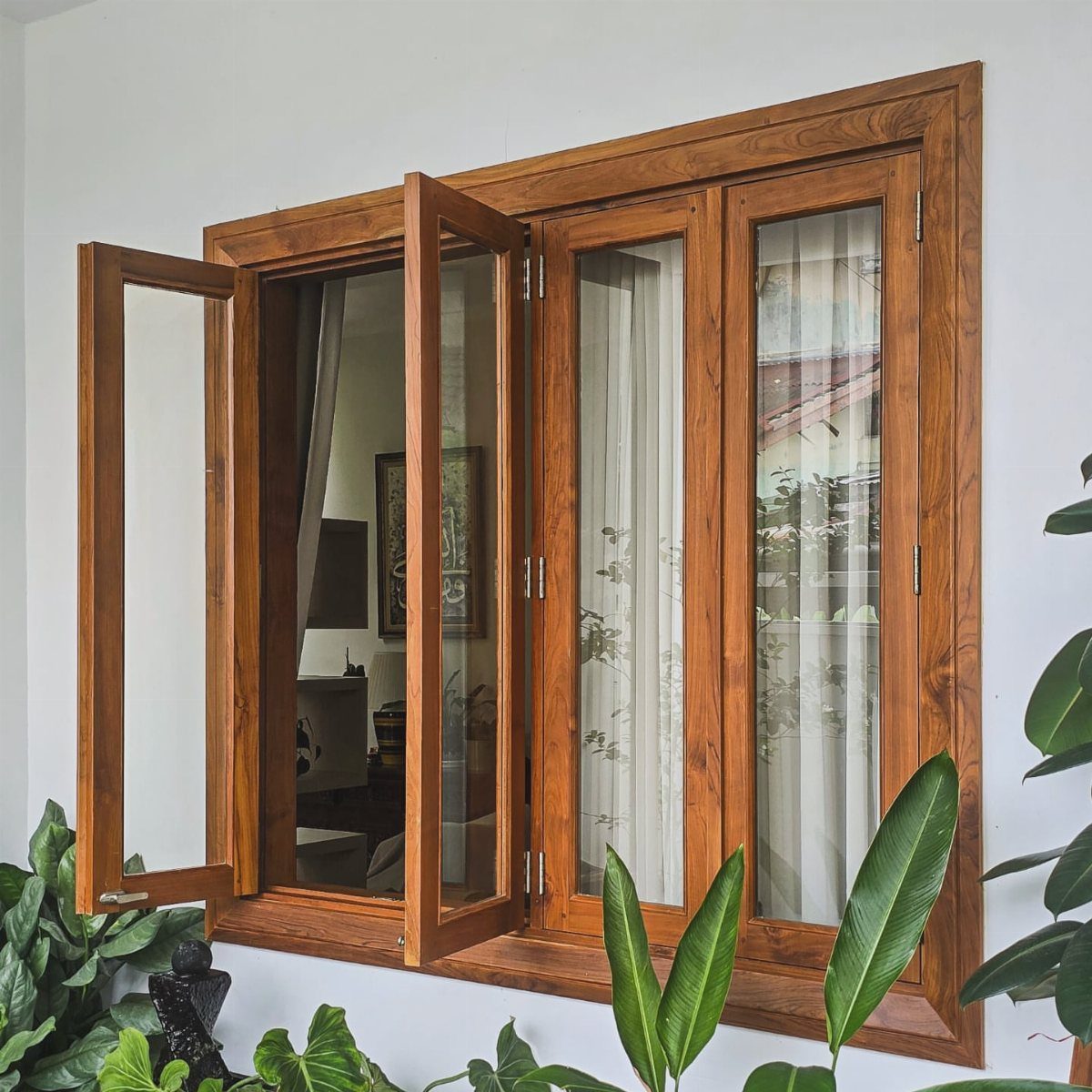
Wood trim left natural or stained adds warmth and texture that painted casing can’t match.
The grain shows through, and the color shifts depending on the species: oak runs golden, walnut leans dark brown, and pine stays pale unless you stain it.
If your floors are already wood, matching the trim to them ties the room together. Stain and a few coats of polyurethane protect the surface, and you can sand and refinish it later if the color wears unevenly.
I’d choose this in a room with white or neutral walls where the wood stands out without competing.
4. Window Trim with Extended Ledge
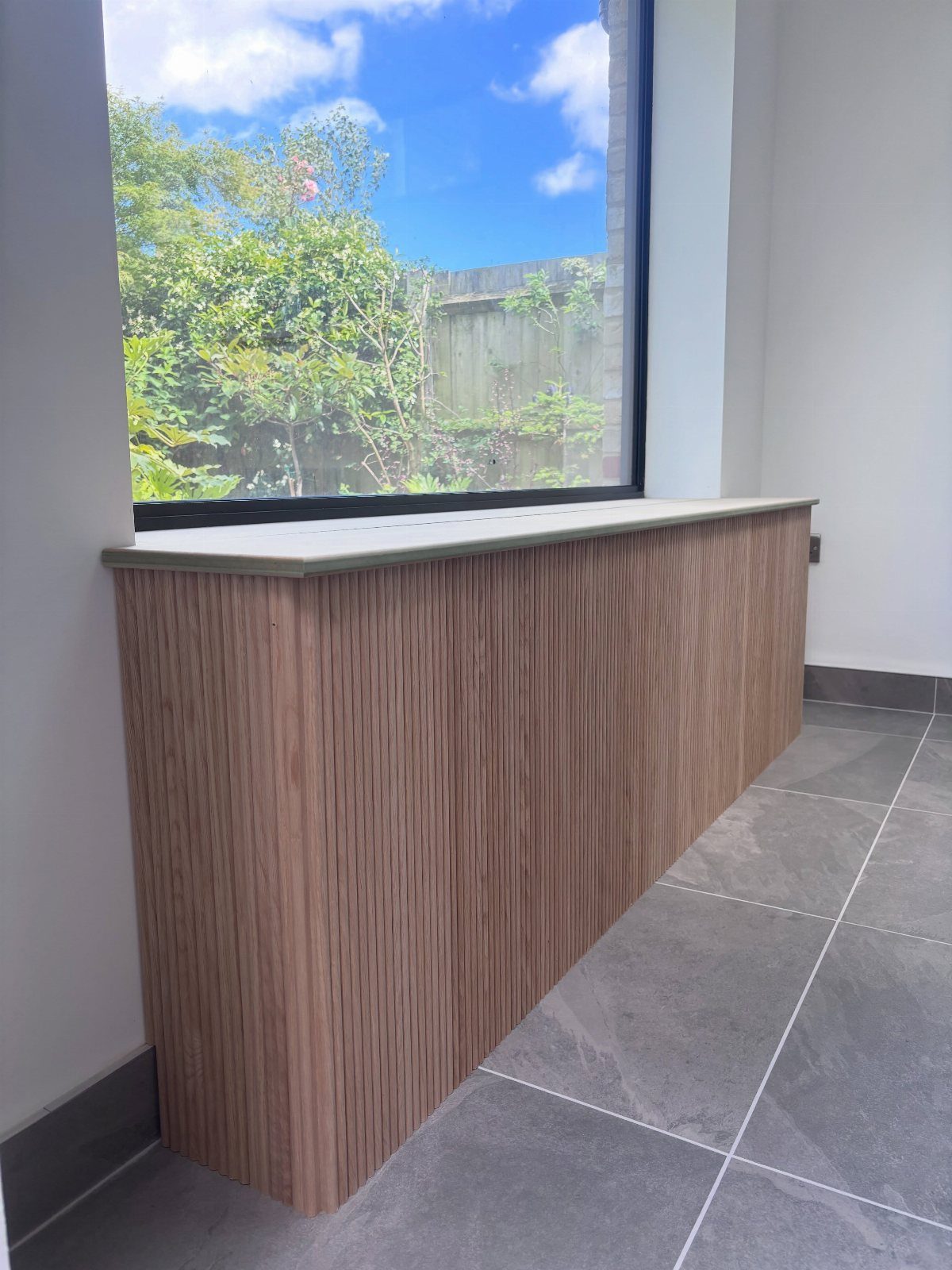
A sill that extends out from the wall instead of stopping flush with the trim gives you a usable surface for plants, books or a row of candles.
The ledge sits on brackets or a wood-slatted base that supports the weight and adds depth to the wall.
This suits deep-set windows where the frame already has some thickness, and it works in kitchens or living rooms where you want a display surface without mounting a shelf.
The material can match your trim or contrast with it, and if the ledge is solid wood, you can finish it separately from the casing.
5. Integrated Window Seat Trim
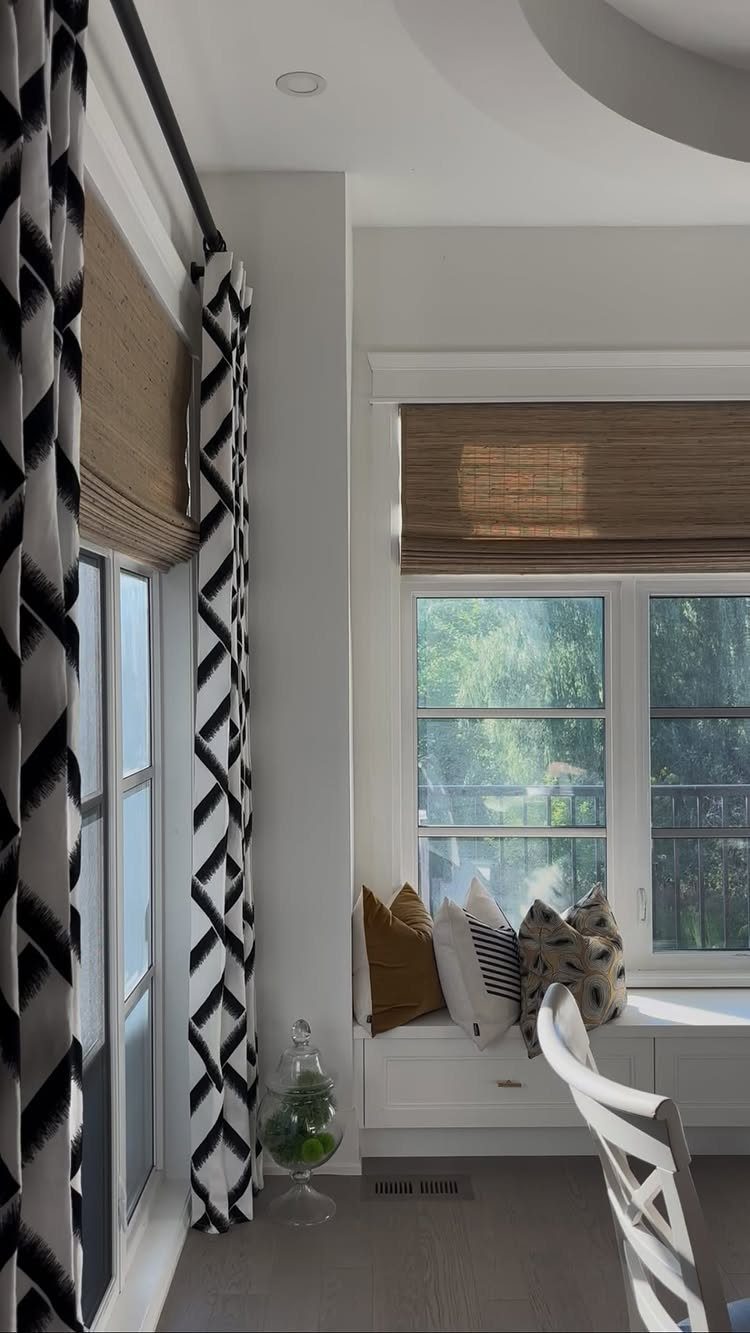
The trim runs down past the sill and wraps the edges of a built-in bench that sits below the window.
The bench can be framed with plywood and faced with the same casing profile as the window, or it can use simpler boards if the trim is minimal.
Add a cushion cut to size and a few throw pillows, and the seat becomes part of the window rather than furniture pushed against the wall.
This makes sense in a bay window or under a wide single pane where the depth of the wall allows for seating.
6. Green Painted Window Trim
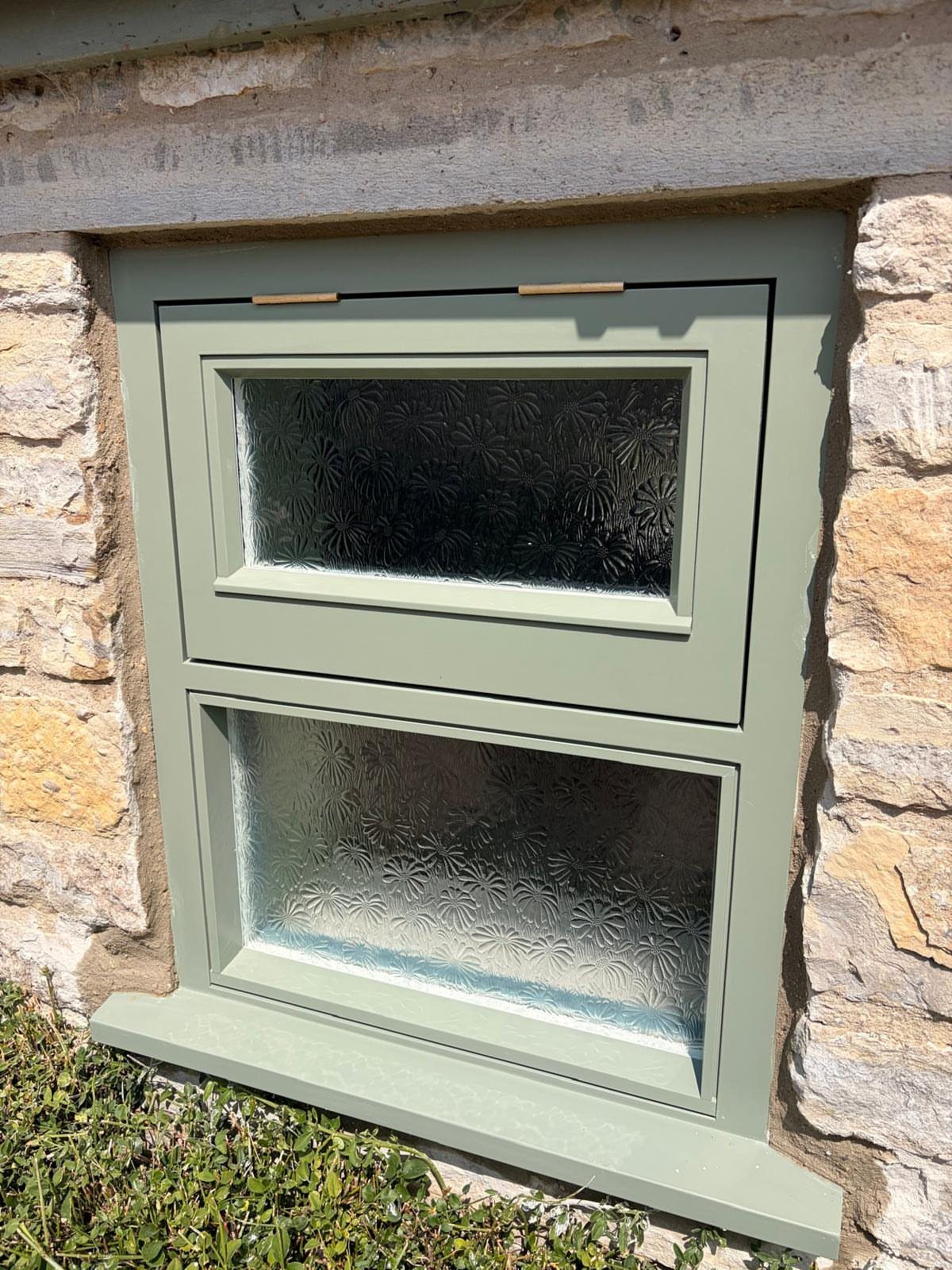
Painting the window frame a muted green instead of white or black softens the contrast with the wall and brings in color without pattern.
Sage, moss and olive all work, and the tone can shift slightly depending on the light and the color of the exterior material around it.
If your house has stone, stucco or painted siding in a neutral shade, a green frame adds interest without clashing.
I’d use exterior-grade paint rated for trim, and 2 coats over primer gives even coverage. Frosted glass keeps the privacy while still letting daylight through, so this setup works well for bathrooms or side windows that face a neighbor’s yard.
7. Tiered White Window Casing
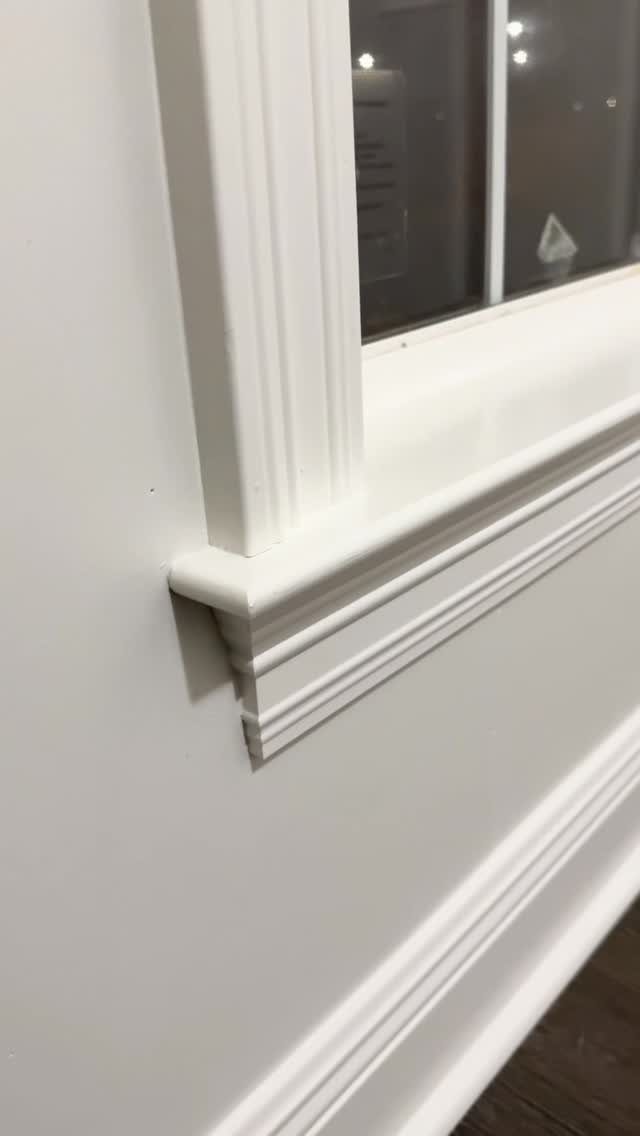
The casing steps out in layers from the wall to the sill, each edge adding depth where flat trim would sit flush.
The profile casts small shadows that change through the day, and the stepped shape makes the frame feel more substantial without adding color or contrast.
If your walls and trim are already white, this gives you detail without breaking the monochrome look.
The molding comes premilled in lengths you cut to size and miter at the corners, and you can find it at most home centers.
Install it the same way you would flat casing, then caulk the seams and paint everything the same white.
Choosing the Right Trim
Match the trim style to the architecture of your house.
Craftsman houses look right with wide, flat casings, and Colonial houses need profiles with more detail. Keeping the language consistent across the exterior and interior makes the house feel deliberate rather than assembled from unrelated parts.
Scale the casing width to the height of the ceiling and the size of the room.
Coordinate the window trim with your baseboards, door casings and crown molding. If the profiles and proportions align, the millwork reads as one system instead of separate decisions made at different times.
Materials for Window Trim
Solid wood costs more than composite materials and can expand or contract with humidity changes.
MDF is a composite material that mills cleanly and paints smooth. It costs less than solid wood, but it absorbs water if it gets wet, so it works better for interior trim than exterior applications.
PVC trim is synthetic and holds up to moisture without rotting or swelling.
It is a common choice for exterior windows and for interiors in humid rooms like bathrooms. Paint sticks to it if you use the right primer.
Aluminum holds up outdoors and weighs almost nothing. It suits modern exteriors where metal is part of the design, and it requires almost no maintenance once installed.
Color Coordination
Trim in a different color draws attention to the window’s shape.
In a neutral room, a bold trim color makes the window a statement without pattern or texture. The color should relate to something else in the space so it reads as intentional rather than random.
Frequently Asked Questions
What should window trim look like?
Window trim should fit the architecture of your house and match the scale of the room.
Craftsman houses need wide, flat casings, while Colonial houses look right with more detailed profiles. Match your window trim to the baseboards and door casings so the whole room reads as one deliberate choice.
What is the most modern window treatment?
Paint the casing the same color as the wall and it disappears, leaving only the window itself. The profile is completely flat, so you get a clean edge instead of something that asks for attention.
It works especially well when the ceiling is low or the room is open plan and anything heavier would close the space in.
What is the difference between window frame and window trim?
The window frame is part of the window unit itself, while trim is the decorative casing installed around it.
The trim fills the gap where the window frame meets the wall, protects the joint, and carries whatever style the rest of the house is using. It can be painted, stained or left natural depending on the material you choose.
What are some good ideas for interior trim?
Flat white casing works for modern and minimalist spaces, while tiered casing adds depth without color if your walls and trim are already white.
Natural wood trim brings warmth and texture when left stained, and it pairs well with wood floors. Black trim makes the window a focal point against light walls, and muted green softens the contrast while adding color.






