
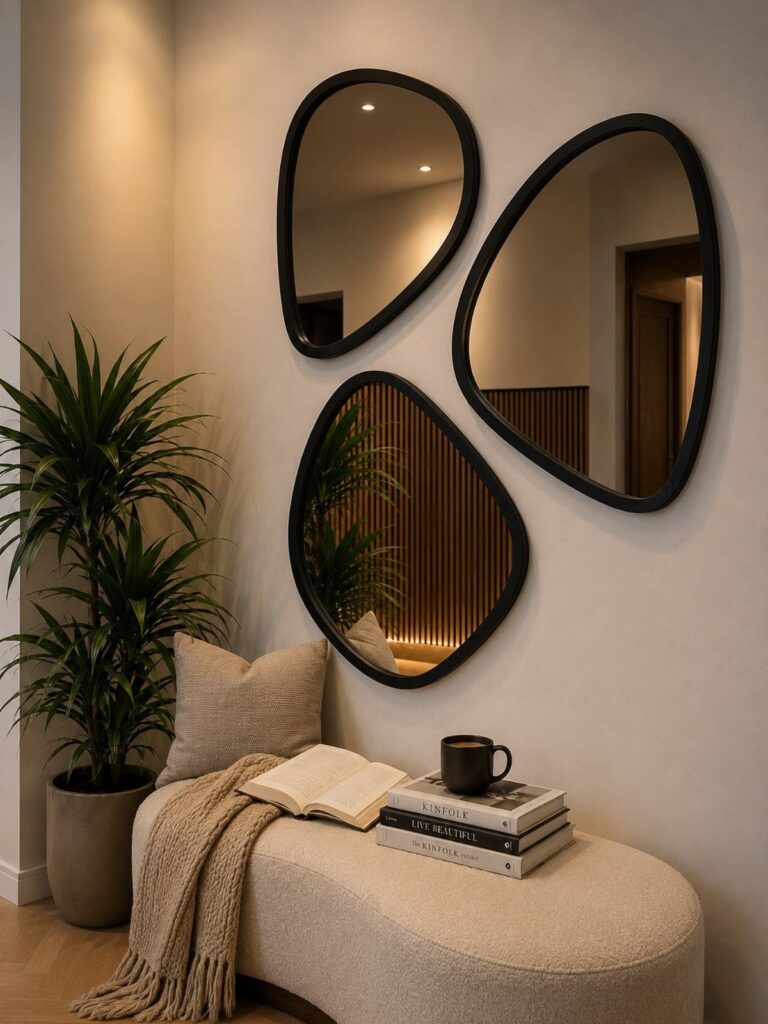
A corner can hold a reading chair with a side table, a floor lamp, or a vintage trunk that works as both coffee table and storage.
The span runs from a single tall plant in a corner that gets good light to a window seat with shelves and hidden storage underneath.
Floating shelves work when a bookcase would sit too heavy, and a blanket ladder keeps throws within reach without taking up the floor space a basket would need.
1. Cozy Reading Nook with an Accent Chair
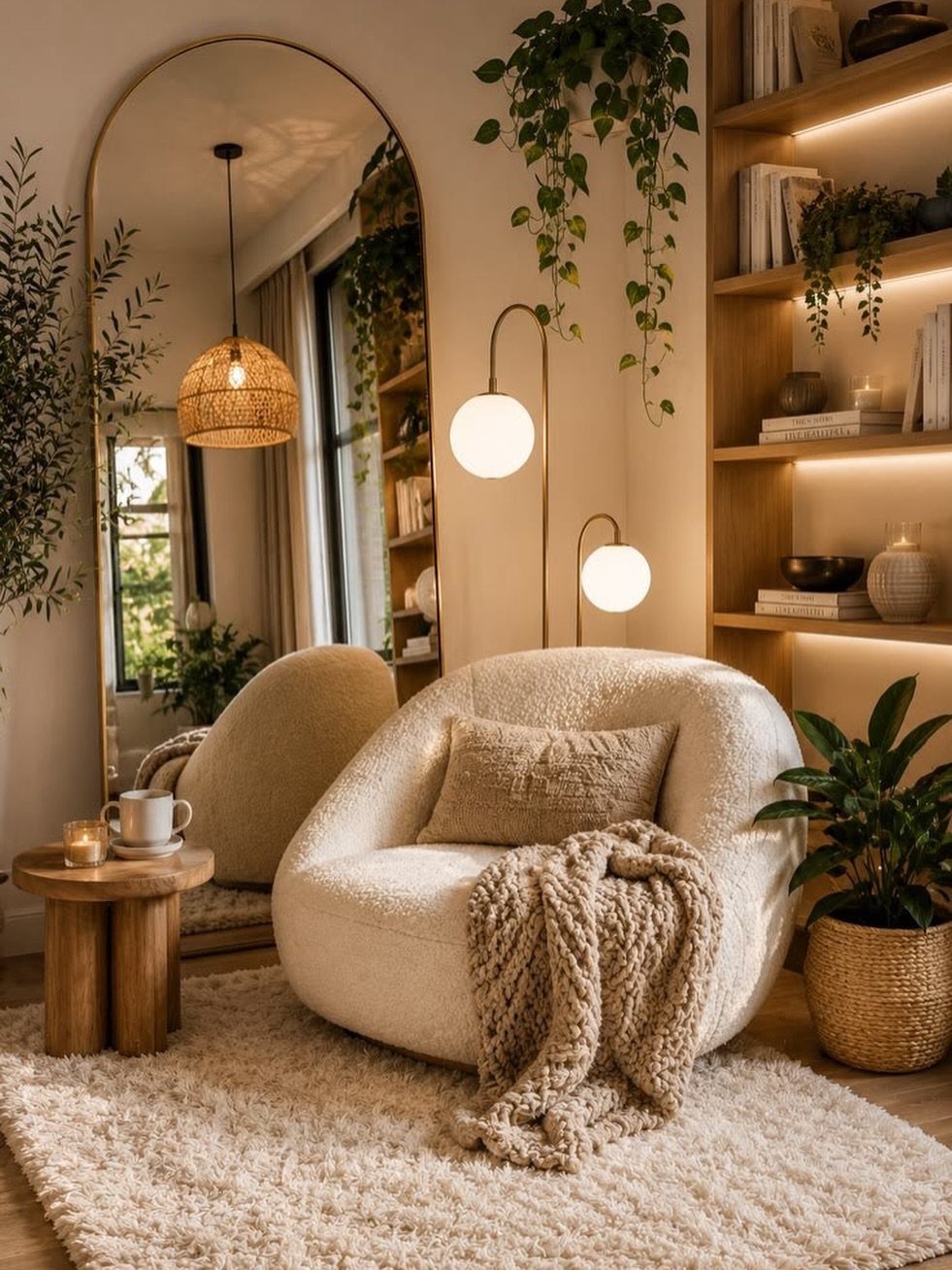
An accent chair turns a bare corner into a place you actually sit. The curved arm and soft texture make it comfortable enough to stay awhile, and the throw adds warmth without taking up floor space.
Pick a chair that actually fits the width and depth of the corner, so it fills the space without pushing into the room’s traffic path.
A side table holds a book or a drink, and a floor lamp gives enough light to read by after dark. The bookshelf and plants fill the vertical space without crowding the chair itself.
This setup works in a living room that already has seating but needs a spot that feels separate from the sofa.
2. Floating Shelves
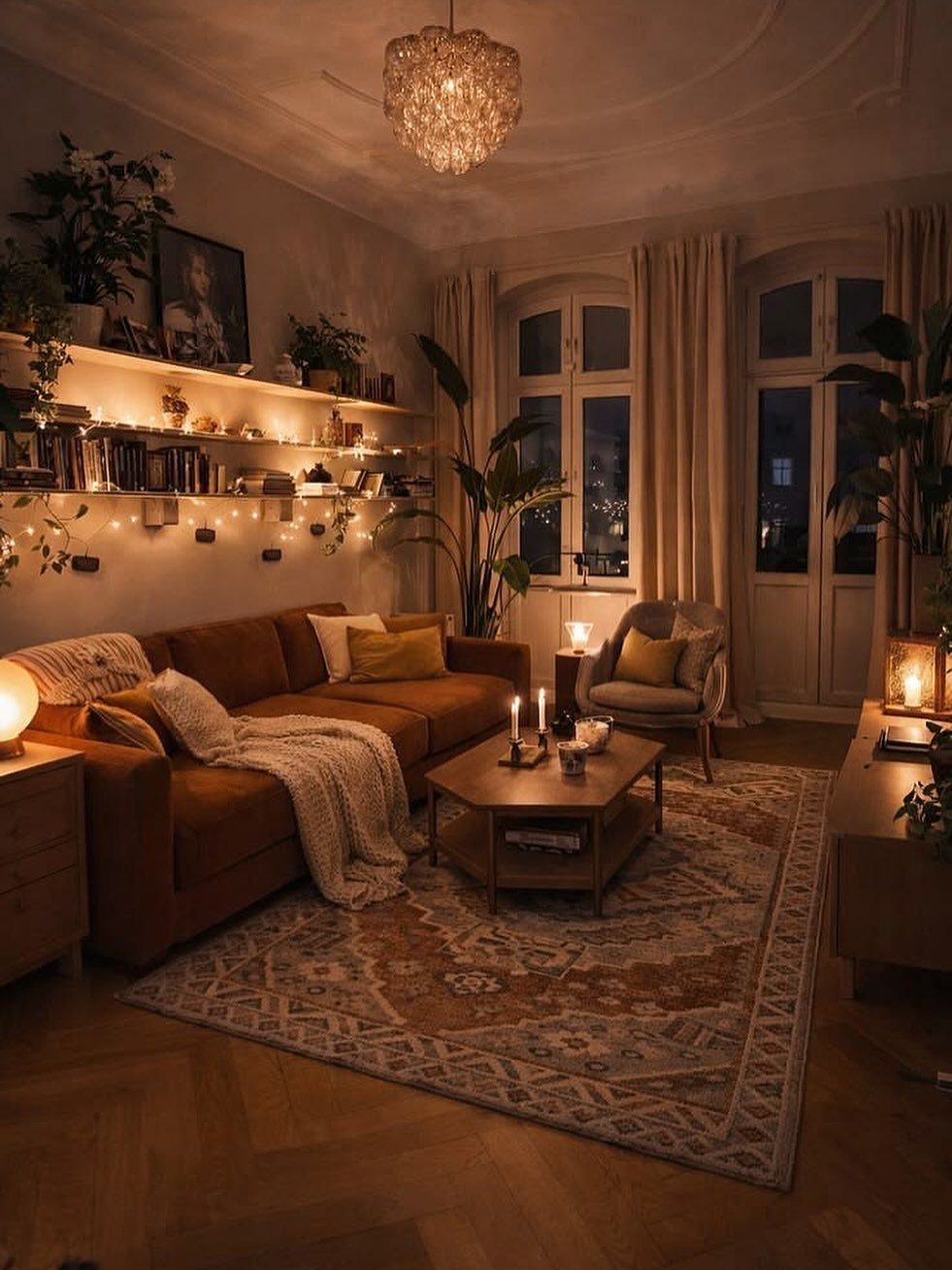
Floating shelves fill the wall above a sofa without the weight of a bookcase. They hold books, plants, and small objects at eye level, so the corner feels finished instead of empty.
Mount them at staggered heights or in a straight line, depending on what the wall can take.
Space them to match what you’re holding: books that stand upright need more room between shelves, smaller items less. The fairy lights add warmth at night without drilling more holes.
This works best where a bookshelf would block a window or make the whole space look heavy. The shelves stay shallow, so they hold what you need without pushing out past the wall line.
3. Corner Desks
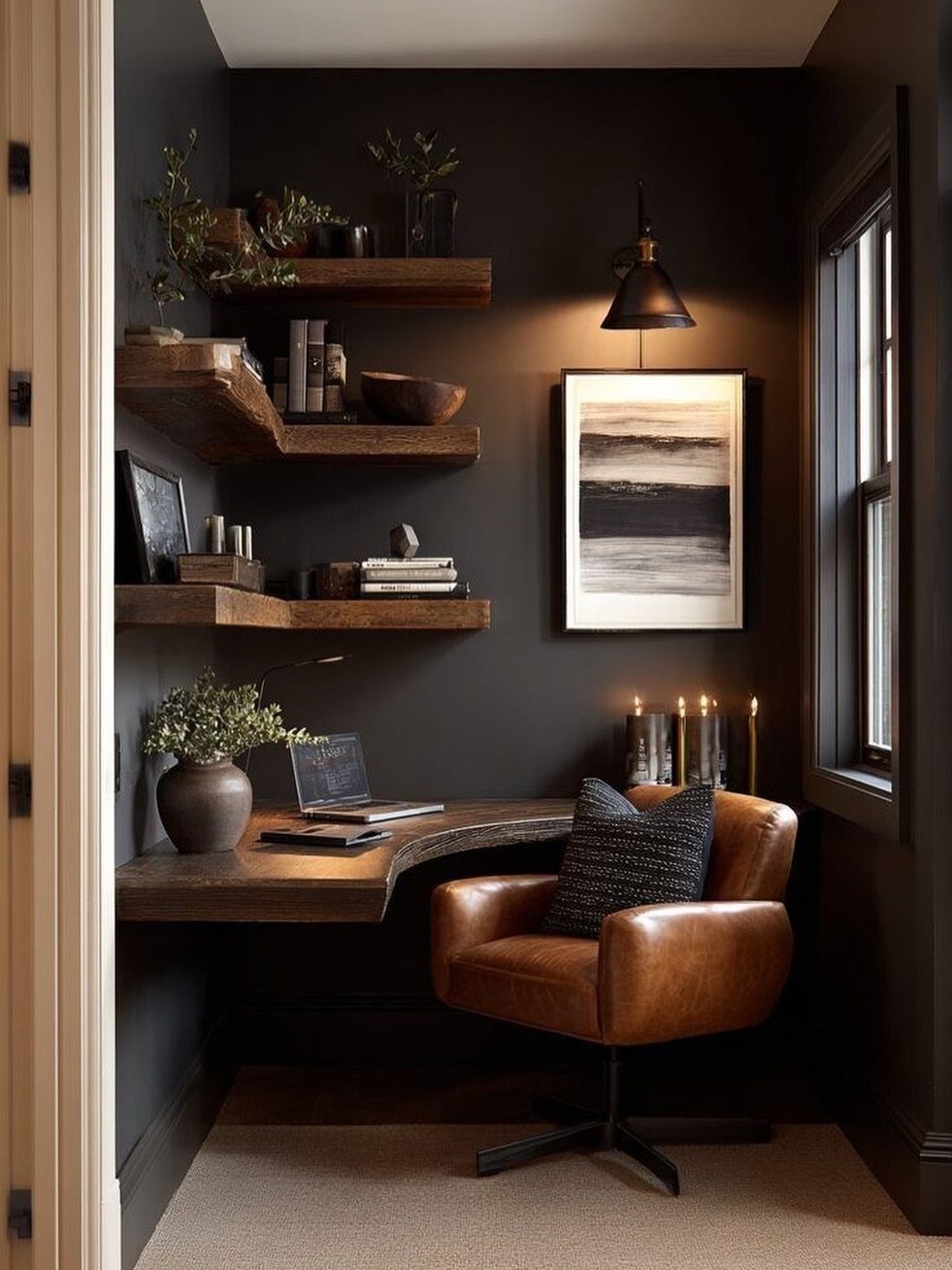
A corner desk claims dead space without taking up a full wall. The curved shape wraps into the corner and leaves the rest of the room open, while the floating mount clears the floor underneath.
Look for a desk that fits the corner’s measurements, or build one with a slab and wall brackets.
Floating shelves above hold supplies within reach, and a wall-mounted lamp frees up desk space. The dark walls make the nook feel separate from the rest of the room, even without a door.
This setup suits a small home office or a work corner in a living room that already has furniture along the other walls.
4. Bar Carts
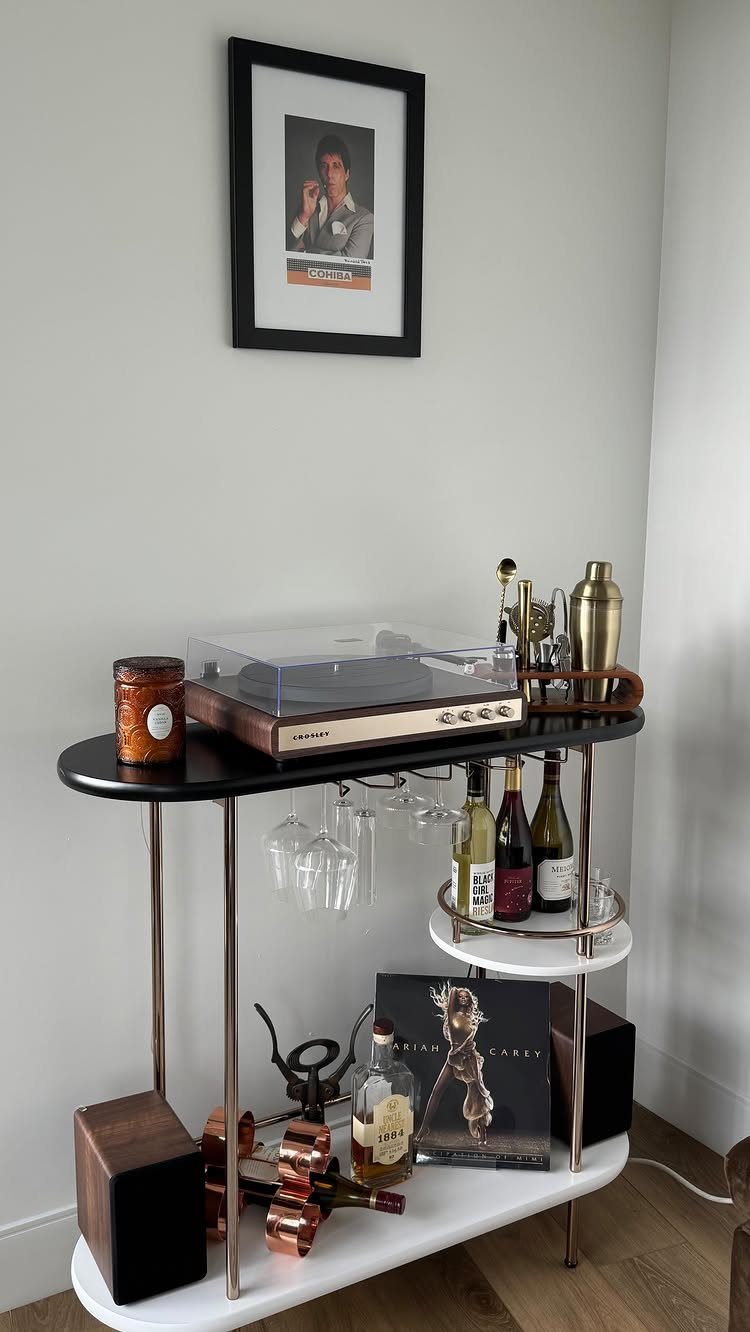
A bar cart fits into a corner when counter space runs out. The two-tier design holds bottles on top and glassware or bar tools below, so everything stays within reach without spreading across the room.
Choose a cart with wheels if you plan to move it, or one with a solid frame if it stays put. The gold finish adds polish, but black or wood tones work just as well.
This setup doubles as a record player station or a coffee bar if you don’t drink. Keep the top tier light so the cart doesn’t tip when you pull it out.
5. Artwork or Gallery Wall
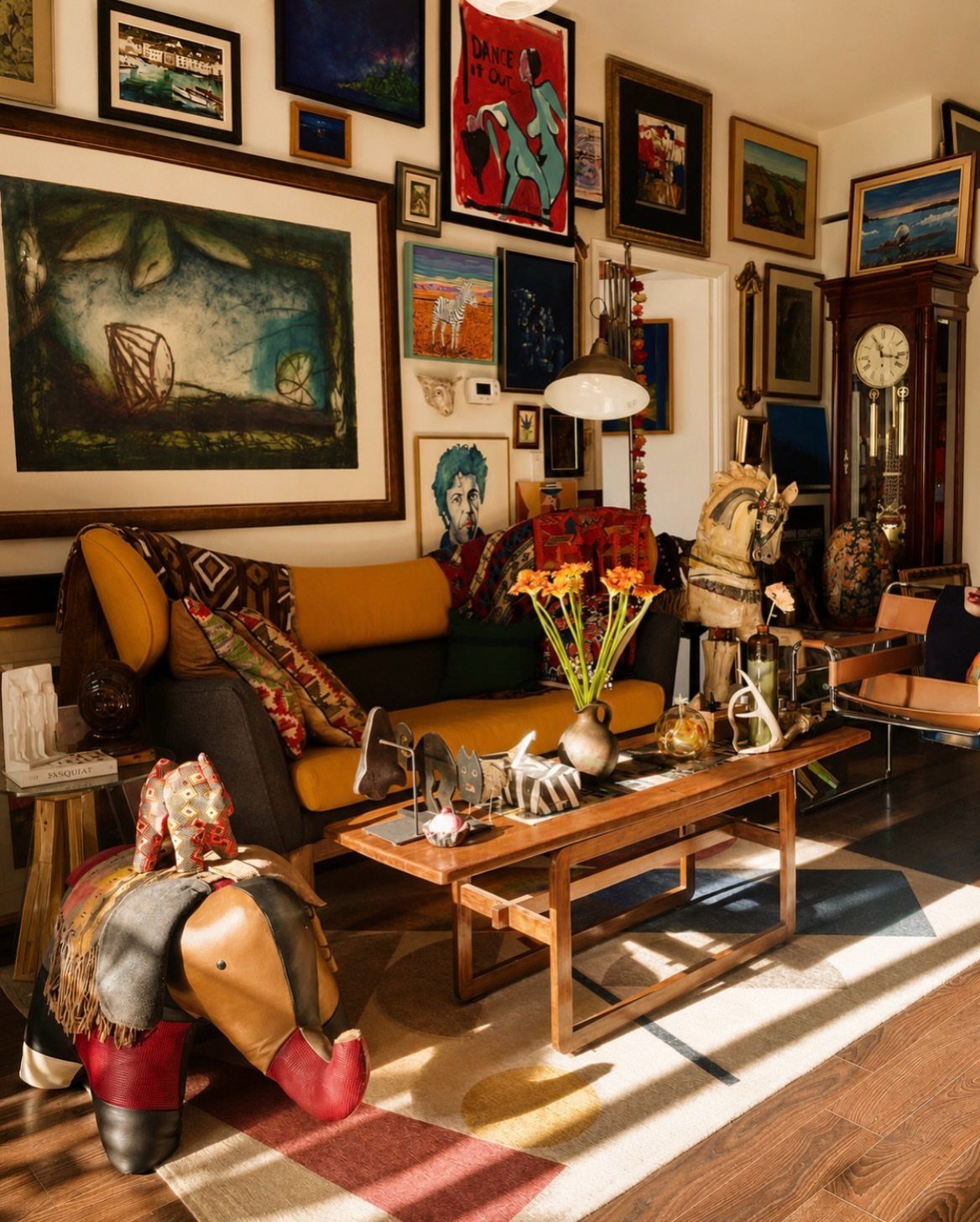
Artwork covers the wall and pulls the eye into the corner instead of leaving it blank. The mix of frames and sizes here fills the space without a formal grid, so it feels personal rather than staged.
Start with the largest piece and work outward, letting the frames sit close enough to read as a group.
Lean some against the wall on a ledge if you don’t want to commit to nail holes. The grandfather clock adds height and anchors the corner without competing with the frames.
This approach works when you have more art than wall space, or when a single large piece would feel too formal. It suits rooms with enough furniture to balance the visual weight.
6. Floor Lamps
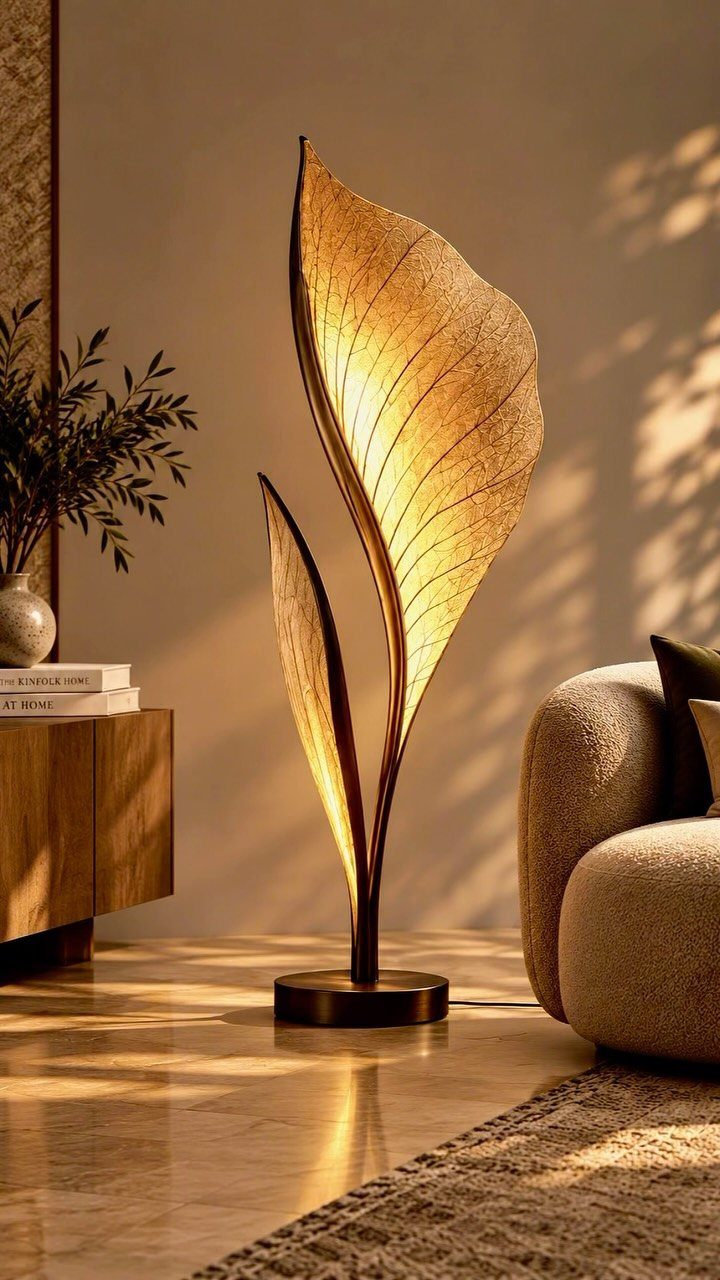
A floor lamp brightens a corner that overhead lighting can’t reach. The leaf shape casts light upward and to the side, so the corner feels warm without throwing glare into the room.
Place the lamp behind or beside a sofa to light a reading spot or to fill the corner at night.
The base should sit flat and wide enough that it won’t tip when bumped. The wooden side table and plant fill the corner vertically, so the lamp doesn’t stand alone.
This works in any corner that feels too dark after the sun goes down. A floor lamp costs less than installing a new ceiling fixture and moves when the furniture does.
7. Window Seat
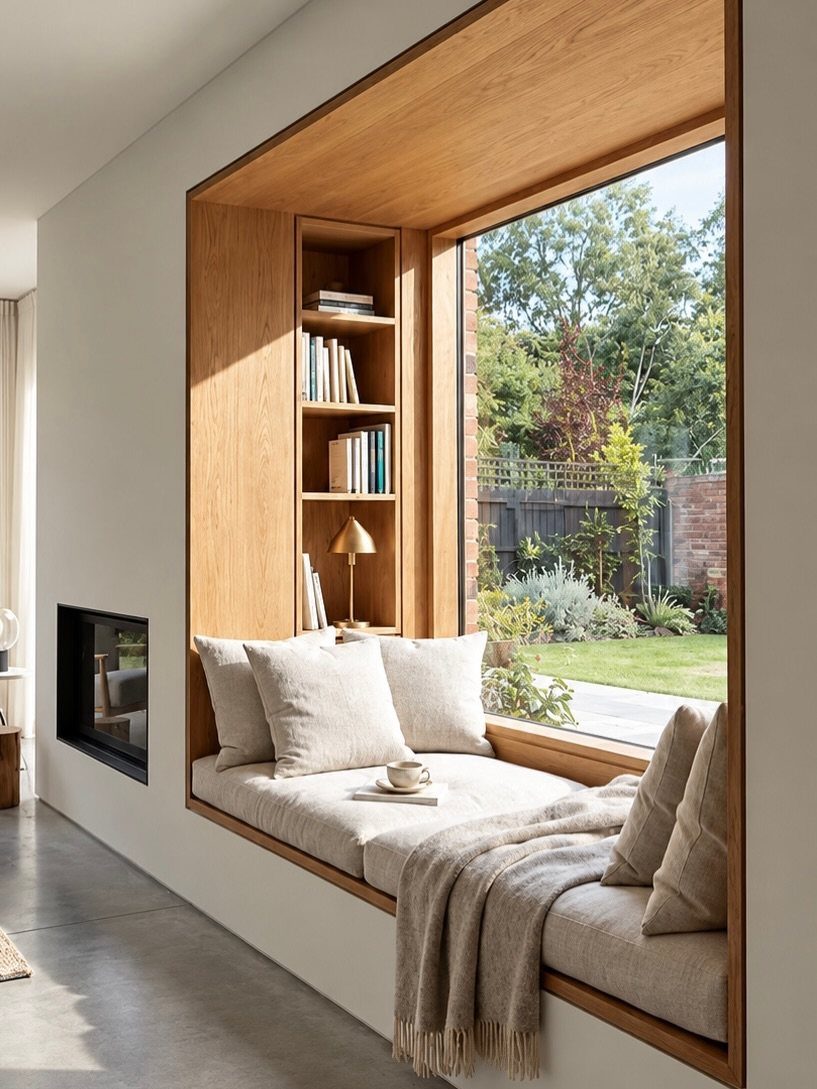
A window seat with storage built into the base gives you a place to sit and a place to stash throws, board games, or whatever else piles up in the room.
The cushion makes it comfortable enough to sit and read, and the shelves keep books within arm’s reach without filling the floor.
Build the frame to fit the wall width, then add a hinged top for hidden storage or open shelves like this one.
The cushion should match the seat depth and sit at a height that lets your feet rest flat on the floor.
This setup works best in a corner with a window that gets good light during the day.
8. Decorative Mirrors
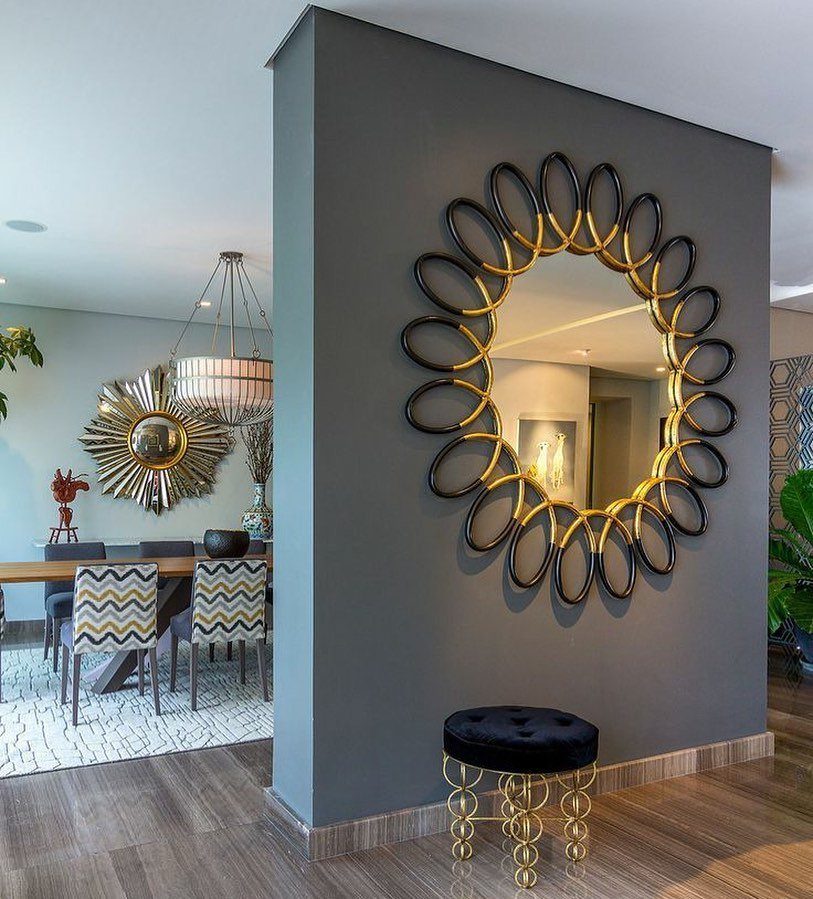
A large mirror bounces light back into the room and makes the corner feel wider than it is.
A round mirror adds shape to a square corner, and a gold or brass frame picks up lamp light without fighting the furniture.
Hang it high enough that it reflects the room rather than the floor. The stool underneath fills the lower corner and gives you a place to sit while putting on shoes or waiting by the door.
Mirrors work in corners that feel dark or cramped, especially where a window sits on an adjacent wall and the mirror can reflect that natural light.
9. Decorative Ladders
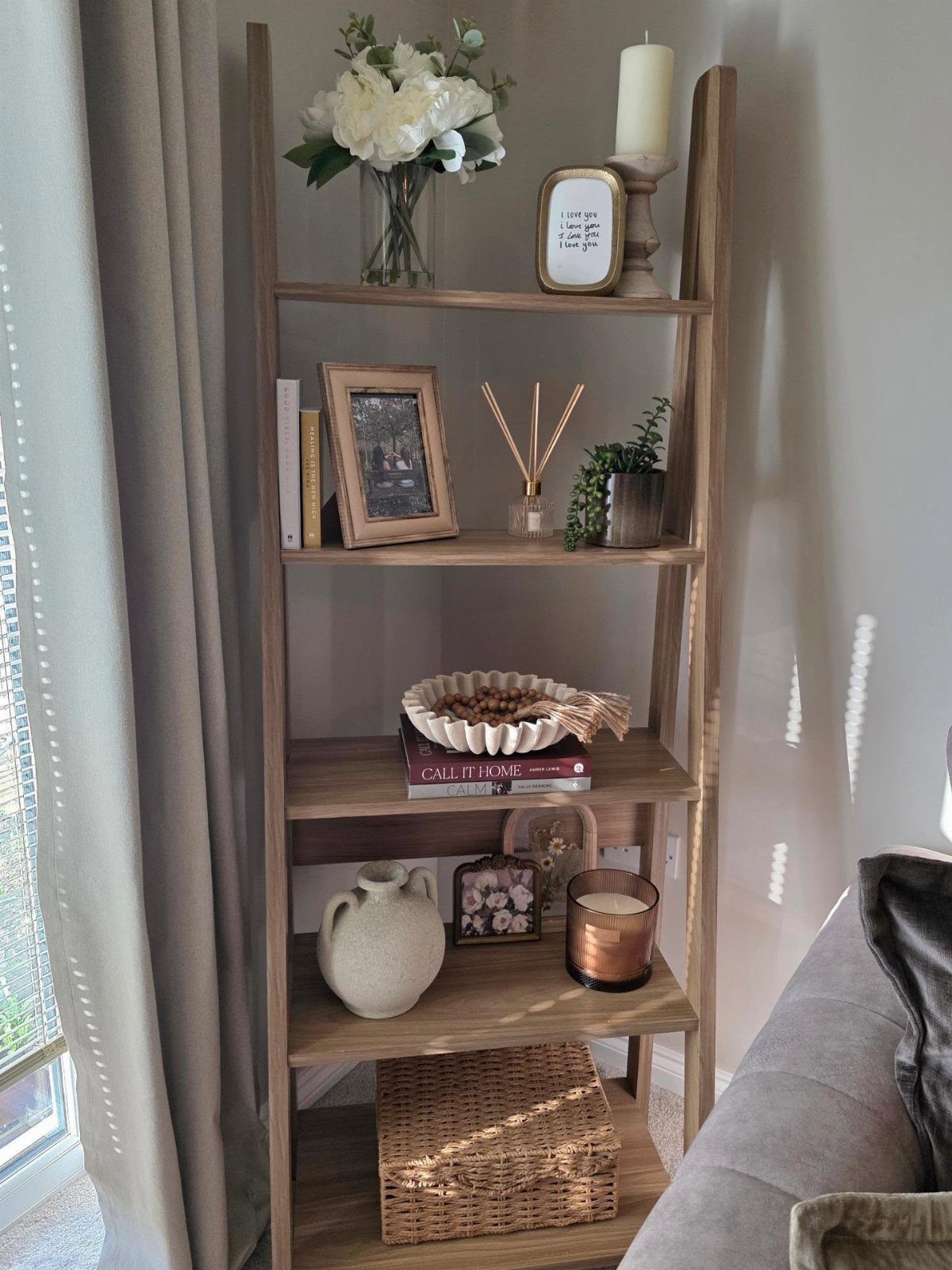
A leaning ladder holds more than a bookshelf without the weight of a full cabinet. The rungs create natural shelves at different heights, so you can mix books, plants, and baskets without blocking what sits behind them.
Prop the ladder at an angle that keeps it stable when loaded.
This suits corners where floor space is tight and you need storage that doesn’t push out past the wall.
10. Tall Plants
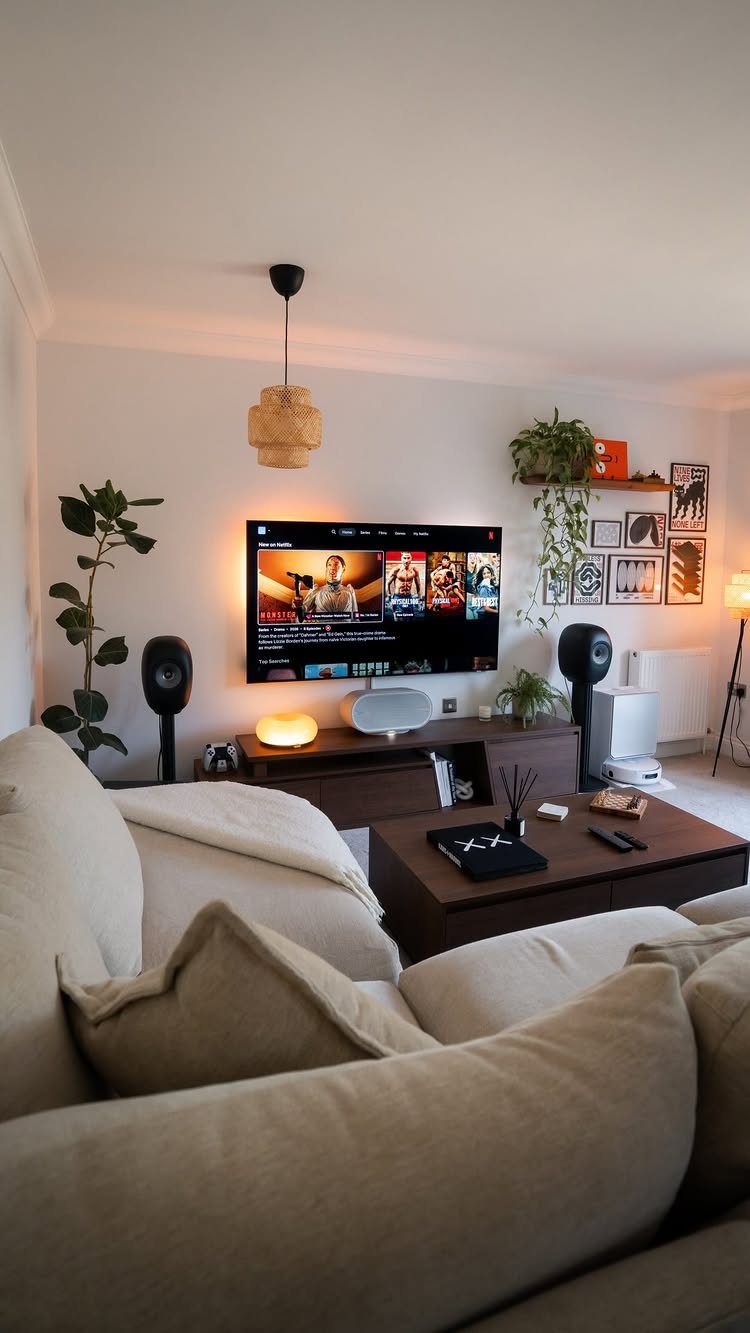
A tall plant fills vertical space without taking up much floor area. A tall plant softens the vertical line where 2 walls meet and fills the space above the sofa without taking up floor space you need for walking.
Pick a plant that tolerates your room’s light level.
Rubber plants, fiddle leaf figs, and snake plants all grow tall enough to fill a corner, and most need water once a week or less. The pot should be heavy enough to stay upright when the plant grows taller.
11. Console Table or Sideboard
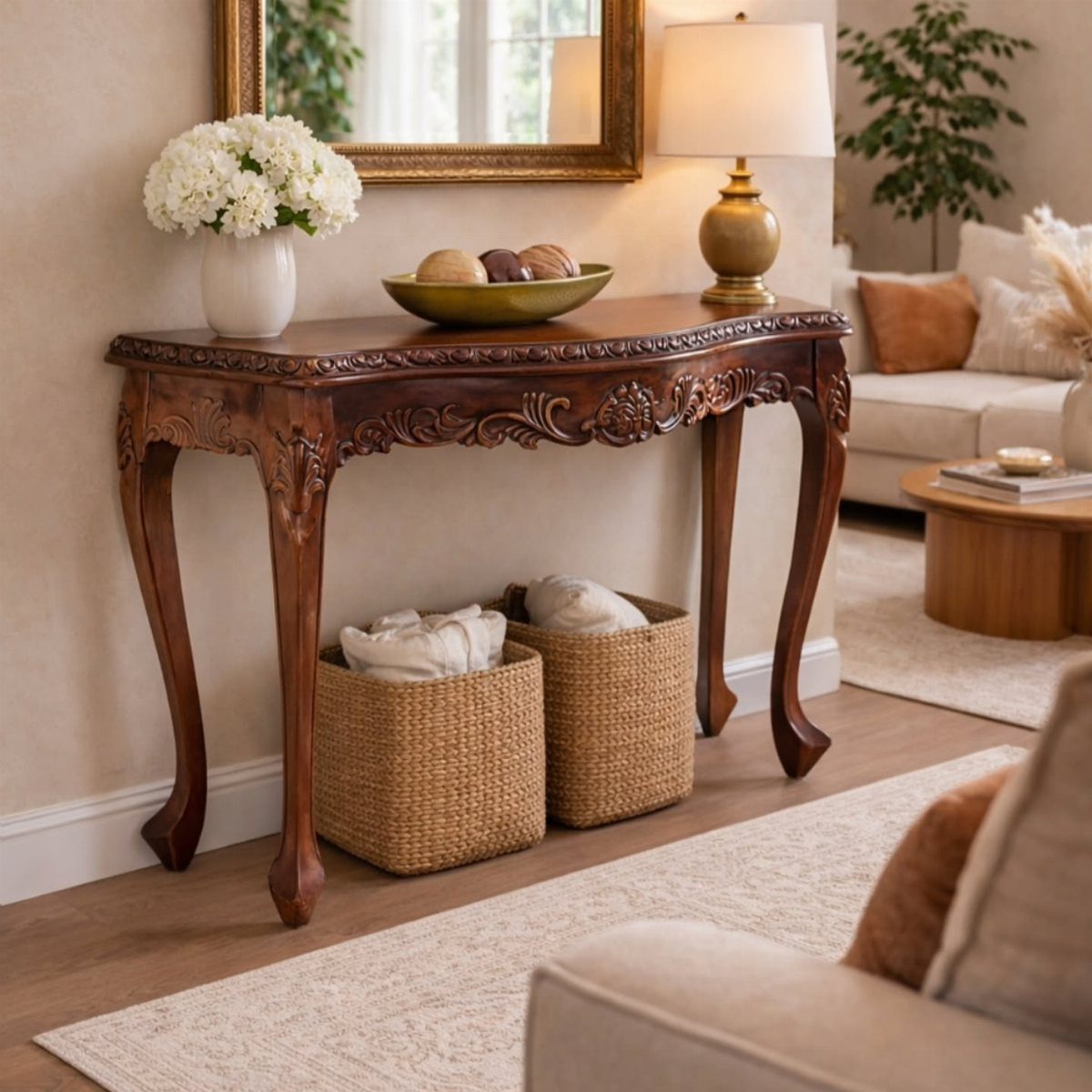
A console table adds surface space and storage without filling the corner the way a full sideboard would.
The carved front here gives it some presence, and the baskets below hold throws, magazines, or anything that needs to be out of sight.
Choose a table narrow enough that it doesn’t block the walking path.
The height should match the sofa arm or sit just below it, so the lamp on top sits at the right level to light the room. The baskets keep the look clean while adding texture.
This suits corners near a sofa or entryway where you need a spot to set things down and some hidden storage underneath.
12. Small Tables
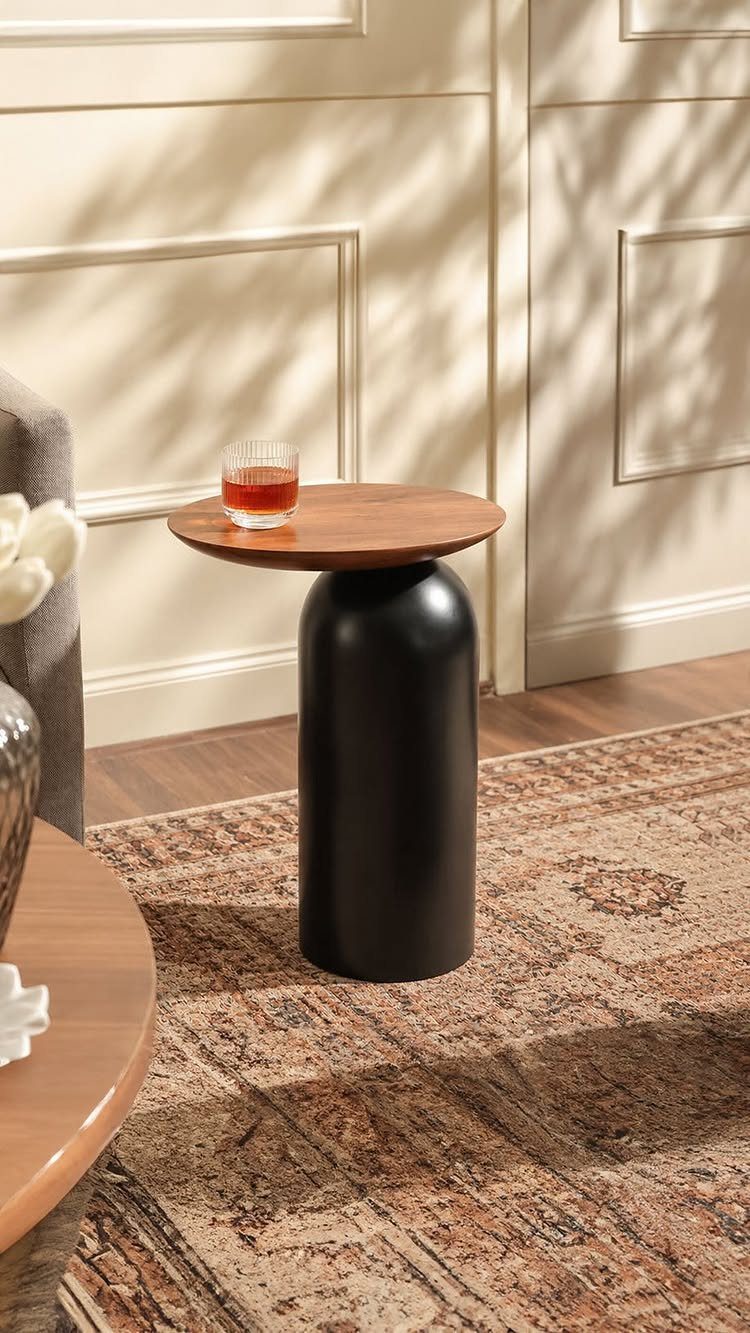
A small side table holds a drink or a book without crowding the corner.
The round top here sits at the right height to reach from a nearby chair, and the narrow base takes up less floor space than a square table would.
Look for a table that fits the scale of the furniture around it. The small footprint means it can tuck into a tight corner and still leave room to walk past.
This works in corners where a full end table would feel too large, or where you just need a surface within reach of a chair.
13. Sculptural Statement Piece
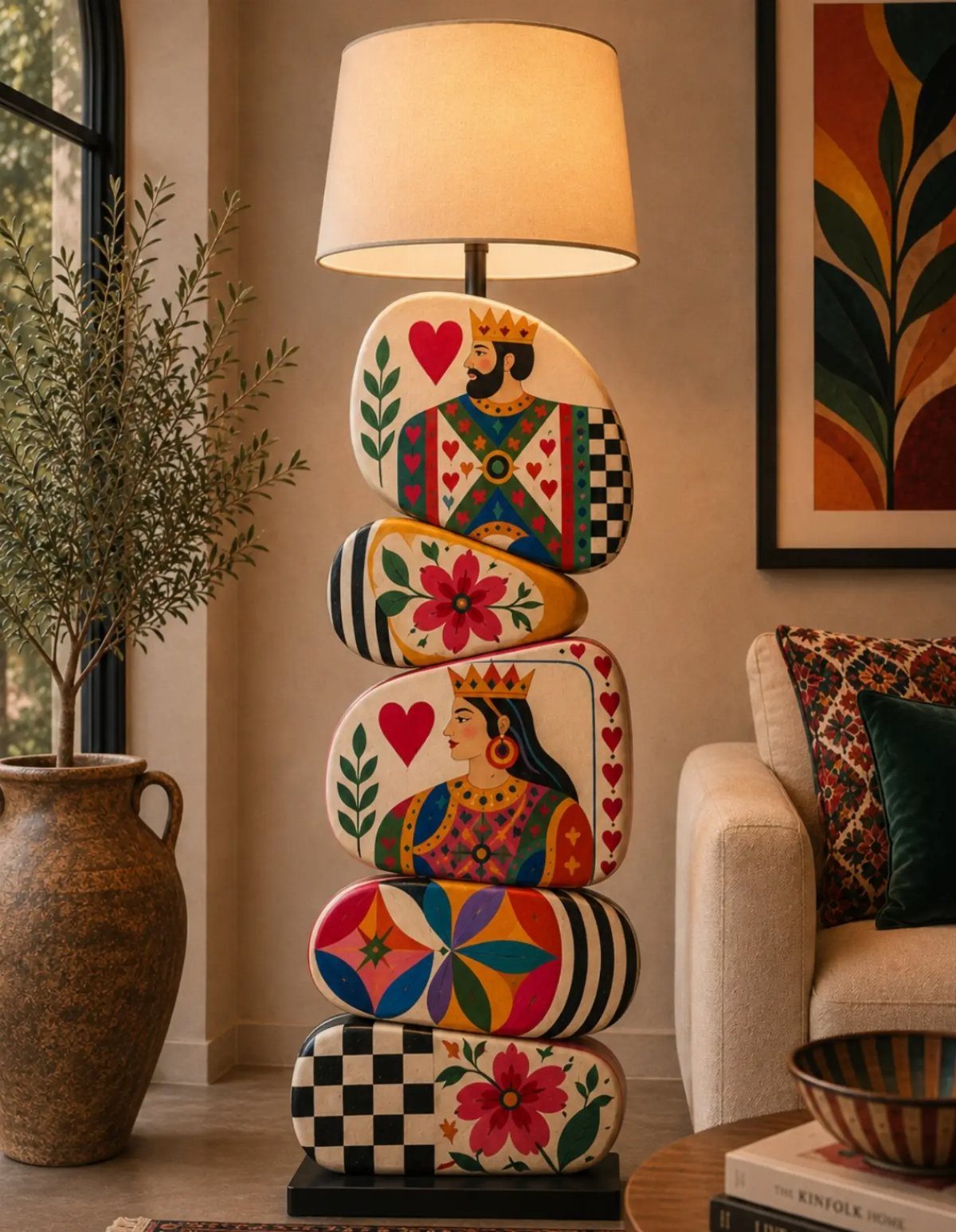
A sculptural piece with real presence makes the corner the focal point instead of something you’re trying to fill. The bold colors and figures here stand alone without needing much around them.
Look for a sculpture that sits on the floor and rises high enough to fill the vertical space.
The base needs enough weight to stay upright, especially if it’s tall and narrow like this one. Place it where it won’t get bumped by foot traffic or block a pathway.
This works best in rooms where the furniture is relatively simple and can handle something with this much color and shape.
14. Blanket Ladder
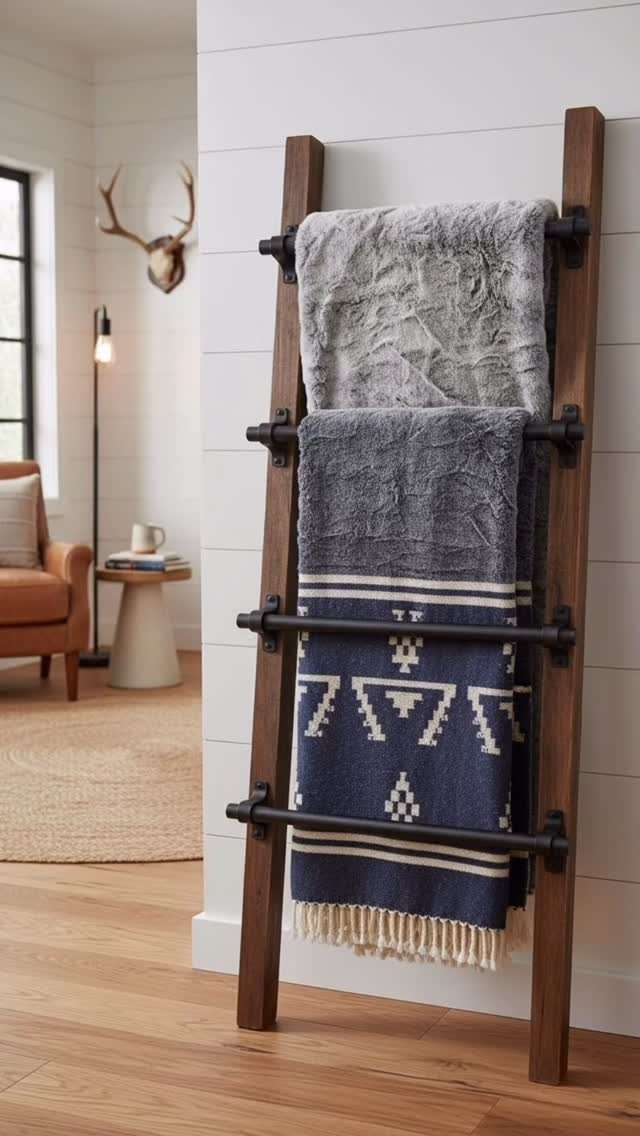
A blanket ladder leans against the wall and holds throws where you can grab them without opening a closet. The rungs keep each blanket separate, so they stay visible instead of piling into a heap.
Test the angle before loading it: lean it back far enough that weight on the rungs keeps it stable. Space between rungs should fit a folded throw without dragging on the rung below.
This fits into narrow corners where a basket would sit on the floor and take up space you need for walking. The wood finish here adds warmth without competing with the rest of the room.
15. Pet Corner Setup
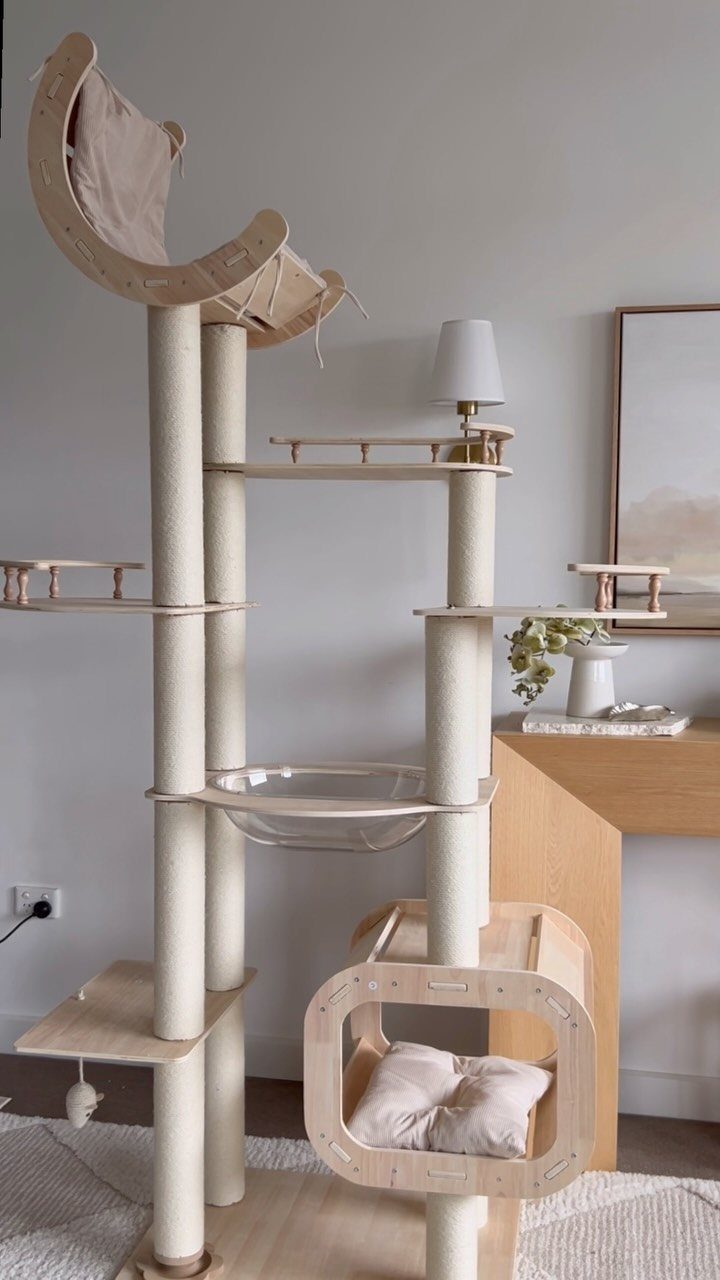
A cat tree gives your pet a place to climb and rest without taking over the furniture.
The platforms at different heights let the cat move up and down, and the enclosed cubby gives them a spot to hide when they want it.
Pick a tree that fits the corner width and sits stable when the cat jumps onto the top platform.
This keeps the pet setup in one corner instead of spread across the room, and it works in homes where the cat needs vertical space but floor space is limited.
16. Vintage Trunk
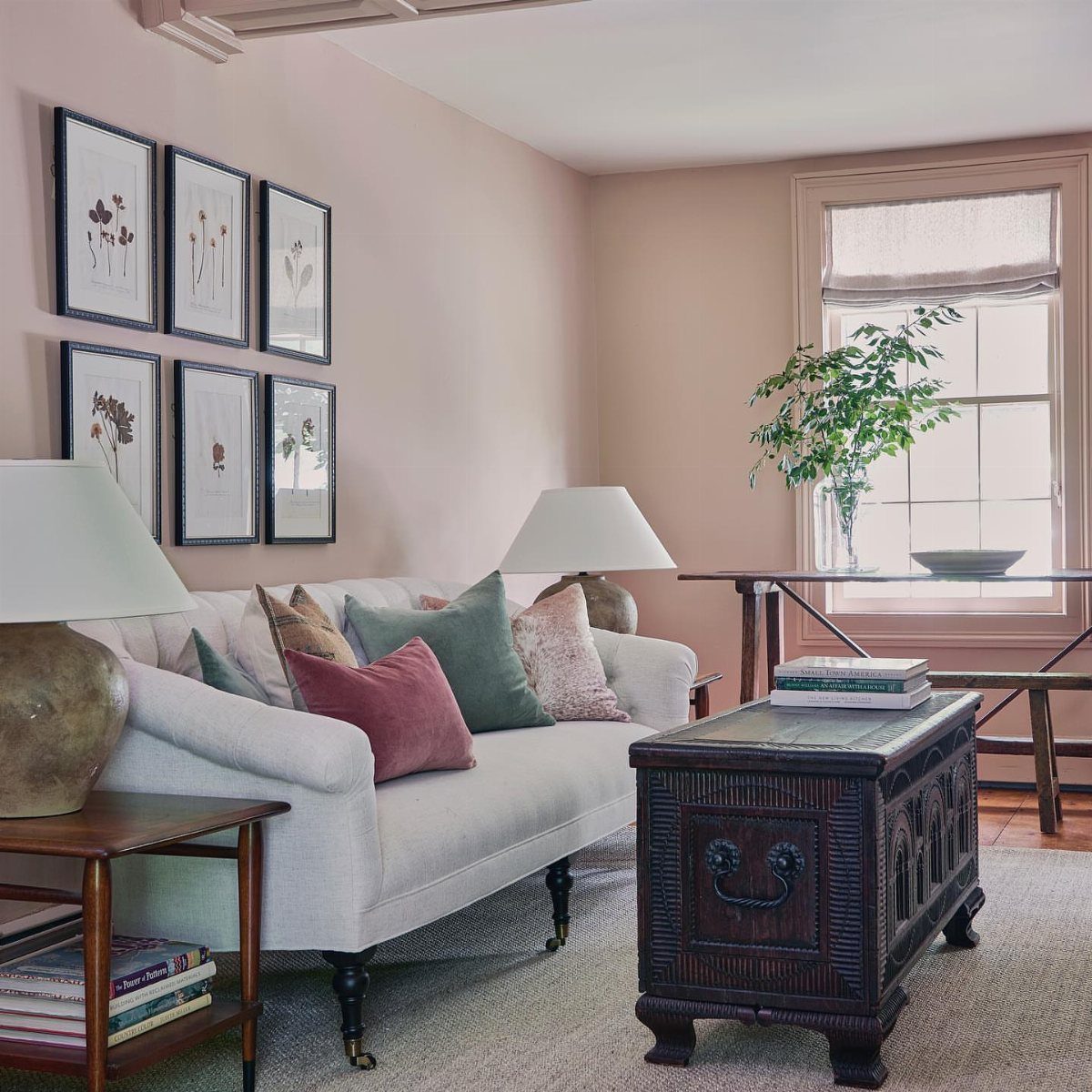
A vintage trunk doubles as a coffee table and holds anything you don’t want sitting out. The carved front adds detail, and the flat top gives you a surface for drinks, books, or a tray.
The trunk should sit at a height that works from the sofa. Check that the lid opens without hitting the sofa edge if you plan to use the storage inside.
This suits rooms where you need both a coffee table and extra storage, and it works especially well if the rest of the furniture leans traditional or eclectic.
Choosing the Right Scale
The corner’s size sets the limit on what fits.
A narrow corner between a sofa and a doorway can hold a floor lamp or a plant in a tall pot, but an accent chair or a console table will block the path.
Scale the piece to the corner, not the room.
A small side table looks lost in a wide corner, and an oversized plant or sculpture crowds a narrow gap. One large piece fills a big corner better than several small ones scattered across the floor.
Stand in the room’s main sightline and check whether the corner piece balances the furniture on the opposite wall. If the sofa and coffee table sit low, a tall bookshelf or a leaning ladder adds height without adding bulk.
Lighting Considerations
A corner without its own light source stays dark even when the rest of the room feels bright.
An arc lamp curves over the seating and throws light where you need it without taking up floor space. A table lamp on a console or side table works when the corner already has a surface at the right height.
Layer the light levels so you can adjust them. A corner lamp on its own circuit or plug lets you turn it on without lighting the whole room.
Utilizing Vertical Space
Floating shelves mounted in a vertical line or staggered across the corner hold books, small plants, and framed photos without the footprint of a bookcase.
A tall bookcase or corner shelf draws the eye up and gives you storage when the floor is already spoken for.
A ladder shelf leans against the wall and creates tiered levels for plants or decor, and the open frame keeps the corner from looking heavy.
Tall plants work the same way.






